Explaining Medicine
  • News
  • Health & Lifestyle
    • Diet & Weight Management
    • Exercise & Fitness
    • Nutrition, Food & Recipes
    • Prevention & Wellness
  • Conditions
    • Custom1
      • Conditions A-Z
      • Procedures A-Z
      • Allergies
      • Alzheimer’s
      • Arthritis
      • Asthma
      • Blood Pressure
      • Cholesterol
      • Cancer
    • Custom2
      • Chronic Pain
      • Cold Flu
      • Depression
      • Diabetes
      • Digestion
      • Eyesight
      • Health Living
      • Healthy Kids
      • Hearing Ear
    • Custom3
      • Heart
      • HIV/AIDS
      • Infectious Disease
      • Lung Conditions
      • Menopause
      • Men’s Health
      • Mental Health
      • Migraine
      • Neurology
    • Custom4
      • Oral Health
      • Pregnancy
      • Senior Health
      • Sexual Health
      • Skin Problems
      • Sleep
      • Thyroid
      • Travel Health
      • Women’s Health
  • Medications
    • Medications
    • Supplements and Vitamins
  • Medical Dictionary
  • Health Alerts
Is It Dry Skin or Atopic Dermatitis?
Atopic Dermatitis: How to Get Enough Sleep
Atopic Dermatitis: Help for Broken Skin
Atopic Dermatitis and Food Triggers
What’s at stake as the Supreme Court hears...
Oncologists’ meetings with drug reps don’t help cancer...
Chronic Spontaneous Urticaria: What to Know
CSU: What to Wear and What to Avoid
Treatment Plan for Chronic Spontaneous Urticaria
When the Hives of CSU Don’t Go Away...
Top Posts

Explaining Medicine

  • News
  • Health & Lifestyle
    • Diet & Weight Management
    • Exercise & Fitness
    • Nutrition, Food & Recipes
    • Prevention & Wellness
  • Conditions
    • Custom1
      • Conditions A-Z
      • Procedures A-Z
      • Allergies
      • Alzheimer’s
      • Arthritis
      • Asthma
      • Blood Pressure
      • Cholesterol
      • Cancer
    • Custom2
      • Chronic Pain
      • Cold Flu
      • Depression
      • Diabetes
      • Digestion
      • Eyesight
      • Health Living
      • Healthy Kids
      • Hearing Ear
    • Custom3
      • Heart
      • HIV/AIDS
      • Infectious Disease
      • Lung Conditions
      • Menopause
      • Men’s Health
      • Mental Health
      • Migraine
      • Neurology
    • Custom4
      • Oral Health
      • Pregnancy
      • Senior Health
      • Sexual Health
      • Skin Problems
      • Sleep
      • Thyroid
      • Travel Health
      • Women’s Health
  • Medications
    • Medications
    • Supplements and Vitamins
  • Medical Dictionary
  • Health Alerts
  • News

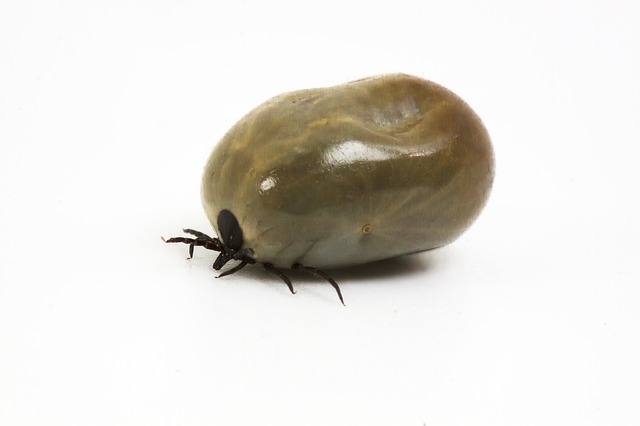
    Asian Longhorned Tick Is Invading United States

    by WebMD November 29, 2018

    HealthDay Reporter

    THURSDAY, Nov. 29, 2018 (HealthDay News) — Americans have unwelcome eight-legged visitors from the East, and they’re here to stay.

    The Asian longhorned tick — Haemaphysalis longicornis — “is a tick indigenous to Asia, where it is an important vector of human and animal disease agents,” warned a research team from the U.S. Centers for Disease Control and Prevention.

    The tick species has already turned up in Arkansas, Connecticut, Maryland, New Jersey, New York, North Carolina, Pennsylvania, Virginia and West Virginia, where it’s been found on domestic animals and wildlife, and at least two people, the researchers said.

    Even though no U.S. cases of human disease have yet been attributed to the tick, it’s a known vector for hemorrhagic fever in humans. As such, the Asian longhorned tick is considered “a new and emerging disease threat,” according to a team led by C. Ben Beard, of the CDC’s National Center for Emerging and Zoonotic Infectious Diseases.

    Ticks are already the bane of Americans everywhere, with bites being prime causes of severe illness such as Lyme disease, babesiosis, Powassan encephalitis, Rocky Mountain spotted fever and other infections.

    Now the newly introduced species brings the specter of another very serious illness, called “severe fever with thrombocytopenia syndrome virus” (SFTSV). This tick-borne disease quickly brings on serious hemorrhagic fever. It first emerged in China but has since been spotted in South Korea and Japan.

    As described by Chinese researchers in a 2011 issue of the New England Journal of Medicine, symptoms include fever, vomiting, diarrhea and anemia. In some cases multiple organ failure can result, and 12 percent of cases prove fatal.

    The tick can also spread a virus known to cause Japanese spotted fever in humans, another potentially fatal illness that brings very high fever and red rash. The CDC believes the insect can also be a vector for numerous other ailments, including Powassan virus.

    Beard’s team stressed that, so far, no such cases of SFTSV or Japanese spotted fever linked to the Asian longhorned tick have been reported in the United States.

    Continued

    Importation of the ticks has long been a worry for U.S. health officials.

    “Before 2017, H. longicornis ticks were intercepted at U.S. ports of entry at least 15 times on imported animals and materials,” which were then quarantined, Beard’s team noted.

    The first report of the tick being found in a non-quarantined animal in the United States involved a sheep in New Jersey in 2017, the new CDC report said. Since then, 53 more cases have emerged including 23 from domestic animals, 13 from wildlife, and two from humans. Fifteen more samples of the tick were found from environmental sampling — tick traps, for example — in grass or other vegetation.

    Right now the tick seems localized to Eastern states, but its range could spread.

    Steps are already being put into place to try to identify and limit the tick’s spread, Beard’s group noted.

    “Many state and federal agencies are developing and disseminating information for stakeholders, including development of hotlines, and some states are identifying ticks submitted by the public,” the team reported.

    The new report was published in the Nov. 30 issue of the CDC’s Morbidity and Mortality Weekly Report.

    WebMD News from HealthDay

    Sources

    SOURCE: Nov. 30, 2018,Morbidity and Mortality Weekly Report

    Copyright © 2013-2018 HealthDay. All rights reserved.

    Read the article here

    Share this Post

    Share Explaining Medicine Share Explaining Medicine

    Asian Longhorned Tick Is Invading United States was last modified: December 5th, 2018 by WebMD

    Related

    anemiababesiosisDiarrheaencephalitisfeverLyme diseasePowassanrashthrombocytopeniaticksvomiting
    0 comment
    0
    Facebook Twitter Google + Pinterest
    WebMD

    previous post
    Scientists Improve Mood By Stimulating A Brain Area Above The Eyes
    next post
    Another Drug Crisis: Methamphetamine Use By Pregnant Women

    Related Articles

    When you leave primary care, you leave people behind

    April 4, 2018

    A patient imagines a conversation with Alexa

    April 5, 2019

    IVF cycles can provide invaluable information

    May 5, 2018

    The rent is too high in health care

    March 14, 2019

    Many Oncologists Unsure of LGBTQ Health Needs

    January 18, 2019

    This doctor paid off $200,000 in student loans in 19 months. Here’s how.

    March 18, 2019

    Alarming Rise in Antibiotic-Resistant UTIs in U.S.

    August 28, 2018

    How bad is maternal mortality in the U.S.? A new study says it’s been overestimated

    March 13, 2024

    Could Hackers Target Heart Devices?

    February 20, 2018

    The pros and cons of practicing medicine in a rural setting

    January 5, 2019

    Recent Posts

    • Is It Dry Skin or Atopic Dermatitis?

      April 24, 2024
    • Atopic Dermatitis: How to Get Enough Sleep

      April 24, 2024
    • Atopic Dermatitis: Help for Broken Skin

      April 24, 2024
    • Atopic Dermatitis and Food Triggers

      April 24, 2024
    • What’s at stake as the Supreme Court hears Idaho case about abortion in emergencies

      April 23, 2024

    Keep in touch

    Facebook Twitter Google + RSS

    Recent Posts

    • Is It Dry Skin or Atopic Dermatitis?

      April 24, 2024
    • Atopic Dermatitis: How to Get Enough Sleep

      April 24, 2024
    • Atopic Dermatitis: Help for Broken Skin

      April 24, 2024
    • Atopic Dermatitis and Food Triggers

      April 24, 2024
    • What’s at stake as the Supreme Court hears Idaho case about abortion in emergencies

      April 23, 2024
    • Terms of Service
    • Privacy Policy

    @2026 - Explaining Medicine. All Right Reserved.


    Back To Top
    Explaining Medicine
    Proudly powered by WordPress Theme: soledad child.