Explaining Medicine
  • News
  • Health & Lifestyle
    • Diet & Weight Management
    • Exercise & Fitness
    • Nutrition, Food & Recipes
    • Prevention & Wellness
  • Conditions
    • Custom1
      • Conditions A-Z
      • Procedures A-Z
      • Allergies
      • Alzheimer’s
      • Arthritis
      • Asthma
      • Blood Pressure
      • Cholesterol
      • Cancer
    • Custom2
      • Chronic Pain
      • Cold Flu
      • Depression
      • Diabetes
      • Digestion
      • Eyesight
      • Health Living
      • Healthy Kids
      • Hearing Ear
    • Custom3
      • Heart
      • HIV/AIDS
      • Infectious Disease
      • Lung Conditions
      • Menopause
      • Men’s Health
      • Mental Health
      • Migraine
      • Neurology
    • Custom4
      • Oral Health
      • Pregnancy
      • Senior Health
      • Sexual Health
      • Skin Problems
      • Sleep
      • Thyroid
      • Travel Health
      • Women’s Health
  • Medications
    • Medications
    • Supplements and Vitamins
  • Medical Dictionary
  • Health Alerts
Is It Dry Skin or Atopic Dermatitis?
Atopic Dermatitis: How to Get Enough Sleep
Atopic Dermatitis: Help for Broken Skin
Atopic Dermatitis and Food Triggers
What’s at stake as the Supreme Court hears...
Oncologists’ meetings with drug reps don’t help cancer...
Chronic Spontaneous Urticaria: What to Know
CSU: What to Wear and What to Avoid
Treatment Plan for Chronic Spontaneous Urticaria
When the Hives of CSU Don’t Go Away...
Top Posts

Explaining Medicine

  • News
  • Health & Lifestyle
    • Diet & Weight Management
    • Exercise & Fitness
    • Nutrition, Food & Recipes
    • Prevention & Wellness
  • Conditions
    • Custom1
      • Conditions A-Z
      • Procedures A-Z
      • Allergies
      • Alzheimer’s
      • Arthritis
      • Asthma
      • Blood Pressure
      • Cholesterol
      • Cancer
    • Custom2
      • Chronic Pain
      • Cold Flu
      • Depression
      • Diabetes
      • Digestion
      • Eyesight
      • Health Living
      • Healthy Kids
      • Hearing Ear
    • Custom3
      • Heart
      • HIV/AIDS
      • Infectious Disease
      • Lung Conditions
      • Menopause
      • Men’s Health
      • Mental Health
      • Migraine
      • Neurology
    • Custom4
      • Oral Health
      • Pregnancy
      • Senior Health
      • Sexual Health
      • Skin Problems
      • Sleep
      • Thyroid
      • Travel Health
      • Women’s Health
  • Medications
    • Medications
    • Supplements and Vitamins
  • Medical Dictionary
  • Health Alerts
  • News

    Severe Flu Raises Risk Of Birth Problems For Pregnant Women, Babies

    by Patti Neighmond January 10, 2019

    Enlarge this image

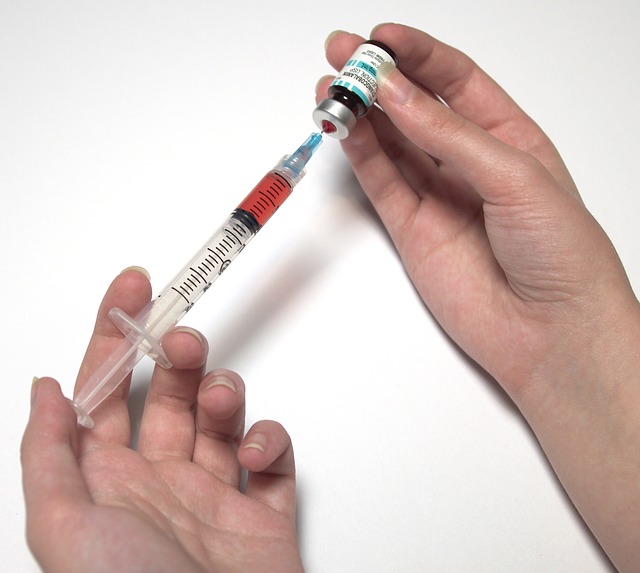
    Babies of moms who are in the ICU with severe flu have a greater chance of being born premature and underweight. Nenov/Getty Images hide caption

    toggle caption

    Nenov/Getty Images

    Babies of moms who are in the ICU with severe flu have a greater chance of being born premature and underweight.

    Nenov/Getty Images

    Need another reason to get the flu shot if you’re pregnant?

    A study out this week shows that pregnant women with the flu who are hospitalized in an intensive care unit are four times more likely to deliver babies prematurely and four and a half times more likely to have a baby of low birth weight.

    Researchers compared 490 pregnant women with the flu and 1,451 who did not have the flu. Sixty-four of the women with flu were so ill that they were admitted to a hospital ICU. The results appear in the journal Birth Defects Research.

    The study also found that babies of the most seriously ill women were eight times more likely to have low Apgar scores, a measure of a baby’s health in the minutes after birth. The test assesses the baby’s color, heart rate, reflexes, muscle tone and breathing.

    It’s not clear exactly how being in the ICU may have affected the newborns, says Dr. Sonja Rasmussen of the University of Florida College of Medicine, one of the study’s authors. She doesn’t think the virus itself causes the problems, but concedes there’s not enough information to draw firm conclusions.

    More likely, Rasmussen believes, the problems arise because pregnant women with the flu are at “greater risk of getting pneumonia, of needing to be hospitalized and even being admitted to an intensive care unit,” she says.

    “When moms are in the ICU, they often need help breathing, they need a ventilator to breath for them, and it may be that there is some period of time where they aren’t breathing well enough to get adequate oxygen to the baby,” says Rasmussen.

    For pregnant women in the study who were diagnosed with flu but who were able to stay home — and even those with flu who were hospitalized but not admitted to the ICU — there was no significant increase in risk for adverse health outcomes for their babies.

    Rasmussen says it’s possible that nutrition plays a role in the newborns’ problems. “When you’re having trouble breathing, you have trouble eating and it may be that mom wasn’t getting good nutrition during her time in the ICU.”

    Rasmussen says the findings underscore the importance of pregnant women receiving the influenza vaccine and getting prompt treatment with antiviral medications.

    Prior to the 2009 pandemic, only about 20 to 30 percent of pregnant women got the flu vaccine. After doctors and health professionals strongly urged vaccination, the rate increased to about 50 percent.

    “Since then, flu vaccine rates have stagnated” as memories of the pandemic have faded, says obstetrician-gynecologist Dr. Denise Jamieson of Emory University School of Medicine. The “vast majority” of pregnant women should be vaccinated, she says.

    Jamieson says the reasons patients give for not getting the vaccine are numerous. Some say they’ve just never had the flu before and don’t expect to get it while pregnant, which “doesn’t mean they’ll avoid the flu this season,” she says.

    Others say they got the vaccine in the past and it made them sick. That’s unlikely, Jamieson says. The flu vaccine does not contain active virus, but rather is a “killed” virus vaccine, and therefore not infectious.

    Still other patients worry the vaccine might not be safe for their developing baby. That’s another fallacy, Jamieson says.

    “This is a vaccine we have been giving in pregnancy for many decades and there is no indication of any problems,” she says. “It’s a safe vaccine and we know more about this vaccine than any other vaccine in pregnancy.”

    And, importantly, it has huge benefits which include “safeguarding pregnant women and their infants against what could be devastating complications of influenza,” she says.

    When women get vaccinated, they make antibodies to fight the virus. Those antibodies can cross the placenta and protect the baby from severe illness, which is important, Jamieson says, because infants’ immune systems are still developing and they can’t be vaccinated until they are 6-months-old.

    So the vaccine “provides some protection from birth up to six months of age,” she says.

    And it’s never too late or too early to get the vaccine, according to Jamieson. Pregnant women should get their flu vaccine as “soon as it’s available,” she says.

    Read the article here

    Share this Post

    Share Explaining Medicine Share Explaining Medicine

    Severe Flu Raises Risk Of Birth Problems For Pregnant Women, Babies was last modified: January 24th, 2019 by Patti Neighmond

    Related

    fluflu vaccineintensive carepregnant womenpremature birthvaccine
    0 comment
    0
    Facebook Twitter Google + Pinterest
    Patti Neighmond

    previous post
    Candies May be Contaminated With Hepatitis A
    next post
    Shutdown Limits FDA Efforts to Protect Food Safety

    Related Articles

    The fight over banning menthol cigarettes has a long history steeped in race

    February 1, 2024

    Eating Before Bedtime Won’t Spike Blood Sugar

    January 22, 2019

    To my mentor: Thank you. I didn’t know how much I needed you.

    January 23, 2019

    Odds Are, They’re Taking Your Blood Pressure All Wrong

    November 20, 2017

    When you lose someone, it takes a piece of your being with it

    December 19, 2017

    Invisibilia: For An Artist, A Room Of His Own Is A Lifesaver

    July 2, 2016

    Want to Leave Dinner Feeling Full? Try Beans

    January 11, 2017

    More Than Half in U.S. Have Chronic Health Problem

    November 3, 2016

    For Many People, Medical Care Works Best When It’s Incremental

    January 17, 2017

    Father-Son Talks About Condoms Pay Off

    December 17, 2018

    Recent Posts

    • Is It Dry Skin or Atopic Dermatitis?

      April 24, 2024
    • Atopic Dermatitis: How to Get Enough Sleep

      April 24, 2024
    • Atopic Dermatitis: Help for Broken Skin

      April 24, 2024
    • Atopic Dermatitis and Food Triggers

      April 24, 2024
    • What’s at stake as the Supreme Court hears Idaho case about abortion in emergencies

      April 23, 2024

    Keep in touch

    Facebook Twitter Google + RSS

    Recent Posts

    • Is It Dry Skin or Atopic Dermatitis?

      April 24, 2024
    • Atopic Dermatitis: How to Get Enough Sleep

      April 24, 2024
    • Atopic Dermatitis: Help for Broken Skin

      April 24, 2024
    • Atopic Dermatitis and Food Triggers

      April 24, 2024
    • What’s at stake as the Supreme Court hears Idaho case about abortion in emergencies

      April 23, 2024
    • Terms of Service
    • Privacy Policy

    @2026 - Explaining Medicine. All Right Reserved.


    Back To Top
    Explaining Medicine
    Proudly powered by WordPress Theme: soledad child.