Explaining Medicine
  • News
  • Health & Lifestyle
    • Diet & Weight Management
    • Exercise & Fitness
    • Nutrition, Food & Recipes
    • Prevention & Wellness
  • Conditions
    • Custom1
      • Conditions A-Z
      • Procedures A-Z
      • Allergies
      • Alzheimer’s
      • Arthritis
      • Asthma
      • Blood Pressure
      • Cholesterol
      • Cancer
    • Custom2
      • Chronic Pain
      • Cold Flu
      • Depression
      • Diabetes
      • Digestion
      • Eyesight
      • Health Living
      • Healthy Kids
      • Hearing Ear
    • Custom3
      • Heart
      • HIV/AIDS
      • Infectious Disease
      • Lung Conditions
      • Menopause
      • Men’s Health
      • Mental Health
      • Migraine
      • Neurology
    • Custom4
      • Oral Health
      • Pregnancy
      • Senior Health
      • Sexual Health
      • Skin Problems
      • Sleep
      • Thyroid
      • Travel Health
      • Women’s Health
  • Medications
    • Medications
    • Supplements and Vitamins
  • Medical Dictionary
  • Health Alerts
Is It Dry Skin or Atopic Dermatitis?
Atopic Dermatitis: How to Get Enough Sleep
Atopic Dermatitis: Help for Broken Skin
Atopic Dermatitis and Food Triggers
What’s at stake as the Supreme Court hears...
Oncologists’ meetings with drug reps don’t help cancer...
Chronic Spontaneous Urticaria: What to Know
CSU: What to Wear and What to Avoid
Treatment Plan for Chronic Spontaneous Urticaria
When the Hives of CSU Don’t Go Away...
Top Posts

Explaining Medicine

  • News
  • Health & Lifestyle
    • Diet & Weight Management
    • Exercise & Fitness
    • Nutrition, Food & Recipes
    • Prevention & Wellness
  • Conditions
    • Custom1
      • Conditions A-Z
      • Procedures A-Z
      • Allergies
      • Alzheimer’s
      • Arthritis
      • Asthma
      • Blood Pressure
      • Cholesterol
      • Cancer
    • Custom2
      • Chronic Pain
      • Cold Flu
      • Depression
      • Diabetes
      • Digestion
      • Eyesight
      • Health Living
      • Healthy Kids
      • Hearing Ear
    • Custom3
      • Heart
      • HIV/AIDS
      • Infectious Disease
      • Lung Conditions
      • Menopause
      • Men’s Health
      • Mental Health
      • Migraine
      • Neurology
    • Custom4
      • Oral Health
      • Pregnancy
      • Senior Health
      • Sexual Health
      • Skin Problems
      • Sleep
      • Thyroid
      • Travel Health
      • Women’s Health
  • Medications
    • Medications
    • Supplements and Vitamins
  • Medical Dictionary
  • Health Alerts
  • News

    Danish Study Raises More Questions About Mammograms’ Message

    by NPR January 9, 2017

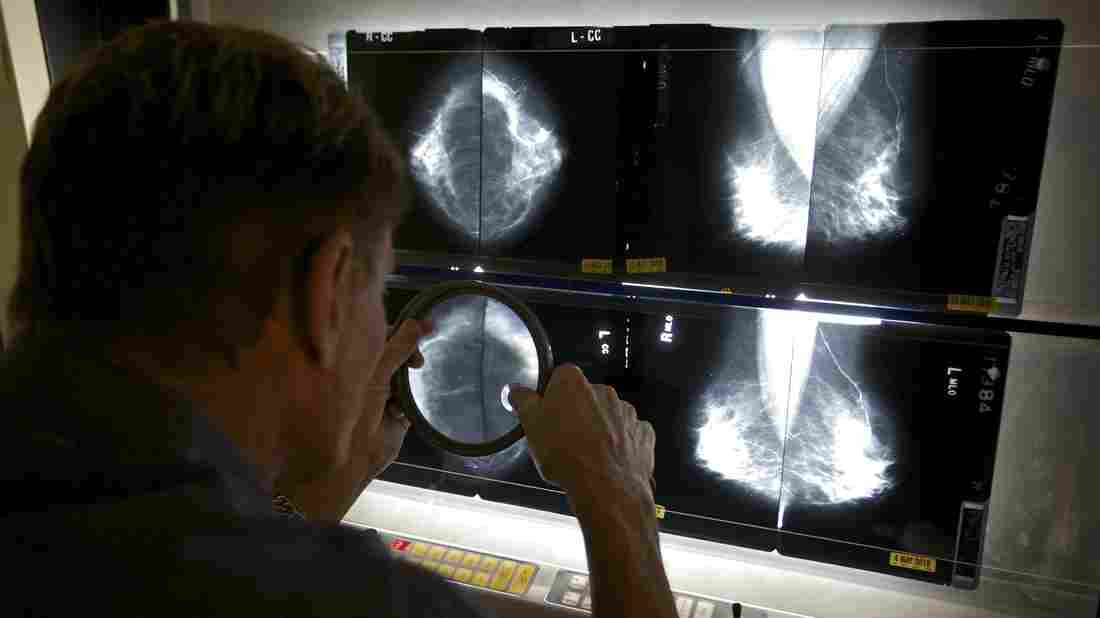
    Mammograms are good at finding lumps, but it can be hard to determine which could become life-threatening and which are harmless. Damian Dovarganes/AP hide caption

    toggle caption

    Damian Dovarganes/AP

    For years, women have been told that regular mammograms can help reduce their risk of dying from breast cancer by catching tumors at their earliest, most treatable stages.

    But a Danish study is the latest research to challenge that assumption. Researchers followed thousands of women in Denmark over more than a decade and found that perhaps one-third of the abnormalities detected by mammograms may never cause health problems.

    “Breast screening can have some very substantial harms,” says Karsten Jorgensen, deputy director of the Nordic Cochrane Centre in Denmark, who led the study. “And the most important one of those is the overdiagnosis of breast cancers that would never have developed into something life-threatening.”

    The study adds to growing evidence that breast cancer screening can lead to unneeded treatment.

    “There’s a tendency in the United States to think that screening is better than it actually is,” says Otis Brawley, chief medical officer at the American Cancer Society. Brawley wrote an editorial accompanying the study.

    “It’s important that we learn the limitations of screening so that we can apply that tool as best we possibly can to save as many lives as possible,” Brawley says.

    Article continues after sponsorship

    The problem, Brawley says, is that doctors can’t yet tell which tumors really need to be treated and which they might be able to just monitor. For now, he says, it’s important all women continue to follow mammography guidelines and get treated if they are diagnosed.

    “One of my nightmares is people will read this paper,” Brawley says, and “elect to not get treated.”

    The cancer society’s guidelines say mammograms should be an option starting at age 40, and that annual mammograms should start at age 45. At age 55, women can cut back to every two years, according to the guidelines. Another group, the U.S. Preventive Services Task Force, advises that regular biennial mammograms start at age 50.

    But others argue the paper should encourage women to think twice about whether they need a mammogram.

    “Women should understand all of these issues and make their own decision if they want to have a mammogram,” says Fran Visco of the National Breast Cancer Coalition, an advocacy group. “They should really think very carefully before getting a mammogram.”

    And other researchers dismissed the findings, saying the new study is flawed and that there is clear evidence mammograms save lives.

    “It’s giving women the wrong idea that half of all cancers maybe are nothing to worry about,” says Debra Monticciolo, who is chairwoman of the American College of Radiology’s Breast Imaging Commission. “Nothing could be further from the truth.”

    The study, published in Annals of Internal Medicine, took advantage of an unusual situation. Denmark made screening mammography available to all women at different times in different parts of the country. That enabled the researchers to compare the incidence of early- and late-stage breast cancer in different regions, comparing those who got mammograms and those who didn’t.

    “We wanted to look at whether breast screening led to fewer advanced-stage cancers because screening is really based on the premise that you detect cancer earlier so you should have less advanced cancers over time,” Jorgensen says.

    But the analysis found that there was no “reduction in the frequency of late-stage tumors in the screened areas compared to the non-screened areas,” Jorgensen says. “But we did see a huge increase in the occurrence of early-stage cancers.”

    Do You Need Extra Screening For Breast Cancer? The Picture Is Blurry

    Shots – Health News

    Do You Need Extra Screening For Breast Cancer? The Picture Is Blurry

    The findings suggest mammograms are frequently picking up lumps that would never become a health problem. Like many prostate cancers, they may never grow or may even regress on their own.

    “That means that these essentially healthy women get a breast cancer diagnosis that they otherwise would never have gotten,” says Jorgensen. “It’s really a life-changing event to get a cancer diagnosis.”

    In addition to causing stress and anxiety, a breast cancer diagnosis also usually leads to treatment, which can include surgery, radiation and chemotherapy, which are difficult and can have serious side effects.

    Read the article here

    Share this Post

    Share Explaining Medicine Share Explaining Medicine

    Danish Study Raises More Questions About Mammograms’ Message was last modified: January 17th, 2017 by NPR

    Related

    breast cancercancer screeningmammogrammammograms
    0 comment
    0
    Facebook Twitter Google + Pinterest
    NPR

    previous post
    As Obamacare Repeal Heats Up, Newly Insured North Carolinians Fret
    next post
    Pregnancy Heartburn Meds Tied to Kids’ Asthma?

    Related Articles

    Could Estrogen Play a Role in Men’s Migraines?

    June 28, 2018

    Is 20-Something Too Late For A Guy To Get The HPV Vaccine?

    October 17, 2016

    Can Community ‘Well-Being’ Help You Live Longer?

    November 10, 2016

    FDA Approves First Blood Test to Detect Concussion

    February 14, 2018

    Prescription Drug Costs Driven By Manufacturer Price Hikes, Not Innovation

    January 7, 2019

    Expanding the scope of emergency medicine

    October 28, 2018

    A new test could save arthritis patients time, money and pain. But will it be used?

    December 20, 2023

    The loss a physician feels after partial retirement

    December 1, 2018

    Face your Fears: Self-Discovery Retreat

    October 31, 2017

    Could Nonprofit Drug Firms Cut Sky-High Prices?

    May 17, 2018

    Recent Posts

    • Is It Dry Skin or Atopic Dermatitis?

      April 24, 2024
    • Atopic Dermatitis: How to Get Enough Sleep

      April 24, 2024
    • Atopic Dermatitis: Help for Broken Skin

      April 24, 2024
    • Atopic Dermatitis and Food Triggers

      April 24, 2024
    • What’s at stake as the Supreme Court hears Idaho case about abortion in emergencies

      April 23, 2024

    Keep in touch

    Facebook Twitter Google + RSS

    Recent Posts

    • Is It Dry Skin or Atopic Dermatitis?

      April 24, 2024
    • Atopic Dermatitis: How to Get Enough Sleep

      April 24, 2024
    • Atopic Dermatitis: Help for Broken Skin

      April 24, 2024
    • Atopic Dermatitis and Food Triggers

      April 24, 2024
    • What’s at stake as the Supreme Court hears Idaho case about abortion in emergencies

      April 23, 2024
    • Terms of Service
    • Privacy Policy

    @2026 - Explaining Medicine. All Right Reserved.


    Back To Top
    Explaining Medicine
    Proudly powered by WordPress Theme: soledad child.