Explaining Medicine
  • News
  • Health & Lifestyle
    • Diet & Weight Management
    • Exercise & Fitness
    • Nutrition, Food & Recipes
    • Prevention & Wellness
  • Conditions
    • Custom1
      • Conditions A-Z
      • Procedures A-Z
      • Allergies
      • Alzheimer’s
      • Arthritis
      • Asthma
      • Blood Pressure
      • Cholesterol
      • Cancer
    • Custom2
      • Chronic Pain
      • Cold Flu
      • Depression
      • Diabetes
      • Digestion
      • Eyesight
      • Health Living
      • Healthy Kids
      • Hearing Ear
    • Custom3
      • Heart
      • HIV/AIDS
      • Infectious Disease
      • Lung Conditions
      • Menopause
      • Men’s Health
      • Mental Health
      • Migraine
      • Neurology
    • Custom4
      • Oral Health
      • Pregnancy
      • Senior Health
      • Sexual Health
      • Skin Problems
      • Sleep
      • Thyroid
      • Travel Health
      • Women’s Health
  • Medications
    • Medications
    • Supplements and Vitamins
  • Medical Dictionary
  • Health Alerts
Is It Dry Skin or Atopic Dermatitis?
Atopic Dermatitis: How to Get Enough Sleep
Atopic Dermatitis: Help for Broken Skin
Atopic Dermatitis and Food Triggers
What’s at stake as the Supreme Court hears...
Oncologists’ meetings with drug reps don’t help cancer...
Chronic Spontaneous Urticaria: What to Know
CSU: What to Wear and What to Avoid
Treatment Plan for Chronic Spontaneous Urticaria
When the Hives of CSU Don’t Go Away...
Top Posts

Explaining Medicine

  • News
  • Health & Lifestyle
    • Diet & Weight Management
    • Exercise & Fitness
    • Nutrition, Food & Recipes
    • Prevention & Wellness
  • Conditions
    • Custom1
      • Conditions A-Z
      • Procedures A-Z
      • Allergies
      • Alzheimer’s
      • Arthritis
      • Asthma
      • Blood Pressure
      • Cholesterol
      • Cancer
    • Custom2
      • Chronic Pain
      • Cold Flu
      • Depression
      • Diabetes
      • Digestion
      • Eyesight
      • Health Living
      • Healthy Kids
      • Hearing Ear
    • Custom3
      • Heart
      • HIV/AIDS
      • Infectious Disease
      • Lung Conditions
      • Menopause
      • Men’s Health
      • Mental Health
      • Migraine
      • Neurology
    • Custom4
      • Oral Health
      • Pregnancy
      • Senior Health
      • Sexual Health
      • Skin Problems
      • Sleep
      • Thyroid
      • Travel Health
      • Women’s Health
  • Medications
    • Medications
    • Supplements and Vitamins
  • Medical Dictionary
  • Health Alerts
  • News

    Fewer Teens Having Sex, Most Use Birth Control

    by WebMD September 21, 2018

    HealthDay Reporter

    FRIDAY, Sept. 21, 2018 (HealthDay News) — In a finding that should ease parents’ minds, new research shows that fewer American teens are having sex and most of those who do are using some form of birth control.

    But scientists also found that sexual violence has become more common among high school students and condom use has declined.

    “Many young people become sexually active during high school,” said study co-author Laura Lindberg, a principal research scientist at the Guttmacher Institute, the nonprofit research organization that published the report on Sept. 20.

    “It is critical to ensure that all young people have access to comprehensive sexuality education and sexual and reproductive health care services to support their sexual and reproductive decision-making,” Lindberg said in a Guttmacher news release.

    For the study, the researchers examined national surveys of high school students conducted in 2013, 2015 and 2017 by the U.S. Centers for Disease Control and Prevention. The team looked for trends in sexual activity, use of birth control and exposure to sexual violence.

    Their findings revealed a dramatic drop in the number of sexually active teens.

    The study showed that 40 percent of U.S. high school students reported that they ever had sex in 2017. That’s the lowest level of sexual behavior among teens since scientists began to keep track in 1991.

    Fewer teens of all races and ethnicities reported having sex, the study showed. But the researchers noted this decline was most pronounced among black students.

    Teens are more likely to become sexually active as they get older, the study showed. Just 20 percent of high school freshmen surveyed had ever had sex. The same was true for 57 percent of seniors.

    Of the teens who said they were sexually active, nearly 90 percent used some form of birth control the last time they had sex. In 54 percent of these encounters, the teens used condoms. Only 16 percent of the sexually active girls and 10 percent of the sexually active boys surveyed admitted they had not used any contraceptive the last time they had sex.

    Continued

    Younger teens failed to use birth control more often: Roughly 20 percent of ninth-graders said they didn’t use a contraceptive the last time they had sex, compared to 10 percent of seniors.

    The researchers also found the use of long-acting reversible contraceptives (such as IUDs and contraceptive implants) among teens, which have become more popular among older women, jumped from 2 percent in 2013 to 5 percent by 2017.

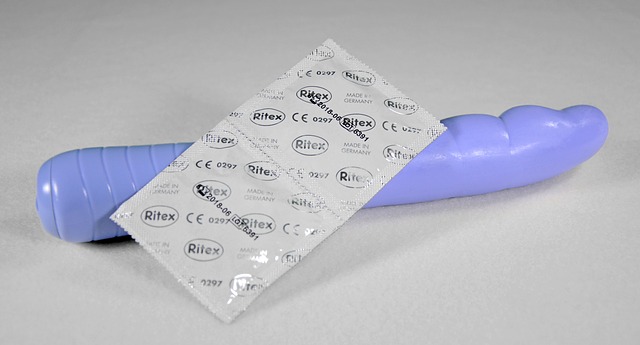
    Meanwhile, condom use dropped from 59 percent to 54 percent during this time frame. The researchers argued that teens need more education and access to condoms since rates of sexually transmitted diseases among young people are on the rise.

    The study also revealed that sexual violence among teens has become more common.

    In 2017, 10 percent of students reported experiencing sexual violence, such as forced kissing, touching or rape, in the past year.

    The proportion of young women exposed to this abuse was three times as high as among boys. The proportion of students who identified as gay, lesbian or bisexual who faced this sexual violence was also nearly three times as high as heterosexual teens.

    “Consent is a critical component of sex education, not only to prevent sexual violence, but to promote healthy communication and development of fulfilling relationships,” said Jesseca Boyer, a Guttmacher policy expert. “All young people need and have the right to information, education, skills and services to support their sexual and reproductive health and well-being.”

    WebMD News from HealthDay

    Sources

    SOURCE: The Guttmacher Institute, news release, Sept.  20, 2018

    Copyright © 2013-2018 HealthDay. All rights reserved.

    Read the article here

    Share this Post

    Share Explaining Medicine Share Explaining Medicine

    Fewer Teens Having Sex, Most Use Birth Control was last modified: September 28th, 2018 by WebMD

    Related

    birth controlcondomteens
    0 comment
    0
    Facebook Twitter Google + Pinterest
    WebMD

    previous post
    Contact Lenses May Harbor Serious, Blinding Infection
    next post
    Parents Fret Over Fussy Eaters – but What Works?

    Related Articles

    Scientists Probe Mystery of Premature Gray Hair

    May 3, 2018

    ‘Love Hormone’ Helps Dads and Babies Bond

    February 17, 2017

    BP Meds Tied to Pancreatic Cancer Risk in Women

    April 17, 2018

    If Republicans Repeal Obamacare, Ryan Has Replacement Blueprint

    November 21, 2016

    In Lab Turned Casino, Gambling Monkeys Help Scientists Find Risk-Taking Brain Area

    September 20, 2018

    Taming the Emotions That Come With Hepatitis C

    December 6, 2022

    Tiny Babies May Face Mental Health Problems Later

    February 13, 2017

    Pediatricians: Kids Need ‘Media Use Plan’ From Parents

    October 21, 2016

    “So You Want To Know How I Died” from Medicine the Musical

    February 1, 2018

    Doctors Prescribe More Generics When Drug Reps Are Kept At Bay

    May 2, 2017

    Recent Posts

    • Is It Dry Skin or Atopic Dermatitis?

      April 24, 2024
    • Atopic Dermatitis: How to Get Enough Sleep

      April 24, 2024
    • Atopic Dermatitis: Help for Broken Skin

      April 24, 2024
    • Atopic Dermatitis and Food Triggers

      April 24, 2024
    • What’s at stake as the Supreme Court hears Idaho case about abortion in emergencies

      April 23, 2024

    Keep in touch

    Facebook Twitter Google + RSS

    Recent Posts

    • Is It Dry Skin or Atopic Dermatitis?

      April 24, 2024
    • Atopic Dermatitis: How to Get Enough Sleep

      April 24, 2024
    • Atopic Dermatitis: Help for Broken Skin

      April 24, 2024
    • Atopic Dermatitis and Food Triggers

      April 24, 2024
    • What’s at stake as the Supreme Court hears Idaho case about abortion in emergencies

      April 23, 2024
    • Terms of Service
    • Privacy Policy

    @2026 - Explaining Medicine. All Right Reserved.


    Back To Top
    Explaining Medicine
    Proudly powered by WordPress Theme: soledad child.