Explaining Medicine
  • News
  • Health & Lifestyle
    • Diet & Weight Management
    • Exercise & Fitness
    • Nutrition, Food & Recipes
    • Prevention & Wellness
  • Conditions
    • Custom1
      • Conditions A-Z
      • Procedures A-Z
      • Allergies
      • Alzheimer’s
      • Arthritis
      • Asthma
      • Blood Pressure
      • Cholesterol
      • Cancer
    • Custom2
      • Chronic Pain
      • Cold Flu
      • Depression
      • Diabetes
      • Digestion
      • Eyesight
      • Health Living
      • Healthy Kids
      • Hearing Ear
    • Custom3
      • Heart
      • HIV/AIDS
      • Infectious Disease
      • Lung Conditions
      • Menopause
      • Men’s Health
      • Mental Health
      • Migraine
      • Neurology
    • Custom4
      • Oral Health
      • Pregnancy
      • Senior Health
      • Sexual Health
      • Skin Problems
      • Sleep
      • Thyroid
      • Travel Health
      • Women’s Health
  • Medications
    • Medications
    • Supplements and Vitamins
  • Medical Dictionary
  • Health Alerts
Flu shot recommendation for kids dropped just as...
The CDC just sidelined these childhood vaccines. Here’s...
Your next primary care doctor could be online...
In Lodge Grass, Montana, a Crow community works...
RFK Jr.’s new dietary guidelines go all in...
More seniors are becoming homeless. Shelters are trying...
Health officials slash the number of vaccines recommended...
Wegovy obesity pill now available at pharmacies
In the U.S., hunger is often hidden. But...
One doctor’s experience shows the battle for the...
Top Posts

Explaining Medicine

  • News
  • Health & Lifestyle
    • Diet & Weight Management
    • Exercise & Fitness
    • Nutrition, Food & Recipes
    • Prevention & Wellness
  • Conditions
    • Custom1
      • Conditions A-Z
      • Procedures A-Z
      • Allergies
      • Alzheimer’s
      • Arthritis
      • Asthma
      • Blood Pressure
      • Cholesterol
      • Cancer
    • Custom2
      • Chronic Pain
      • Cold Flu
      • Depression
      • Diabetes
      • Digestion
      • Eyesight
      • Health Living
      • Healthy Kids
      • Hearing Ear
    • Custom3
      • Heart
      • HIV/AIDS
      • Infectious Disease
      • Lung Conditions
      • Menopause
      • Men’s Health
      • Mental Health
      • Migraine
      • Neurology
    • Custom4
      • Oral Health
      • Pregnancy
      • Senior Health
      • Sexual Health
      • Skin Problems
      • Sleep
      • Thyroid
      • Travel Health
      • Women’s Health
  • Medications
    • Medications
    • Supplements and Vitamins
  • Medical Dictionary
  • Health Alerts
  • News

    Medical Detectives: The Last Hope For Families Coping With Rare Diseases

    by Lesley McClurg December 17, 2018

    Enlarge this image

    Seven-year-old Carson Miller (left), and his brother, 5-year-old Chase Miller (right), both have a degenerative brain disease called MEPAN syndrome. There are only 13 people in the world who have it. Courtesy of Andrew Ross-Perry hide caption

    toggle caption

    Courtesy of Andrew Ross-Perry

    Seven-year-old Carson Miller (left), and his brother, 5-year-old Chase Miller (right), both have a degenerative brain disease called MEPAN syndrome. There are only 13 people in the world who have it.

    Courtesy of Andrew Ross-Perry

    All over the country, specialized teams of doctors are giving hope to families who are desperately searching for a diagnosis.

    The medical sleuths, scattered across 12 clinics nationwide, form the Undiagnosed Disease Network. Since the program began in 2014, they’ve identified 31 previously unknown syndromes and they’ve cracked more than a third of their cases, according to a recent paper in the New England Journal of Medicine.

    “It was like Sherlock Holmes,” says Euan Ashley, a professor of medicine at Stanford University.” Patients would come with mystery diseases and we would try to solve them.”

    Scientists And Parents Band Together To Research Cures For Rare Childhood Cancer

    Shots – Health News

    Scientists And Parents Band Together To Research Cures For Rare Childhood Cancer

    Although rare diseases are individually very uncommon, collectively they are surprisingly pervasive. In fact, if grouped together into a single category, they afflict between 25 to 30 million Americans.

    For people coping with mystery conditions, finally getting a diagnosis can be life-saving or life-changing. Take the perplexing case of the two Miller boys from Marin County.

    A Four-Year Diagnostic Odyssey

    Five-year-old Chase and 7-year-old Carson have alert minds and radiant smiles but very uncooperative bodies. The blond, blue-eyed brothers are not able to sit, stand, speak, or feed themselves. They’ve spent their lives in wheelchairs.

    Even though they attend a mainstream elementary school and are cognitively functioning on par with their peers, they are both still in diapers. The boys require constant care at home and attentive individual aides in the classroom.

    When Carson was about a year old, he was misdiagnosed with cerebral palsy. Courtesy of Andrew Ross-Perry hide caption

    toggle caption

    Courtesy of Andrew Ross-Perry

    The boys’ parents, Nikki and Danny Miller, first noticed a problem seven years ago when their first son wasn’t reaching typical milestones like rolling over or crawling. Instead, they witnessed spastic movements and tiny hands repeatedly balling into fists. Babbling never turned into words.

    When Carson was about a year old, he was misdiagnosed with cerebral palsy. Then when the same developmental delays emerged in the Millers’ second-born, the parents started asking more questions, which led to a four-year diagnostic odyssey with countless inconclusive lab tests. One after another, specialists shrugged their shoulders.

    “It’s really tough because as a parent you blame yourself,” says Danny. “What did I do wrong? Is there something wrong with my genes?”

    Cracking the Case

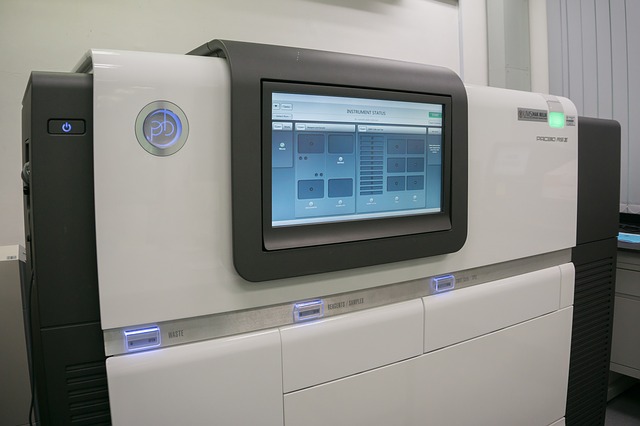
    Finally, two years ago Danny applied to the clinic at the Stanford Center for Undiagnosed Diseases. After reviewing the boys’ medical history, researchers ordered full genome sequencing for all four family members. Until recently this type of extensive testing was prohibitively expensive.

    “We’re rapidly moving to the point where it makes more sense to go straight to the genome rather than measuring one gene, then another, then another,” says Ashley as he pulls out his laptop to point out the clue within the family’s genetics.

    FDA Faulted For Lapses In Orphan Drug Program

    Shots – Health News

    FDA Faulted For Lapses In Orphan Drug Program

    The screen is divided into several rows and columns with long strings of letters that represent the human DNA code. Ashley points to a section in the MECR gene, which, when disrupted, alters the part of the brain that controls movement.

    “You can see in the colored section the same gene was hit by two variants, one from mom and one from dad,” he says. There is an incorrect letter in the boys’ genetic code. “One letter of 6 billion can cause these incredibly devastating diseases,” Ashley says.

    Chase Miller plays at the park with his mom and older brother. Courtesy of Andrew Ross-Perry hide caption

    toggle caption

    Courtesy of Andrew Ross-Perry

    Neither of the boys’ two copies of the gene works properly, which is why Carson and Chase have a brain disease called MEPAN syndrome. Only 13 people in the world are currently known to have it, and there is only one published scientific paper on it, says Ashley.

    “Currently, there is no treatment for MEPAN, but Danny and Nikki are hoping a heavy cocktail of vitamins and supplements will slow down the disease from progressing and further limiting the boys’ ability to move. The parents also take the boys to physical, occupational, and speech therapy to strengthen their muscles and teach them life skills. The boys communicate with computers attached to their wheelchairs.

    Discovering what was wrong was only a single step on the family’s journey, though a crucial one. A diagnosis is key to refining treatment and potentially attracting more scientific interest, which may someday lead to a cure.

    Father Danny Miller’s voice cracks as he contemplates the road ahead.

    “Recently at school Carson built a sentence that said, ‘I hate my wheelchair,’ ” recalls Danny. “Because I know that he wants to be up running around, playing tag, and hide and seek with the other kids. That may not be the way things work out. But I’m going to do everything in my power to try and make sure that does happen.”

    Read the article here

    Share this Post

    Share Explaining Medicine Share Explaining Medicine

    Medical Detectives: The Last Hope For Families Coping With Rare Diseases was last modified: December 25th, 2018 by Lesley McClurg

    Related

    DNAgenome sequencingrare diseasesstanford
    0 comment
    0
    Facebook Twitter Google + Pinterest
    Lesley McClurg

    previous post
    Teen Vaping Soared In 2018
    next post
    What You Need To Know About The Affordable Care Act After Texas Ruling

    Related Articles

    Mumps Outbreak in Washington State

    January 26, 2017

    Hospital Companions Can Ease Isolation For Older People

    November 21, 2016

    For Supersized Cities, the More Trees the Better

    January 19, 2018

    As Opioid Epidemic Rages, Painkiller Prescriptions Don’t Drop

    August 2, 2018

    Distrust Of Health Care System May Keep Black Men Away From Prostate Cancer Research

    October 17, 2018

    A physician volunteered for his hospital’s board. He was sued for millions.

    February 13, 2018

    What physicians should know about Bitcoin but were afraid to ask

    January 4, 2018

    Heart Disease Affects Far More Than the Heart

    February 14, 2017

    Animal Feces Found in Counterfeit Makeup

    April 16, 2018

    Clots May Be the Cause of Fainting in Some Elderly

    October 19, 2016

    Recent Posts

    • Flu shot recommendation for kids dropped just as the illness rages

      January 12, 2026
    • The CDC just sidelined these childhood vaccines. Here’s what they prevent

      January 9, 2026
    • Your next primary care doctor could be online only, accessed through an AI tool

      January 9, 2026
    • In Lodge Grass, Montana, a Crow community works to rebuild from meth’s destruction

      January 8, 2026
    • RFK Jr.’s new dietary guidelines go all in on meat and dairy

      January 7, 2026

    Keep in touch

    Facebook Twitter Google + RSS

    Recent Posts

    • Flu shot recommendation for kids dropped just as the illness rages

      January 12, 2026
    • The CDC just sidelined these childhood vaccines. Here’s what they prevent

      January 9, 2026
    • Your next primary care doctor could be online only, accessed through an AI tool

      January 9, 2026
    • In Lodge Grass, Montana, a Crow community works to rebuild from meth’s destruction

      January 8, 2026
    • RFK Jr.’s new dietary guidelines go all in on meat and dairy

      January 7, 2026
    • Terms of Service
    • Privacy Policy

    @2026 - Explaining Medicine. All Right Reserved.


    Back To Top
    Explaining Medicine
    Proudly powered by WordPress Theme: soledad child.