Explaining Medicine
  • News
  • Health & Lifestyle
    • Diet & Weight Management
    • Exercise & Fitness
    • Nutrition, Food & Recipes
    • Prevention & Wellness
  • Conditions
    • Custom1
      • Conditions A-Z
      • Procedures A-Z
      • Allergies
      • Alzheimer’s
      • Arthritis
      • Asthma
      • Blood Pressure
      • Cholesterol
      • Cancer
    • Custom2
      • Chronic Pain
      • Cold Flu
      • Depression
      • Diabetes
      • Digestion
      • Eyesight
      • Health Living
      • Healthy Kids
      • Hearing Ear
    • Custom3
      • Heart
      • HIV/AIDS
      • Infectious Disease
      • Lung Conditions
      • Menopause
      • Men’s Health
      • Mental Health
      • Migraine
      • Neurology
    • Custom4
      • Oral Health
      • Pregnancy
      • Senior Health
      • Sexual Health
      • Skin Problems
      • Sleep
      • Thyroid
      • Travel Health
      • Women’s Health
  • Medications
    • Medications
    • Supplements and Vitamins
  • Medical Dictionary
  • Health Alerts
Flu shot recommendation for kids dropped just as...
The CDC just sidelined these childhood vaccines. Here’s...
Your next primary care doctor could be online...
In Lodge Grass, Montana, a Crow community works...
RFK Jr.’s new dietary guidelines go all in...
More seniors are becoming homeless. Shelters are trying...
Health officials slash the number of vaccines recommended...
Wegovy obesity pill now available at pharmacies
In the U.S., hunger is often hidden. But...
One doctor’s experience shows the battle for the...
Top Posts

Explaining Medicine

  • News
  • Health & Lifestyle
    • Diet & Weight Management
    • Exercise & Fitness
    • Nutrition, Food & Recipes
    • Prevention & Wellness
  • Conditions
    • Custom1
      • Conditions A-Z
      • Procedures A-Z
      • Allergies
      • Alzheimer’s
      • Arthritis
      • Asthma
      • Blood Pressure
      • Cholesterol
      • Cancer
    • Custom2
      • Chronic Pain
      • Cold Flu
      • Depression
      • Diabetes
      • Digestion
      • Eyesight
      • Health Living
      • Healthy Kids
      • Hearing Ear
    • Custom3
      • Heart
      • HIV/AIDS
      • Infectious Disease
      • Lung Conditions
      • Menopause
      • Men’s Health
      • Mental Health
      • Migraine
      • Neurology
    • Custom4
      • Oral Health
      • Pregnancy
      • Senior Health
      • Sexual Health
      • Skin Problems
      • Sleep
      • Thyroid
      • Travel Health
      • Women’s Health
  • Medications
    • Medications
    • Supplements and Vitamins
  • Medical Dictionary
  • Health Alerts
  • News

    No More, Needles? Patch Could Monitor Blood Sugar

    by WebMD January 4, 2018

    HealthDay Reporter

    THURSDAY, Jan. 4, 2018 (HealthDay News) — Developers of a new patch hope to eliminate a big barrier in type 2 diabetes treatment — painful finger sticks and injections.

    The new patch — which actually uses an array of tiny needles that researchers promise are pain-free — senses when blood sugar levels are rising and then releases medication to bring those elevated levels back down.

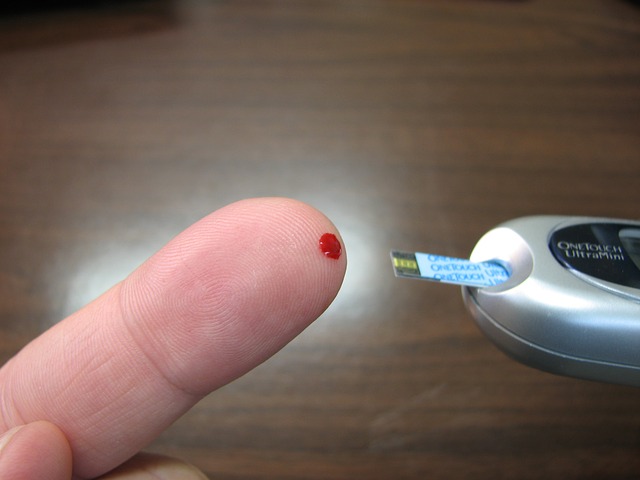
    That means the patch could end the need to draw blood from your fingertips to check your blood sugar level. It could also eliminate the needles used to administer insulin or other diabetes medications.

    “This type of disposable patch is expected to control blood glucose levels for a week,” said the study’s senior author, Xiaoyuan (Shawn) Chen, chief of the laboratory of molecular imaging and nanomedicine at the U.S. National Institute of Biomedical Imaging and Bioengineering in Bethesda, Md.

    “It will not complicate the routines of daily living,” Chen said.

    Though the patch looks promising, so far it’s been tested only on 21 mice with type 2 diabetes. Results from animal trials aren’t always equaled in human trials.

    The patch contains chemicals that sense rising blood sugar levels. When that happens, a medication called exendin-4 is released to trigger the body to produce insulin until blood sugar levels start to fall.

    Exendin-4 is part of a class of drugs called GLP-1 receptor agonists. It’s currently on the market in the United States as Byetta, a twice-daily injection. Other drugs in this class of injectable medications include Trulicity and Bydureon, which are weekly injections, and Victoza, which is a daily injection, according to the American Diabetes Association.

    For the patch, exendin-4 is combined with alginate, a gum-like material extracted from brown algae. This mixture is then poured into microneedle form and loaded onto the patch.

    The patch tested on the mice was about a half-inch square, according to the researchers. It contained enough medication for a week.

    “We achieved a smart, long-acting and glucose-responsive exendin-4 release,” Chen said.

    He noted that some of the mice had inflammation at the site of the patch. In humans, nausea and vomiting are known side effects of the drug, but the researchers believe that the release of exendin-4 is slow enough that it won’t cause those side effects.

    Continued

    The next step is to make a larger patch with more needles, Chen explained. The researchers will also need to create longer needles to penetrate human skin.

    Dr. Joel Zonszein, director of the Clinical Diabetes Center at Montefiore Medical Center in New York City, said it looked like the patch worked well in the study.

    “But it’s a big stretch from mice to even trying something like this in humans and getting approved by the [U.S. Food and Drug Administration],” said Zonszein, who wasn’t involved with the study.

    Still, he said, the patch itself is a very good idea, and the beauty of it would be that it wouldn’t require people with diabetes to spend a lot of time managing their disease.

    However, Zonszein pointed out that oral versions of GLP-1 drugs are in clinical trials and will compete with injections in the not-far-off future.

    Also, while the patch idea is interesting, “exendin-4 is the wrong medication,” Zonszein said. If researchers could figure out how to make the patch with insulin, he said, that would likely be a better option, though the required doses of insulin might be too large to fit in the patch.

    Results of the researchers’ study on the patch treatment on mice were published online recently in Nature Communications.


    WebMD News from HealthDay

    Sources

    SOURCES: Xiaoyuan (Shawn) Chen, Ph.D., chief, laboratory of molecular imaging and nanomedicine, U.S. National Institute of Biomedical Imaging and Bioengineering, Bethesda, Md.; Joel Zonszein, M.D., director, Clinical Diabetes Center, Montefiore Medical Center, New York City;Nature Communications, Nov. 24, 2017, online

    Copyright © 2013-2017 HealthDay. All rights reserved.

    Read the article here

    Share this Post

    Share Explaining Medicine Share Explaining Medicine

    No More, Needles? Patch Could Monitor Blood Sugar was last modified: January 10th, 2018 by WebMD

    Related

    blood sugar levelscheck your blood sugarinsulinmedicationpaintype 2 diabetes treatment
    0 comment
    0
    Facebook Twitter Google + Pinterest
    WebMD

    previous post
    Most U.S. Babies Start Solid Foods Too Soon
    next post
    Is It Flu, Or Flu-Like? The Difference Matters

    Related Articles

    Skin Cancer on the Lip is Especially Dangerous

    August 20, 2018

    Eye Cream to Help Reduce Fine Lines and Wrinkles

    March 4, 2019

    What care should you take after your embryo transfer ?

    May 5, 2018

    A Dermatologist and Skin Wellness Expert Turns 60

    September 7, 2018

    Solving major problems in medicine through innovation

    January 18, 2018

    Head Injuries Hit 1 in 14 Kids, CDC Reports

    February 9, 2018

    Brain-Training May Help Ease Ringing in the Ears

    January 19, 2017

    Tips for Navigating Metastatic Breast Cancer

    February 4, 2024

    Do DIY Medical Tests Promise More Than They Can Deliver?

    May 28, 2018

    Study: Even Older Drugs Getting Steep Price Hikes

    January 8, 2019

    Recent Posts

    • Flu shot recommendation for kids dropped just as the illness rages

      January 12, 2026
    • The CDC just sidelined these childhood vaccines. Here’s what they prevent

      January 9, 2026
    • Your next primary care doctor could be online only, accessed through an AI tool

      January 9, 2026
    • In Lodge Grass, Montana, a Crow community works to rebuild from meth’s destruction

      January 8, 2026
    • RFK Jr.’s new dietary guidelines go all in on meat and dairy

      January 7, 2026

    Keep in touch

    Facebook Twitter Google + RSS

    Recent Posts

    • Flu shot recommendation for kids dropped just as the illness rages

      January 12, 2026
    • The CDC just sidelined these childhood vaccines. Here’s what they prevent

      January 9, 2026
    • Your next primary care doctor could be online only, accessed through an AI tool

      January 9, 2026
    • In Lodge Grass, Montana, a Crow community works to rebuild from meth’s destruction

      January 8, 2026
    • RFK Jr.’s new dietary guidelines go all in on meat and dairy

      January 7, 2026
    • Terms of Service
    • Privacy Policy

    @2026 - Explaining Medicine. All Right Reserved.


    Back To Top
    Explaining Medicine
    Proudly powered by WordPress Theme: soledad child.