Explaining Medicine
  • News
  • Health & Lifestyle
    • Diet & Weight Management
    • Exercise & Fitness
    • Nutrition, Food & Recipes
    • Prevention & Wellness
  • Conditions
    • Custom1
      • Conditions A-Z
      • Procedures A-Z
      • Allergies
      • Alzheimer’s
      • Arthritis
      • Asthma
      • Blood Pressure
      • Cholesterol
      • Cancer
    • Custom2
      • Chronic Pain
      • Cold Flu
      • Depression
      • Diabetes
      • Digestion
      • Eyesight
      • Health Living
      • Healthy Kids
      • Hearing Ear
    • Custom3
      • Heart
      • HIV/AIDS
      • Infectious Disease
      • Lung Conditions
      • Menopause
      • Men’s Health
      • Mental Health
      • Migraine
      • Neurology
    • Custom4
      • Oral Health
      • Pregnancy
      • Senior Health
      • Sexual Health
      • Skin Problems
      • Sleep
      • Thyroid
      • Travel Health
      • Women’s Health
  • Medications
    • Medications
    • Supplements and Vitamins
  • Medical Dictionary
  • Health Alerts
Flu shot recommendation for kids dropped just as...
The CDC just sidelined these childhood vaccines. Here’s...
Your next primary care doctor could be online...
In Lodge Grass, Montana, a Crow community works...
RFK Jr.’s new dietary guidelines go all in...
More seniors are becoming homeless. Shelters are trying...
Health officials slash the number of vaccines recommended...
Wegovy obesity pill now available at pharmacies
In the U.S., hunger is often hidden. But...
One doctor’s experience shows the battle for the...
Top Posts

Explaining Medicine

  • News
  • Health & Lifestyle
    • Diet & Weight Management
    • Exercise & Fitness
    • Nutrition, Food & Recipes
    • Prevention & Wellness
  • Conditions
    • Custom1
      • Conditions A-Z
      • Procedures A-Z
      • Allergies
      • Alzheimer’s
      • Arthritis
      • Asthma
      • Blood Pressure
      • Cholesterol
      • Cancer
    • Custom2
      • Chronic Pain
      • Cold Flu
      • Depression
      • Diabetes
      • Digestion
      • Eyesight
      • Health Living
      • Healthy Kids
      • Hearing Ear
    • Custom3
      • Heart
      • HIV/AIDS
      • Infectious Disease
      • Lung Conditions
      • Menopause
      • Men’s Health
      • Mental Health
      • Migraine
      • Neurology
    • Custom4
      • Oral Health
      • Pregnancy
      • Senior Health
      • Sexual Health
      • Skin Problems
      • Sleep
      • Thyroid
      • Travel Health
      • Women’s Health
  • Medications
    • Medications
    • Supplements and Vitamins
  • Medical Dictionary
  • Health Alerts
  • News

    This surgeon changed his mind about having more support

    by Dave Redd MD May 1, 2018

    I was in my surgical residency back in the days of “you can go home when the work is done.” A few years before I arrived as an intern, one of my attending surgeons had decided he was going to jump on the trauma train. Trauma was in its infancy back then, and he was convinced (and rightly so) that patients could be greatly helped with this relatively new concept of the “golden hour.” I remember hearing stories of him taking a trip to Baltimore’s Shock Trauma Center, and when he returned he was full of great ideas. He designed an incredible system for our program including three helicopters and a dedicated trauma room where the residents ran the show. By the time I arrived in the program, the program was running like a Swiss watch.

    I learned how to treat and manage a trauma victim from the guys over me. There was always a trauma team on call, and that team consisted of two interns, a second year, and a third- or fourth-year resident as well as two trauma nurses and various other ancillary hospital personnel. The third- or fourth-year guy was the captain of the ship in that room. He had one job, and that was to stand on a four-foot high box and watch everything “from above.” He watched as the team carried out it’s assigned duties, and then he directed procedures as needed. When it came to be my turn on the box, I immediately understood the genius of having the senior man in the room looking at the trauma and the trauma team’s moves from a different point of view. It gave him a perspective that he didn’t have from “ground level.”

    For most of our medical careers, we doctors have a ground level perspective. We are slugging it out in the daily grind and never get much above that level. But when you reach the age of retirement, your point of view begins to take on a higher view; it looks more like the view of the “man on the box.” You look around you and see things you haven’t ever seen before. You realize that not only has health care changed, but you have changed, too. So when someone asked me the other day, “What’s one thing you have changed your mind about since you started in surgery?” I had to think a bit before I answered.

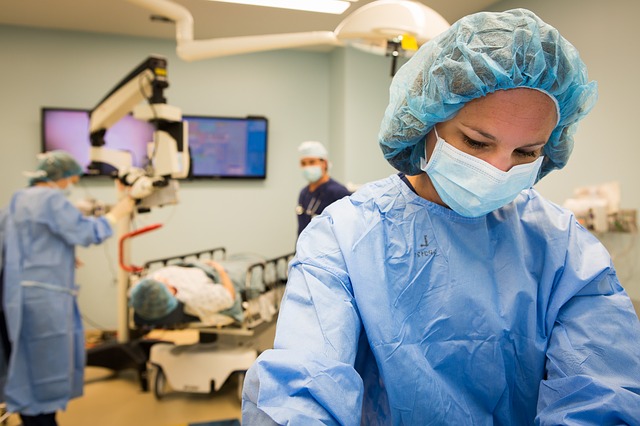
    Having trained in that bygone era, I was of the mindset that surgeons pretty much did it all. They operated, made rounds twice a day, if possible, and made all the treatment decisions. But I watched as my colleagues began to hire helpers. Helpers who became more than just assistants in the OR, they began to take over some of those functions like rounding and medication decisions. I realized that these were well-trained people who were very capable. In many ways, they freed up the doctor to doctor better.

    Lately, I have had the privilege of working with several bright and conscientious nurse practitioners who have convinced me with their brains and skills that they are up to the task. They are aware of their limitations and are thankful for a physician supervisor. My oldest daughter is a nurse anesthetist and does an amazing job in the OR, but there are times when she “calls for back-up” from the anesthesiologist and she is grateful for their expertise.

    Much has changed since I started as a surgical resident. Most things have changed for the worse because the patient-doctor relationship has suffered from the changes in health care and health insurance. But I am now of the opinion that the patient-doctor bond has strengthened because the doctor no longer needs to do it all. That does not mean he can become a glorified technician in the OR, he must still see his patients and their families and still take care of himself and his own family, but now he’s able to that even better.

    Read the article here

    Share this Post

    Share Explaining Medicine Share Explaining Medicine

    This surgeon changed his mind about having more support was last modified: May 5th, 2018 by Dave Redd MD

    Related

    surgery
    0 comment
    0
    Facebook Twitter Google + Pinterest
    Dave Redd MD

    previous post
    Even a ‘Bad’ Flu Vaccine Could Save 61,000 Lives
    next post
    Mid-Life Stresses May Be Tied to Late-Life Dementia Risk

    Related Articles

    7 habits to live a healthier life, inspired by the world’s longest-lived communities

    September 9, 2023

    A Doctor Who Weathered Katrina Now Tends Victims Of Harvey

    September 5, 2017

    Study: Movie Violence Doesn’t Make Kids Violent

    January 18, 2019

    Jury Still Out on Probiotics

    July 17, 2018

    When physicians are cyberbullied: an interview with ZDoggMD

    May 2, 2019

    What should we do about male-pattern hair growth on females?

    March 18, 2019

    CDC to Docs: As Flu Spikes, Ready The Antivirals

    December 29, 2017

    Daily Aspirin Has Heart Benefits, But Risks Too

    March 1, 2018

    Unlike Humans, Bonobos Shun Helpers And Befriend The Bullies

    January 4, 2018

    Why medical students should not let medicine define them

    October 31, 2018

    Recent Posts

    • Flu shot recommendation for kids dropped just as the illness rages

      January 12, 2026
    • The CDC just sidelined these childhood vaccines. Here’s what they prevent

      January 9, 2026
    • Your next primary care doctor could be online only, accessed through an AI tool

      January 9, 2026
    • In Lodge Grass, Montana, a Crow community works to rebuild from meth’s destruction

      January 8, 2026
    • RFK Jr.’s new dietary guidelines go all in on meat and dairy

      January 7, 2026

    Keep in touch

    Facebook Twitter Google + RSS

    Recent Posts

    • Flu shot recommendation for kids dropped just as the illness rages

      January 12, 2026
    • The CDC just sidelined these childhood vaccines. Here’s what they prevent

      January 9, 2026
    • Your next primary care doctor could be online only, accessed through an AI tool

      January 9, 2026
    • In Lodge Grass, Montana, a Crow community works to rebuild from meth’s destruction

      January 8, 2026
    • RFK Jr.’s new dietary guidelines go all in on meat and dairy

      January 7, 2026
    • Terms of Service
    • Privacy Policy

    @2026 - Explaining Medicine. All Right Reserved.


    Back To Top
    Explaining Medicine
    Proudly powered by WordPress Theme: soledad child.