Explaining Medicine
  • News
  • Health & Lifestyle
    • Diet & Weight Management
    • Exercise & Fitness
    • Nutrition, Food & Recipes
    • Prevention & Wellness
  • Conditions
    • Custom1
      • Conditions A-Z
      • Procedures A-Z
      • Allergies
      • Alzheimer’s
      • Arthritis
      • Asthma
      • Blood Pressure
      • Cholesterol
      • Cancer
    • Custom2
      • Chronic Pain
      • Cold Flu
      • Depression
      • Diabetes
      • Digestion
      • Eyesight
      • Health Living
      • Healthy Kids
      • Hearing Ear
    • Custom3
      • Heart
      • HIV/AIDS
      • Infectious Disease
      • Lung Conditions
      • Menopause
      • Men’s Health
      • Mental Health
      • Migraine
      • Neurology
    • Custom4
      • Oral Health
      • Pregnancy
      • Senior Health
      • Sexual Health
      • Skin Problems
      • Sleep
      • Thyroid
      • Travel Health
      • Women’s Health
  • Medications
    • Medications
    • Supplements and Vitamins
  • Medical Dictionary
  • Health Alerts
Flu shot recommendation for kids dropped just as...
The CDC just sidelined these childhood vaccines. Here’s...
Your next primary care doctor could be online...
In Lodge Grass, Montana, a Crow community works...
RFK Jr.’s new dietary guidelines go all in...
More seniors are becoming homeless. Shelters are trying...
Health officials slash the number of vaccines recommended...
Wegovy obesity pill now available at pharmacies
In the U.S., hunger is often hidden. But...
One doctor’s experience shows the battle for the...
Top Posts

Explaining Medicine

  • News
  • Health & Lifestyle
    • Diet & Weight Management
    • Exercise & Fitness
    • Nutrition, Food & Recipes
    • Prevention & Wellness
  • Conditions
    • Custom1
      • Conditions A-Z
      • Procedures A-Z
      • Allergies
      • Alzheimer’s
      • Arthritis
      • Asthma
      • Blood Pressure
      • Cholesterol
      • Cancer
    • Custom2
      • Chronic Pain
      • Cold Flu
      • Depression
      • Diabetes
      • Digestion
      • Eyesight
      • Health Living
      • Healthy Kids
      • Hearing Ear
    • Custom3
      • Heart
      • HIV/AIDS
      • Infectious Disease
      • Lung Conditions
      • Menopause
      • Men’s Health
      • Mental Health
      • Migraine
      • Neurology
    • Custom4
      • Oral Health
      • Pregnancy
      • Senior Health
      • Sexual Health
      • Skin Problems
      • Sleep
      • Thyroid
      • Travel Health
      • Women’s Health
  • Medications
    • Medications
    • Supplements and Vitamins
  • Medical Dictionary
  • Health Alerts
  • Slideshows

    Chocolate: The History and Our Infatuation With Chocolate

    by explainingmedicine October 14, 2016

    Chocolate Is Today's Healthy Treat

    Chocolate. There are few foods that evoke as much passion as this decadent treat. Folklore from many cultures claimed that consuming chocolate instilled faith, health, strength, and sexual passion. Once an indulgence of royalty, it is now a treasured and accessible – and yes, even healthy – treat. So where did our infatuation with chocolate begin?
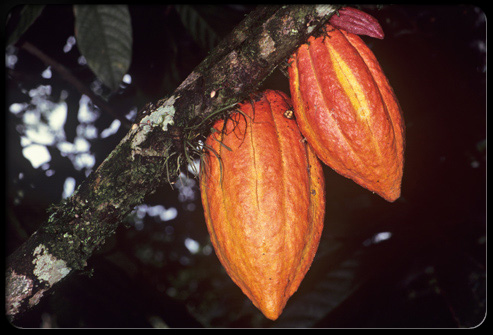

    Where Does Chocolate Come From?

    The cacao tree, whose pods contain seeds that can be processed into chocolate, was discovered 2,000 years ago in the tropical rainforests of the Americas. The first people known to have consumed cacao were the Classic Period Maya (250-900 A.D.). They mixed ground cacao (cocoa) seeds with seasonings to make a bitter, spicy drink that was believed to be a health elixir.

    What Was Chocolate's Great Allure?

    To the Mayans, cocoa pods symbolized life and fertility. The pod was often represented in religious rituals, including marriage ceremonies, and was referred to as food of the gods. In central Mexico, the Aztecs believed that wisdom and power came from eating the fruit of the cocoa tree, and that it had nourishing, fortifying, and even aphrodisiac qualities.

    Europeans Are Charmed by Chocolate

    Europeans got their first taste of chocolate in 1519, when Montezuma offered the spicy drink to Spanish explorer Cortés and his army. The Spanish conquistadors brought cocoa seeds back to Spain, where they introduced new spices and sugar to the liquid concoction. The fad drink spread throughout Europe, where it remained a beverage of the elite for centuries.

    Chocolate's Seductive Reputation

    Chocolate’s reputation as an aphrodisiac flourished in the French royal court. Erotic art and literature were inspired by the seductive substance. Casanova, the infamous womanizer, made a habit of drinking chocolate before his romantic escapades. Even today, romantic lore commonly identifies chocolate as an aphrodisiac.

    Chocolate Goes Global

    The first machine-made chocolate was produced in Barcelona in 1780, paving the way for the mass production of chocolate. Later, mechanical inventions made it possible to produce smooth, creamy, solid chocolate for eating -- not just the liquid for drinking. The first solid chocolate bar was developed by British chocolate maker Fry & Sons in the early 1800s.

    Chocolate Gifts on Valentine's Day

    "It's believed that during the 17th century, lovers began exchanging mementos on Valentine's Day – sweet treats were one of them. In 1868, the first Valentine's Day box of chocolates was introduced [by Richard Cadbury]," says Susan L. Fussell, senior director of communications for the National Confectioners Association.

    Three Cheers for Chocolate!

    In 1875, the first milk chocolate was introduced to the market by Daniel Peter of Switzerland. Chocolate became so popular around the world that even during World War II the U.S. government shipped cocoa beans to the troops. Today, the U.S. Army includes chocolate bars in their rations. Chocolate has even been taken into space as part of the diet of U.S. astronauts.

    Is Chocolate Really an Aphrodisiac?

    Not really, even though throughout its history, chocolate has been purported as one. Chocolate contains small amounts of a chemical called phenylethylamine (PEA), a.k.a. the "love drug," and it's been linked to the regulation of physical energy, mood, and attention. A tiny amount of PEA is released at moments of emotional euphoria, elevating blood pressure and heart rate. There is no evidence that PEA found in foods increases PEA in the brain – although many chocolate lovers may beg to differ!

    Chocolate Makes Health Headlines

    Dark chocolate (as opposed to milk or white chocolate) contains healthful flavonoids similar to those found in tea, red wine, fruits, and vegetables. Studies have shown that dark chocolate can improve blood vessel flow and may improve blood sugar and insulin sensitivity to help reduce the risk of diabetes. But beware, chocolate candy has plenty of saturated fat and sugar, so enjoy small portions of as part of a healthy diet.

    0 comment
    0
    Facebook Twitter Google + Pinterest
    explainingmedicine

    previous post
    2008 Airport Food Review: Ranking of the Nation’s 15 Busiest Airports
    next post
    Fast-Food Breakfasts: See the Best & Worst

    Related Articles

    Alzheimer’s Disease: 13 Myths About Alzheimer’s

    October 14, 2016

    Lung Cancer: Causes, Symptoms, Types and Treatment

    October 14, 2016

    10 Worst Cities for Spring Allergies: Is Your City a Spring Allergy Capital?

    October 14, 2016

    Heart Disease: Causes of a Heart Attack

    October 14, 2016

    High-Protein Diets: Good or Bad?

    October 14, 2016

    Fast-Food Breakfasts: See the Best & Worst

    October 14, 2016

    Men’s Diet: Worst Foods for Your Belly

    October 14, 2016

    Parenting: 10 Mistakes New Parents Make

    October 14, 2016

    Ovulation & Fertility: Facts to Help You Get Pregnant

    October 14, 2016

    Cold & Flu : The 13 Germiest Places You Need to Know

    October 14, 2016

    Recent Posts

    • Flu shot recommendation for kids dropped just as the illness rages

      January 12, 2026
    • The CDC just sidelined these childhood vaccines. Here’s what they prevent

      January 9, 2026
    • Your next primary care doctor could be online only, accessed through an AI tool

      January 9, 2026
    • In Lodge Grass, Montana, a Crow community works to rebuild from meth’s destruction

      January 8, 2026
    • RFK Jr.’s new dietary guidelines go all in on meat and dairy

      January 7, 2026

    Keep in touch

    Facebook Twitter Google + RSS

    Recent Posts

    • Flu shot recommendation for kids dropped just as the illness rages

      January 12, 2026
    • The CDC just sidelined these childhood vaccines. Here’s what they prevent

      January 9, 2026
    • Your next primary care doctor could be online only, accessed through an AI tool

      January 9, 2026
    • In Lodge Grass, Montana, a Crow community works to rebuild from meth’s destruction

      January 8, 2026
    • RFK Jr.’s new dietary guidelines go all in on meat and dairy

      January 7, 2026
    • Terms of Service
    • Privacy Policy

    @2026 - Explaining Medicine. All Right Reserved.


    Back To Top
    Explaining Medicine
    Proudly powered by WordPress Theme: soledad child.