Explaining Medicine
  • News
  • Health & Lifestyle
    • Diet & Weight Management
    • Exercise & Fitness
    • Nutrition, Food & Recipes
    • Prevention & Wellness
  • Conditions
    • Custom1
      • Conditions A-Z
      • Procedures A-Z
      • Allergies
      • Alzheimer’s
      • Arthritis
      • Asthma
      • Blood Pressure
      • Cholesterol
      • Cancer
    • Custom2
      • Chronic Pain
      • Cold Flu
      • Depression
      • Diabetes
      • Digestion
      • Eyesight
      • Health Living
      • Healthy Kids
      • Hearing Ear
    • Custom3
      • Heart
      • HIV/AIDS
      • Infectious Disease
      • Lung Conditions
      • Menopause
      • Men’s Health
      • Mental Health
      • Migraine
      • Neurology
    • Custom4
      • Oral Health
      • Pregnancy
      • Senior Health
      • Sexual Health
      • Skin Problems
      • Sleep
      • Thyroid
      • Travel Health
      • Women’s Health
  • Medications
    • Medications
    • Supplements and Vitamins
  • Medical Dictionary
  • Health Alerts
Flu shot recommendation for kids dropped just as...
The CDC just sidelined these childhood vaccines. Here’s...
Your next primary care doctor could be online...
In Lodge Grass, Montana, a Crow community works...
RFK Jr.’s new dietary guidelines go all in...
More seniors are becoming homeless. Shelters are trying...
Health officials slash the number of vaccines recommended...
Wegovy obesity pill now available at pharmacies
One doctor’s experience shows the battle for the...
In the U.S., hunger is often hidden. But...
Top Posts

Explaining Medicine

  • News
  • Health & Lifestyle
    • Diet & Weight Management
    • Exercise & Fitness
    • Nutrition, Food & Recipes
    • Prevention & Wellness
  • Conditions
    • Custom1
      • Conditions A-Z
      • Procedures A-Z
      • Allergies
      • Alzheimer’s
      • Arthritis
      • Asthma
      • Blood Pressure
      • Cholesterol
      • Cancer
    • Custom2
      • Chronic Pain
      • Cold Flu
      • Depression
      • Diabetes
      • Digestion
      • Eyesight
      • Health Living
      • Healthy Kids
      • Hearing Ear
    • Custom3
      • Heart
      • HIV/AIDS
      • Infectious Disease
      • Lung Conditions
      • Menopause
      • Men’s Health
      • Mental Health
      • Migraine
      • Neurology
    • Custom4
      • Oral Health
      • Pregnancy
      • Senior Health
      • Sexual Health
      • Skin Problems
      • Sleep
      • Thyroid
      • Travel Health
      • Women’s Health
  • Medications
    • Medications
    • Supplements and Vitamins
  • Medical Dictionary
  • Health Alerts
  • Slideshows

    Dental Health: The Ugly Truth About Your Toothbrush

    by explainingmedicine October 14, 2016

    Do You Know What's Lurking on Your Toothbrush?

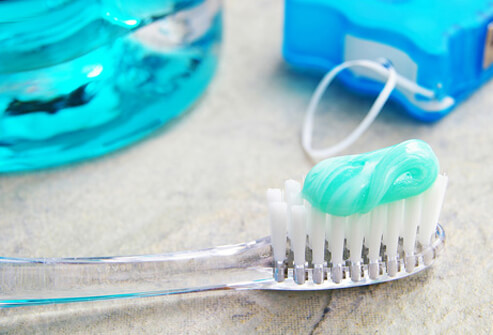
    Your toothbrush is home to more than 100 million bacteria including E. coli and staphylococci (Staph) bacteria, according to researchers at the University of Manchester in England. And the University of Alabama at Birmingham found that fecal germs were on your toothbrushes too.

    All that sounds gross, but you needn't panic. Your mouth is also full of bacteria and your toothbrush probably won't make you sick, but there are ways to keep it clean so you stay healthy.
    Mouthful of Bacteria

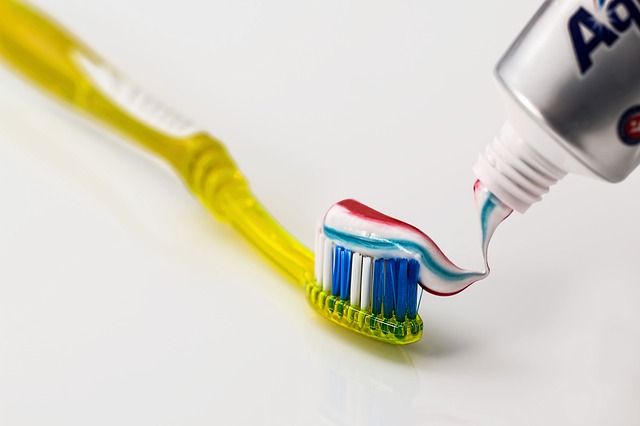
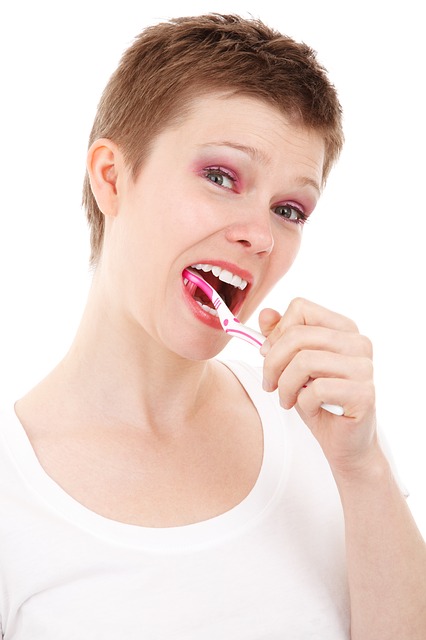
    "There (are) hundreds of microorganisms in our mouths every day," says Gayle McCombs, RDH, MS, associate professor and director of the Dental Hygiene Research Center at Old Dominion University.

    Even plaque – the stuff you are trying to brush off your teeth – is a type of bacteria.

    None of this is cause for concern unless there is an unhealthy balance of bacteria in the mouth.

    How Brushing Your Teeth Hurts

    Brushing your teeth, particularly with an electric toothbrush, can actually push germs under your gums, says R. Thomas Glass, DDS, PhD, professor of dentistry and pathology at Oklahoma State University Center for Health Sciences.

    Most of these germs already exist in your mouth so you probably won't get sick from them. However, if others use your toothbrush (or you use someone else's) germs can be spread.

    The thing to worry about is recurring illness. "When your resistance is low, that's when this becomes clinically important," he says. "In essence, you are re-infecting yourself," says Glass.

    Could Your Toothbrush Be Making You Sick?

    You probably won't get an infection from your own toothbrush. Even if your brush is covered in bacteria, your immune system can usually take care of any bacterial invaders. However, you should still care for your toothbrush properly and keep it clean. The following slides discuss some ways to care for and store your toothbrush properly to minimize the chance of illness.

    Don't Brush Where You Flush

    Where you store your toothbrush in your bathroom is important. In most bathrooms, the toilet is very close to the sink, where most people keep their toothbrushes. Every time you flush, bacteria are released into the air – and you don't want that bacteria to get on your toothbrush.

    "It's just common sense to store your toothbrush as far away from the toilet as possible," says McCombs. Keep it in a medicine cabinet if possible, and always close the toilet lid before flushing to minimize the spread of bacteria onto your toothbrush.

    Toothbrush Holders

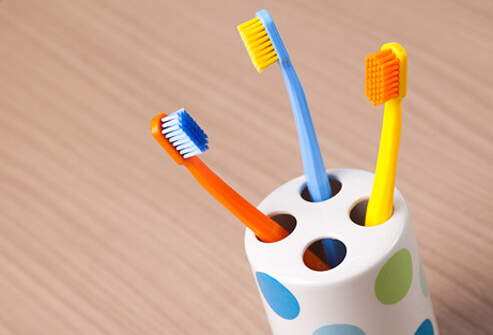
    Toothbrush holders as well can pick up bacteria that are spread by toilet flushing. A study by the National Sanitation Foundation (NSF) found that toothbrush holders are the third-most germy household items (behind dish sponges and kitchen sinks). Remember to clean your toothbrush holder regularly to remove germs.

    Toothbrush Storage Tips

    After you've moved your toothbrush as far from the toilet as possible, and cleaned your toothbrush holder, here are some storage tips to keep your toothbrush as germ-free as possible:

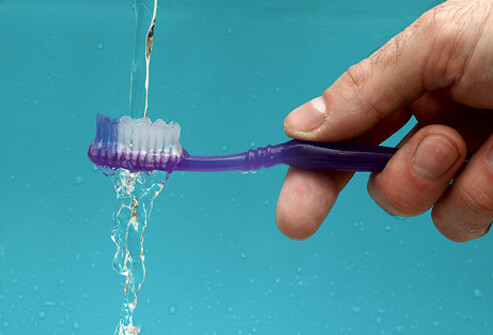
    • Rinse your toothbrush thoroughly with tap water every time you use it.
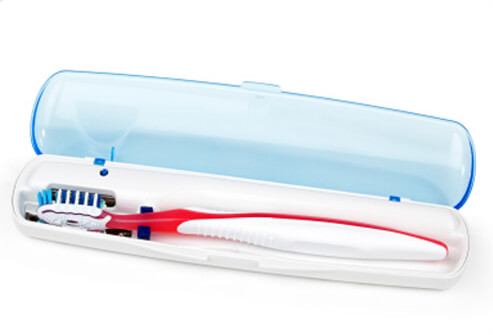
    • Let your toothbrush dry thoroughly between brushings. Don't use toothbrush covers, which can create a moist enclosed breeding ground for bacteria.
    • Keep your toothbrush upright in a holder, rather than lying it down.
    • Don't ever use anyone else's toothbrush, or let someone use yours.
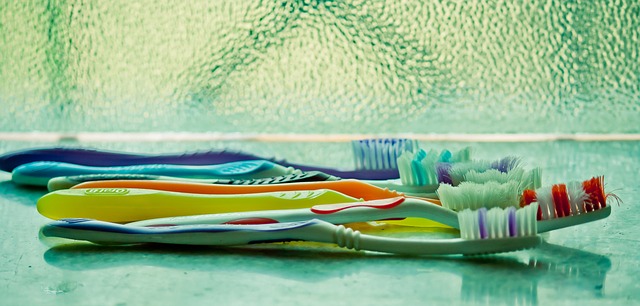
    • Keep toothbrushes separate. If toothbrushes touch they can swap germs.

    Do Toothbrush Sanitizers Really Work?

    There are products available that claim to sanitize your toothbrush. Some use ultraviolet light; others are sprays or rinses. There are even brushes with built-in antibacterial bristles. While some of these products do kill some germs, there is no evidence using them will reduce your risk of illness.

    The American Dental Association (ADA) states soaking your toothbrush in an antibacterial mouth rinse after use may reduce the amount of bacteria on your toothbrush.

    Just make sure you do not try to sterilize your toothbrush in a microwave or dishwasher. According to the ADA, most toothbrushes are not made to withstand these conditions and doing so might damage the brush and reduce its effectiveness.

    When to Toss Your Toothbrush

    The ADA recommends replacing your toothbrush every three to four months, or more often if bristles become frayed, if you are sick, or if you have a weakened immune system. For an electric toothbrush, replace the head as frequently as you would a regular disposable brush. Children's toothbrushes may need to be replaced more often than adult brushes.

    Practice Good Oral Care

    Remember, "Bacteria cause gum disease, and decay, and bad breath," says dentist Kimberly Harms, DDS, consumer advisor for the ADA. Harms recommends brushing and flossing as often as possible, and rinsing your mouth with an antibacterial mouthwash before you brush to eliminate bacteria before they get onto your toothbrush.

    0 comment
    0
    Facebook Twitter Google + Pinterest
    explainingmedicine

    previous post
    Pink Eye (Conjunctivitis): Learn About This Common Eye Condition
    next post
    Dental Health: 19 Habits That Wreck Your Teeth

    Related Articles

    Healthy Eating: The 10 Worst Foods in Your Fridge

    October 14, 2016

    Diabetic Peripheral Neuropathy: Exercises to Improve Diabetes Nerve Pain

    October 14, 2016

    Psoriasis Pictures Slideshow: Home Remedies

    October 14, 2016

    Cosmetics Quiz: Test Your Skin Savvy

    October 14, 2016

    Inflammatory Bowel Disease: A Visual Guide to IBD

    October 14, 2016

    Fibromyalgia: 12 Tips for Coping With Fibromyalgia

    October 14, 2016

    Most Fattening Foods of Summer: Don’t Pack on the Pounds

    October 14, 2016

    Home Health: How to Make Your Home a Healthy One

    October 14, 2016

    Pregnancy: Exercise During Pregnancy

    October 14, 2016

    Sexual Health: Surprising Health Benefits of Sex

    October 14, 2016

    Recent Posts

    • Flu shot recommendation for kids dropped just as the illness rages

      January 12, 2026
    • The CDC just sidelined these childhood vaccines. Here’s what they prevent

      January 9, 2026
    • Your next primary care doctor could be online only, accessed through an AI tool

      January 9, 2026
    • In Lodge Grass, Montana, a Crow community works to rebuild from meth’s destruction

      January 8, 2026
    • RFK Jr.’s new dietary guidelines go all in on meat and dairy

      January 7, 2026

    Keep in touch

    Facebook Twitter Google + RSS

    Recent Posts

    • Flu shot recommendation for kids dropped just as the illness rages

      January 12, 2026
    • The CDC just sidelined these childhood vaccines. Here’s what they prevent

      January 9, 2026
    • Your next primary care doctor could be online only, accessed through an AI tool

      January 9, 2026
    • In Lodge Grass, Montana, a Crow community works to rebuild from meth’s destruction

      January 8, 2026
    • RFK Jr.’s new dietary guidelines go all in on meat and dairy

      January 7, 2026
    • Terms of Service
    • Privacy Policy

    @2026 - Explaining Medicine. All Right Reserved.


    Back To Top
    Explaining Medicine
    Proudly powered by WordPress Theme: soledad child.