Explaining Medicine
  • News
  • Health & Lifestyle
    • Diet & Weight Management
    • Exercise & Fitness
    • Nutrition, Food & Recipes
    • Prevention & Wellness
  • Conditions
    • Custom1
      • Conditions A-Z
      • Procedures A-Z
      • Allergies
      • Alzheimer’s
      • Arthritis
      • Asthma
      • Blood Pressure
      • Cholesterol
      • Cancer
    • Custom2
      • Chronic Pain
      • Cold Flu
      • Depression
      • Diabetes
      • Digestion
      • Eyesight
      • Health Living
      • Healthy Kids
      • Hearing Ear
    • Custom3
      • Heart
      • HIV/AIDS
      • Infectious Disease
      • Lung Conditions
      • Menopause
      • Men’s Health
      • Mental Health
      • Migraine
      • Neurology
    • Custom4
      • Oral Health
      • Pregnancy
      • Senior Health
      • Sexual Health
      • Skin Problems
      • Sleep
      • Thyroid
      • Travel Health
      • Women’s Health
  • Medications
    • Medications
    • Supplements and Vitamins
  • Medical Dictionary
  • Health Alerts
Flu shot recommendation for kids dropped just as...
The CDC just sidelined these childhood vaccines. Here’s...
Your next primary care doctor could be online...
In Lodge Grass, Montana, a Crow community works...
RFK Jr.’s new dietary guidelines go all in...
More seniors are becoming homeless. Shelters are trying...
Health officials slash the number of vaccines recommended...
Wegovy obesity pill now available at pharmacies
In the U.S., hunger is often hidden. But...
One doctor’s experience shows the battle for the...
Top Posts

Explaining Medicine

  • News
  • Health & Lifestyle
    • Diet & Weight Management
    • Exercise & Fitness
    • Nutrition, Food & Recipes
    • Prevention & Wellness
  • Conditions
    • Custom1
      • Conditions A-Z
      • Procedures A-Z
      • Allergies
      • Alzheimer’s
      • Arthritis
      • Asthma
      • Blood Pressure
      • Cholesterol
      • Cancer
    • Custom2
      • Chronic Pain
      • Cold Flu
      • Depression
      • Diabetes
      • Digestion
      • Eyesight
      • Health Living
      • Healthy Kids
      • Hearing Ear
    • Custom3
      • Heart
      • HIV/AIDS
      • Infectious Disease
      • Lung Conditions
      • Menopause
      • Men’s Health
      • Mental Health
      • Migraine
      • Neurology
    • Custom4
      • Oral Health
      • Pregnancy
      • Senior Health
      • Sexual Health
      • Skin Problems
      • Sleep
      • Thyroid
      • Travel Health
      • Women’s Health
  • Medications
    • Medications
    • Supplements and Vitamins
  • Medical Dictionary
  • Health Alerts
  • Slideshows

    First Aid: Bandaging Injuries From Head to Toe

    by explainingmedicine October 14, 2016

    Scratches and Cuts on the Face

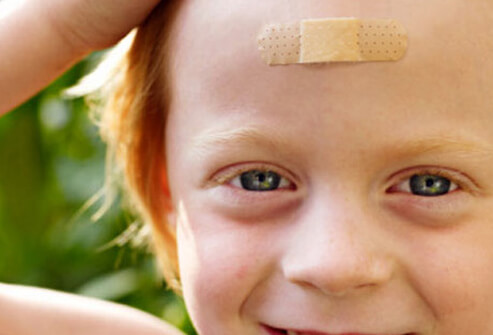
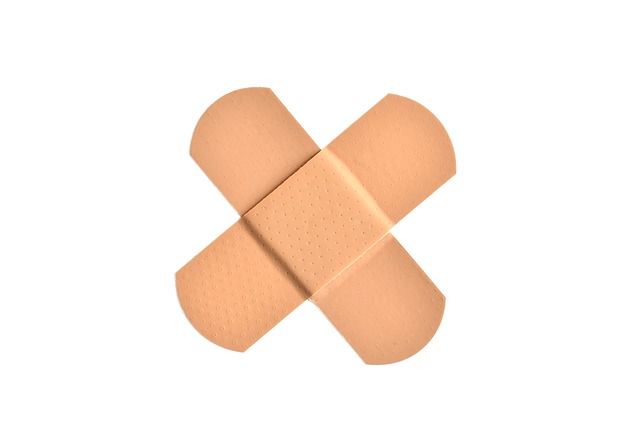
    Your injury's location can affect how you bandage it. For most injuries, first you'll want to clean it with water to get rid of debris and help prevent infection. Then, stop bleeding by applying pressure with sterile gauze. Face injuries can bleed a lot. But once bleeding stops, minor face cuts can go uncovered. Or a small adhesive strip can work well. You may need stitches if the cut is jagged, deep, or longer than a half inch.
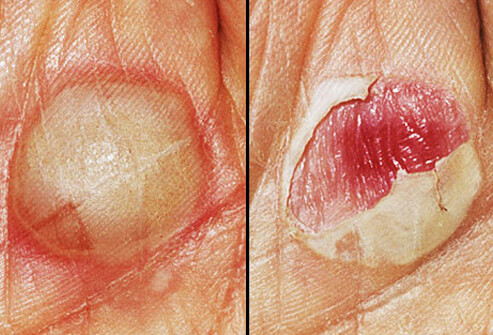
    Don't Pop Blisters

    Small, unbroken blisters can be left uncovered and will usually heal on their own. The exception -- if a blister is in an area where it might get rubbed, such as on the sole of the foot. In that case, protect the blister with a soft dressing to cushion the area. For a broken blister that has drained, protect it from infection by covering it with a bandage.

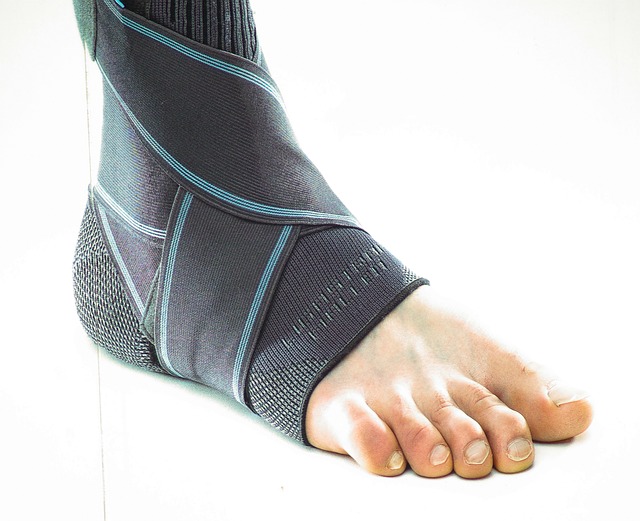
    Wrap Sprains and Strains

    A sprain means a stretched or torn ligament, while a strain involves an injury of a muscle or tendon. The signs are pain and swelling. In addition to icing the injury, wrap it with an elastic compression bandage and keep it elevated when possible. In some cases of severe sprain or strain, surgery and/or extensive physical therapy may be needed.

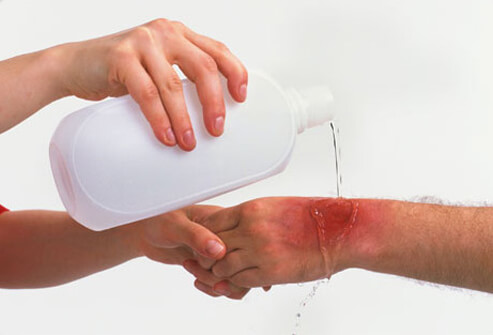
    How to Treat Minor Burns

    Seek medical help for burns if they are severe, on the face, or bigger than 2 inches. For treating small minor burns at home, rinse the area in cool water. Never use butter, grease, or powder on a burn. After rinsing, cover the burn with a thin layer of antibiotic ointment. Then bandage it. A nonstick dressing is best and you may need tape to hold the dressing in place.

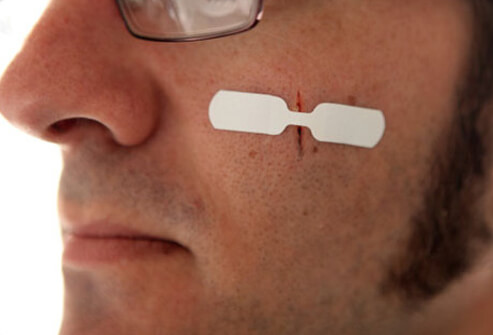
    Close Open Cuts

    If the edges of a cut are separated but will go together, use a butterfly bandage to close the wound. This type of bandage should be placed across the cut, not along its length. If the wound is long, more than one bandage may be needed. Seek professional care for cuts that are gaping, longer than a half inch, or don't stop bleeding after 15 minutes of pressure.

    Watch Surgical Wounds for Infection

    After surgery, you'll need to keep the incision site clean and dry. Change the dressing according to your doctor's instructions. Each time you remove the old dressing, check the wound for signs of infection, such as increasing redness around the wound, a yellow or green discharge, or an unusual odor.

    How to Cover Scraped Knees or Elbows

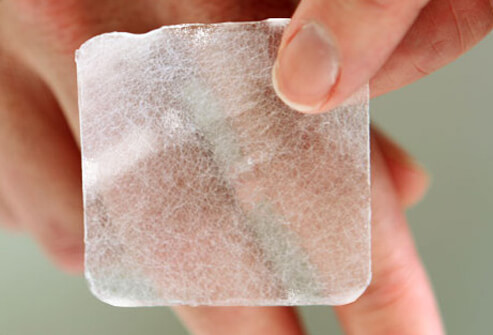
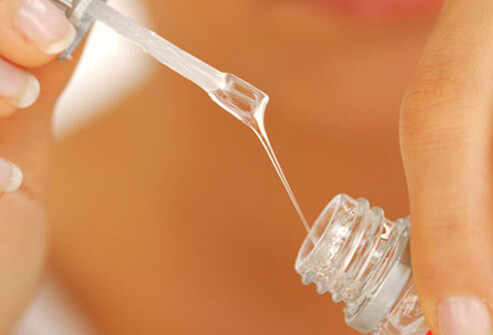
    Skinned knees or elbows can be awkward to cover. Larger-sized bandages or adhesive bandages with wings can hug joints and move with you. Another alternative: Use a liquid bandage. This will stop minor bleeding and protect the wound from dirt and water. Liquid bandage is shower-resistant and only needs to be applied once.

    Bandaging Knuckles, Heels, and Fingers

    Fingers, heels, and knuckles move so covering them can be tricky. But you'll want to keep them covered to keep dirt out. Bandages that are hourglass shaped or notched so they are shaped like an "H" can prevent folds and bunching. Or they can wrap around a fingertip for full coverage.

    Large Scrapes: Cover Them Up

    Scrapes that cover a large area should be kept moist to help promote healing. Antibiotic ointment or moisture-enhancing bandages, also called occlusive bandages, can do the job. Some scrapes don't form a scab as they heal, but remain shiny and raw. If this occurs, wash the wound with clean water and apply a fresh bandage regularly. Watch for signs of infection.

    Cuts on Hands or Feet: Keep Them Clean

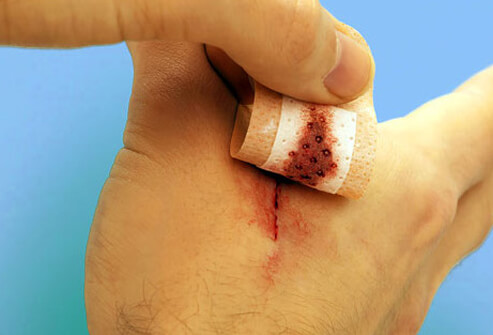
    The hands and feet are exposed to more dirt than the face, so it's best to keep cuts covered. Bandaging can also prevent shoes and socks from irritating wounds on the feet. Adhesive strips can be used for small cuts, but be sure to change the bandage if it gets wet or dirty. Seek medical help for deep cuts or puncture wounds on the hands or feet.

    When to See a Doctor About an Injury

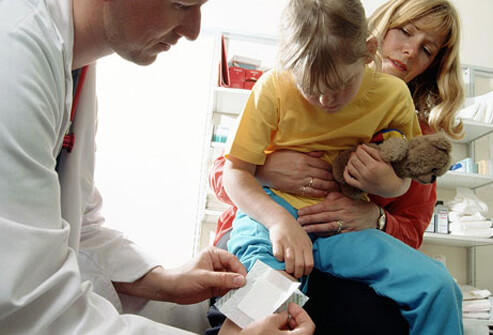
    Call your doctor for deep cuts, puncture wounds, or injuries that don't stop bleeding after several minutes of pressure. Adults should call a doctor about getting a tetanus shot if they haven't had one in the past 5 years. For children, check with your doctor. And always look out for infection. Seek medical care if a wound becomes red, painful or swollen, or if it continues to drain, especially if you have a fever.

    0 comment
    0
    Facebook Twitter Google + Pinterest
    explainingmedicine

    previous post
    Pink Eye (Conjunctivitis): Learn About This Common Eye Condition
    next post
    Dental Health: 19 Habits That Wreck Your Teeth

    Related Articles

    Home Health: Surprising Sources of Indoor Air Pollution

    October 14, 2016

    Stress Management Diet: Stress-Reducing Foods

    October 14, 2016

    Diabetes: Diabetes Management in 10 Minutes or Less

    October 14, 2016

    Early Pregnancy Symptoms: Could You Be Pregnant?

    October 14, 2016

    Muscle Cramps and Muscle Spasms: Symptoms, Causes, and Treatments

    October 15, 2016

    Diabetes: Celebrities With Diabetes

    October 14, 2016

    Nutritional Health: The 7 Wonders of Water

    October 14, 2016

    Adult Skin Diseases: Recognize These Skin Conditions?

    October 14, 2016

    Holiday Travel: 7 Tips to Make It Less Stressful

    October 14, 2016

    Sports Injuries: Types, Treatments, and Prevention

    October 14, 2016

    Recent Posts

    • Flu shot recommendation for kids dropped just as the illness rages

      January 12, 2026
    • The CDC just sidelined these childhood vaccines. Here’s what they prevent

      January 9, 2026
    • Your next primary care doctor could be online only, accessed through an AI tool

      January 9, 2026
    • In Lodge Grass, Montana, a Crow community works to rebuild from meth’s destruction

      January 8, 2026
    • RFK Jr.’s new dietary guidelines go all in on meat and dairy

      January 7, 2026

    Keep in touch

    Facebook Twitter Google + RSS

    Recent Posts

    • Flu shot recommendation for kids dropped just as the illness rages

      January 12, 2026
    • The CDC just sidelined these childhood vaccines. Here’s what they prevent

      January 9, 2026
    • Your next primary care doctor could be online only, accessed through an AI tool

      January 9, 2026
    • In Lodge Grass, Montana, a Crow community works to rebuild from meth’s destruction

      January 8, 2026
    • RFK Jr.’s new dietary guidelines go all in on meat and dairy

      January 7, 2026
    • Terms of Service
    • Privacy Policy

    @2026 - Explaining Medicine. All Right Reserved.


    Back To Top
    Explaining Medicine
    Proudly powered by WordPress Theme: soledad child.