Explaining Medicine
  • News
  • Health & Lifestyle
    • Diet & Weight Management
    • Exercise & Fitness
    • Nutrition, Food & Recipes
    • Prevention & Wellness
  • Conditions
    • Custom1
      • Conditions A-Z
      • Procedures A-Z
      • Allergies
      • Alzheimer’s
      • Arthritis
      • Asthma
      • Blood Pressure
      • Cholesterol
      • Cancer
    • Custom2
      • Chronic Pain
      • Cold Flu
      • Depression
      • Diabetes
      • Digestion
      • Eyesight
      • Health Living
      • Healthy Kids
      • Hearing Ear
    • Custom3
      • Heart
      • HIV/AIDS
      • Infectious Disease
      • Lung Conditions
      • Menopause
      • Men’s Health
      • Mental Health
      • Migraine
      • Neurology
    • Custom4
      • Oral Health
      • Pregnancy
      • Senior Health
      • Sexual Health
      • Skin Problems
      • Sleep
      • Thyroid
      • Travel Health
      • Women’s Health
  • Medications
    • Medications
    • Supplements and Vitamins
  • Medical Dictionary
  • Health Alerts
Flu shot recommendation for kids dropped just as...
The CDC just sidelined these childhood vaccines. Here’s...
Your next primary care doctor could be online...
In Lodge Grass, Montana, a Crow community works...
RFK Jr.’s new dietary guidelines go all in...
More seniors are becoming homeless. Shelters are trying...
Health officials slash the number of vaccines recommended...
Wegovy obesity pill now available at pharmacies
In the U.S., hunger is often hidden. But...
One doctor’s experience shows the battle for the...
Top Posts

Explaining Medicine

  • News
  • Health & Lifestyle
    • Diet & Weight Management
    • Exercise & Fitness
    • Nutrition, Food & Recipes
    • Prevention & Wellness
  • Conditions
    • Custom1
      • Conditions A-Z
      • Procedures A-Z
      • Allergies
      • Alzheimer’s
      • Arthritis
      • Asthma
      • Blood Pressure
      • Cholesterol
      • Cancer
    • Custom2
      • Chronic Pain
      • Cold Flu
      • Depression
      • Diabetes
      • Digestion
      • Eyesight
      • Health Living
      • Healthy Kids
      • Hearing Ear
    • Custom3
      • Heart
      • HIV/AIDS
      • Infectious Disease
      • Lung Conditions
      • Menopause
      • Men’s Health
      • Mental Health
      • Migraine
      • Neurology
    • Custom4
      • Oral Health
      • Pregnancy
      • Senior Health
      • Sexual Health
      • Skin Problems
      • Sleep
      • Thyroid
      • Travel Health
      • Women’s Health
  • Medications
    • Medications
    • Supplements and Vitamins
  • Medical Dictionary
  • Health Alerts
  • Slideshows

    Foot Problems: Ingrown Toenails

    by explainingmedicine October 14, 2016

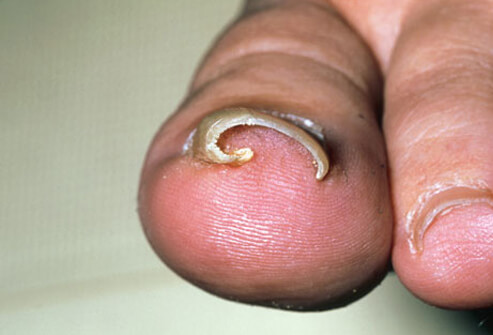
    What is an ingrown toenail?

    An ingrown toenail occurs either when the nail grows into surrounding skin or the skin grows over the edge of the nail. Ingrown toenails commonly occur as a result of trimming toenails with tapered edges instead of cutting nails straight across. As the nail begins to grow, it may curl under and dig into the skin or the skin may infringe upon the nail. The skin around an ingrown toenail may be red and swollen, causing pain. Severe cases may ooze pus.
    What causes a nail to become ingrown?

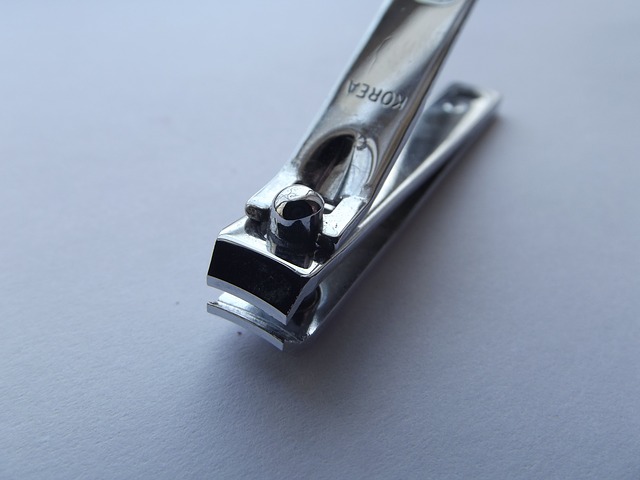
    Ingrown toenails occur most commonly as a result of trimming toenails improperly. Rounding the edges of toenails instead of cutting them straight across creates areas that may later grow into skin. Shoes that are too tight, especially in the toe box, can also encourage curved nail growth into the skin. A person’s posture, gait, and any structural abnormalities of the feet (hammertoes, bunions, and foot pronation) may also affect one’s tendency to develop ingrown toenails. Having broken, brittle toenails may leave you with sharp nail edges that can grow into skin.

    What does an ingrown toenail look like?

    Ingrown toenails cause redness and swelling around the affected toe area. The site may be painful to the touch. An infection may develop if the condition progresses, and the area may ooze pus. Treating ingrown toenails as soon as possible reduces the risk of both infection and the possibility of needing foot surgery. The question on most people’s minds after recognizing that they have this condition is, “How do you get rid of ingrown toenails?”

    Treatment for Ingrown Toenails: Over-the-Counter

    A number of over-the-counter treatments for ingrown toenails are available. These topical nail products may contain botanical ingredients like menthol and tea tree oil to decrease inflammation. Other topical agents may contain salicylic acid, which relieves pain and softens nails. Over-the-counter remedies should not be used by those who have diabetes, poor circulation, or an infection of the foot.

    Ingrown Toenail Home Treatment Do's

    Do try to coax a stuck toenail out from beneath overgrown skin by soaking the affected foot three to four times a day. Dry the foot well and wear comfortable shoes that do not crowd the toes until the area is healed. Insert a very small wad of cotton or waxed dental floss between the nail and the skin to encourage separation. Change the packing material every day. Take over-the-counter pain relievers like acetaminophen or ibuprofen to minimize discomfort. It’s important to seek medical treatment if the condition becomes worse or doesn’t improve with home treatment within 2 to 3 days.

    Ingrown Toenail Home Treatment Don'ts

    Don’t fall for the home treatment that alleges an ingrown toenail can be cured by cutting a V-shaped wedge into the top of the nail. Proponents claim this encourages nail growth toward the center of the nail, instead of at the sides where the problem is located. This simply isn’t true. All nail growth occurs from the base of the nail toward the top of the toe.

    Ingrown Toenail Surgery

    When home remedies aren’t enough to treat an ingrown toenail or the condition is associated with severe pain or infection, surgery may be necessary. Depending on the extent of the problem, a doctor may remove part of the nail, part of the affected nail bed, and some of the surrounding affected tissue. In extreme cases, the doctor may remove part of the growth center from which the nail grows.

    Ingrown Toenail Surgery Recovery Tips

    After ingrown toenail surgery, treat the affected toe and foot with care. Apply antibiotic ointment and take over-the-counter pain medication as directed by your doctor. Keep the surgical area dry and dress the wound as directed. Ask the doctor when it is okay to bathe and follow the doctor’s directions. For at least the first 2 weeks after surgery, wear tennis shoes or other comfortable footwear. Avoid strenuous physical activities like running while healing. Notify the doctor if increased drainage, redness, swelling, or pain develops.

    Ingrown Toenail Prevention: Set Your Toes Free

    Tight or ill-fitting shoes are a common cause of ingrown toenails. Cull your shoe closet and discard high heels and shoes that are too tight, especially in the toe area. Wear sandals when you can and wide-toed shoes to minimize the risk of developing ingrown toenails. Proper foot and nail care is the key to preventing an ingrown nail!

    Ingrown Toenail Prevention: Shoe Shopping Tips

    Wearing appropriate footwear is one of the best ways to decrease the risk of ingrown toenails. Feet swell during the day, so it’s best to shop for shoes later in the day when feet are at their largest. Choose shoes that have shock-absorbing soles that help reduce pressure on the feet, especially the toes. Breathable materials, such as leather and canvas, are preferred. Wear shoes with socks to minimize friction and cushion feet.

    0 comment
    0
    Facebook Twitter Google + Pinterest
    explainingmedicine

    previous post
    Acne: Quick Cover-ups, Do’s and Don’ts
    next post
    Fungal Infections: Fungus Among Us

    Related Articles

    Healthy Relationships: 18 Secrets Guys Wish You Knew

    October 15, 2016

    Food & Recipes: Surprising Food Combos for Big Flavor

    October 14, 2016

    Nutritional Health: The 7 Wonders of Water

    October 14, 2016

    Nail Health: What Your Nails Say about Your Health

    October 14, 2016

    The Common Cold: 10 Tips to Prevent The Common Cold

    October 14, 2016

    Cat Health: Taking Care of Your Kitten

    October 14, 2016

    Pet Health: 20 Things You Can Learn from Your Pets

    October 14, 2016

    Respiratory Health: 10 Worst Smog Cities in America

    October 14, 2016

    Cold & Flu: 10 Facts About Flu Shots

    October 14, 2016

    COPD: Energy-Boosting Foods for COPD

    October 14, 2016

    Recent Posts

    • Flu shot recommendation for kids dropped just as the illness rages

      January 12, 2026
    • The CDC just sidelined these childhood vaccines. Here’s what they prevent

      January 9, 2026
    • Your next primary care doctor could be online only, accessed through an AI tool

      January 9, 2026
    • In Lodge Grass, Montana, a Crow community works to rebuild from meth’s destruction

      January 8, 2026
    • RFK Jr.’s new dietary guidelines go all in on meat and dairy

      January 7, 2026

    Keep in touch

    Facebook Twitter Google + RSS

    Recent Posts

    • Flu shot recommendation for kids dropped just as the illness rages

      January 12, 2026
    • The CDC just sidelined these childhood vaccines. Here’s what they prevent

      January 9, 2026
    • Your next primary care doctor could be online only, accessed through an AI tool

      January 9, 2026
    • In Lodge Grass, Montana, a Crow community works to rebuild from meth’s destruction

      January 8, 2026
    • RFK Jr.’s new dietary guidelines go all in on meat and dairy

      January 7, 2026
    • Terms of Service
    • Privacy Policy

    @2026 - Explaining Medicine. All Right Reserved.


    Back To Top
    Explaining Medicine
    Proudly powered by WordPress Theme: soledad child.