Explaining Medicine
  • News
  • Health & Lifestyle
    • Diet & Weight Management
    • Exercise & Fitness
    • Nutrition, Food & Recipes
    • Prevention & Wellness
  • Conditions
    • Custom1
      • Conditions A-Z
      • Procedures A-Z
      • Allergies
      • Alzheimer’s
      • Arthritis
      • Asthma
      • Blood Pressure
      • Cholesterol
      • Cancer
    • Custom2
      • Chronic Pain
      • Cold Flu
      • Depression
      • Diabetes
      • Digestion
      • Eyesight
      • Health Living
      • Healthy Kids
      • Hearing Ear
    • Custom3
      • Heart
      • HIV/AIDS
      • Infectious Disease
      • Lung Conditions
      • Menopause
      • Men’s Health
      • Mental Health
      • Migraine
      • Neurology
    • Custom4
      • Oral Health
      • Pregnancy
      • Senior Health
      • Sexual Health
      • Skin Problems
      • Sleep
      • Thyroid
      • Travel Health
      • Women’s Health
  • Medications
    • Medications
    • Supplements and Vitamins
  • Medical Dictionary
  • Health Alerts
Flu shot recommendation for kids dropped just as...
The CDC just sidelined these childhood vaccines. Here’s...
Your next primary care doctor could be online...
In Lodge Grass, Montana, a Crow community works...
RFK Jr.’s new dietary guidelines go all in...
More seniors are becoming homeless. Shelters are trying...
Health officials slash the number of vaccines recommended...
Wegovy obesity pill now available at pharmacies
In the U.S., hunger is often hidden. But...
One doctor’s experience shows the battle for the...
Top Posts

Explaining Medicine

  • News
  • Health & Lifestyle
    • Diet & Weight Management
    • Exercise & Fitness
    • Nutrition, Food & Recipes
    • Prevention & Wellness
  • Conditions
    • Custom1
      • Conditions A-Z
      • Procedures A-Z
      • Allergies
      • Alzheimer’s
      • Arthritis
      • Asthma
      • Blood Pressure
      • Cholesterol
      • Cancer
    • Custom2
      • Chronic Pain
      • Cold Flu
      • Depression
      • Diabetes
      • Digestion
      • Eyesight
      • Health Living
      • Healthy Kids
      • Hearing Ear
    • Custom3
      • Heart
      • HIV/AIDS
      • Infectious Disease
      • Lung Conditions
      • Menopause
      • Men’s Health
      • Mental Health
      • Migraine
      • Neurology
    • Custom4
      • Oral Health
      • Pregnancy
      • Senior Health
      • Sexual Health
      • Skin Problems
      • Sleep
      • Thyroid
      • Travel Health
      • Women’s Health
  • Medications
    • Medications
    • Supplements and Vitamins
  • Medical Dictionary
  • Health Alerts
  • Slideshows

    Infectious Mononucleosis: Learn About the ‘Kissing Disease’ Caused by EBV

    by explainingmedicine October 14, 2016

    What is Infectious Mononucleosis ("Mono")?

    Infectious mononucleosis is a common infection caused by the Epstein-Barr virus (EBV). It is also known as glandular fever, the kissing disease, and mono. Symptoms of infectious mononucleosis include fatigue, sore throat, fever, and swollen lymph nodes. There is no treatment for mono, but supportive care involves resting and drinking plenty of fluids. The illness resolves without treatment, but symptoms may last from several weeks to months.


    What is the Epstein-Barr virus?

    The vast majority of cases of infectious mononucleosis, more than 90%, are caused by the Epstein-Barr virus, which is in the herpesvirus family. The virus was discovered by professor Sir Anthony Epstein and Yvonne M. Barr in England. The virus was named "mononucleosis" because it's associated with an increase in certain white blood cells called lymphocytes in the bloodstream.

    What is the Cause of Mono?

    It’s estimated up to 95% of adults in the U.S. have evidence of Epstein-Barr virus antibodies in their blood by the time they are 35 to 49 years old. The presence of antibodies means a person has been infected in the past. EBV is the most common cause of infectious mono although there are other illnesses that produce similar symptoms.

    What are the Risk Factors for Mono?

    Anyone can suffer from Epstein-Barr virus infection. It's most common in those between the ages of 5 and 25; however, 90% to 95% of adults demonstrate evidence of past infection. About 1% to 3% of college students are infected with mono every year. EBV can be transmitted through saliva (kissing) and via blood and sexual contact.

    How is Mono Spread?

    Mono is easily spread through casual contact. Among teens, kissing is the most common means of transmitting mono since the virus is present in saliva. Epstein-Barr virus is airborne and can be transmitted by droplets released when an infected person coughs or sneezes. Sharing food or beverages with an infected person can also spread EBV infection.

    How Long is Mono Contagious?

    Many people come into contact with the Epstein-Barr virus and never develop an active infection. Instead, these people develop antibodies to the virus, which gives them immunity. The incubation period for mono is 4 to 6 weeks, meaning it takes that long after exposure for someone to develop symptoms. Mono is contagious for a few weeks or longer during an active infection.

    What Are the Symptoms of Mono?

    Symptoms of mono are different in the beginning of the illness compared to later in the course of the illness. Initial symptoms within the first three days may include chills, loss of appetite, and feelings of lack of energy or malaise. More intense symptoms may occur after the first three days and can include profound fatigue, swollen lymph nodes in the neck, fever, and a severe sore throat. Throat symptoms can be so intense it leads people to seek medical attention.

    What Are the Signs of Mono?

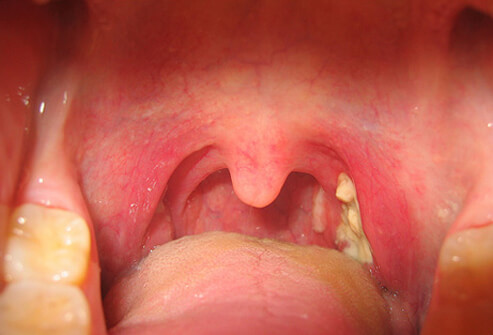
    The common signs of mono include swollen, red tonsils, enlarged lymph nodes in the neck, and a fever that ranges from 102°F to 104°F. About one-third of people who have mono have a whitish coating on their tonsils. Approximately 50% of people with mono have swollen spleens. The spleen is located in the upper left abdomen. Liver enlargement may occur. A small number of people with mono, about 5%, develop a body-wide red, splotchy rash. The rash looks similar to that which occurs with measles.

    How is Mono Diagnosed?

    A variety of tests may be used to diagnose mono. In the early stages, a doctor may suspect mono based on a patient's signs and symptoms. A health care professional may order tests to rule out other potential causes of the symptoms, such as strep throat. Numbers of white blood cells called lymphocytes may be elevated in the early stages of mono. Lymphocytes may also look different when examined under a microscope. Blood tests such as the heterophile antibody test and the monospot test can be used to confirm mono diagnosis. These tests measure levels of antibodies in the blood. Antibodies are typically detectable after two to three weeks into the illness. Another potential tell-tale sign of mono infection is abnormal liver function tests.

    What is the Usual Course and Treatment of Mono?

    Mono, like many viral illnesses, just needs to run its course and it usually resolves without treatment. Antiviral drugs are not effective for treating mono. There's some evidence these medications prolong mono infection. Treatment for mono is supportive and focuses on symptom relief. Aches, pains, fever, and headache can be treated with acetaminophen. Plenty of rest, sleep, and fluids can help ease symptoms. Painful, sore throat -- one of the most uncomfortable symptoms of mono -- is typically the worst during the first 5 to 7 days of the infection. Sore throat resolves and gets much better in the subsequent 7 to 10 days.

    Are There Any Long-term Effects of Mono?

    Some people are fatigued or tired for months after Epstein-Barr virus infection. It's best to avoid contact sports for 6 to 8 weeks after the appearance of symptoms as a blow to the abdomen could damage or burst an enlarged spleen. EBV may be present in the saliva for up to 18 months after infection. A person who has symptoms for more than 6 months is said to have chronic EBV infection.

    What Are the Complications of Mono?

    Mild inflammation of the liver (hepatitis) is often a complication of mono. Hepatitis associated with mono is not usually serious and does not require treatment. Potential rupture of the spleen is a possible dangerous complication of Epstein-Barr virus infection. Severe complications of mono are rare and almost never cause death in healthy people. Rare and severe potential complications of mono include inflammation of the heart (myocarditis), inflammation of the heart lining (pericarditis), inflammation of the brain (encephalitis), and destruction of red blood cells (hemolytic anemia). People who have compromised immune systems, including those with AIDS or those who take medications that depress immune function, are more likely to have aggressive cases of mono. EBV has been linked to cancers including lymphoma and one type of Hodgkin's disease.

    Infectious Mononucleosis at a Glance

    Here are key facts about infectious mononucleosis:

    • Epstein-Barr virus (EBV) is a contagious infection that causes infectious mononucleosis.
    • The illness is spread by casual contact, usually via saliva. Mono has an incubation period of 4 to 6 weeks.
    • The vast majority of adults have antibodies against EBV, meaning they have been infected with the virus and are immune to mono.
    • Fatigue, severe sore throat, swollen lymph nodes, and fever are common symptoms of mono.
    • Specialized blood tests are used to confirm the diagnosis of mono.
    • Mono can be associated with an enlarged spleen and liver inflammation (hepatitis).
    • One should avoid contact sports during active mono illness and during recovery because of the possibility that the spleen can rupture.
    0 comment
    0
    Facebook Twitter Google + Pinterest
    explainingmedicine

    previous post
    Causes of Fatigue: Find Out Why You’re So Tired
    next post
    Diabetes: 20 Reasons for Blood Sugar Swings

    Related Articles

    Alzheimer’s Disease: 13 Myths About Alzheimer’s

    October 14, 2016

    Salt Shockers: High-Sodium Surprises

    October 14, 2016

    Dental Health: Images of Cavities, Dry Sockets, Gingivitis

    October 14, 2016

    Multiple Sclerosis: Making an MS Friendly Home

    October 14, 2016

    Cosmetic Dentistry: Before & After Pictures

    October 14, 2016

    Causes of Fatigue: Find Out Why You’re So Tired

    October 14, 2016

    Hair and Beauty: Look Younger With Celebrity Hairstyles

    October 14, 2016

    Men’s Health: Essential Screening Tests Every Man Needs

    October 14, 2016

    Eczema: Atopic Dermatitis Rashes & Treatment Options

    October 14, 2016

    Ringworm: Does Ringworm Mean I Have Worms?

    October 14, 2016

    Recent Posts

    • Flu shot recommendation for kids dropped just as the illness rages

      January 12, 2026
    • The CDC just sidelined these childhood vaccines. Here’s what they prevent

      January 9, 2026
    • Your next primary care doctor could be online only, accessed through an AI tool

      January 9, 2026
    • In Lodge Grass, Montana, a Crow community works to rebuild from meth’s destruction

      January 8, 2026
    • RFK Jr.’s new dietary guidelines go all in on meat and dairy

      January 7, 2026

    Keep in touch

    Facebook Twitter Google + RSS

    Recent Posts

    • Flu shot recommendation for kids dropped just as the illness rages

      January 12, 2026
    • The CDC just sidelined these childhood vaccines. Here’s what they prevent

      January 9, 2026
    • Your next primary care doctor could be online only, accessed through an AI tool

      January 9, 2026
    • In Lodge Grass, Montana, a Crow community works to rebuild from meth’s destruction

      January 8, 2026
    • RFK Jr.’s new dietary guidelines go all in on meat and dairy

      January 7, 2026
    • Terms of Service
    • Privacy Policy

    @2026 - Explaining Medicine. All Right Reserved.


    Back To Top
    Explaining Medicine
    Proudly powered by WordPress Theme: soledad child.