Explaining Medicine
  • News
  • Health & Lifestyle
    • Diet & Weight Management
    • Exercise & Fitness
    • Nutrition, Food & Recipes
    • Prevention & Wellness
  • Conditions
    • Custom1
      • Conditions A-Z
      • Procedures A-Z
      • Allergies
      • Alzheimer’s
      • Arthritis
      • Asthma
      • Blood Pressure
      • Cholesterol
      • Cancer
    • Custom2
      • Chronic Pain
      • Cold Flu
      • Depression
      • Diabetes
      • Digestion
      • Eyesight
      • Health Living
      • Healthy Kids
      • Hearing Ear
    • Custom3
      • Heart
      • HIV/AIDS
      • Infectious Disease
      • Lung Conditions
      • Menopause
      • Men’s Health
      • Mental Health
      • Migraine
      • Neurology
    • Custom4
      • Oral Health
      • Pregnancy
      • Senior Health
      • Sexual Health
      • Skin Problems
      • Sleep
      • Thyroid
      • Travel Health
      • Women’s Health
  • Medications
    • Medications
    • Supplements and Vitamins
  • Medical Dictionary
  • Health Alerts
Flu shot recommendation for kids dropped just as...
The CDC just sidelined these childhood vaccines. Here’s...
Your next primary care doctor could be online...
In Lodge Grass, Montana, a Crow community works...
RFK Jr.’s new dietary guidelines go all in...
More seniors are becoming homeless. Shelters are trying...
Health officials slash the number of vaccines recommended...
Wegovy obesity pill now available at pharmacies
In the U.S., hunger is often hidden. But...
One doctor’s experience shows the battle for the...
Top Posts

Explaining Medicine

  • News
  • Health & Lifestyle
    • Diet & Weight Management
    • Exercise & Fitness
    • Nutrition, Food & Recipes
    • Prevention & Wellness
  • Conditions
    • Custom1
      • Conditions A-Z
      • Procedures A-Z
      • Allergies
      • Alzheimer’s
      • Arthritis
      • Asthma
      • Blood Pressure
      • Cholesterol
      • Cancer
    • Custom2
      • Chronic Pain
      • Cold Flu
      • Depression
      • Diabetes
      • Digestion
      • Eyesight
      • Health Living
      • Healthy Kids
      • Hearing Ear
    • Custom3
      • Heart
      • HIV/AIDS
      • Infectious Disease
      • Lung Conditions
      • Menopause
      • Men’s Health
      • Mental Health
      • Migraine
      • Neurology
    • Custom4
      • Oral Health
      • Pregnancy
      • Senior Health
      • Sexual Health
      • Skin Problems
      • Sleep
      • Thyroid
      • Travel Health
      • Women’s Health
  • Medications
    • Medications
    • Supplements and Vitamins
  • Medical Dictionary
  • Health Alerts
  • Slideshows

    West Nile Virus: Causes, Symptoms, and Treatment

    by explainingmedicine October 14, 2016

    What Is West Nile Virus?

    West Nile virus (WNV) is a flavivirus (virus transmitted by mosquitoes and ticks) and is commonly found in Africa, West Asia, the Middle East, and the Caribbean. The Culex pipiens mosquito is a known vector (an agent that transmits the infectious disease from one organism to another) for the West Nile flavivirus. It is closely related to the St. Louis encephalitis virus that is found in the United States. It can infect humans, birds, mosquitoes, horses, and some other mammals. West Nile virus infection is also sometimes referred to as West Nile fever (WNF) or West Nile encephalitis (WNE).
    History of West Nile Virus in the U.S.

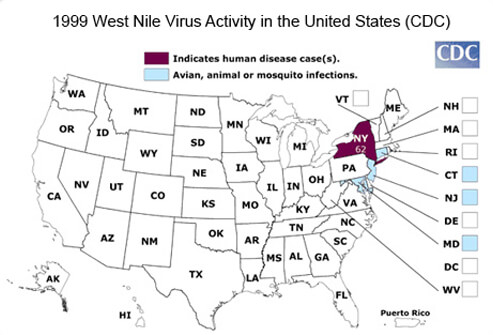
    West Nile virus was discovered in 1937 in the West Nile district of Uganda. West Nile emerged in the United States for the first time in the New York City area in August 1999. There were 62 confirmed human cases and seven deaths during this outbreak, creating widespread concern. According to the U.S. Centers for Disease Control and Prevention (CDC), since 1999, nearly 42,000 people have been reported with West Nile virus. Almost 1,800 have died.

    West Nile Virus in the U.S. Today

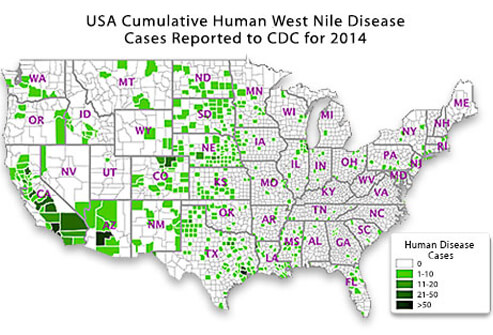
    As of August 2015, 42 states had reported West Nile virus infections for the year in people, birds, or mosquitoes, according to the CDC. Of the 141 cases of West Nile virus in people reported to the CDC, 82 were classified as neuroinvasive disease (the most severe form of West Nice virus infection, involving the brain and nervous system, such as meningitis or encephalitis) and 59 were classified as non-neuroinvasive disease.

    In 2012, the CDC confirmed an outbreak of 1,118 cases of West Nile virus, the highest number of reported cases since the virus was first detected in the U.S. in 1999. Of those, 56% of patients from 47 states developed neuroinvasive disease. Approximately 75% of the cases were reported from five states (Texas, Mississippi, Louisiana, South Dakota, and Oklahoma), and almost half of all cases were reported from Texas, many in the Dallas area.

    How Do Mosquitoes Get Infected With West Nile Virus?

    Feeding on birds that are infected with the virus infects mosquitoes. The infected birds may or may not become ill. The birds are vectors, or intermediate carriers, of the virus that is important for the virus' life cycle and transmission cycle.

    How Do People Get Infected With West Nile Virus?

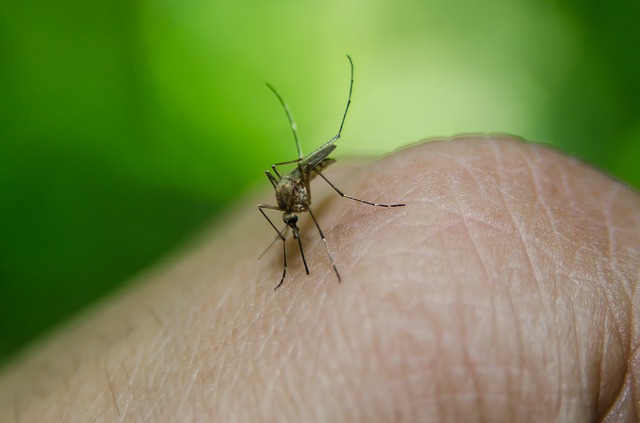
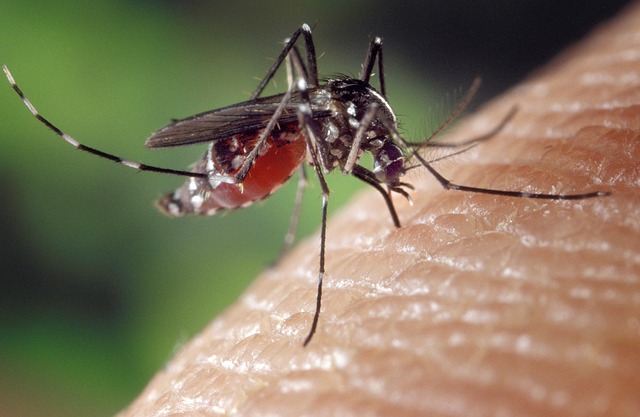
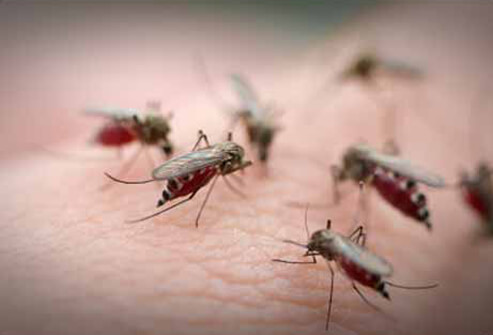
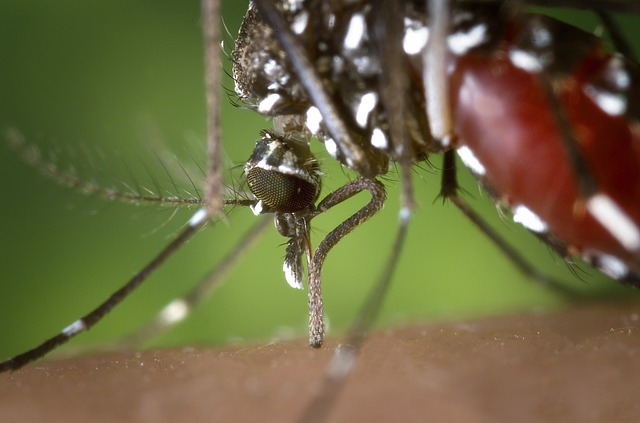
    The main way people are infected with West Nile virus is through the bite of an infected mosquito. Mosquitoes become infected when they feed on infected birds, which may circulate the virus in their blood for a few days. The virus eventually finds its way into the mosquito's salivary glands. During subsequent blood meals, the virus may be injected into humans and animals, where it can multiply and possibly cause illness.

    Is West Nile Virus Contagious?

    It is important to remember the West Nile virus is not contagious and cannot be transmitted from person to person. A person cannot get the virus, for example, from touching or kissing a person who has the disease or from a health-care worker who has treated someone with the disease.

    Humans are called a "dead-end" host for the virus, meaning one that can be infected but whose immune system usually prevents the virus from multiplying enough to be passed back to mosquitoes and then to other hosts.

    Rare Cases in Which West Nile Virus (WNV) Is Spread

    In a very small number of cases, WNV also has been spread through blood transfusions, organ transplants, breastfeeding, and even during pregnancy, from mother to baby.

    What Are the Risks of West Nile Virus During Pregnancy?

    Based on the limited number of cases studied so far, it is not yet possible to determine what percentage of WNV infections during pregnancy result in infection of the fetus or medical problems in newborns.

    Because of ongoing concerns that mother-to-child WNV transmission can occur with possible adverse health effects, pregnant women should take precautions to reduce their risk for WNV and other mosquito-borne infections by avoiding mosquitoes, using protective clothing, and using repellents containing DEET. Repellents with DEET are safe for pregnant women.

    Can You Get West Nile Virus Directly From Birds?

    There is no evidence a person can get West Nile virus from handling live or dead infected birds. However, avoiding skin contact when handling dead animals, including dead birds, is recommended. Gloves or double plastic bags should be used to remove and dispose of carcasses.

    Can You Get West Nile Virus From Eating Infected Game Birds or Animals?

    There is no evidence West Nile virus (WNV) can be transmitted to humans through consuming infected birds or animals. In keeping with overall public-health practice, and due to the risk of known food-borne pathogens, people should always follow procedures for fully cooking meat from either birds or mammals.

    Who Is at Risk for Getting West Nile Virus?

    All residents of areas where active cases have been identified are at risk of developing West Nile virus infection. People who are 50 years of age or older have the highest risk for more severe cases.

    The American Academy of Pediatrics states children appear to be at low risk for the disease, although the youngest person in New York to become seriously ill was 5 years old.

    Is West Nile Virus Seasonal in Its Occurrence?

    The risk of infection is highest during mosquito season and does not lower until mosquito activity ceases for the season (when freezing temperatures occur). In temperate areas of the world, cases of West Nile virus infection occur primarily in the late summer or early fall. In southern climates where temperatures are milder, West Nile virus infections can occur year-round.

    What Are the Symptoms of West Nile Virus?

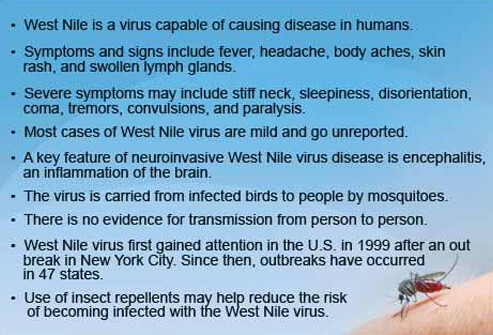
    Most people who are infected with the West Nile virus (80%, or four out of five people) will have minimal or no symptoms. It is estimated that 20% of the people who become infected will develop West Nile fever with mild symptoms, including fever, headache, and body aches, occasionally with a skin rash on the trunk of the body and swollen lymph glands.

    The symptoms of severe infection (West Nile encephalitis or meningitis) include headache, high fever, neck stiffness, stupor, disorientation, coma, tremors, convulsions, muscle weakness, and paralysis. It is estimated that one in 150 people infected with the West Nile virus will develop a more severe form of disease.

    How Long Do Symptoms Last?

    The incubation period (time from infection to onset of disease symptoms) in humans for West Nile virus is usually two to 15 days. Symptoms will generally last a few days, although even some healthy people report having the illness last for several weeks. The symptoms of severe disease (encephalitis or meningitis) may last several weeks, although neurological effects may be permanent.

    If I Have West Nile Fever, Can It Turn Into West Nile Encephalitis?

    When someone is infected with West Nile virus (WNV), they will typically have one of three outcomes: no symptoms (most likely), West Nile fever (WNF in about 20% of people), or severe West Nile disease, such as meningitis or encephalitis (less than 1% of those who get infected). If you develop a high fever with severe headache, consult your doctor.

    How Does West Nile Virus Actually Cause Severe Illness and Death in Humans?

    Following transmission by an infected mosquito, West Nile virus multiplies in the person's blood system and crosses the blood-brain barrier to reach the brain. The virus interferes with normal central nervous system functioning and causes inflammation of brain tissue.

    What Is the Treatment for West Nile Virus? Is There a Vaccine?

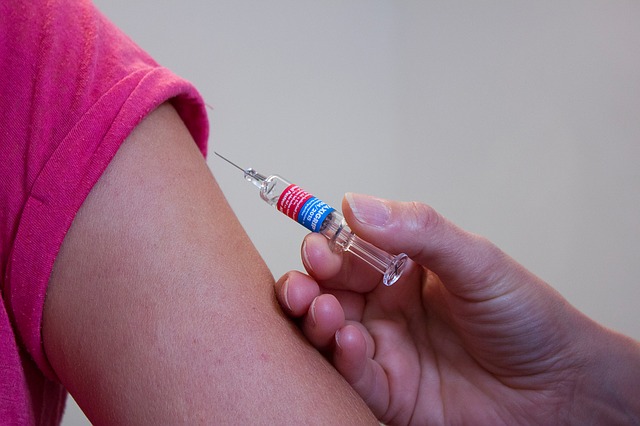
    The diagnosis of West Nile virus infection is confirmed with a blood or cerebrospinal fluid test. There is no specific treatment for West Nile virus infection. Mild illness does not require therapy other than medications to reduce fever and pain. Intensive supportive therapy is directed toward the complications of brain infections. Anti-inflammatory medications, intravenous fluids, and intensive medical monitoring may be required in severe cases. There is no specific antibiotic or antidote for the viral infection. There is no current vaccine to prevent the virus.

    Are There Other Viruses Like West Nile Virus?

    The West Nile virus is closely related to the Japanese encephalitis virus and the St. Louis encephalitis virus, which are found in the southeastern and Midwestern Midwestern United States. These viruses are also mosquito-borne and, have a similar life cycle in birds and mosquitoes, and occasionally strike people.

    A major difference is that St. Louis encephalitis is "silent" in birds, generally not killing them, so there is usually no warning before a human case occurs. With the West Nile virus (at least the American strain), birds, particularly crows, become ill or die and therefore offer an early warning system.

    West Nile Virus Prevention

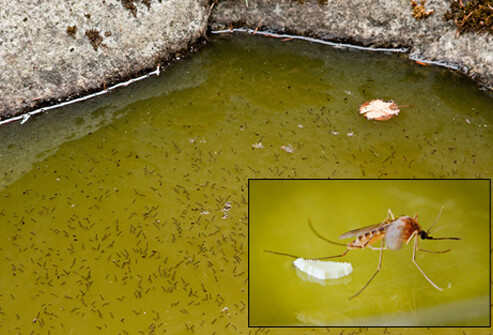
    Limiting mosquito habitats and breeding grounds may also help limit human exposure. Mosquitoes lay their eggs in standing water, so dispose of all cans, plastic containers, rubber tires, or any other possible water-holding containers from nearby property. At least once or twice a week, empty water from flowerpots, pet food and water dishes, birdbaths, swimming pool covers, buckets, barrels, and cans. Drain water from pool covers. Check for clogged rain gutters and clean them out.

    What Can I Do to Reduce My Risk of Becoming Infected With West Nile Virus?

    Here are preventive measures that you and your family can take to protect yourself from mosquito bites:

    • Apply insect repellent to exposed skin. An effective repellent contains 20%-30% DEET (N,N-diethyl-meta-toluamide).
    • Spray clothing with repellents containing permethrin (not to be applied on skin) or another EPA-registered repellent since mosquitoes may bite through thin clothing.
    • When weather permits, wear long-sleeved shirts and long pants whenever you are outdoors.
    • Place mosquito netting over infant carriers when you are outdoors with infants.
    • Consider staying indoors at dawn, dusk, and in the early evening, which are peak mosquito biting times.
    • Install or repair window and door screens so that mosquitoes cannot get indoors.

    What Can a Community Do to Reduce the Risk of West Nile Virus?

    First, a community can monitor the bird population, including surveillance of birds that are sick or have died of disease.

    Second, the community can watch out for stagnant water, particularly if it is nutrient-laden; it is inviting for Culex mosquitoes.

    Third, widespread mosquito-control efforts, including the use of spraying and larvacide, may be warranted. However, even with rigorous surveillance, spraying, and larvaciding, the virus may still infect people.

    What About “Larvicides” and “Adulticides”?

    Larvicides are products used to kill immature mosquitoes. They can be either biological or chemical products, such as insect growth regulators, surface films, or organophosphates. Larvicides are applied directly to water sources that hold mosquito eggs or larvae. When used properly, larvicides can help to reduce the overall mosquito by limiting the number of new mosquitoes that are produced.

    Adulticides are products used to kill adult mosquitoes. Adulticides can be applied from handheld sprayers, truck-mounted sprayers, or using airplanes. Adulticides, when used properly, can have an immediate impact to reduce the number of adult mosquitoes in an area, with the goal of reducing the number of mosquitoes that can bite people and possibly transmit West Nile virus.

    If a Person Contracts West Nile Virus, Does That Person Develop a Natural Immunity to Future Infection By the Virus?

    It is assumed that immunity from West Nile virus (WNV) will be lifelong. However, it is possible that immunity may wane in later years.

    West Nile Virus Facts

    When dealing with West Nile virus, mosquito bite prevention is your best bet. Fighting mosquito bites reduces your risk of getting West Nile virus, along with other illnesses that mosquitoes can carry.

    0 comment
    0
    Facebook Twitter Google + Pinterest
    explainingmedicine

    previous post
    Home Health: Surprising Sources of Indoor Air Pollution
    next post
    Atrial Fibrillation: Visual Guidelines to Causes, Tests and Treatment

    Related Articles

    Hyperthyroidism: Keep Your Thyroid in Check

    October 14, 2016

    First Aid: 8 First Aid Essentials for Car or Purse

    October 14, 2016

    Bronchitis: Symptoms and Treatments

    October 14, 2016

    Asthma: The Anatomy of an Asthma Attack

    October 14, 2016

    Diet Mistakes: 10 Diet Mistakes and How to Avoid Them

    October 14, 2016

    Food & Recipes: 15 Delicious Calcium-Rich Dishes

    October 14, 2016

    Depression: Myths and Facts About Therapy

    October 14, 2016

    Lyme Disease: Find Out How to Protect Yourself

    October 14, 2016

    Alzheimer’s Disease: Symptoms & Early Diagnosis

    October 14, 2016

    Baby Skin Care: 11 Common Causes of Skin Rashes

    October 14, 2016

    Recent Posts

    • Flu shot recommendation for kids dropped just as the illness rages

      January 12, 2026
    • The CDC just sidelined these childhood vaccines. Here’s what they prevent

      January 9, 2026
    • Your next primary care doctor could be online only, accessed through an AI tool

      January 9, 2026
    • In Lodge Grass, Montana, a Crow community works to rebuild from meth’s destruction

      January 8, 2026
    • RFK Jr.’s new dietary guidelines go all in on meat and dairy

      January 7, 2026

    Keep in touch

    Facebook Twitter Google + RSS

    Recent Posts

    • Flu shot recommendation for kids dropped just as the illness rages

      January 12, 2026
    • The CDC just sidelined these childhood vaccines. Here’s what they prevent

      January 9, 2026
    • Your next primary care doctor could be online only, accessed through an AI tool

      January 9, 2026
    • In Lodge Grass, Montana, a Crow community works to rebuild from meth’s destruction

      January 8, 2026
    • RFK Jr.’s new dietary guidelines go all in on meat and dairy

      January 7, 2026
    • Terms of Service
    • Privacy Policy

    @2026 - Explaining Medicine. All Right Reserved.


    Back To Top
    Explaining Medicine
    Proudly powered by WordPress Theme: soledad child.