Explaining Medicine
  • News
  • Health & Lifestyle
    • Diet & Weight Management
    • Exercise & Fitness
    • Nutrition, Food & Recipes
    • Prevention & Wellness
  • Conditions
    • Custom1
      • Conditions A-Z
      • Procedures A-Z
      • Allergies
      • Alzheimer’s
      • Arthritis
      • Asthma
      • Blood Pressure
      • Cholesterol
      • Cancer
    • Custom2
      • Chronic Pain
      • Cold Flu
      • Depression
      • Diabetes
      • Digestion
      • Eyesight
      • Health Living
      • Healthy Kids
      • Hearing Ear
    • Custom3
      • Heart
      • HIV/AIDS
      • Infectious Disease
      • Lung Conditions
      • Menopause
      • Men’s Health
      • Mental Health
      • Migraine
      • Neurology
    • Custom4
      • Oral Health
      • Pregnancy
      • Senior Health
      • Sexual Health
      • Skin Problems
      • Sleep
      • Thyroid
      • Travel Health
      • Women’s Health
  • Medications
    • Medications
    • Supplements and Vitamins
  • Medical Dictionary
  • Health Alerts
Is It Dry Skin or Atopic Dermatitis?
Atopic Dermatitis: How to Get Enough Sleep
Atopic Dermatitis: Help for Broken Skin
Atopic Dermatitis and Food Triggers
What’s at stake as the Supreme Court hears...
Oncologists’ meetings with drug reps don’t help cancer...
Chronic Spontaneous Urticaria: What to Know
CSU: What to Wear and What to Avoid
Treatment Plan for Chronic Spontaneous Urticaria
When the Hives of CSU Don’t Go Away...
Top Posts

Explaining Medicine

  • News
  • Health & Lifestyle
    • Diet & Weight Management
    • Exercise & Fitness
    • Nutrition, Food & Recipes
    • Prevention & Wellness
  • Conditions
    • Custom1
      • Conditions A-Z
      • Procedures A-Z
      • Allergies
      • Alzheimer’s
      • Arthritis
      • Asthma
      • Blood Pressure
      • Cholesterol
      • Cancer
    • Custom2
      • Chronic Pain
      • Cold Flu
      • Depression
      • Diabetes
      • Digestion
      • Eyesight
      • Health Living
      • Healthy Kids
      • Hearing Ear
    • Custom3
      • Heart
      • HIV/AIDS
      • Infectious Disease
      • Lung Conditions
      • Menopause
      • Men’s Health
      • Mental Health
      • Migraine
      • Neurology
    • Custom4
      • Oral Health
      • Pregnancy
      • Senior Health
      • Sexual Health
      • Skin Problems
      • Sleep
      • Thyroid
      • Travel Health
      • Women’s Health
  • Medications
    • Medications
    • Supplements and Vitamins
  • Medical Dictionary
  • Health Alerts
  • News

    ‘All of Us’ research project diversifies the storehouse of genetic knowledge

    by Rob Stein March 7, 2024

    Enlarge this image

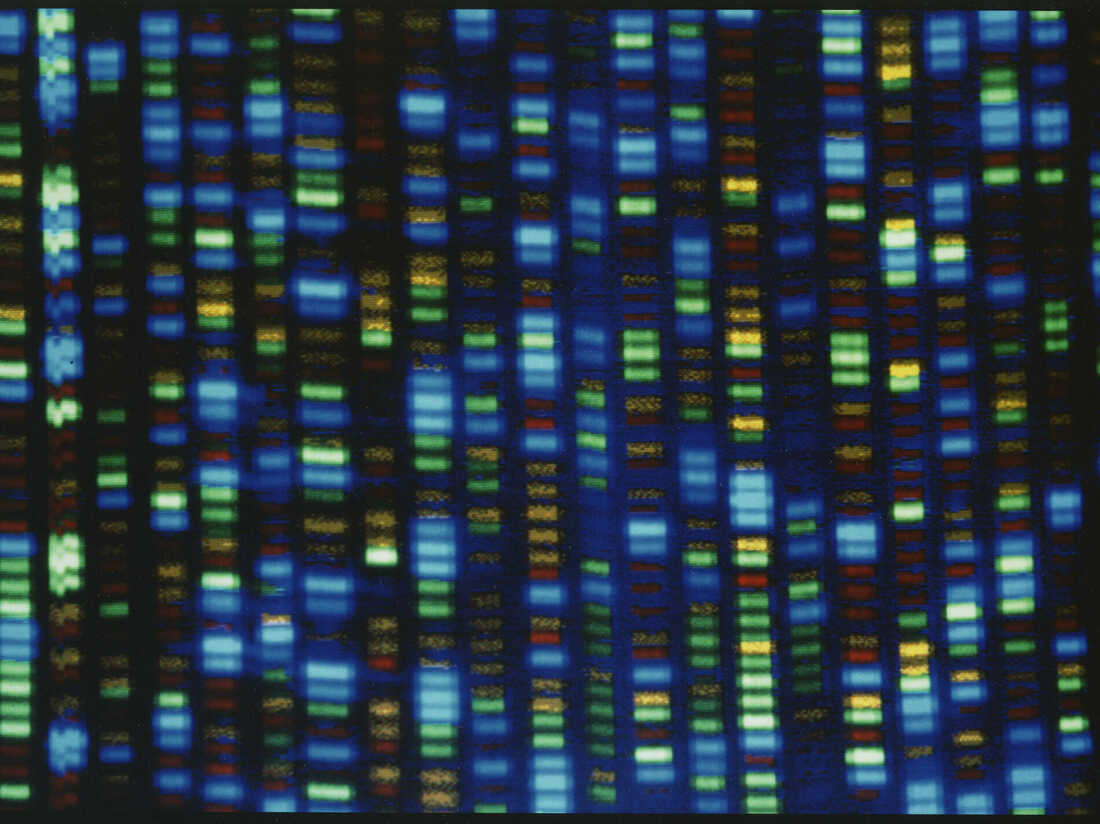
    Results from a DNA sequencer used in the Human Genome Project. National Human Genome Research Institute hide caption

    toggle caption

    National Human Genome Research Institute

    Results from a DNA sequencer used in the Human Genome Project.

    National Human Genome Research Institute

    A big federal research project aimed at reducing racial disparities in genetic research has unveiled the program’s first major trove of results.

    “This is a huge deal,” says Dr. Joshua Denny, who runs the All of Us program at the National Institutes of Health. “The sheer quantify of genetic data in a really diverse population for the first time creates a powerful foundation for researchers to make discoveries that will be relevant to everyone.”

    The goal of the $3.1 billion program is to solve a long-standing problem in genetic research: Most of the people who donate their DNA to help find better genetic tests and precision drugs are white.

    “Most research has not been representative of our country or the world,” Denny says. “Most research has focused on people of European genetic ancestry or would be self-identified as white. And that means there’s a real inequity in past research.”

    For example, researchers “don’t understand how drugs work well in certain populations. We don’t understand the causes of disease for many people,” Denny says. “Our project is to really correct some of those past inequities so we can really understand how we can improve health for everyone.”

    But the project has also stirred up debate about whether the program is perpetuating misconceptions about the importance of genetics in health and the validity of race as a biological category.

    New genetic variations discovered

    Ultimately, the project aims to collect detailed health information from more than 1 million people in the U.S., including samples of their DNA.

    In a series of papers published in February in the journals Nature, Nature Medicine, and Communications Biology, the program released the genetic sequences from 245,000 volunteers and some analysis of those data.

    “What’s really exciting about this is that nearly half of those participants are of diverse race or ethnicity,” Denny says, adding that researchers found a wealth of genetic diversity.

    “We found more than a billion genetic points of variation in those genomes; 275 million variants that we found have never been seen before,” Denny says.

    “Most of that variation won’t have an impact on health. But some of it will. And we will have the power to start uncovering those differences about health that will be relevant really maybe for the first time to all populations,” he says, including new genetic variations that play a role in the risk for diabetes.

    Researchers Gather Health Data For 'All Of Us'

    Shots – Health News

    Researchers Gather Health Data For ‘All Of Us’

    But one concern is that this kind of research may contribute to a misleading idea that genetics is a major factor — maybe even the most important factor — in health, critics say.

    “Any effort to combat inequality and health disparities in society, I think, is a good one,” says James Tabery, a bioethicist at the University of Utah. “But when we’re talking about health disparities — whether it’s black babies at two or more times the risk of infant mortality than white babies, or sky-high rates of diabetes in indigenous communities, higher rates of asthma in Hispanic communities — we know where the causes of those problem are. And those are in our environment, not in our genomes.”

    Race is a social construct, not a genetic one

    Some also worry that instead of helping alleviate racial and ethnic disparities, the project could backfire — by inadvertently reinforcing the false idea that racial differences are based on genetics. In fact, race is a social category, not a biological one.

    “If you put forward the idea that different racial groups need their own genetics projects in order to understand their biology you’ve basically accepted one of the tenants of scientific racism — that races are sufficiently genetically distinct from each other as to be distinct biological entities,” says Michael Eisen, a professor of molecular and cell biology at the University of California, Berkeley. “The project itself is, I think, unintentionally but nonetheless really bolstering one of the false tenants of scientific racism.”

    While Nathaniel Comfort, a medical historian at Johns Hopkins, supports the All of Us program, he also worries it could give misconceptions about genetic differences between races “the cultural authority of science.”

    Denny disputes those criticisms. He notes the program is collecting detailed non-genetic data too.

    “It really is about lifestyle, the environment, and behaviors, as well as genetics,” Denny says. “It’s about ZIP code and genetic code — and all the factors that go in between.”

    And while genes don’t explain all health problems, genetic variations associated with a person’s race can play an important role worth exploring equally, he says.

    “Having diverse population is really important because genetic variations do differ by population,” Denny says. “If we don’t look at everyone, we won’t understand how to treat well any individual in front of us.”

    Read the article here

    Share this Post

    Share Explaining Medicine Share Explaining Medicine

    ‘All of Us’ research project diversifies the storehouse of genetic knowledge was last modified: March 19th, 2024 by Rob Stein

    Related

    diversity in medicinegenetic researchhuman genomeNIH
    0 comment
    0
    Facebook Twitter Google + Pinterest
    Rob Stein

    previous post
    Ageism in health care is more common than you might think, and it can harm people
    next post
    Domestic violence may leave telltale damage in the brain. Scientists want to find it

    Related Articles

    Council of Medical Specialty Societies Weigh In on Their Vision for MOC

    March 7, 2019

    Better Nutrition Every Day How to Make Healthier Food Choices

    June 27, 2016

    Another Study Says HPV Shot Cuts Cervical Cancer

    April 8, 2019

    After Cancer, Higher Risk of Severe Heart Attack

    December 1, 2016

    To Get Mental Health Help For A Child, Desperate Parents Relinquish Custody

    January 2, 2019

    Alex Trebek diagnosed with pancreatic cancer. A new journey begins.

    March 6, 2019

    Obama on Ebola: Without Help, Families Are “Waiting to Die” (Video)

    June 10, 2016

    On Trust

    August 11, 2018

    Lose Excess Pounds, Lower Breast Cancer Risk?

    October 9, 2018

    Fish Oil Supplements May Not Help The Heart: Study

    February 1, 2018

    Recent Posts

    • Is It Dry Skin or Atopic Dermatitis?

      April 24, 2024
    • Atopic Dermatitis: How to Get Enough Sleep

      April 24, 2024
    • Atopic Dermatitis: Help for Broken Skin

      April 24, 2024
    • Atopic Dermatitis and Food Triggers

      April 24, 2024
    • What’s at stake as the Supreme Court hears Idaho case about abortion in emergencies

      April 23, 2024

    Keep in touch

    Facebook Twitter Google + RSS

    Recent Posts

    • Is It Dry Skin or Atopic Dermatitis?

      April 24, 2024
    • Atopic Dermatitis: How to Get Enough Sleep

      April 24, 2024
    • Atopic Dermatitis: Help for Broken Skin

      April 24, 2024
    • Atopic Dermatitis and Food Triggers

      April 24, 2024
    • What’s at stake as the Supreme Court hears Idaho case about abortion in emergencies

      April 23, 2024
    • Terms of Service
    • Privacy Policy

    @2026 - Explaining Medicine. All Right Reserved.


    Back To Top
    Explaining Medicine
    Proudly powered by WordPress Theme: soledad child.