Explaining Medicine
  • News
  • Health & Lifestyle
    • Diet & Weight Management
    • Exercise & Fitness
    • Nutrition, Food & Recipes
    • Prevention & Wellness
  • Conditions
    • Custom1
      • Conditions A-Z
      • Procedures A-Z
      • Allergies
      • Alzheimer’s
      • Arthritis
      • Asthma
      • Blood Pressure
      • Cholesterol
      • Cancer
    • Custom2
      • Chronic Pain
      • Cold Flu
      • Depression
      • Diabetes
      • Digestion
      • Eyesight
      • Health Living
      • Healthy Kids
      • Hearing Ear
    • Custom3
      • Heart
      • HIV/AIDS
      • Infectious Disease
      • Lung Conditions
      • Menopause
      • Men’s Health
      • Mental Health
      • Migraine
      • Neurology
    • Custom4
      • Oral Health
      • Pregnancy
      • Senior Health
      • Sexual Health
      • Skin Problems
      • Sleep
      • Thyroid
      • Travel Health
      • Women’s Health
  • Medications
    • Medications
    • Supplements and Vitamins
  • Medical Dictionary
  • Health Alerts
Flu shot recommendation for kids dropped just as...
The CDC just sidelined these childhood vaccines. Here’s...
Your next primary care doctor could be online...
In Lodge Grass, Montana, a Crow community works...
RFK Jr.’s new dietary guidelines go all in...
More seniors are becoming homeless. Shelters are trying...
Health officials slash the number of vaccines recommended...
Wegovy obesity pill now available at pharmacies
In the U.S., hunger is often hidden. But...
One doctor’s experience shows the battle for the...
Top Posts

Explaining Medicine

  • News
  • Health & Lifestyle
    • Diet & Weight Management
    • Exercise & Fitness
    • Nutrition, Food & Recipes
    • Prevention & Wellness
  • Conditions
    • Custom1
      • Conditions A-Z
      • Procedures A-Z
      • Allergies
      • Alzheimer’s
      • Arthritis
      • Asthma
      • Blood Pressure
      • Cholesterol
      • Cancer
    • Custom2
      • Chronic Pain
      • Cold Flu
      • Depression
      • Diabetes
      • Digestion
      • Eyesight
      • Health Living
      • Healthy Kids
      • Hearing Ear
    • Custom3
      • Heart
      • HIV/AIDS
      • Infectious Disease
      • Lung Conditions
      • Menopause
      • Men’s Health
      • Mental Health
      • Migraine
      • Neurology
    • Custom4
      • Oral Health
      • Pregnancy
      • Senior Health
      • Sexual Health
      • Skin Problems
      • Sleep
      • Thyroid
      • Travel Health
      • Women’s Health
  • Medications
    • Medications
    • Supplements and Vitamins
  • Medical Dictionary
  • Health Alerts
  • News

    Technologists drive quality in medical imaging

    by Cory Michael MD October 21, 2018

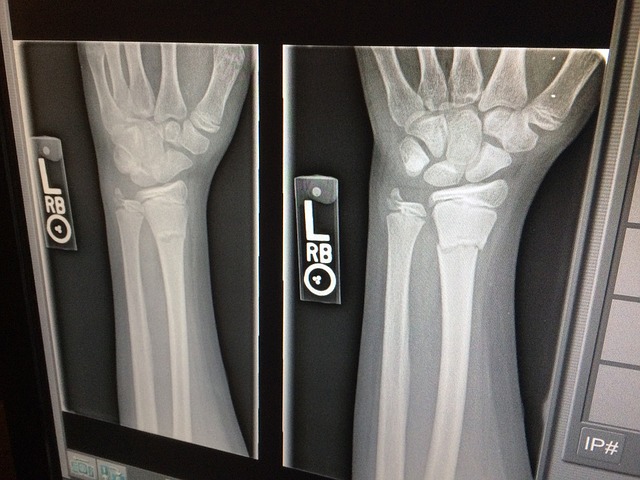
    As a radiologist, I interpret thousands of imaging studies every year. Of the millions of medical images that have crossed my screen, they all have one thing in common. They were all acquired by a technologist in the radiology department.

    Imaging technologists perform a vital role in medicine. All have specialized training that is unique and critical to patient care. Truth be told, many of them have a greater knowledge base and skill set regarding the technical components of image acquisition in their specific parts of the radiology department than I and many of my physician colleagues do.

    As health care technology has evolved, physicians have become progressively more dependent on medical imaging. Radiologic studies that cost hundreds and many times thousands of dollars have become commonplace with many providers ignorant to the role that imaging appropriateness and quality have on diagnostic accuracy. A low-quality study or one ordered for the wrong reason has the potential to increase uncertainty and medical costs by generating vague information, but a high-quality examination ordered for the right reason can save a life.

    Consider one of the most common diagnoses I encounter, appendicitis. When I was a child, it would have been diagnosed primarily by physical exam. The CT scanner markedly improved our diagnostic capability, but children are more sensitive to the radiation associated with such scans. Not only can a highly-trained CT technologist with the appropriate equipment reduce the radiation to the child while still providing a diagnostic image, but a skilled sonographer can avoid the costs and radiation associated with CT altogether by finding the appendix with ultrasound.

    Ultrasound is the most operator-dependent modality in the radiology department. While the understanding that many patients have of ultrasound is limited to obstetrics, ultrasound evaluation plays a much greater role in the assessment of acute illness, blood vessel evaluation, and high-resolution imaging of abnormalities just below the skin than many realize. Performing an ultrasound is much more complicated than merely setting a probe on the patient and pushing a button. The sound waves have to be uniquely calibrated to each and every patient. This can only be done with precise technical coordination, knowledge of anatomy, and extensive practice. It can also be physically demanding, as sonographers must often take their imaging equipment to the patient. I should disclose that my regard for ultrasound technologists is a bit biased by my personal relationship with one. I must also admit that it was her passion for the profession, attention to detail, and concern for patient well-being that made me fall in love with her.

    I read hundreds of MRIs every month, but it is the MRI technologists who manage the safety risks that come with the powerful magnetic force of the machine. With new types of MRI studies invented every year, they must constantly learn and relearn how to acquire exams while minimizing scanning time, preventing patient motion that degrades the images, and satisfying radiologists and ordering providers who have high expectations.

    Medical procedures that radiologists perform can be uncomfortable and anxiety-provoking. It is the technologist who sets up the sterile environment, distracts the patient with conversation, guides the radiologist with an imaging tool, and provides essential reassurance to the patient. In this way, the technologist can have an enormous role in patient satisfaction and safety.

    As Medical Ultrasound Awareness Month comes to a close and National Radiologic Technology Week approaches, I encourage patients, physicians, and nurses to take time to thank our technologists for their contributions. More importantly, please listen to them and respect their expert ability to suggest the correct exam for the clinical question asked. High-quality health care is only achievable if we work together as a team, and our technologists in the radiology department have only the best interests of patients in mind. To my technologist co-workers, I thank you on behalf of my fellow radiologists. We can’t do our job until you do yours, and it is a fantastic job that you do.

    Read the article here

    Share this Post

    Share Explaining Medicine Share Explaining Medicine

    Technologists drive quality in medical imaging was last modified: October 26th, 2018 by Cory Michael MD

    Related

    Radiology
    0 comment
    0
    Facebook Twitter Google + Pinterest
    Cory Michael MD

    previous post
    What are my chances of getting pregnant with IVF ?
    next post
    How Do I Tell My Patient Her Baby Is Dead? 4 Things To Keep In Mind When Delivering The Bad News

    Related Articles

    Solving health care’s hand-washing puzzle

    March 9, 2018

    Free and low cost test tube baby treatment

    August 16, 2018

    Sleepless Nights Linked to Asthma Later in Life

    February 2, 2017

    Poor communication between EHRs is unacceptable. Let’s fix it.

    February 16, 2018

    Spit Test May Help Reveal Concussion Severity

    November 20, 2017

    Nursery Products To Blame For Rise In Infant Injuries, Study Finds

    March 13, 2017

    Farewell pager, I’ll always cherish the memories

    February 15, 2018

    Computer algorithms don’t think like doctors

    April 23, 2018

    “Entropy” from Medicine the Musical

    January 30, 2018

    Aromatherapy: Can You Smell Relief?

    December 13, 2018

    Recent Posts

    • Flu shot recommendation for kids dropped just as the illness rages

      January 12, 2026
    • The CDC just sidelined these childhood vaccines. Here’s what they prevent

      January 9, 2026
    • Your next primary care doctor could be online only, accessed through an AI tool

      January 9, 2026
    • In Lodge Grass, Montana, a Crow community works to rebuild from meth’s destruction

      January 8, 2026
    • RFK Jr.’s new dietary guidelines go all in on meat and dairy

      January 7, 2026

    Keep in touch

    Facebook Twitter Google + RSS

    Recent Posts

    • Flu shot recommendation for kids dropped just as the illness rages

      January 12, 2026
    • The CDC just sidelined these childhood vaccines. Here’s what they prevent

      January 9, 2026
    • Your next primary care doctor could be online only, accessed through an AI tool

      January 9, 2026
    • In Lodge Grass, Montana, a Crow community works to rebuild from meth’s destruction

      January 8, 2026
    • RFK Jr.’s new dietary guidelines go all in on meat and dairy

      January 7, 2026
    • Terms of Service
    • Privacy Policy

    @2026 - Explaining Medicine. All Right Reserved.


    Back To Top
    Explaining Medicine
    Proudly powered by WordPress Theme: soledad child.