Explaining Medicine
  • News
  • Health & Lifestyle
    • Diet & Weight Management
    • Exercise & Fitness
    • Nutrition, Food & Recipes
    • Prevention & Wellness
  • Conditions
    • Custom1
      • Conditions A-Z
      • Procedures A-Z
      • Allergies
      • Alzheimer’s
      • Arthritis
      • Asthma
      • Blood Pressure
      • Cholesterol
      • Cancer
    • Custom2
      • Chronic Pain
      • Cold Flu
      • Depression
      • Diabetes
      • Digestion
      • Eyesight
      • Health Living
      • Healthy Kids
      • Hearing Ear
    • Custom3
      • Heart
      • HIV/AIDS
      • Infectious Disease
      • Lung Conditions
      • Menopause
      • Men’s Health
      • Mental Health
      • Migraine
      • Neurology
    • Custom4
      • Oral Health
      • Pregnancy
      • Senior Health
      • Sexual Health
      • Skin Problems
      • Sleep
      • Thyroid
      • Travel Health
      • Women’s Health
  • Medications
    • Medications
    • Supplements and Vitamins
  • Medical Dictionary
  • Health Alerts
Flu shot recommendation for kids dropped just as...
The CDC just sidelined these childhood vaccines. Here’s...
Your next primary care doctor could be online...
In Lodge Grass, Montana, a Crow community works...
RFK Jr.’s new dietary guidelines go all in...
More seniors are becoming homeless. Shelters are trying...
Health officials slash the number of vaccines recommended...
Wegovy obesity pill now available at pharmacies
In the U.S., hunger is often hidden. But...
One doctor’s experience shows the battle for the...
Top Posts

Explaining Medicine

  • News
  • Health & Lifestyle
    • Diet & Weight Management
    • Exercise & Fitness
    • Nutrition, Food & Recipes
    • Prevention & Wellness
  • Conditions
    • Custom1
      • Conditions A-Z
      • Procedures A-Z
      • Allergies
      • Alzheimer’s
      • Arthritis
      • Asthma
      • Blood Pressure
      • Cholesterol
      • Cancer
    • Custom2
      • Chronic Pain
      • Cold Flu
      • Depression
      • Diabetes
      • Digestion
      • Eyesight
      • Health Living
      • Healthy Kids
      • Hearing Ear
    • Custom3
      • Heart
      • HIV/AIDS
      • Infectious Disease
      • Lung Conditions
      • Menopause
      • Men’s Health
      • Mental Health
      • Migraine
      • Neurology
    • Custom4
      • Oral Health
      • Pregnancy
      • Senior Health
      • Sexual Health
      • Skin Problems
      • Sleep
      • Thyroid
      • Travel Health
      • Women’s Health
  • Medications
    • Medications
    • Supplements and Vitamins
  • Medical Dictionary
  • Health Alerts
  • News

    What my first patient in medical school taught me

    by Ton La Jr. December 22, 2018

    September 2015, a few weeks into my first year of medical school.

    Mr. Smith (John) (identifying information and event details altered to protect confidentiality) wore an orange jumpsuit with the letters “COUNTY JAIL” running down his right pant sleeve. At all times, I felt the presence of his police officer sitting right outside the shock room.

    As I interviewed John, he had a face void of emotion. I introduced myself as a medical student, and he gave me a slight nod with his eyes looking directly into mine.

    My preceptor first listened to his heart and nodded affirmatively to me. He motioned for me to do the same and for the first time, I used my stethoscope.

    Harsh, loud sounds I heard with every beat of his heart. I remember having a puzzled look because I knew that this wasn’t normal, but I couldn’t understand what my ears heard.

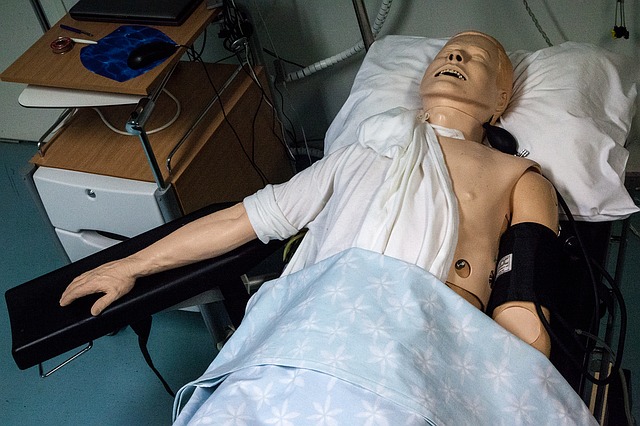
    Lying flat on the bed, John struggled with every breath. And as I continued to listen, his heart rate suddenly climbed, and I pulled my stethoscope away immediately.

    “I’m sorry, Mr. Smith, are you doing OK?”

    “It’s OK. Man, I get anxious easily. Hope you’re learning something.”

    “What do you think Mr. Smith has TJ?”

    “I’m not sure. It might be heart failure or something congenital.”

    “Good thinking, it could be Tetralogy of Fallot — or ToF for short — which would explain the harsh, systolic murmur. Mr. Smith, have you been diagnosed with a heart condition in the past?”

    “Not to my knowledge. No. I do fear that I will die from this. Will I die?”

    “We don’t know enough to say more, but we’ll do some imaging and come see you right after.”

    A few minutes later, a chest X-ray was completed. My preceptor and I reviewed the images.

    “You see the shape of the heart? It’s what people call ‘boot-shaped.’ It indicates that the right ventricle is enlarged, classic for ToF.”

    It was a slow night, so we were able to get a stat echo done for John. It was confirmed to be Tetralogy of Fallot — a rare heart condition where the septum is not fully developed between the left and right ventricles and oxygenated and deoxygenated blood continuously mix together. This explains his shortness of breath and fatigue.

    Earlier in the morning, John was discharged from a nearby hospital to go to court. Within the hour, he yelled at the judge and collapsed in the courtroom. When admitted to the hospital, his O2 saturation was 60 percent.

    When I talked with him, I learned that he had been hospitalized numerous times for similar faint spells and that he had no family or friends to contact. He is a smoker, a drinker, has a history of high blood pressure, and is taking more medications than I can remember. Now, he is in limbo because his jail refuses to take him back.

    “He will likely die,” my preceptor told me. “It’s unfortunate he wasn’t operated on as a child, things could be much different for him right now.”

    “He wouldn’t be eligible for a heart transplant?”

    “It’s possible, but it may be too big of a hurdle to overcome. His track record and prognosis work against him.”

    “Why did he fall through the cracks?”

    “Likely because his family was uninsured, was from a disadvantaged background. Everyone that comes through here is disadvantaged in one way or another.”

    I didn’t see John again as he was transferred right away to the patient floor upstairs, but I still think of him. That night, I prayed for his well-being and that he will find hope and solace. To this day, I continue to pray for my patients.

    This was only my second time in the ER, but I have witnessed more than I could have ever imagined. Blood, cursing, yelling and crying. If you let the people get to you, the environment will overwhelm your senses.

    The ER is not without its brave medical staff (doctors, nurses, PAs) that come to work every day to care for and treat whoever comes through the front door. Every person who comes through the front doors has a case that is either dire or trivial. If not enough attention and care is given to a case that seems trivial, something grave can be overlooked. Maybe John could have been helped if his heart condition was caught early on. Or perhaps not, I don’t know.

    Writing this a few years after our interaction, I can say with confidence that if you respect every patient and not bring bias into your decision making, then every patient you see will be better off because of your diligence and genuine care.

    Read the article here

    Share this Post

    Share Explaining Medicine Share Explaining Medicine

    What my first patient in medical school taught me was last modified: December 28th, 2018 by Ton La Jr.

    Related

    medical school
    0 comment
    0
    Facebook Twitter Google + Pinterest
    Ton La Jr.

    previous post
    Ruth Bader Ginsburg Has Surgery for Lung Cancer
    next post
    Researchers Show Parachutes Don’t Work, But There’s A Catch

    Related Articles

    The superwoman phenomenon is real

    April 19, 2019

    Kids’ ER Trips for Swallowed Objects Nearly Double

    April 12, 2019

    3 Ways to Cook Butternut Squash

    November 7, 2016

    A New Generation Overthrows Gender

    May 2, 2017

    Why the VA in Atlanta is throwing ‘drive-through’ baby showers for pregnant veterans

    April 24, 2023

    To Prevent Doctor Suicides, Employers Rethink How Doctors Work

    July 31, 2018

    How the overdiagnosis of TB harms infertile women

    May 8, 2018

    Scans Show Female Brains Remain Youthful As Male Brains Wind Down

    February 4, 2019

    Heavy Drinking Can Harm the Aging Brain

    September 29, 2016

    15 Percent of Teens Say They’ve Sexted

    February 26, 2018

    Recent Posts

    • Flu shot recommendation for kids dropped just as the illness rages

      January 12, 2026
    • The CDC just sidelined these childhood vaccines. Here’s what they prevent

      January 9, 2026
    • Your next primary care doctor could be online only, accessed through an AI tool

      January 9, 2026
    • In Lodge Grass, Montana, a Crow community works to rebuild from meth’s destruction

      January 8, 2026
    • RFK Jr.’s new dietary guidelines go all in on meat and dairy

      January 7, 2026

    Keep in touch

    Facebook Twitter Google + RSS

    Recent Posts

    • Flu shot recommendation for kids dropped just as the illness rages

      January 12, 2026
    • The CDC just sidelined these childhood vaccines. Here’s what they prevent

      January 9, 2026
    • Your next primary care doctor could be online only, accessed through an AI tool

      January 9, 2026
    • In Lodge Grass, Montana, a Crow community works to rebuild from meth’s destruction

      January 8, 2026
    • RFK Jr.’s new dietary guidelines go all in on meat and dairy

      January 7, 2026
    • Terms of Service
    • Privacy Policy

    @2026 - Explaining Medicine. All Right Reserved.


    Back To Top
    Explaining Medicine
    Proudly powered by WordPress Theme: soledad child.