Explaining Medicine
  • News
  • Health & Lifestyle
    • Diet & Weight Management
    • Exercise & Fitness
    • Nutrition, Food & Recipes
    • Prevention & Wellness
  • Conditions
    • Custom1
      • Conditions A-Z
      • Procedures A-Z
      • Allergies
      • Alzheimer’s
      • Arthritis
      • Asthma
      • Blood Pressure
      • Cholesterol
      • Cancer
    • Custom2
      • Chronic Pain
      • Cold Flu
      • Depression
      • Diabetes
      • Digestion
      • Eyesight
      • Health Living
      • Healthy Kids
      • Hearing Ear
    • Custom3
      • Heart
      • HIV/AIDS
      • Infectious Disease
      • Lung Conditions
      • Menopause
      • Men’s Health
      • Mental Health
      • Migraine
      • Neurology
    • Custom4
      • Oral Health
      • Pregnancy
      • Senior Health
      • Sexual Health
      • Skin Problems
      • Sleep
      • Thyroid
      • Travel Health
      • Women’s Health
  • Medications
    • Medications
    • Supplements and Vitamins
  • Medical Dictionary
  • Health Alerts
Flu shot recommendation for kids dropped just as...
The CDC just sidelined these childhood vaccines. Here’s...
Your next primary care doctor could be online...
In Lodge Grass, Montana, a Crow community works...
RFK Jr.’s new dietary guidelines go all in...
More seniors are becoming homeless. Shelters are trying...
Health officials slash the number of vaccines recommended...
Wegovy obesity pill now available at pharmacies
In the U.S., hunger is often hidden. But...
One doctor’s experience shows the battle for the...
Top Posts

Explaining Medicine

  • News
  • Health & Lifestyle
    • Diet & Weight Management
    • Exercise & Fitness
    • Nutrition, Food & Recipes
    • Prevention & Wellness
  • Conditions
    • Custom1
      • Conditions A-Z
      • Procedures A-Z
      • Allergies
      • Alzheimer’s
      • Arthritis
      • Asthma
      • Blood Pressure
      • Cholesterol
      • Cancer
    • Custom2
      • Chronic Pain
      • Cold Flu
      • Depression
      • Diabetes
      • Digestion
      • Eyesight
      • Health Living
      • Healthy Kids
      • Hearing Ear
    • Custom3
      • Heart
      • HIV/AIDS
      • Infectious Disease
      • Lung Conditions
      • Menopause
      • Men’s Health
      • Mental Health
      • Migraine
      • Neurology
    • Custom4
      • Oral Health
      • Pregnancy
      • Senior Health
      • Sexual Health
      • Skin Problems
      • Sleep
      • Thyroid
      • Travel Health
      • Women’s Health
  • Medications
    • Medications
    • Supplements and Vitamins
  • Medical Dictionary
  • Health Alerts
  • Slideshows

    Breast Cancer: 10 Things Young Women Should Know

    by explainingmedicine October 14, 2016

    Breast Cancer in Women Under 40

    Each year, nearly 13,000 women under age 40 will be diagnosed with breast cancer, making up about 7% of all breast cancer cases, and 40% of all cancers of women in this age group.

    Throughout her lifetime, a woman has a 1 in 8 risk of developing breast cancer. No matter what your age you need to be aware of risk factors. In many cases of breast cancer early diagnosis is the key to survival.

    This slideshow will tell you 10 things every young woman should know about breast cancer.
    What is Breast Cancer?

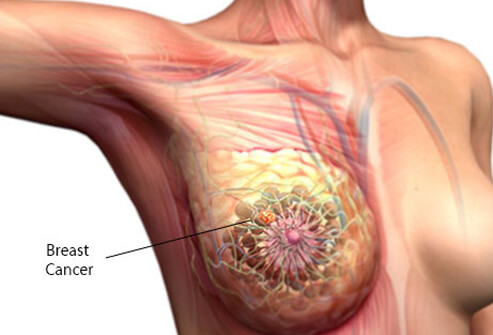
    Breast cancer is the most common cancer in American women, and it is the second most common cause of cancer deaths in women. (Lung cancer still kills almost 4 times as many women each year as breast cancer.) Breast cancer occurs rarely in men as well. There are about 230,000 new cases of breast cancer diagnosed in women the U.S. each year, and about 2,300 new cases diagnosed in men.

    To understand breast cancer, it's important to learn the anatomy of the breast. Most of the breast is comprised of fatty (adipose) tissue, and within that are ligaments, connective tissue, lymph vessels and nodes, and blood vessels. In a female breast there are 12-20 sections within it called lobes, each made up of smaller lobules that produce milk. The lobes and lobules are connected by ducts, which carry the milk to the nipple.

    The most common type of breast cancer is cancer of the ducts, called ductal carcinoma that accounts for just over 80% of all breast cancers. Cancer of the lobes (lobular carcinoma) makes up just over 10% of cases. The rest of the breast cancers have characteristics of both ductal and lobular carcinomas, or have unknown origins.

    1. Know Your Breasts

    While women under 40 only make up about 7% of all diagnosed breast cancer cases, breast cancer is a leading cause of death among young women age 15-34. It is important to know your breasts. Know how they feel, and have your doctor teach you how to do a proper breast self-exam, if you choose, to help you notice when there are changes that need to be examined by a doctor.

    2. Know The Risk Factors

    Younger women may have a higher risk for developing breast cancer with the following risk factors:

    • Certain inherited genetic mutations for breast cancer (BRC A1 and/or BRCA2)
    • A personal history of breast cancer before age 40
    • Two or more first-degree relatives (mother, sister, daughter) with breast cancer diagnosed at an early age
    • High-dose radiation to the chest
    • Early onset of menstrual periods (before age 12)
    • First full-term pregnancy when you are over 30 years old
    • Dense breasts
    • Heavy alcohol consumption
    • Obesity
    • Sedentary lifestyle
    • High intake of red meat and poor diet
    • Race (Caucasian women have a higher risk)
    • Personal history of endometrium, ovary, or colon cancer
    • Recent oral contraceptive use

    3. Breast Changes to Watch

    Watch for changes to your breasts, and if you notice any of the following, see your doctor:

    • A lump in or near your breast or under your arm
    • Changes in the size or shape of your breast
    • Dimpling, puckering, or bulging of the skin
    • A nipple that has changed position or an inverted nipple (pushed inward instead of sticking out)
    • Skin redness, soreness, rash
    • Swelling
    • Nipple discharge (could be a watery, milky, or yellow fluid, or blood)

    Normal breast tissue may be lumpy, which is why it is important to know how your breasts normally feel. Most lumps are not cancer. Many women choose to perform breast self-exams so they will know if a new lump appears or an existing lump changes size. However, breast self-exams are not a substitute for mammograms.

    These changes may not necessarily indicate that you have breast cancer, but they could and should be evaluated.

    4. Be Persistent and Speak Up

    Be your own health advocate and make sure you mention any breast changes or lumps to your doctor. Some patient concerns are dismissed because they are "too young" to have breast cancer. If you think you feel something, seek answers. Don't be afraid to get a second opinion and more information.

    5. Find The Right Doctor

    If you are diagnosed with breast cancer, it's important to find the right medical team to work with you. It may be tempting to stick with your first doctor, but it's always a good idea to get a second opinion and make sure you are seeing the right specialists for your type of cancer. You may see several different types of oncologists (cancer specialists), including medical, surgical, and radiation oncologists. The medical specialists you see should be well versed on all the new treatments and approaches including genetics and neoadjuvant therapy (chemotherapy before surgery). Make sure your doctors know the National Comprehensive Cancer Network (NCCN) treatment guidelines which determine treatment based on stage of the disease and prognostic factors of the tumor that are considered the gold standard. You may also want a care-manager or caseworker to help you on your journey.

    6. Know Your Medical History

    It is important to know your family history and share it with your doctor. Women with a first-degree relative (mother, sister, daughter) with breast cancer have nearly twice the risk of being diagnosed with breast cancer as a woman who has no family history. Tell your doctor which family member(s) had breast cancer or other breast diseases, and how old they were when diagnosed.

    7. Seek a Second Opinion

    Most doctors will suggest getting a second opinion, and even if they do not, it is always a good idea. Most insurance will cover it. It's important to seek a specialist in breast cancer who is up to date on the latest treatments and can help you make the best decisions on how to proceed. You may discuss your diagnosis with another pathologist who can review your breast tissue slides and confirm a diagnosis, or another medical oncologist, surgical oncologist, or radiation oncologist to determine the best treatment choices.

    8. Know It's OK to Ask Questions

    Ask questions! You should be an active participant in your care. Your medical team should explain to you any medical terms you do not understand, explain your treatment choices, possible side effects, and expected outcome. Ask for references to additional specialists you can talk to so you can learn more about your breast cancer. If you have not yet been diagnosed with breast cancer but are at high risk, ask your doctors about testing and any preventive measures you can take.

    Also don't be afraid to ask family and friends for support. Seek support groups with other people who are going through what you are, or who have gone through it. Bring a close friend or family member to your appointments to both take notes, or record your visit, and to encourage you to request clarification if anything is unclear. Express your feelings and concerns.

    9. Do Some Research

    If you are diagnosed with breast cancer, learn about your specific diagnosis. Understand what terms such as stage and grade mean, and how they impact your treatment options.

    Helpful resources:

    • BreastCancer.org
    • Young Survival Coalition
    • Facing Our Risk of Cancer Empowered (FORCE), for women at genetically higher risk of developing cancer.
    • NCCN.org – guideline on breast cancer written for patients

    10. Network With Other Young Women

    It can feel isolating to be diagnosed with breast cancer at a younger age, but there is support available and it can be helpful to connect with other women your age who are going through what you are, or who have beat breast cancer. You can start by asking your doctor about any local support groups. In addition, you can find support groups by searching online.

    Some resources to find support groups include:

    • The National Cancer Institute's Cancer Information Service (1-800-4-CANCER; 1-800-422-6237)
    • Local chapters of the American Cancer Society
    • Local chapters of Susan G. Komen for the Cure

    Breast Cancer Prevention for Young Women

    If you are a young woman there are some risk factors for breast cancer you can avoid.

    • Don't smoke
    • Exercise regularly
    • Eat a healthy diet, with an emphasis on plant foods
    • Limit consumption of red meats and processed meats
    • Maintain a healthy weight
    • Limit or avoid alcohol consumption
    • If possible, avoid shift work, especially at night

    Changing your lifestyle and habits may not completely prevent you from getting cancer but it can lower your risk, especially if you have some unavoidable risk factors already such as a genetic history.

    0 comment
    0
    Facebook Twitter Google + Pinterest
    explainingmedicine

    previous post
    Breast Cancer: Diagnosis and Treatment
    next post
    Baby Health: The Facts About Bottle Feeding

    Related Articles

    Non-Surgical Cosmetic Facial Procedures: Before and After Pictures

    October 14, 2016

    COPD: Energy-Boosting Foods for COPD

    October 14, 2016

    Exercise and Fitness: Beach Body Essentials for Men

    October 14, 2016

    Ear Infections: Treatments for Children & Adults

    October 14, 2016

    Food and Recipes: 6 Easy Ways for Awesome Eggs

    October 14, 2016

    Lowering Blood Pressure: Exercise Tips for Getting Started

    October 14, 2016

    Women’s Cancer: 15 Cancer Symptoms Women Ignore

    October 14, 2016

    Enterovirus D68: Causes, Symptoms, and Treatment for the EV-D68 Virus

    October 14, 2016

    Skinny Sipping: The Best and Worst Beverages for Weight Loss

    October 14, 2016

    Teen Girls: DIY Skin and Hair Care for Girls

    October 14, 2016

    Recent Posts

    • Flu shot recommendation for kids dropped just as the illness rages

      January 12, 2026
    • The CDC just sidelined these childhood vaccines. Here’s what they prevent

      January 9, 2026
    • Your next primary care doctor could be online only, accessed through an AI tool

      January 9, 2026
    • In Lodge Grass, Montana, a Crow community works to rebuild from meth’s destruction

      January 8, 2026
    • RFK Jr.’s new dietary guidelines go all in on meat and dairy

      January 7, 2026

    Keep in touch

    Facebook Twitter Google + RSS

    Recent Posts

    • Flu shot recommendation for kids dropped just as the illness rages

      January 12, 2026
    • The CDC just sidelined these childhood vaccines. Here’s what they prevent

      January 9, 2026
    • Your next primary care doctor could be online only, accessed through an AI tool

      January 9, 2026
    • In Lodge Grass, Montana, a Crow community works to rebuild from meth’s destruction

      January 8, 2026
    • RFK Jr.’s new dietary guidelines go all in on meat and dairy

      January 7, 2026
    • Terms of Service
    • Privacy Policy

    @2026 - Explaining Medicine. All Right Reserved.


    Back To Top
    Explaining Medicine
    Proudly powered by WordPress Theme: soledad child.