Explaining Medicine
  • News
  • Health & Lifestyle
    • Diet & Weight Management
    • Exercise & Fitness
    • Nutrition, Food & Recipes
    • Prevention & Wellness
  • Conditions
    • Custom1
      • Conditions A-Z
      • Procedures A-Z
      • Allergies
      • Alzheimer’s
      • Arthritis
      • Asthma
      • Blood Pressure
      • Cholesterol
      • Cancer
    • Custom2
      • Chronic Pain
      • Cold Flu
      • Depression
      • Diabetes
      • Digestion
      • Eyesight
      • Health Living
      • Healthy Kids
      • Hearing Ear
    • Custom3
      • Heart
      • HIV/AIDS
      • Infectious Disease
      • Lung Conditions
      • Menopause
      • Men’s Health
      • Mental Health
      • Migraine
      • Neurology
    • Custom4
      • Oral Health
      • Pregnancy
      • Senior Health
      • Sexual Health
      • Skin Problems
      • Sleep
      • Thyroid
      • Travel Health
      • Women’s Health
  • Medications
    • Medications
    • Supplements and Vitamins
  • Medical Dictionary
  • Health Alerts
Flu shot recommendation for kids dropped just as...
The CDC just sidelined these childhood vaccines. Here’s...
Your next primary care doctor could be online...
In Lodge Grass, Montana, a Crow community works...
RFK Jr.’s new dietary guidelines go all in...
More seniors are becoming homeless. Shelters are trying...
Health officials slash the number of vaccines recommended...
Wegovy obesity pill now available at pharmacies
In the U.S., hunger is often hidden. But...
One doctor’s experience shows the battle for the...
Top Posts

Explaining Medicine

  • News
  • Health & Lifestyle
    • Diet & Weight Management
    • Exercise & Fitness
    • Nutrition, Food & Recipes
    • Prevention & Wellness
  • Conditions
    • Custom1
      • Conditions A-Z
      • Procedures A-Z
      • Allergies
      • Alzheimer’s
      • Arthritis
      • Asthma
      • Blood Pressure
      • Cholesterol
      • Cancer
    • Custom2
      • Chronic Pain
      • Cold Flu
      • Depression
      • Diabetes
      • Digestion
      • Eyesight
      • Health Living
      • Healthy Kids
      • Hearing Ear
    • Custom3
      • Heart
      • HIV/AIDS
      • Infectious Disease
      • Lung Conditions
      • Menopause
      • Men’s Health
      • Mental Health
      • Migraine
      • Neurology
    • Custom4
      • Oral Health
      • Pregnancy
      • Senior Health
      • Sexual Health
      • Skin Problems
      • Sleep
      • Thyroid
      • Travel Health
      • Women’s Health
  • Medications
    • Medications
    • Supplements and Vitamins
  • Medical Dictionary
  • Health Alerts
  • Slideshows

    Bursitis Pictures Slideshow: Treatments for Hip, Knee Shoulder and More

    by explainingmedicine October 14, 2016

    What Is Bursitis?

    Bursitis is inflammation of the bursae, the fluid-filled sacs that protect against friction between bones and other tissues. Depending on the location in the body, bursae may cushion bones from other bones, tendons, muscle, or skin. Bursitis can occur in many areas of the body. It is most common in the elbows and wrists. The ankles, hips, or knees may also be affected. Bursitis is caused by overuse injury or other trauma. Repetitive movements increase the risk of bursitis. Certain conditions like thyroid disease, diabetes, arthritis, and infections can inflame the bursa.

    Hip Bursitis

    Hip bursitis occurs as a result of inflammation of one of two bursae located around the hip. Trochanteric bursitis is inflammation of the bursa that covers the end of the long bone of the leg (femur). It is more common than iliopsoas bursitis, which is inflammation of the bursa on the inside of the hip in the groin. In addition to the usual risk factors for bursitis, a difference in the length of the legs and spine disorders (arthritis, scoliosis, and others) also increase the risk of bursitis.

    Knee Bursitis

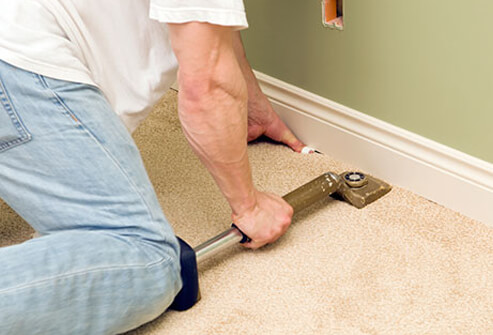
    Knee bursitis occurs when the bursa in front of the kneecap becomes inflamed. Strain on the knees from kneeling is a common cause of knee bursitis. Direct trauma to the knee or conditions such as rheumatoid arthritis or gout also increases the risk. Sometimes a bug bite or wound introduces bacteria into the bursa, causing inflammation associated with infection. Knee bursitis may produce symptoms like swelling, warmth, and pain with use.

    Elbow Bursitis

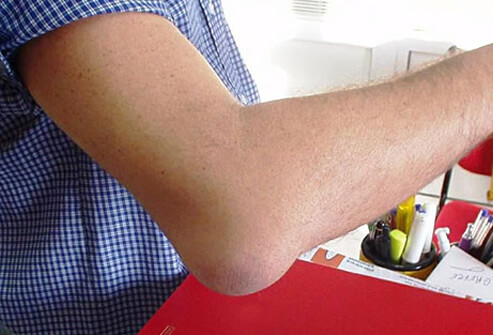
    Elbow bursitis is inflammation of the bursa covering the pointy part of the elbow called the olecranon. Leaning on the elbows for extended periods of time may cause elbow bursitis. Injury, infection, and arthritic conditions may contribute to the condition. Elbow bursitis may cause swelling and pain. If swelling is very severe, it may impair use of the elbow joint.

    Shoulder Bursitis

    The shoulder is a complicated joint that allows for a wide range of motion. The upper arm bone (humerus) is held within the socket by muscles and tendons on the top of the shoulder known as the rotator cuff. The rotator cuff attaches the arm to the shoulder blade (scapula). A bursa cushions the space between the rotator cuff and a portion of the scapula called the acromion. Inflammation of the bursa may cause pain, swelling, and stiffness. Overuse injuries due to sports like swimming and tennis may cause shoulder bursitis. Pain may occur when using the arm as well as at rest.

    Heel Bursitis

    Heel pain can be caused by a variety of reasons. Pain in the back of the heel may be due to inflammation of the bursa located in the area where the heel bone connects to the Achilles tendon. This bursa is called the retrocalcaneal bursa. Overuse injury from running may cause retrocalcaneal bursitis. Ill-fitting shoes that cut into the back of the heel can also provoke the condition. This type of bursitis may be very painful and make it hard to walk and do normal activities.

    Ischial Bursitis

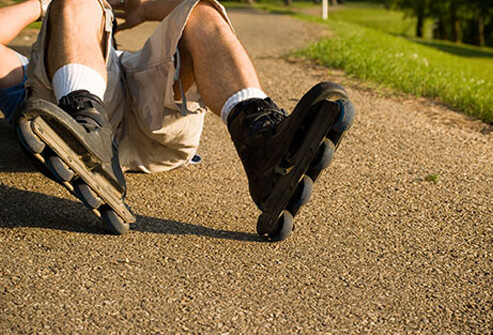
    Ischial bursitis is inflammation of the bursa that lies between the buttocks and the sitting bones. Sitting too long may cause ischial bursitis. Falling on the area may also provoke the condition. Once the ischial bursa is inflamed, sitting, walking, running, and climbing stairs may aggravate the condition and cause pain.

    Aseptic vs. Septic Bursitis

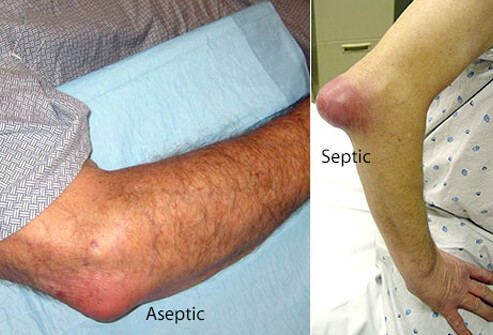
    Septic bursitis refers to inflammation of the bursa caused by an infection. Aseptic bursitis refers to inflammation of the bursa that is caused by something other than infection, such as rheumatoid arthritis, gout, physical trauma, or overuse injury. The majority of cases of septic knee bursitis (80%) are caused by the bacteria Staphylococcus aureus. Other organisms, including fungi, Streptococcus, Brucella, and Mycobacteria may cause septic bursitis. The condition is managed by resting, draining excess fluid, and administering antibiotics.

    Calcific Bursitis

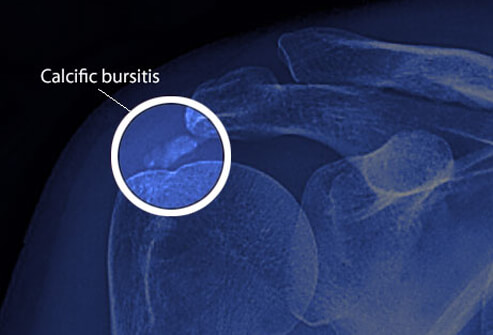
    Calcific bursitis refers to calcium deposits that build up in a bursa and cause pain and inflammation. The shoulders are the most common site for calcific bursitis although the hips, knees, wrists, and elbows may also be affected. Calcific bursitis may be associated with buildup of calcium deposits in nearby tendons as well.

    Bursitis Diagnosis

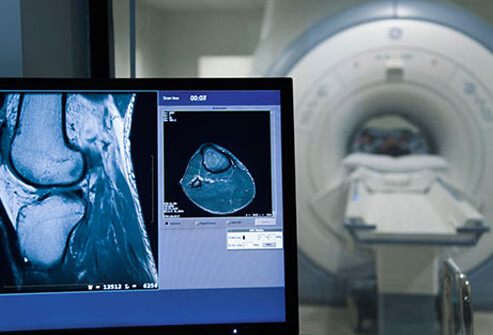
    Bursitis can be diagnosed by a doctor based on a medical history, exam, and tests. Tests may include imaging with X-rays, an ultrasound, or an MRI. The doctor may order blood work or microscopic investigation of fluid drained from the affected bursa. Once the underlying cause of bursitis has been identified, the doctor can determine the appropriate course of treatment.

    Bursitis Treatment

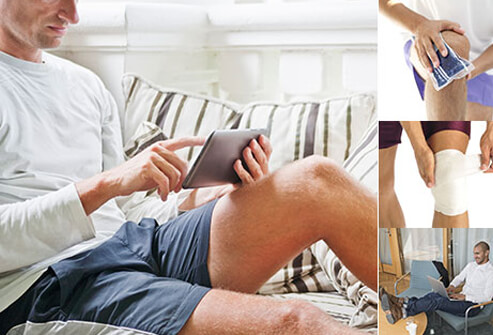
    Treatment for bursitis depends on the underlying cause. Rest, Ice, Compression, and Elevation (RICE) is one strategy to decrease the symptoms of bursitis. Pain and swelling may be managed with nonsteroidal anti-inflammatory drugs (NSAIDs). If the bursa is very swollen, the doctor may drain excess fluid. Corticosteroids injected into the affected bursa are sometimes used to decrease inflammation. The doctor may recommend the use of a cane, splint, brace, or other support to reduce stress on the affected joint. In some cases, physical therapy may be ordered to help strengthen the area and encourage improved mobility. Surgery may be considered in severe cases when other treatments have been ineffective.

    Bursitis Prevention

    Taking certain precautions with movement is a way to protect joints and decrease the risk of bursitis. Changing positions and taking breaks every 20 to 40 minutes helps minimize strain on any one joint. Warming up and stretching before exercise helps protect joints. Exercising regularly and building up strength is better than pushing oneself too hard and straining joints that have not yet had the chance to adapt to increased amounts of activity. Stopping activities that cause pain is also a good idea.

    0 comment
    0
    Facebook Twitter Google + Pinterest
    explainingmedicine

    previous post
    Breast Cancer Deaths Continue to Decline in U.S.
    next post
    Gout: See & Learn About Gouty Arthritis Attacks

    Related Articles

    Concentration Killers: Brain Drains of Modern Life

    October 14, 2016

    Pain Management: 10 Daily Habits to Reduce Chronic Pain

    October 14, 2016

    Balance Disorders: Vertigo, Migraines, Motion Sickness and More

    October 14, 2016

    Understanding Cancer: Metastasis, Stages of Cancer, Pictures

    October 14, 2016

    Osteoarthritis: Tips to Keep Joints Healthy

    October 14, 2016

    Bad Bugs: Identify Bugs and Their Bites

    October 14, 2016

    Hemorrhoids: An Illustrated Guide to Treatment

    October 15, 2016

    Pink Eye (Conjunctivitis): Learn About This Common Eye Condition

    October 14, 2016

    9 Tips for Flat Abs: Learn How to Get Them

    October 14, 2016

    Teen Boys: Sports, Gym and Locker Room Gross-Outs

    October 14, 2016

    Recent Posts

    • Flu shot recommendation for kids dropped just as the illness rages

      January 12, 2026
    • The CDC just sidelined these childhood vaccines. Here’s what they prevent

      January 9, 2026
    • Your next primary care doctor could be online only, accessed through an AI tool

      January 9, 2026
    • In Lodge Grass, Montana, a Crow community works to rebuild from meth’s destruction

      January 8, 2026
    • RFK Jr.’s new dietary guidelines go all in on meat and dairy

      January 7, 2026

    Keep in touch

    Facebook Twitter Google + RSS

    Recent Posts

    • Flu shot recommendation for kids dropped just as the illness rages

      January 12, 2026
    • The CDC just sidelined these childhood vaccines. Here’s what they prevent

      January 9, 2026
    • Your next primary care doctor could be online only, accessed through an AI tool

      January 9, 2026
    • In Lodge Grass, Montana, a Crow community works to rebuild from meth’s destruction

      January 8, 2026
    • RFK Jr.’s new dietary guidelines go all in on meat and dairy

      January 7, 2026
    • Terms of Service
    • Privacy Policy

    @2026 - Explaining Medicine. All Right Reserved.


    Back To Top
    Explaining Medicine
    Proudly powered by WordPress Theme: soledad child.