by
What is COPD?
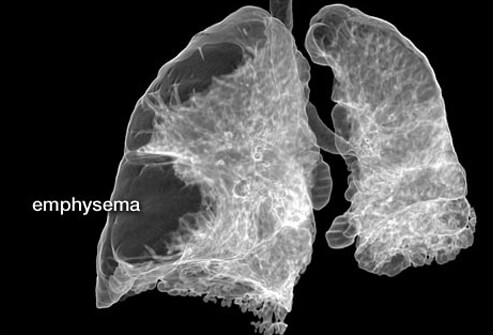
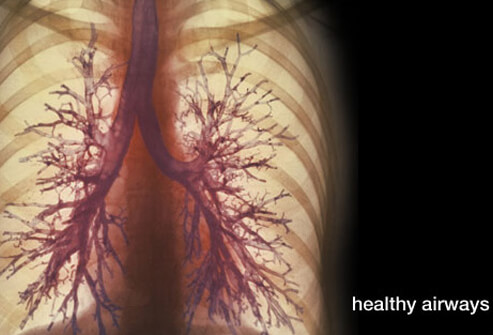
COPD is the abbreviation for chronic obstructive pulmonary disease. COPD is a lung disease that results from obstructions in the airways of the lungs that lead to breathing problems. Although COPD is a progressive disease, early diagnosis and treatment may slow its progression. COPD may be complicated by chronic bronchitis or emphysema; some patients develop both problems that lead to additional breathing problems. Some clinicians consider chronic bronchitis and emphysema as simply further manifestations of COPD.
How Does COPD Affect the Lungs?
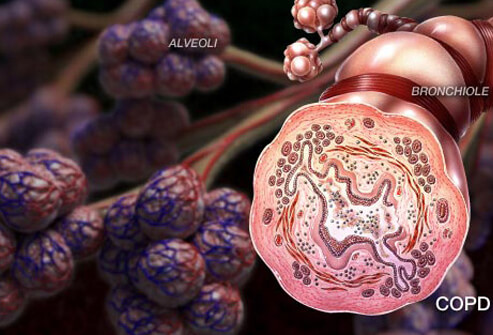
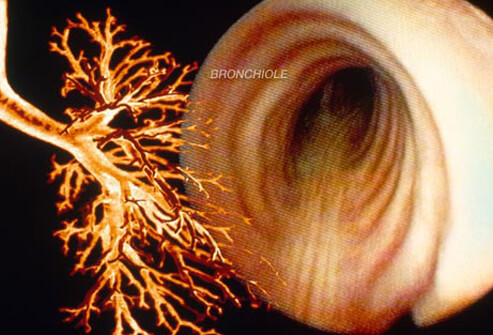
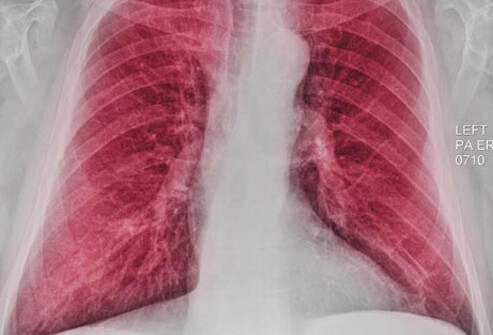
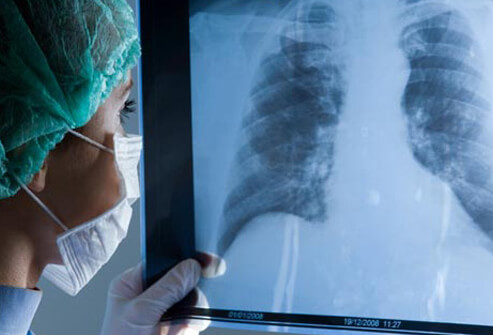
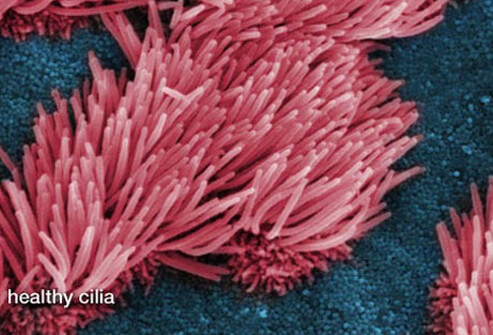
Damage to the lung tissue over time causes physical changes in the lungs and the airways become clogged with thick mucus. Compliance (the ability of the lung tissue to expand) becomes weakened because of this lung tissue damage. This weakened compliance or elasticity of the lungs means that oxygen cannot get to the air spaces where oxygen and carbon dioxide exchange occurs in the lung. This all leads to coughing to remove the thick mucus and eventually, difficulty in breathing.