Explaining Medicine
  • News
  • Health & Lifestyle
    • Diet & Weight Management
    • Exercise & Fitness
    • Nutrition, Food & Recipes
    • Prevention & Wellness
  • Conditions
    • Custom1
      • Conditions A-Z
      • Procedures A-Z
      • Allergies
      • Alzheimer’s
      • Arthritis
      • Asthma
      • Blood Pressure
      • Cholesterol
      • Cancer
    • Custom2
      • Chronic Pain
      • Cold Flu
      • Depression
      • Diabetes
      • Digestion
      • Eyesight
      • Health Living
      • Healthy Kids
      • Hearing Ear
    • Custom3
      • Heart
      • HIV/AIDS
      • Infectious Disease
      • Lung Conditions
      • Menopause
      • Men’s Health
      • Mental Health
      • Migraine
      • Neurology
    • Custom4
      • Oral Health
      • Pregnancy
      • Senior Health
      • Sexual Health
      • Skin Problems
      • Sleep
      • Thyroid
      • Travel Health
      • Women’s Health
  • Medications
    • Medications
    • Supplements and Vitamins
  • Medical Dictionary
  • Health Alerts
Flu shot recommendation for kids dropped just as...
The CDC just sidelined these childhood vaccines. Here’s...
Your next primary care doctor could be online...
In Lodge Grass, Montana, a Crow community works...
RFK Jr.’s new dietary guidelines go all in...
More seniors are becoming homeless. Shelters are trying...
Health officials slash the number of vaccines recommended...
Wegovy obesity pill now available at pharmacies
In the U.S., hunger is often hidden. But...
One doctor’s experience shows the battle for the...
Top Posts

Explaining Medicine

  • News
  • Health & Lifestyle
    • Diet & Weight Management
    • Exercise & Fitness
    • Nutrition, Food & Recipes
    • Prevention & Wellness
  • Conditions
    • Custom1
      • Conditions A-Z
      • Procedures A-Z
      • Allergies
      • Alzheimer’s
      • Arthritis
      • Asthma
      • Blood Pressure
      • Cholesterol
      • Cancer
    • Custom2
      • Chronic Pain
      • Cold Flu
      • Depression
      • Diabetes
      • Digestion
      • Eyesight
      • Health Living
      • Healthy Kids
      • Hearing Ear
    • Custom3
      • Heart
      • HIV/AIDS
      • Infectious Disease
      • Lung Conditions
      • Menopause
      • Men’s Health
      • Mental Health
      • Migraine
      • Neurology
    • Custom4
      • Oral Health
      • Pregnancy
      • Senior Health
      • Sexual Health
      • Skin Problems
      • Sleep
      • Thyroid
      • Travel Health
      • Women’s Health
  • Medications
    • Medications
    • Supplements and Vitamins
  • Medical Dictionary
  • Health Alerts
  • Slideshows

    Nasal Irrigation: Natural Relief for Cold & Allergy Symptoms

    by explainingmedicine October 14, 2016

    How Nasal Irrigation Works

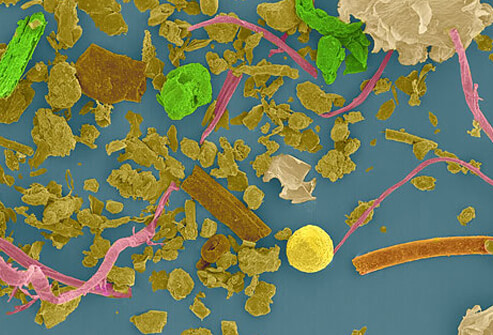
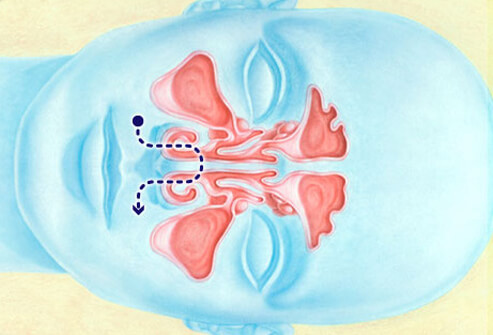
    Got a stuffy nose from allergies or a cold? Nasal irrigation may help. Here's how it works. You pour a saline solution into one nostril. As it flows through your nasal cavity into the other nostril, it washes out mucus and allergens. Use this step-by-step guide to see how to do it.


    Step 1: Decide What You'll Need

    For nasal irrigation, you'll need a container and saline solution. You can buy prefilled containers, or use a bulb syringe or neti pot. All are available at drugstores.

    Step 2: Mix the Saline Solution

    If you choose a prefilled bottle, skip this step. Otherwise, you can buy a saline solution powder and follow the directions on the label or make your own. Start with one to two cups of warm water. Add 1/4 to 1/2 teaspoon of non-iodized salt and a pinch of baking soda to soften the effect of the salt. Use distilled, sterile, or previously boiled and cooled water to make the solution to help prevent infection.

    Step 3: Get in Position

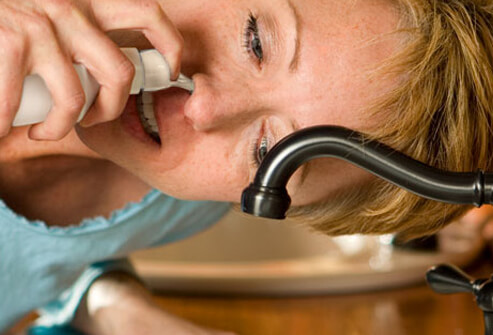
    If you are using a squeeze bottle, neti pot, or syringe, lean forward over the sink, at about a 45-degree angle. Tilt your head so that one nostril is pointed down toward the sink. Don't tilt your head back.

    Step 4: Pour in the Saline Solution

    Place the spout of a neti pot or the tip of a syringe or squeeze bottle just inside your nose. The tip should go in no further than a finger's width. Keeping your mouth open, squeeze the bulb syringe or bottle, or tilt the pot to pour the water into your nostril. Remember to breathe through your mouth, not your nose.

    Step 5: Let It Drain

    The salt water will run through your nasal passages and drain out of your other nostril and maybe your mouth. You should spit it out and not swallow it. But if some does go down your throat it won't hurt you.

    Step 6: Clear Your Nose and Repeat

    Gently blow your nose to clear out the remaining solution. Repeat the procedure with your other nostril. When you're done, throw away any leftover solution and thoroughly clean the items you used. Let them air dry. Store them in a clean, dry place.

    What If It Stings or Burns?

    Try using less salt in the saline solution, and make sure you're using lukewarm -- not hot or cold -- water. Be sure to tilt your head to the side at a 45-degree angle, and don't tilt your head back. Keep your mouth open so you don't breathe through your nose and "snort" the saline solution.

    How Fast Does Nasal Wash Work?

    You may see results after just one or two times. The benefits grow as you continue to do it. One study showed that long-term nasal irrigation helped people feel in control of their sinus symptoms and really improved their quality of life.

    How Often Do You Use Nasal Wash?

    Using a saline solution just once a day can help thin mucus, decrease postnasal drip, and clean bacteria from your nasal passages. It can also wash out allergens you've inhaled. After symptoms are gone, some people find three times a week is enough to keep them symptom free.

    Is Nasal Irrigation Right for You?

    Nasal irrigation can benefit people with chronic sinus symptoms, nasal allergies, acute sinusitis, colds, and even nasal symptoms from the flu. It can help both adults and kids. Some people use it every day to stay symptom free. You shouldn't use it, though, if you have an ear infection or a nostril that's plugged and hard to breathe through.

    How Sinuses Get Clogged

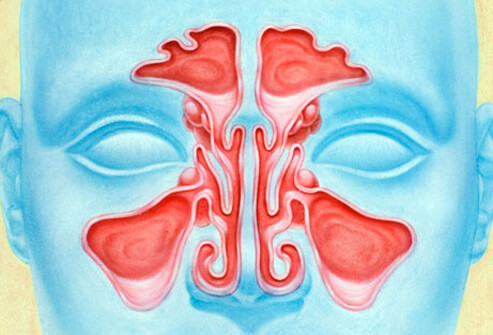
    The nose has two passages that filter air. In the bones of the skull are the four pairs of air-filled cavities called sinuses, which drain into these passages. The passages and sinuses are lined with a mucous membrane. If it becomes inflamed -- for instance from a cold or allergy -- it swells and blocks the sinuses from draining. Bacteria can build up leading to a sinus infection. That leads to more inflammation, swelling, stuffiness, and pain.

    Why Nasal Irrigation Helps

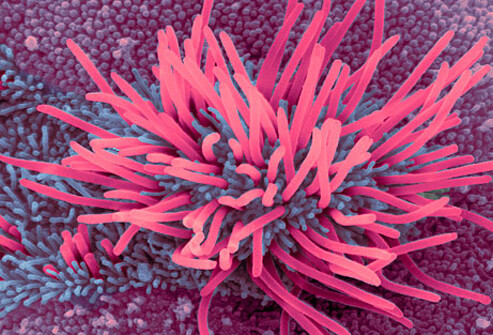
    In the mucous membranes, hair-like structures called cilia pass bacteria and other debris to the throat where they can be harmlessly swallowed. When membranes swell, cilia can't do their job. With nasal irrigation, you use the saline solution to rinse out your nasal passages. The salt water also restores moisture and eases inflammation of the mucous membranes. Swelling is reduced, making it easier to breathe.

    Ways to Reduce Allergens

    If you have allergies, avoiding allergy triggers will go a long way toward making it easier to breathe. That means doing things like using an air conditioner in your home and car during warm seasons, reducing indoor humidity, and always running the exhaust fans when showering and cooking. Vacuuming regularly and using protective mattress and pillow covers can help, too.

    Work With Your Doctor

    OOne study showed that people with chronic sinus problems who used nasal irrigation were able to use fewer medications. Talk with your doctor about what's right for you. And if you are taking medication now, don't stop without talking to your doctor first.

    0 comment
    0
    Facebook Twitter Google + Pinterest
    explainingmedicine

    previous post
    Nasal Allergy Relief: Products That Work
    next post
    Multiple Sclerosis: Famous Faces of MS

    Related Articles

    Foot Problems: Ingrown Toenails

    October 14, 2016

    AIDS Retrospective: Pictorial Timeline of the HIV/AIDS Pandemic

    October 14, 2016

    Balance Disorders: Vertigo, Migraines, Motion Sickness and More

    October 14, 2016

    Vitamin D: Do You Need a Vitamin D Supplement?

    October 14, 2016

    Rotator Cuff Injury: Causes, Symptoms, and Surgery

    October 14, 2016

    9 Tips for Flat Abs: Learn How to Get Them

    October 14, 2016

    Depression: Myths and Facts About Therapy

    October 14, 2016

    Cold & Flu : The 13 Germiest Places You Need to Know

    October 14, 2016

    Sciatica: A Common Cause of Back Pain

    October 14, 2016

    Parenting: How to Diaper Your Baby

    October 14, 2016

    Recent Posts

    • Flu shot recommendation for kids dropped just as the illness rages

      January 12, 2026
    • The CDC just sidelined these childhood vaccines. Here’s what they prevent

      January 9, 2026
    • Your next primary care doctor could be online only, accessed through an AI tool

      January 9, 2026
    • In Lodge Grass, Montana, a Crow community works to rebuild from meth’s destruction

      January 8, 2026
    • RFK Jr.’s new dietary guidelines go all in on meat and dairy

      January 7, 2026

    Keep in touch

    Facebook Twitter Google + RSS

    Recent Posts

    • Flu shot recommendation for kids dropped just as the illness rages

      January 12, 2026
    • The CDC just sidelined these childhood vaccines. Here’s what they prevent

      January 9, 2026
    • Your next primary care doctor could be online only, accessed through an AI tool

      January 9, 2026
    • In Lodge Grass, Montana, a Crow community works to rebuild from meth’s destruction

      January 8, 2026
    • RFK Jr.’s new dietary guidelines go all in on meat and dairy

      January 7, 2026
    • Terms of Service
    • Privacy Policy

    @2026 - Explaining Medicine. All Right Reserved.


    Back To Top
    Explaining Medicine
    Proudly powered by WordPress Theme: soledad child.