Explaining Medicine
  • News
  • Health & Lifestyle
    • Diet & Weight Management
    • Exercise & Fitness
    • Nutrition, Food & Recipes
    • Prevention & Wellness
  • Conditions
    • Custom1
      • Conditions A-Z
      • Procedures A-Z
      • Allergies
      • Alzheimer’s
      • Arthritis
      • Asthma
      • Blood Pressure
      • Cholesterol
      • Cancer
    • Custom2
      • Chronic Pain
      • Cold Flu
      • Depression
      • Diabetes
      • Digestion
      • Eyesight
      • Health Living
      • Healthy Kids
      • Hearing Ear
    • Custom3
      • Heart
      • HIV/AIDS
      • Infectious Disease
      • Lung Conditions
      • Menopause
      • Men’s Health
      • Mental Health
      • Migraine
      • Neurology
    • Custom4
      • Oral Health
      • Pregnancy
      • Senior Health
      • Sexual Health
      • Skin Problems
      • Sleep
      • Thyroid
      • Travel Health
      • Women’s Health
  • Medications
    • Medications
    • Supplements and Vitamins
  • Medical Dictionary
  • Health Alerts
Flu shot recommendation for kids dropped just as...
The CDC just sidelined these childhood vaccines. Here’s...
Your next primary care doctor could be online...
In Lodge Grass, Montana, a Crow community works...
RFK Jr.’s new dietary guidelines go all in...
More seniors are becoming homeless. Shelters are trying...
Health officials slash the number of vaccines recommended...
Wegovy obesity pill now available at pharmacies
In the U.S., hunger is often hidden. But...
One doctor’s experience shows the battle for the...
Top Posts

Explaining Medicine

  • News
  • Health & Lifestyle
    • Diet & Weight Management
    • Exercise & Fitness
    • Nutrition, Food & Recipes
    • Prevention & Wellness
  • Conditions
    • Custom1
      • Conditions A-Z
      • Procedures A-Z
      • Allergies
      • Alzheimer’s
      • Arthritis
      • Asthma
      • Blood Pressure
      • Cholesterol
      • Cancer
    • Custom2
      • Chronic Pain
      • Cold Flu
      • Depression
      • Diabetes
      • Digestion
      • Eyesight
      • Health Living
      • Healthy Kids
      • Hearing Ear
    • Custom3
      • Heart
      • HIV/AIDS
      • Infectious Disease
      • Lung Conditions
      • Menopause
      • Men’s Health
      • Mental Health
      • Migraine
      • Neurology
    • Custom4
      • Oral Health
      • Pregnancy
      • Senior Health
      • Sexual Health
      • Skin Problems
      • Sleep
      • Thyroid
      • Travel Health
      • Women’s Health
  • Medications
    • Medications
    • Supplements and Vitamins
  • Medical Dictionary
  • Health Alerts
  • Slideshows

    Low Testosterone: What Are the Effects of Low T?

    by explainingmedicine October 14, 2016

    What Is Testosterone?

    Testosterone is a hormone that is necessary for proper muscular development and masculinity. Testosterone is made in the testes (testicles). Women also have testosterone, but in much smaller amounts than in men. If testosterone levels are below normal, a doctor may prescribe one of several types of treatments. However, there is debate about who needs to be treated.


    What Does Testosterone Do?

    • Fuels the sex drive
    • Adds muscle mass
    • Regulates mood
    • Regulates bone strength

    Testosterone and Aging

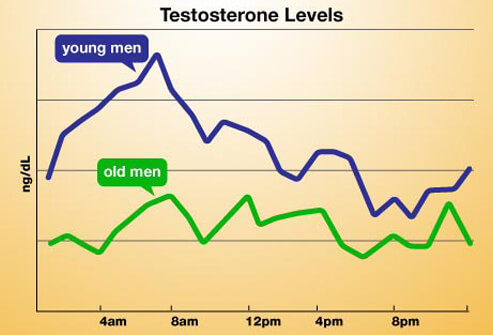
    Testosterone levels decrease as men age. Sometimes this lower level of testosterone is termed "andropause" or "male menopause." Symptoms of male menopause may not be caused by low testosterone, but additional research is needed. Many men do not show any symptoms of decreasing levels of testosterone.


    Symptoms of Male Menopause

    • Irritable moods
    • Decreased interest in sex
    • Hot flashes
    • Fatigue
    • Weakness
    • Depression

    Body Changes Caused by Low Testosterone

    How Low Testosterone Can Change the Male Body

    • Less muscle mass (atrophy of muscles)
    • Obesity
    • Loss of body hair
    • Smaller testicles
    • Softer testicles
    • Larger breasts

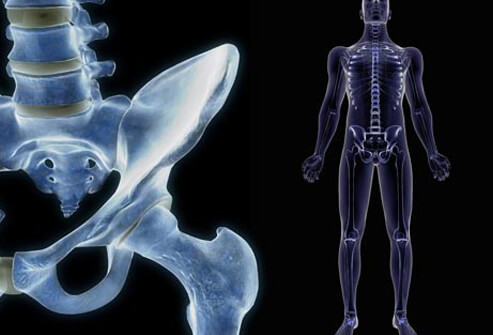
    Low Testosterone Affects Bones

    Although osteoporosis (brittle bone disease) is usually thought of as occurring mainly in women, the disease in men is commonly caused by low testosterone. Low testosterone levels can cause bones to thin, weaken, and become more likely to fracture.

    Low Testosterone and Sex

    Low testosterone doesn't always interfere with sex, but it is possible. Some men with low testosterone may experience a drop in libido while others lose interest in sex completely. Low testosterone levels can make sex more difficult because it may be tougher to get or keep an erection. Low testosterone might not be the sole cause of low libido; stress, sleep deprivation, depression, and chronic medical illnesses can also alter a man’s sex drive.

    Testosterone, Mood, and Thinking

    Some of the changes that may occur with low testosterone are nonspecific symptoms such as easy irritability, mood changes, poor concentration, and feeling fatigued or having less energy. However, these symptoms may be caused by a condition other than low testosterone.


    Other Health Problems That Mirror Low T Symptoms

    • Anemia
    • Sleep apnea
    • Depression
    • Other chronic illnesses

    Low Testosterone and Infertility

    One of the many functions of testosterone is to help produce sperm. When testosterone levels are low, the "sperm count" can also be low. If the sperm count is very low, the man may not be able to father a child.

    What Causes Low Testosterone?

    Although increased age is the most common cause of decreased testosterone levels in men, there can be other causes. Other common causes include:

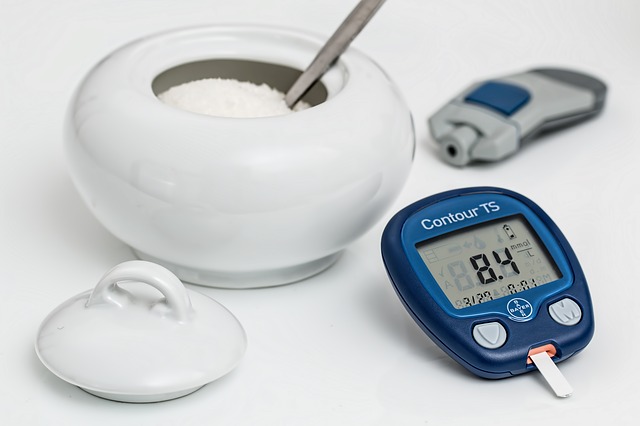
    • Diabetes
    • Kidney disease
    • Liver disease
    • Chronic obstructive pulmonary disease (COPD)
    • Testicular injuries
    • Pituitary gland problems
    • Radiation therapy
    • Chemotherapy
    • Steroid medications

    Should You Be Tested For Low Testosterone?

    You might need to be tested for low testosterone if you have erectile dysfunction (ED), a very low sex drive, low sperm count, loss of body hair, decrease of muscle mass, and osteoporosis. Conditions other than low testosterone could be the underlying cause of one’s symptoms. A doctor will want to rule out other conditions before diagnosing and treating low testosterone.

    Low Testosterone Testing

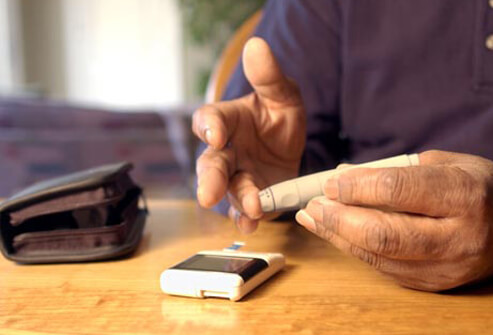
    Tests for testosterone levels are done by sampling the blood early in the morning when levels of testosterone are highest. Your doctor may want to run a second test a few days later to check for consistency in testosterone levels measured. Normal testosterone levels range from about 300 to 1000 nanograms per deciliter (ng/dL), although some labs consider 200 ng/dL the cutoff for low testosterone. Your doctor will help interpret the tests for you.

    Low Testosterone Treatment

    If you are diagnosed with low testosterone, your primary care doctor may suggest you see a specialist such as an urologist or an endocrinologist. Not everyone with low testosterone will need or qualify for treatment. These specialists will help guide your treatment and design an approach to your low testosterone problem that is best for you.

    Low Testosterone Treatment: Testosterone Replacement Therapy

    Low testosterone treatment is designed to boost testosterone levels. Studies suggest this increase in testosterone can strengthen muscles, protect bones, and improve sex drive. Testosterone replacement therapy is only recommended for men who have blood levels that show low testosterone. Such treatments can have different effects from one man to another so it is difficult to predict the treatment outcomes for any one individual.


    Methods of Testosterone Delivery

    • Intramuscular shots
    • Topical gels and patches
    • Buccal patches
    • Implanted pellets

    Low Testosterone Treatment: Testosterone Injections

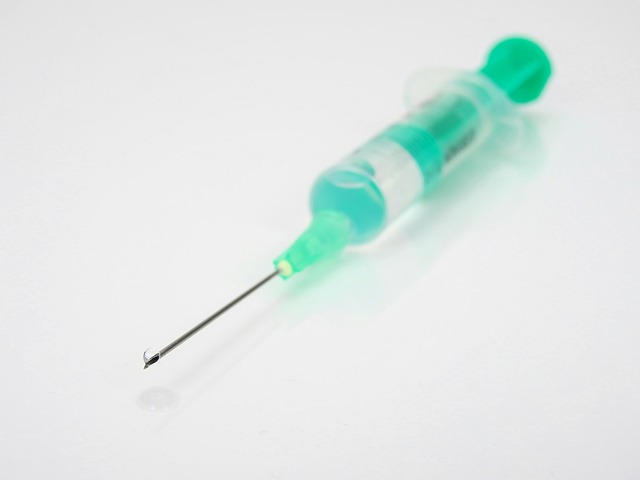
    Testosterone injections are the least expensive form of testosterone treatment, but they can be painful. The shots are given about every 7 to 22 days and the body slowly absorbs the testosterone into the bloodstream. Injections can be given into the muscles or implanted as pellets. Testosterone levels can increase and then fall between shots.

    Low Testosterone Treatment: Testosterone Gels or Patches

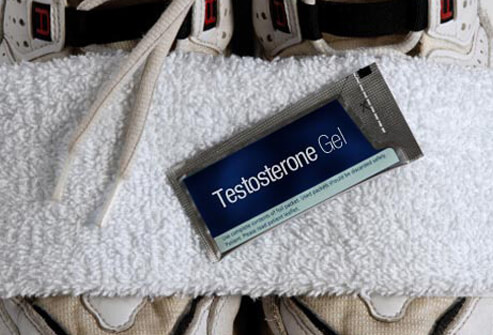
    Gel or patch treatments for low testosterone are placed directly on the skin. The hormone seeps out of the patch or gel and goes through the skin, and is slowly absorbed into the blood. Gels and patches are applied every day, and as a result, the level of testosterone remains fairly steady. A drawback to these treatments is they sometimes can cause itching, skin irritation, and blisters. In addition, women or children should not come in contact with skin that has been treated with a gel for 2 hours to avoid absorbing any testosterone.

    Low Testosterone Treatment: Buccal Patches

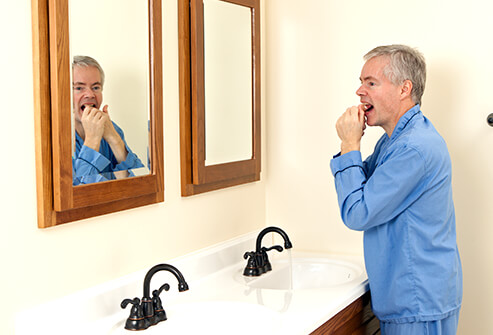
    Buccal patches are placed on the gums above the incisors (teeth) about every 12 hours and slowly release testosterone. They are not effective if swallowed. Buccal patches may cause a bitter taste, irritation to mouth tissues and gums, and may cause headaches. Fortunately, these side effects lessen over time. The patient can eat, drink, and kiss others while using buccal patches because they are not directly exposed to testosterone.

    Low Testosterone Treatment: Risks of Testosterone Therapy

    Although testosterone therapy has been tried in many individuals, the risks and benefits of this treatment over many years is still not known because such studies are still underway. Testosterone should not be given to men with untreated prostate cancer, untreated sleep apnea, or untreated breast cancer. In some men, testosterone therapy may need to be stopped if the risks outweigh the benefits.


    Side Effects of Testosterone Treatment

    • Enlarged prostate
    • Acne
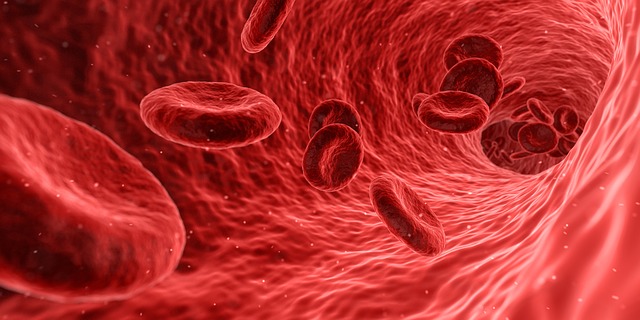
    • Too many red blood cells
    • Swelling of the feet or ankles
    • Infertility
    • Smaller testicles
    • Breast swelling or soreness
    0 comment
    0
    Facebook Twitter Google + Pinterest
    explainingmedicine

    previous post
    Exercise and Fitness: The Best Flat Abs Moves for Men
    next post
    Bipolar Disorder: Do You Have Extreme Mood Shifts?

    Related Articles

    Medical Marijuana: Types and Uses For Treatment

    October 14, 2016

    Diabetes & Exercise: Weight Training for Diabetes and Blood Sugar Control

    October 14, 2016

    Healthy Eating: The Best Fat-Fighting Foods

    October 14, 2016

    Acne: Causes, Solutions and Treatments for Adults

    October 14, 2016

    Acne: Quick Cover-ups, Do’s and Don’ts

    October 14, 2016

    Depression: Myths and Facts About Therapy

    October 14, 2016

    Psoriasis Pictures Slideshow: Home Remedies

    October 14, 2016

    Menopause and Sex: 10 Ways to Deal With Menopause Symptoms

    October 15, 2016

    Heart Health: 12 Possible Heart Symptoms Never to Ignore

    October 14, 2016

    Lowering Cholesterol: 15 Tips for Avoiding Heart Disease

    October 14, 2016

    Recent Posts

    • Flu shot recommendation for kids dropped just as the illness rages

      January 12, 2026
    • The CDC just sidelined these childhood vaccines. Here’s what they prevent

      January 9, 2026
    • Your next primary care doctor could be online only, accessed through an AI tool

      January 9, 2026
    • In Lodge Grass, Montana, a Crow community works to rebuild from meth’s destruction

      January 8, 2026
    • RFK Jr.’s new dietary guidelines go all in on meat and dairy

      January 7, 2026

    Keep in touch

    Facebook Twitter Google + RSS

    Recent Posts

    • Flu shot recommendation for kids dropped just as the illness rages

      January 12, 2026
    • The CDC just sidelined these childhood vaccines. Here’s what they prevent

      January 9, 2026
    • Your next primary care doctor could be online only, accessed through an AI tool

      January 9, 2026
    • In Lodge Grass, Montana, a Crow community works to rebuild from meth’s destruction

      January 8, 2026
    • RFK Jr.’s new dietary guidelines go all in on meat and dairy

      January 7, 2026
    • Terms of Service
    • Privacy Policy

    @2026 - Explaining Medicine. All Right Reserved.


    Back To Top
    Explaining Medicine
    Proudly powered by WordPress Theme: soledad child.