Explaining Medicine
  • News
  • Health & Lifestyle
    • Diet & Weight Management
    • Exercise & Fitness
    • Nutrition, Food & Recipes
    • Prevention & Wellness
  • Conditions
    • Custom1
      • Conditions A-Z
      • Procedures A-Z
      • Allergies
      • Alzheimer’s
      • Arthritis
      • Asthma
      • Blood Pressure
      • Cholesterol
      • Cancer
    • Custom2
      • Chronic Pain
      • Cold Flu
      • Depression
      • Diabetes
      • Digestion
      • Eyesight
      • Health Living
      • Healthy Kids
      • Hearing Ear
    • Custom3
      • Heart
      • HIV/AIDS
      • Infectious Disease
      • Lung Conditions
      • Menopause
      • Men’s Health
      • Mental Health
      • Migraine
      • Neurology
    • Custom4
      • Oral Health
      • Pregnancy
      • Senior Health
      • Sexual Health
      • Skin Problems
      • Sleep
      • Thyroid
      • Travel Health
      • Women’s Health
  • Medications
    • Medications
    • Supplements and Vitamins
  • Medical Dictionary
  • Health Alerts
Flu shot recommendation for kids dropped just as...
The CDC just sidelined these childhood vaccines. Here’s...
Your next primary care doctor could be online...
In Lodge Grass, Montana, a Crow community works...
RFK Jr.’s new dietary guidelines go all in...
More seniors are becoming homeless. Shelters are trying...
Health officials slash the number of vaccines recommended...
Wegovy obesity pill now available at pharmacies
In the U.S., hunger is often hidden. But...
One doctor’s experience shows the battle for the...
Top Posts

Explaining Medicine

  • News
  • Health & Lifestyle
    • Diet & Weight Management
    • Exercise & Fitness
    • Nutrition, Food & Recipes
    • Prevention & Wellness
  • Conditions
    • Custom1
      • Conditions A-Z
      • Procedures A-Z
      • Allergies
      • Alzheimer’s
      • Arthritis
      • Asthma
      • Blood Pressure
      • Cholesterol
      • Cancer
    • Custom2
      • Chronic Pain
      • Cold Flu
      • Depression
      • Diabetes
      • Digestion
      • Eyesight
      • Health Living
      • Healthy Kids
      • Hearing Ear
    • Custom3
      • Heart
      • HIV/AIDS
      • Infectious Disease
      • Lung Conditions
      • Menopause
      • Men’s Health
      • Mental Health
      • Migraine
      • Neurology
    • Custom4
      • Oral Health
      • Pregnancy
      • Senior Health
      • Sexual Health
      • Skin Problems
      • Sleep
      • Thyroid
      • Travel Health
      • Women’s Health
  • Medications
    • Medications
    • Supplements and Vitamins
  • Medical Dictionary
  • Health Alerts
  • Slideshows

    Osteoarthritis (OA): Treatment, Symptoms, Diagnosis

    by explainingmedicine October 14, 2016

    What Is Osteoarthritis?

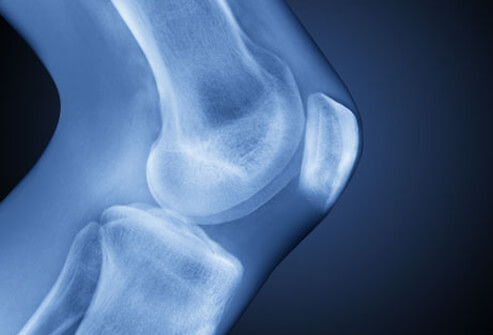
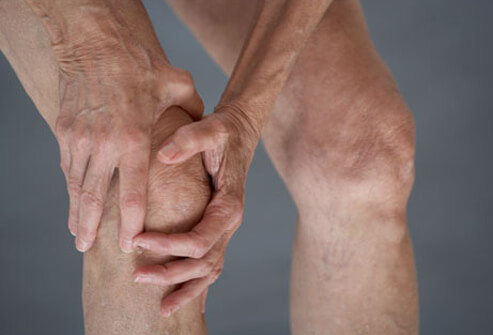
    Osteoarthritis is a progressive form of arthritis characterized by breakdown of the cartilage in joints. Osteoarthritis (OA), also known as degenerative joint disease and "wear and tear" arthritis, causes pain in the joints with activity. The knees and the hips are common locations for osteoarthritis. Osteoarthritis is common in people over 60 years of age, but it can affect younger people, particularly where they have had joint injury or joint surgery.
    Osteoarthritis Symptoms

    Symptoms of osteoarthritis typically develop slowly. The most common symptoms include:

    • Pain - Pain with use of the involved joint is a common symptom.
    • Stiffness - Stiffness and pain immediately after being sedentary is a feature of osteoarthritis and is referred to as a "gel phenomenon." The morning stiffness of osteoarthritis typically lasts no more than 30 minutes.
    • Bone grating - A common sign of osteoarthritis is a crunching feeling or grating sound of bone rubbing against bone.
    • Knobby fingers - Hand involvement with osteoarthritis leads to knobby enlargements of the small joints of the fingers. Small, bony knobs on the middle joints of the fingers are called Bouchard’s nodes. When they occur at the joints closest to the nail, they are known as Heberden’s nodes.
    • Bone Spurs - Small bony extensions known as osteophytes sometimes grow on the edges of osteoarthritic joints.

    Where Does Osteoarthritis Hurt?

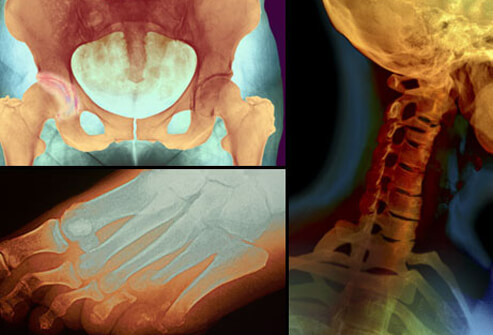
    Osteoarthritis is common in large weight-bearing joints such as the knees, hips, and spine. It is also common at the base of the thumb, the small joints of the fingers, and the neck.

    What Causes Osteoarthritis?

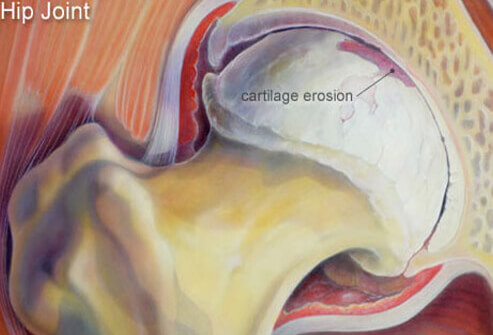
    Osteoarthritis is most commonly a result of aging cartilage. Aging cartilage progressively becomes stiffer and more vulnerable to wear and tear. Severe osteoarthritis can cause the cartilage to wear away virtually completely so that the adjacent bones in the joint rub together with use. This is referred to a "bone on bone" joint disease.

    Osteoarthritis Risk Factors

    Osteoarthritis risks come from a variety of factors—some inevitable and some preventable.

    Growing Older

    Aging is the major risk factor for osteoarthritis. The condition is rare in people under age 40, but increases in likelihood as we age, up to age 75.

    Genetics

    Some genes may interfere with joint health. For example one rare genetic defect (Stickler syndrome) interferes with the body’s natural ability to produce the cartilage protein collagen XI. Other genes predispose people to slightly improperly designed joints that can wear away faster than usual.

    Gender

    Men are more likely to have osteoarthritis before age 45. After age 45, women are more likely targets for the condition.

    Weight

    The bodies of overweight people bare more stress and strain on their joints. That can cause the natural cartilage cushions at their hips and knees to wear down faster.

    Congenital Defects

    Some people are more prone to osteoarthritis symptoms at birth. These include those born with one leg shorter than the other, as well as those born with mismatched joint surfaces.

    Joint Injury

    Those who have suffered joint injury or undergone joint surgery are predisposed to the development of osteoarthritis of those joints. This is often the cause when osteoarthritis occurs in younger people.

    Preventing Osteoarthritis

    Activities that can injure the joints can increase the risk of future osteoarthritis. Over-use of joints and years of heavy impact can often make osteoarthritis worse. Lifestyle changes may be necessary to relieve osteoarthritis symptoms.


    Osteoarthritis Dangers

    • Your job - Certain job hazards can increase the risk for osteoarthritis. If your job requires you to kneel or squat for more than one hour each day, your likelihood of developing osteoarthritis increases.
    • Sports - Some sports are more likely to lead to osteoarthritis. Football, gymnastics, skateboarding, basketball, and soccer are a few popular American sports known to be osteoarthritis risks.

    Coping With Osteoarthritis in Daily Life

    The symptoms of osteoarthritis vary from patient to patient. Some people with osteoarthritis have no symptoms, while others have significant pain and stiffness when the joints are used. Depending on which joints are affected, osteoarthritis can cause difficulty standing, walking, turning knobs or keys, opening jars, etc. Osteoarthritis involving the spine can lead to nerve irritation associated with numbness, tingling, and weakness.

    Osteoarthritis Diagnosis

    To diagnose osteoarthritis, the doctor will review your symptoms and examine your joints for swelling, redness, warmth, and range of motion. X-rays or other imaging tests can be used to determine the extent of joint damage and/or rule out other joint problems. Blood tests can exclude other conditions that affect the joints.

    Long-Term Complications

    Osteoarthritis does not affect internal organs like rheumatoid arthritis can. However, osteoarthritis can cause significant deformity and loss of function and mobility.

    Bowing Knees

    Bowing of the knees can result from severe loss of cartilage in the knee from osteoarthritis.

    Spinal Bone Spurs

    Bony spurs in the spine can irritate adjacent nerves to cause numbness, tingling, and pain in areas supplied by the nerves affected.

    Physical Therapy Treatment

    There is no specific treatment that can stop the progressive degeneration of cartilage from osteoarthritis. However, joint function can be improved by many therapies, including physical therapy that is designed to increase flexibility and strengthen muscle power. Hot or cold applied topically as compresses can relieve aches and pains from osteoarthritis.

    Supportive Devices

    Finger splints and braces can reduce joint stress, relieve pain, and improve function and mobility. Crutches or walkers can improve walking ability. Symptoms of osteoarthritis of the spine can be relieved by using a firmer mattress and with back bracing or with a neck collar.

    Medication for OA

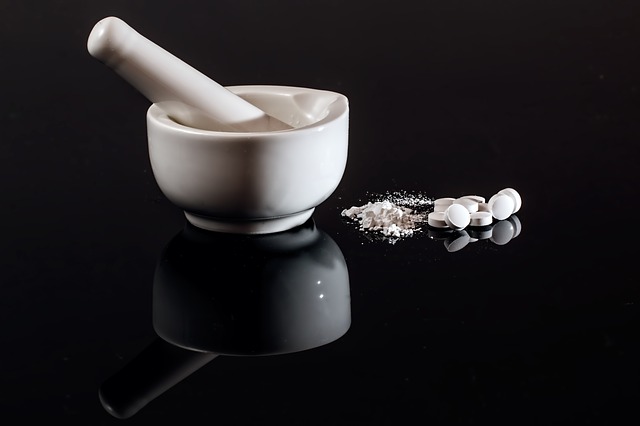
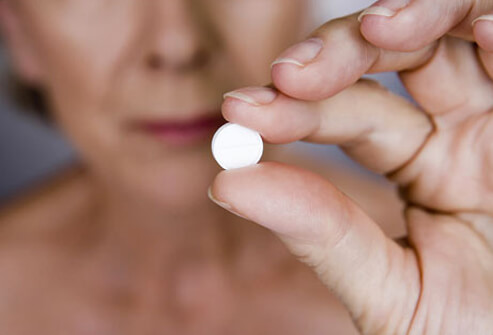
    The pain and stiffness of osteoarthritis can be relieved with over-the-counter pain and anti-inflammatory medication, including aspirin, ibuprofen, or acetaminophen. Pain-relieving creams or sprays can also help when applied directly to the sore area. Persisting pain can be eased by injection of steroids or hyaluronans into the affected joint.

    Supplements for Osteoarthritis

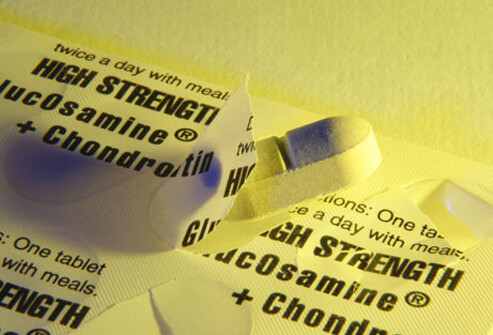
    While data showing significant long term benefit of glucosamine and chondroitin is limited, some individuals with osteoarthritis feel these food supplements help to reduce their joint pain. But beware, chondroitin can affect the actions of certain blood thinners.

    Osteoarthritis and Weight

    Obesity is a risk factor for osteoarthritis and aggravates existing osteoarthritis. Weight should be reduced in those who have osteoarthritis and are overweight. Interestingly, even modest amounts of weight reduction can be associated with significantly less joint pain from osteoarthritis. Losing weight can also reduce the risk of rapid joint damage from osteoarthritis.

    Osteoarthritis and Exercise

    Low-impact exercise activities can improve mobility and strength and ultimately reduce pain. Strengthening the muscles around affected joints by training with light weights can be helpful to also reduce pain. For example, strengthening the quadriceps muscle of the knee can reduce osteoarthritis knee pain. See your doctor for the optimal exercise routine.


    Low-Impact Exercises for Osteoarthritis

    • Swimming
    • Walking
    • Bicycling
    • Yoga
    • Water aerobics
    • Outdoor chores like gardening and raking leaves

    Osteoarthritis Treatment: Joint Replacement Surgery

    When osteoarthritis symptoms persist despite other therapies, joint replacement surgery is often considered. This surgical procedure is an option for those who are healthy enough and who have severe osteoarthritis. Joint replacement surgery replaces a damaged joint with an artificial one. The most common joints replaced are the knees and the hips.

    Osteoarthritis Prognosis

    Keeping weight in control is very helpful for preventing osteoarthritis in the long-term. Excessive weight adds stress to weight-bearing joints such as the hips and knees. Osteoarthritis can be prevented if injuries are avoided. Proper occupational and sports equipment along with safety precautions can also prevent joint degeneration.

    0 comment
    0
    Facebook Twitter Google + Pinterest
    explainingmedicine

    previous post
    Lupus: Symptoms, Rash, and Treatment
    next post
    Bronchitis: Symptoms and Treatments

    Related Articles

    Grocery Smarts: Fat Foods vs. Fit Foods

    October 14, 2016

    Food & Recipes: 13 Easy Ways to Add More Greens To Your Diet

    October 14, 2016

    Spider & Varicose Veins: See The Before-and-After Photos

    October 14, 2016

    Type 1 Diabetes: Learn the Basics of Diabetes Care

    October 14, 2016

    Pancreatic Cancer: Know The Signs of Pancreatic Cancer

    October 14, 2016

    Weight Loss: Bad Foods That Are Good for Weight Loss

    October 15, 2016

    Eye Health: Eyewear Guide for Vision, Sport & Fashion

    October 14, 2016

    Multiple Sclerosis: Making an MS Friendly Home

    October 14, 2016

    Cosmetic Dentistry: Before & After Pictures

    October 14, 2016

    Ovulation & Fertility: Facts to Help You Get Pregnant

    October 14, 2016

    Recent Posts

    • Flu shot recommendation for kids dropped just as the illness rages

      January 12, 2026
    • The CDC just sidelined these childhood vaccines. Here’s what they prevent

      January 9, 2026
    • Your next primary care doctor could be online only, accessed through an AI tool

      January 9, 2026
    • In Lodge Grass, Montana, a Crow community works to rebuild from meth’s destruction

      January 8, 2026
    • RFK Jr.’s new dietary guidelines go all in on meat and dairy

      January 7, 2026

    Keep in touch

    Facebook Twitter Google + RSS

    Recent Posts

    • Flu shot recommendation for kids dropped just as the illness rages

      January 12, 2026
    • The CDC just sidelined these childhood vaccines. Here’s what they prevent

      January 9, 2026
    • Your next primary care doctor could be online only, accessed through an AI tool

      January 9, 2026
    • In Lodge Grass, Montana, a Crow community works to rebuild from meth’s destruction

      January 8, 2026
    • RFK Jr.’s new dietary guidelines go all in on meat and dairy

      January 7, 2026
    • Terms of Service
    • Privacy Policy

    @2026 - Explaining Medicine. All Right Reserved.


    Back To Top
    Explaining Medicine
    Proudly powered by WordPress Theme: soledad child.