Explaining Medicine
  • News
  • Health & Lifestyle
    • Diet & Weight Management
    • Exercise & Fitness
    • Nutrition, Food & Recipes
    • Prevention & Wellness
  • Conditions
    • Custom1
      • Conditions A-Z
      • Procedures A-Z
      • Allergies
      • Alzheimer’s
      • Arthritis
      • Asthma
      • Blood Pressure
      • Cholesterol
      • Cancer
    • Custom2
      • Chronic Pain
      • Cold Flu
      • Depression
      • Diabetes
      • Digestion
      • Eyesight
      • Health Living
      • Healthy Kids
      • Hearing Ear
    • Custom3
      • Heart
      • HIV/AIDS
      • Infectious Disease
      • Lung Conditions
      • Menopause
      • Men’s Health
      • Mental Health
      • Migraine
      • Neurology
    • Custom4
      • Oral Health
      • Pregnancy
      • Senior Health
      • Sexual Health
      • Skin Problems
      • Sleep
      • Thyroid
      • Travel Health
      • Women’s Health
  • Medications
    • Medications
    • Supplements and Vitamins
  • Medical Dictionary
  • Health Alerts
Flu shot recommendation for kids dropped just as...
The CDC just sidelined these childhood vaccines. Here’s...
Your next primary care doctor could be online...
In Lodge Grass, Montana, a Crow community works...
RFK Jr.’s new dietary guidelines go all in...
More seniors are becoming homeless. Shelters are trying...
Health officials slash the number of vaccines recommended...
Wegovy obesity pill now available at pharmacies
One doctor’s experience shows the battle for the...
In the U.S., hunger is often hidden. But...
Top Posts

Explaining Medicine

  • News
  • Health & Lifestyle
    • Diet & Weight Management
    • Exercise & Fitness
    • Nutrition, Food & Recipes
    • Prevention & Wellness
  • Conditions
    • Custom1
      • Conditions A-Z
      • Procedures A-Z
      • Allergies
      • Alzheimer’s
      • Arthritis
      • Asthma
      • Blood Pressure
      • Cholesterol
      • Cancer
    • Custom2
      • Chronic Pain
      • Cold Flu
      • Depression
      • Diabetes
      • Digestion
      • Eyesight
      • Health Living
      • Healthy Kids
      • Hearing Ear
    • Custom3
      • Heart
      • HIV/AIDS
      • Infectious Disease
      • Lung Conditions
      • Menopause
      • Men’s Health
      • Mental Health
      • Migraine
      • Neurology
    • Custom4
      • Oral Health
      • Pregnancy
      • Senior Health
      • Sexual Health
      • Skin Problems
      • Sleep
      • Thyroid
      • Travel Health
      • Women’s Health
  • Medications
    • Medications
    • Supplements and Vitamins
  • Medical Dictionary
  • Health Alerts
  • Slideshows

    Premenstrual Syndrome: A Visual Guide to PMS Symptoms, Causes and Treatments

    by explainingmedicine October 15, 2016

    What is Premenstrual Syndrome?

    A week or two before your period starts, you may notice bloating, headaches, mood swings, or other physical and emotional changes. These monthly symptoms are known as premenstrual syndrome, or PMS. About 85% of women experience some degree of PMS. A few have more severe symptoms that disrupt work or personal relationships, known as premenstrual dysphoric disorder (PMDD).

    Symptoms of PMS: Cravings

    Many women get specific cravings when PMS strikes, often for sweet or salty foods like chocolate cake. The reasons for this aren't really clear. Other women may lose their appetite or get an upset stomach. Bloating and constipation are also common.

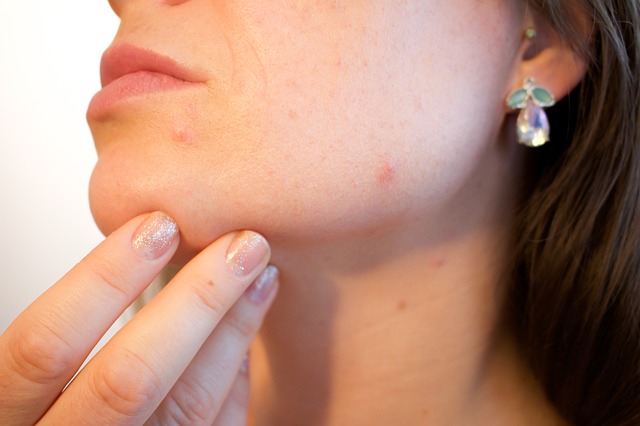
    Symptoms of PMS: Acne

    Acne is one of the most common signs of PMS, and it doesn't just affect teenagers. Hormonal changes can cause glands in the skin to produce more sebum. This oily substance may clog the pores, triggering a breakout -- a visible reminder that your period is on its way.

    Symptoms of PMS: Pain

    PMS can trigger a wide range of aches and pains, including:

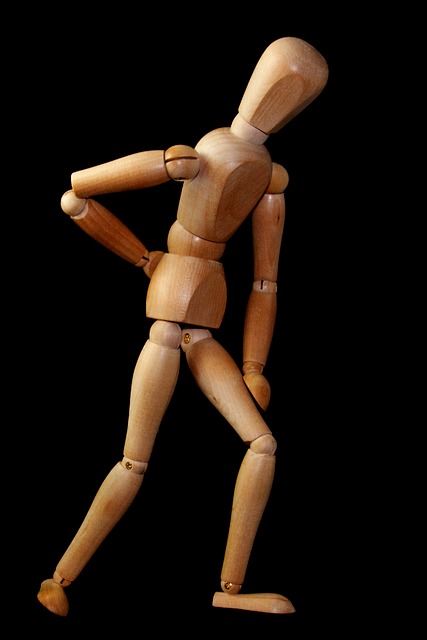
    • Back pain
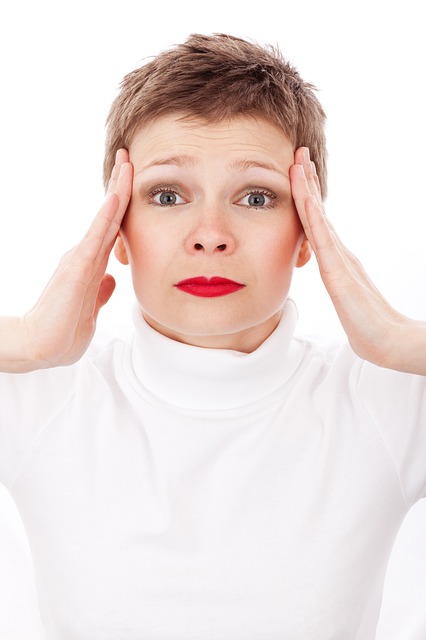
    • Headaches
    • Tender breasts
    • Joint pain

    Symptoms of PMS: Mood Swings

    For many women, the worst part of PMS is its unpredictable impact on mood. Irritability, anger, crying spells, depression, and anxiety may come and go in the days leading up to your period. Some women even have trouble with memory and concentration during this time.

    Who Gets PMS?

    Any woman who has a period can get PMS, but some women are more likely to have symptoms:

    • PMS is more likely in the late 20s to mid-40s.
    • Older teens tend to have more severe PMS than younger teens.
    • PMS may be more severe in the 40s.
    • Women who've had at least one pregnancy are more prone to PMS.
    • Women with a history of depression or other mood disorder may have more PMS symptoms.

    How PMS Affects Other Conditions

    PMS can worsen the symptoms of certain chronic conditions, including:

    • Asthma and allergies
    • Depression and anxiety
    • Seizure disorders
    • Migraines

    Be sure to let your doctor know if your condition gets worse right before your period.

    What Causes PMS?

    The exact cause of PMS is not clear, but we do know that levels of estrogen and progesterone drop during the week before your period. Many doctors believe this decline in hormone levels triggers the symptoms of PMS. Changes in brain chemicals or deficiencies in certain vitamins and minerals may also play a role. Too many salty foods, alcohol, or caffeine may make symptoms worse as well.

    PMS or Something Else?

    The symptoms of PMS can be similar to or overlap with other conditions, including:

    • Perimenopause
    • Depression or anxiety
    • Chronic fatigue syndrome
    • Thyroid disease
    • Irritable bowel disease

    The key difference is that PMS symptoms come and go in a distinct pattern, month after month.

    Diagnosing PMS: Symptom Tracker

    To figure out whether you have PMS, record your symptoms on a tracking form like this one. You may have PMS if:

    • Symptoms occur during the five days before your period.
    • Once your period starts, symptoms end within four days.
    • Symptoms return for at least three menstrual cycles.

    When to See a Doctor

    If you have any thoughts of harming yourself, call 911 or get emergency medical care. You should also see your doctor right away if your symptoms are causing problems with your job, personal relationships, or other daily activities. This may be a sign of a more severe form of PMS known as PMDD.

    Premenstrual Dysphoric Disorder

    Premenstrual dysphoric disorder (PMDD) follows the same pattern as PMS, but the symptoms are more disruptive. Women with PMDD may experience panic attacks, crying spells, suicidal thoughts, insomnia, or other problems than interfere with daily life. Fortunately, many of the same strategies that relieve PMS can be effective against PMDD.

    Risk factors for PMDD include a personal or family history of depression, mood disorders, or trauma.

    PMS Remedy: Exercise

    Exercise can help boost your mood and fight fatigue. To get the benefits, you need to exercise regularly -- not just when PMS symptoms appear. Aim for 30 minutes of moderate physical activity on most days of the week. Vigorous exercise on fewer days can also be effective.

    PMS Remedy: Diet Rich in B Vitamins

    Foods rich in B vitamins may help fight PMS. In one study, researchers followed more than 2,000 women for 10 years. They found that women who ate foods high in thiamine (pork, Brazil nuts) and riboflavin (eggs, dairy products) were far less likely to develop PMS. Taking supplements didn't have the same effect.

    PMS Remedy: Complex Carbs

    Complex carbohydrates, such as whole-grain breads and cereals, are packed with fiber. Eating plenty of fiber can keep your blood sugar even, which may ease mood swings and food cravings. Enriched whole-grain products also have the PMS-fighting B vitamins, thiamine and riboflavin.

    PMS Remedy: Foods to Avoid

    You may be able to ease PMS symptoms by cutting back on these foods:

    • Salt, which can increase bloating
    • Caffeine, which can cause irritability
    • Sugar, which can make cravings worse
    • Alcohol, which can affect mood

    PMS Remedy: Stress Relief

    Because PMS can cause tension, anxiety, and irritability, it's important to find healthy ways to cope with stress. Different strategies work for different women. You may want to try yoga, meditation, massage, writing in a journal, or simply talking with friends. It also helps to make sure you get enough sleep.

    PMS Remedy: OTC Drugs

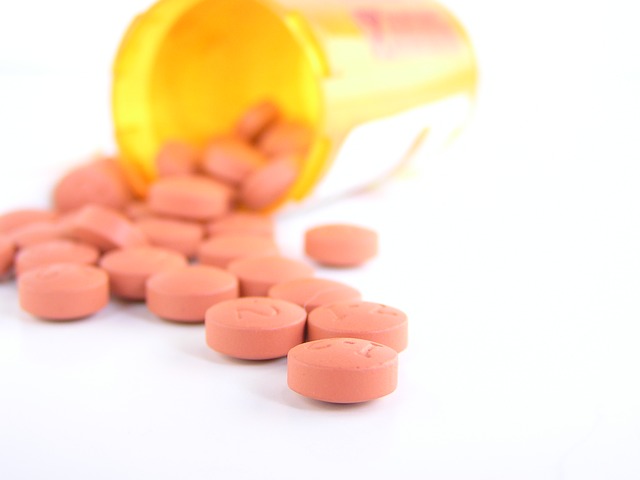
    Over-the-counter pain relievers can ease some of the physical symptoms of PMS, such as breast tenderness, headaches, back pain, or cramps. OTC drugs that work well for these symptoms include:

    • Aspirin
    • Ibuprofen (Advil, Motrin, Midol Cramp)
    • Naproxen (Aleve)

    PMS Remedy: Hormone Treatments

    Birth control pills prevent ovulation by regulating hormones. This usually leads to lighter periods and may reduce the symptoms of PMS. Other hormonal treatments may include GnRH agonists lupron or nafarelin, or synthetic steroids such as danazol. You may need to try more than one type before you find one that gives you relief.

    PMS Remedy: Other Medications

    Antidepressants may help women with severe mood swings or PMDD. The most commonly used drugs are known as SSRIs. However, other types of antidepressants are often prescribed to treat PMDD. Some antidepressants may be taken for 10 to 14 days before each period or throughout the menstrual cycle. Those prescribed to treat PMS include:

    • Fluoxetine (Prozac, Sarafem)
    • Paroxetine HCI (Paxil CR)
    • Sertraline (Zoloft)
    • Nefazodone (Serzone)
    • Clomipramine (Anafranil)

    Other treatments for PMS include anti-anxiety medications (Xanax, Buspar) and diuretics (HCTZ, Aldactone).

    PMS Remedy: Supplements

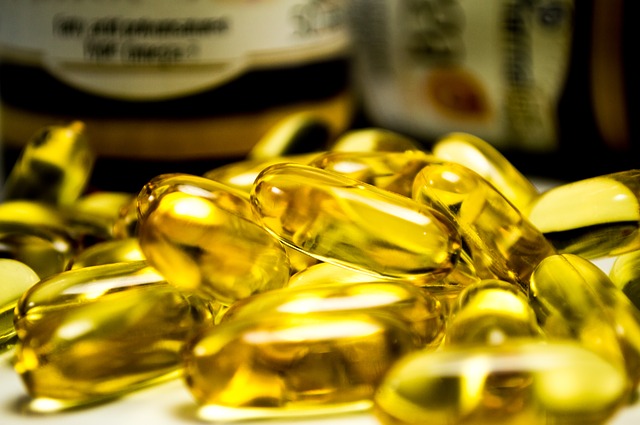
    Studies suggest the following vitamin and mineral supplements may reduce PMS symptoms:

    • Folic acid (400 mcg)
    • Magnesium (400 mg)
    • Vitamin E (400 IU)
    • Calcium (1,000 mg to 1,300 mg)
    • Vitamin B6 (50 mg to 100 mg)

    PMS Remedy: Herbal Extracts

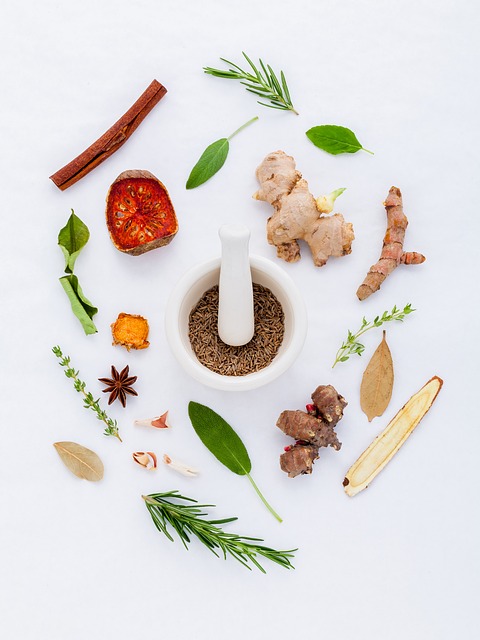
    Herbal remedies for PMS haven't been well studied, but some women get relief with chasteberry, black cohosh, and evening primrose oil. Check with your doctor before trying these herbs. They may interact with medications or be harmful for people with certain chronic conditions.

    0 comment
    0
    Facebook Twitter Google + Pinterest
    explainingmedicine

    previous post
    Oral Health: 10 Fun Facts About Your Tongue
    next post
    You Can Monitor Heart Rhythm With A Smartphone, But Should You?

    Related Articles

    Postpartum Depression: Symptoms, Diagnosis & Treatment

    October 15, 2016

    Psoriatic Arthritis: Types, Causes, Symptoms and Treatment

    October 14, 2016

    Stress Relief: 10 Ways to Stop Stress

    October 14, 2016

    Frighteningly Fattening Fall Foods: Keep Your Diet in Check This Fall

    October 14, 2016

    Tomato Recipes: Tomato Sauce, Soups, Salads, and More

    October 14, 2016

    Depression Overview: What is Depression?

    October 14, 2016

    Childhood Skin Problems: Know What to Look For

    October 14, 2016

    Cat Health: Is Your Cat Normal

    October 14, 2016

    Nail Health: What Your Nails Say about Your Health

    October 14, 2016

    Summer Skin Hazards: Stay Safe This Summer

    October 14, 2016

    Recent Posts

    • Flu shot recommendation for kids dropped just as the illness rages

      January 12, 2026
    • The CDC just sidelined these childhood vaccines. Here’s what they prevent

      January 9, 2026
    • Your next primary care doctor could be online only, accessed through an AI tool

      January 9, 2026
    • In Lodge Grass, Montana, a Crow community works to rebuild from meth’s destruction

      January 8, 2026
    • RFK Jr.’s new dietary guidelines go all in on meat and dairy

      January 7, 2026

    Keep in touch

    Facebook Twitter Google + RSS

    Recent Posts

    • Flu shot recommendation for kids dropped just as the illness rages

      January 12, 2026
    • The CDC just sidelined these childhood vaccines. Here’s what they prevent

      January 9, 2026
    • Your next primary care doctor could be online only, accessed through an AI tool

      January 9, 2026
    • In Lodge Grass, Montana, a Crow community works to rebuild from meth’s destruction

      January 8, 2026
    • RFK Jr.’s new dietary guidelines go all in on meat and dairy

      January 7, 2026
    • Terms of Service
    • Privacy Policy

    @2026 - Explaining Medicine. All Right Reserved.


    Back To Top
    Explaining Medicine
    Proudly powered by WordPress Theme: soledad child.