Explaining Medicine
  • News
  • Health & Lifestyle
    • Diet & Weight Management
    • Exercise & Fitness
    • Nutrition, Food & Recipes
    • Prevention & Wellness
  • Conditions
    • Custom1
      • Conditions A-Z
      • Procedures A-Z
      • Allergies
      • Alzheimer’s
      • Arthritis
      • Asthma
      • Blood Pressure
      • Cholesterol
      • Cancer
    • Custom2
      • Chronic Pain
      • Cold Flu
      • Depression
      • Diabetes
      • Digestion
      • Eyesight
      • Health Living
      • Healthy Kids
      • Hearing Ear
    • Custom3
      • Heart
      • HIV/AIDS
      • Infectious Disease
      • Lung Conditions
      • Menopause
      • Men’s Health
      • Mental Health
      • Migraine
      • Neurology
    • Custom4
      • Oral Health
      • Pregnancy
      • Senior Health
      • Sexual Health
      • Skin Problems
      • Sleep
      • Thyroid
      • Travel Health
      • Women’s Health
  • Medications
    • Medications
    • Supplements and Vitamins
  • Medical Dictionary
  • Health Alerts
Flu shot recommendation for kids dropped just as...
The CDC just sidelined these childhood vaccines. Here’s...
Your next primary care doctor could be online...
In Lodge Grass, Montana, a Crow community works...
RFK Jr.’s new dietary guidelines go all in...
More seniors are becoming homeless. Shelters are trying...
Health officials slash the number of vaccines recommended...
Wegovy obesity pill now available at pharmacies
In the U.S., hunger is often hidden. But...
One doctor’s experience shows the battle for the...
Top Posts

Explaining Medicine

  • News
  • Health & Lifestyle
    • Diet & Weight Management
    • Exercise & Fitness
    • Nutrition, Food & Recipes
    • Prevention & Wellness
  • Conditions
    • Custom1
      • Conditions A-Z
      • Procedures A-Z
      • Allergies
      • Alzheimer’s
      • Arthritis
      • Asthma
      • Blood Pressure
      • Cholesterol
      • Cancer
    • Custom2
      • Chronic Pain
      • Cold Flu
      • Depression
      • Diabetes
      • Digestion
      • Eyesight
      • Health Living
      • Healthy Kids
      • Hearing Ear
    • Custom3
      • Heart
      • HIV/AIDS
      • Infectious Disease
      • Lung Conditions
      • Menopause
      • Men’s Health
      • Mental Health
      • Migraine
      • Neurology
    • Custom4
      • Oral Health
      • Pregnancy
      • Senior Health
      • Sexual Health
      • Skin Problems
      • Sleep
      • Thyroid
      • Travel Health
      • Women’s Health
  • Medications
    • Medications
    • Supplements and Vitamins
  • Medical Dictionary
  • Health Alerts
  • Slideshows

    Sexual Health: Female Sexual Problems

    by explainingmedicine October 14, 2016

    Sexual Dysfunction is Common

    Sexual dysfunction is a common concern shared by many women. Problems may occur during any phase of the sexual response cycle (excitement, plateau, orgasm, and resolution) that prevent a woman from experiencing sexual satisfaction. Many women are reluctant or embarrassed to discuss their sexual problems, but it's important to tell your doctor what you are experiencing since most cases of sexual dysfunction can be treated.

    What Causes Female Sexual Problems?

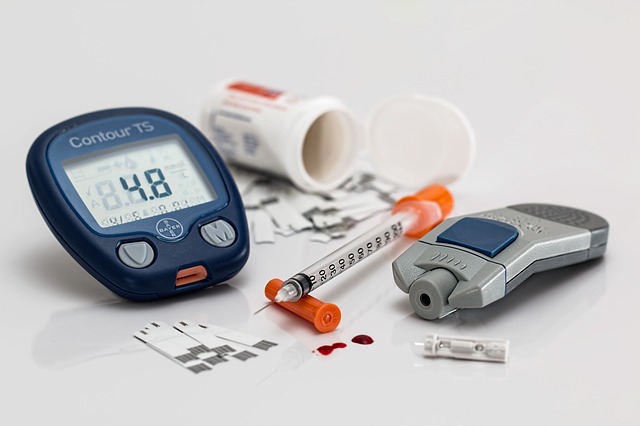
    Sexual dysfunction can have physical or psychological causes. Physical causes include diabetes, heart disease, neurological diseases, hormonal imbalances, menopause, chronic diseases such as kidney disease or liver failure, alcoholism, drug abuse, and side effects of medications, including antidepressant drugs. Psychological causes of sexual dysfunction can include stress, anxiety, concerns about sexual performance, relationship problems, depression, feelings of guilt, and effects of a past sexual trauma.

    Who Is Affected by Sexual Problems?

    Men and women can be affected by sexual dysfunction. Seniors may be affected more often, possibly due to health-related declines associated with aging.

    How Do Sexual Problems Affect Women?

    Common types of sexual dysfunction in women include:

    • Inhibited sexual desire
    • Inability to become aroused
    • Lack of orgasm (anorgasmia)
    • Painful intercourse

    These will be discussed on the following slides.

    Inhibited Sexual Desire

    Lack of sexual desire or lack of interest in sex is inhibited sexual desire. This can have many causes, including hormonal changes, certain medical conditions and treatments, depression, pregnancy, stress, fatigue, lifestyle influences such as work stress or child care, and even boredom with regular sexual routines.

    Inability to Become Aroused

    Insufficient vaginal lubrication in women may trigger the inability to become physically aroused during sexual activity. An inability to be aroused may also result from anxiety, or inadequate sexual stimulation. Blood flow problems to the vagina and clitoris may also affect lubrication and arousal.

    Lack of Orgasm (Anorgasmia)

    The absence of sexual climax (orgasm) is called anorgasmia. Many factors can contribute to anorgasmia, including sexual inhibition, inexperience, or lack of knowledge. Psychological contributors to anorgasmia may include guilt, anxiety, or a past sexual trauma or abuse. Insufficient stimulation, drugs or medications, and chronic diseases can also result in lack of orgasm.

    Painful Intercourse

    Painful intercourse can be a result of a number of conditions such as endometriosis, a pelvic mass, ovarian cysts, vaginitis, poor lubrication, vaginal dryness, the presence of scar tissue from surgery, or a sexually transmitted disease. A painful, involuntary spasm of the muscles that surround the vaginal entrance is a condition called vaginismus that may occur in women who fear penetration will be painful, have sexual phobias, or previous traumatic or painful sexual experiences.

    How Is a Female Sexual Problem Diagnosed?

    Sexual dysfunction in women is diagnosed by a physical exam and symptom history. The doctor will probably perform a pelvic exam with a Pap smear to check for cancer. Other tests may be ordered to rule out medical conditions that may cause sexual dysfunction. You may also be asked about attitudes toward sex, past sexual trauma or abuse, problems in your relationship, or alcohol and drug abuse to help determine if these psychological factors contribute to the dysfunction.

    How Are Female Sexual Problems Treated?

    Many types of sexual problems can be treated by addressing the underlying physical or psychological problems. Usually it involves cooperation between the woman, her doctors, and therapists.

    Treatment strategies are discussed on the following slides.

    Providing Education

    Patient education is important to help women overcome anxiety about sexual function and performance. Learning about sexual behaviors and normal responses may ease anxiety.

    Enhancing Sexual Stimulation

    It may be necessary to enhance sexual stimulation to help a woman overcome some sexual dysfunction. Masturbation, changing your sexual routine, or use of erotic videos or books may help.

    Providing Distraction Techniques

    Anxiety may be alleviated with distraction. Erotic or non-erotic fantasies can be useful. Music, videos, or television can also distract and help women relax.

    Encouraging Non-Coital Behaviors

    Other behaviors that do not involve intercourse such as sensual massage may help a women feel more comfortable with her sexuality and with intercourse, and feel less pressure and anxiety surrounding sexual activity.

    Minimizing Pain

    If sexual dysfunction is due to pain, sometimes changing sexual positions may help minimize or eliminate the pain. Vaginal lubricants may relieve pain caused by friction, and relaxation before intercourse (warm bath, meditation) may decrease pain responses.

    Can Sexual Problems Be Cured?

    The prognosis for treating sexual dysfunction in women depends on whether the underlying cause can be treated. If sexual dysfunction is related to a treatable physical condition, the outcome is often positive. When dysfunction is due to psychological causes, it can often be treated successfully with counseling, education, and improved communication between partners.

    How Do Hormones Affect Sexual Function?

    Hormones play a large role in sexual function in women. As women age, the hormone estrogen decreases, which can lead to poor vaginal lubrication and decreased genital sensation. Low levels of the male hormone testosterone in women may also contribute to less sexual arousal, genital sensation, and orgasm.

    What Effect Does a Hysterectomy Have on Sexual Function?

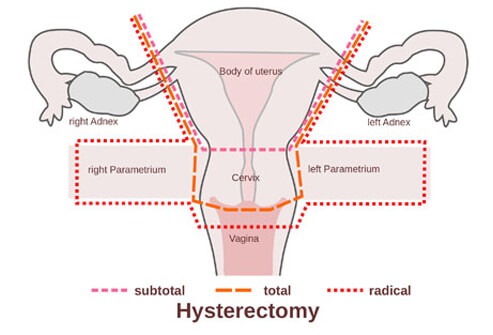
    A hysterectomy (surgical removal of the uterus) may cause sexual dysfunction in many women. Hormonal changes associated with removal of the ovaries may result in loss of desire, decreased vaginal lubrication, and genital sensation. Nerves and blood vessels integral to sexual functioning may also be damaged during the surgery. Finally, some women may become depressed or feel a loss of self-esteem from their uterus being removed that may make it hard for them to engage sexually following the procedure.

    How Does Menopause Affect a Woman's Sexual Function?

    Menopause and the associated loss of estrogen can affect women's sexual function such as a loss of vaginal lubrication and genital sensation. Other emotional aspects of menopause may contribute to a loss of interest in sex or an inability to become aroused.

    However, many postmenopausal women have increased sexual satisfaction. This is thought to be due to less anxiety about getting pregnant, or having the time to relax and enjoy being intimate with their partners.

    When Should I Call my Doctor About Sexual Problems?

    Sexual problems in women are common, and nearly every woman will experience them on occasion. If the problems persist, they can be very upsetting for a woman and can affect her relationship with her partner. If you experience any sexual problems on a regular basis, talk to your doctor. Help is available!

    0 comment
    0
    Facebook Twitter Google + Pinterest
    explainingmedicine

    previous post
    Pregnancy: What Not to Eat When Pregnant
    next post
    Bad Bugs: Identify Bugs and Their Bites

    Related Articles

    Beyond Cholesterol: 14 Ways to Lower Triglycerides

    October 14, 2016

    Staph Infection: Images & Symptoms of Staphylococcal Disease

    October 14, 2016

    Cholesterol Drugs: When Diet and Exercise Are Not Enough

    October 14, 2016

    Concussions & Brain Injuries: Symptoms, Tests & Treatment

    October 14, 2016

    Dandruff (Seborrhea): Causes, Treatments and Prevention

    October 14, 2016

    Nerve Pain: Symptoms, Causes and Treatment Options

    October 14, 2016

    Allergy: Common Food Allergy Triggers and Where They Hide

    October 14, 2016

    Quit-Smoking: 13 Tips to End Your Addiction

    October 14, 2016

    Male Health: Foods to Boost Male Health

    October 14, 2016

    Insomnia: 10 Tips for a Healthy Night’s Sleep

    October 14, 2016

    Recent Posts

    • Flu shot recommendation for kids dropped just as the illness rages

      January 12, 2026
    • The CDC just sidelined these childhood vaccines. Here’s what they prevent

      January 9, 2026
    • Your next primary care doctor could be online only, accessed through an AI tool

      January 9, 2026
    • In Lodge Grass, Montana, a Crow community works to rebuild from meth’s destruction

      January 8, 2026
    • RFK Jr.’s new dietary guidelines go all in on meat and dairy

      January 7, 2026

    Keep in touch

    Facebook Twitter Google + RSS

    Recent Posts

    • Flu shot recommendation for kids dropped just as the illness rages

      January 12, 2026
    • The CDC just sidelined these childhood vaccines. Here’s what they prevent

      January 9, 2026
    • Your next primary care doctor could be online only, accessed through an AI tool

      January 9, 2026
    • In Lodge Grass, Montana, a Crow community works to rebuild from meth’s destruction

      January 8, 2026
    • RFK Jr.’s new dietary guidelines go all in on meat and dairy

      January 7, 2026
    • Terms of Service
    • Privacy Policy

    @2026 - Explaining Medicine. All Right Reserved.


    Back To Top
    Explaining Medicine
    Proudly powered by WordPress Theme: soledad child.