Explaining Medicine
  • News
  • Health & Lifestyle
    • Diet & Weight Management
    • Exercise & Fitness
    • Nutrition, Food & Recipes
    • Prevention & Wellness
  • Conditions
    • Custom1
      • Conditions A-Z
      • Procedures A-Z
      • Allergies
      • Alzheimer’s
      • Arthritis
      • Asthma
      • Blood Pressure
      • Cholesterol
      • Cancer
    • Custom2
      • Chronic Pain
      • Cold Flu
      • Depression
      • Diabetes
      • Digestion
      • Eyesight
      • Health Living
      • Healthy Kids
      • Hearing Ear
    • Custom3
      • Heart
      • HIV/AIDS
      • Infectious Disease
      • Lung Conditions
      • Menopause
      • Men’s Health
      • Mental Health
      • Migraine
      • Neurology
    • Custom4
      • Oral Health
      • Pregnancy
      • Senior Health
      • Sexual Health
      • Skin Problems
      • Sleep
      • Thyroid
      • Travel Health
      • Women’s Health
  • Medications
    • Medications
    • Supplements and Vitamins
  • Medical Dictionary
  • Health Alerts
Flu shot recommendation for kids dropped just as...
The CDC just sidelined these childhood vaccines. Here’s...
Your next primary care doctor could be online...
In Lodge Grass, Montana, a Crow community works...
RFK Jr.’s new dietary guidelines go all in...
More seniors are becoming homeless. Shelters are trying...
Health officials slash the number of vaccines recommended...
Wegovy obesity pill now available at pharmacies
In the U.S., hunger is often hidden. But...
One doctor’s experience shows the battle for the...
Top Posts

Explaining Medicine

  • News
  • Health & Lifestyle
    • Diet & Weight Management
    • Exercise & Fitness
    • Nutrition, Food & Recipes
    • Prevention & Wellness
  • Conditions
    • Custom1
      • Conditions A-Z
      • Procedures A-Z
      • Allergies
      • Alzheimer’s
      • Arthritis
      • Asthma
      • Blood Pressure
      • Cholesterol
      • Cancer
    • Custom2
      • Chronic Pain
      • Cold Flu
      • Depression
      • Diabetes
      • Digestion
      • Eyesight
      • Health Living
      • Healthy Kids
      • Hearing Ear
    • Custom3
      • Heart
      • HIV/AIDS
      • Infectious Disease
      • Lung Conditions
      • Menopause
      • Men’s Health
      • Mental Health
      • Migraine
      • Neurology
    • Custom4
      • Oral Health
      • Pregnancy
      • Senior Health
      • Sexual Health
      • Skin Problems
      • Sleep
      • Thyroid
      • Travel Health
      • Women’s Health
  • Medications
    • Medications
    • Supplements and Vitamins
  • Medical Dictionary
  • Health Alerts
  • Slideshows

    Staph Infection: Images & Symptoms of Staphylococcal Disease

    by explainingmedicine October 14, 2016

    What Is Staphylococcus?

    Staphylococcus is a type of bacteria that can cause many types of infections in your body. Commonly referred to as Staph (pronounced "staff"), it is common bacteria found on most people's skin, and often it does not cause disease. More than 30 types of Staphylococci bacteria cause infections, but the most common type of Staph infection is caused by Staphylococcus aureus. If the bacteria gains access to the body, either through a wound on the skin or via the respiratory tract, it can cause serious infections.

    Who Is at Risk for Staph Infections?

    While anyone can get a Staph infection, some conditions put people at higher risk including:

    • Newborns
    • Women who are breastfeeding
    • Diabetes
    • Vascular or lung disease
    • Cancer
    • Weakened immune system
    • Those who inject drugs or medications
    • Skin injuries or disorders
    • Surgical incisions
    • Use of intravenous catheters

    What Are the Signs and Symptoms of a Staph Infection?

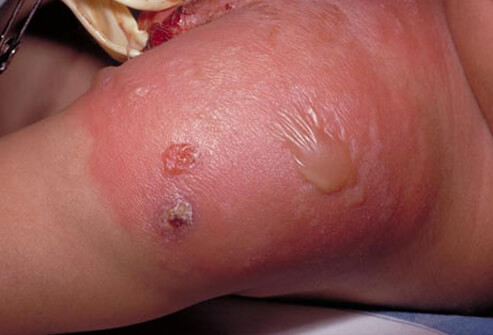
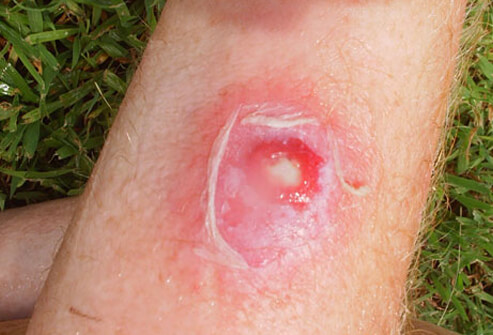
    Symptoms of staphylococcal disease of the skin include pus-filled abscesses (also called boils or furuncles). Pain, swelling, and redness in the area of the infection is common, along with drainage of pus. If the staph infection is in the blood (called bacteremia or sepsis) symptoms can include fever, chills, and low blood pressure (hypotension).

    What Types of Diseases Are Caused by Staph?

    Staphylococcus causes many different types of infections. Most of the infections cause localized inflammation or pockets of infection known as abscesses. Superficial skin infections such as impetigo (a crusting of the skin) or cellulitis (an infection of the skin layers) are the most common. Breastfeeding women can get a staph infection of the breast called mastitis, which can release bacteria into the mother's milk. Staph bacteria in the lungs can cause pneumonia. When a Staph infection gets into the bone it can cause osteomyelitis. Staph infection in the blood can also infect the heart or heart valves (endocarditis). If the Staph infection gets into the bloodstream it can spread to other organs and cause severe and life-threatening infections (bacteremia or sepsis). Sepsis can lead to shock or multi-organ failure, which can rapidly lead to death.

    What Is Antibiotic-Resistant Staph aureus?

    Methicillin-resistant Staphylococcus aureus, or MRSA, is a type of staph resistant to antibiotics, including methicillin, penicillin, amoxicillin, and oxacillin. MRSA is considered a type of "superbug," because it has become resistant to antibiotics commonly used to treat it. MRSA has been found to cause illness in hospitals, nursing homes, prisons and other health facilities called (health-care-associated MRSA or HA-MRSA). It has also caused infections outside of healthcare facilities, called community-associated MRSA (CA-MRSA).

    What Are Complications of Staph Infections?

    Skin infections with Staph bacteria can cause a serious condition called scalded skin syndrome, which is seen more often in children, but can occur in adults as well. The infection causes a breakdown of the upper layers of the skin, which blisters and sloughs off (just like a severe burn). When the infection covers a large surface area of the body, the result can be fatal. Scalded skin syndrome is treated with intravenous antibiotics and fluids to prevent dehydration.

    What Is Staph Food Poisoning?

    People can get Staph food poisoning by eating foods contaminated with the Staphylococcus aureus (S. aureus) bacterium. The bacterium releases a toxin into the foods, causing a rapid onset of severe nausea and vomiting. It may also cause fever. Foods most associated with Staphylococcus food poisoning are eggs, meats, poultry, salads (egg, tuna, chicken, potato, macaroni), cream-filled baked goods, and dairy products.

    How Are Staph Infections Diagnosed?

    A doctor may diagnose a minor staphylococcal skin infection by examination of the skin and lab tests are not usually needed. Serious Staph infections of the blood, pneumonia, or endocarditis (inflammation of the inner chambers of the heart) usually require cultures (samples of blood, pus, or tissues grown in the lab to confirm the presence of the Staphylococcus bacterium). Once the Staph bacteria is confirmed, another test called a sensitivity test can be run to see which antibiotics will kill the bacteria.

    What Does Staphylococcus aureus Bacteria Look Like?

    Under the power of a highly magnified microscope, Staphylococcus aureus appears as small, round organisms arranged in clusters (like clusters of grapes). There are thread-like connections between the round bacterium made of "biofilm." This biofilm helps protect the bacteria and increases its chances of causing infections.

    How Are Staph Infections Treated?

    Treatment for Staph infections depends on the location and severity of the infection. Minor skin infections can be treated with topical antibiotic ointments, or oral antibiotics. Abscesses are generally treated with incision and drainage or surgery. More severe infections in large areas of the skin, other body organs, or the bloodstream are generally treated with intravenous antibiotics. MRSA infections may be resistant to many antibiotics.

    Can Staph Infections Be Prevented?

    There is no vaccine currently available to prevent Staphylococcus aureus. Preventing Staph remains the best defense against contracting an infection. Ways to help manage risk factors for contracting Staph and MRSA are discussed on the following slides.

    Staph Prevention Tip #1

    Cover all skin Staph infections with clean, dry bandages. This is especially important if the wounds are producing pus and draining, because the pus may contain MRSA, which can spread to others.

    Staph Prevention Tip #2

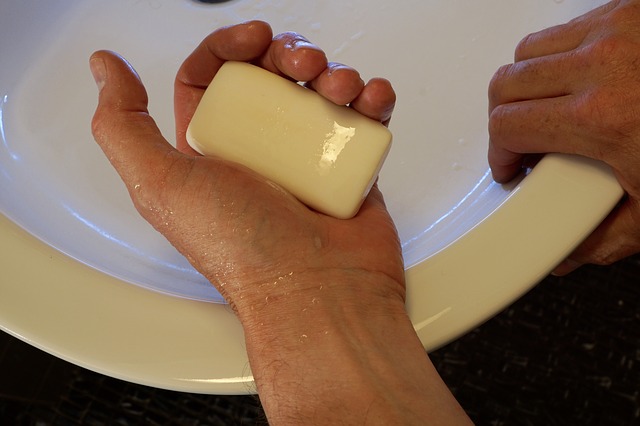
    Proper hygiene is important. Wash hands diligently, avoid close contact with infected individuals, and carefully clean all skin scrapes, cuts, and wounds to reduce the chances of them becoming infected with Staph. If you have Staph, make sure all people in close contact with you wash their hands frequently, especially if they change your bandages or touch the infected wound.

    Staph Prevention Tip #3

    Do not share personal items that may have come in contact with the infected wound. Items such as towels, razors, bed linens, or clothing should not be shared. Wash all bedding and clothing in hot water, and dry in a hot dryer to help kill Staph bacteria.

    Staph Prevention Tip #4

    Handle and prepare food safely to help decrease the risk of Staphylococcal food poisoning:

    • Wash hands thoroughly with soap and water before handling and preparing food.
    • If you have wounds, skin infections, or a nose or eye infection, do not prepare or serve food to others.
    • Clean and sanitize kitchens and all dining areas.
    • Keep hot foods hot (over 140 F) and cold foods cold (40 F or under).
    • Refrigerate any food that is to be stored as soon as possible.

    Staph Prevention Tip #5

    The risk of developing toxic shock syndrome (a rare, life-threatening illness caused by toxins secreted by Staph bacteria and associated with tampon use, especially when tampons are not changed frequently) in menstruating women can be reduced by:

    • Changing tampons every 4 to 8 hours
    • Using low-absorbency tampons
    • Alternating tampon use with sanitary pads

    Staph Prevention Tip #6

    If you have a Staph or MRSA infection, tell your doctor or any health care provider you visit so they can take the proper protective precautions.

    Staph Infection Prognosis

    When mild and promptly treated with antibiotics, the prognosis for recovery from a Staph infection is excellent. However, a MRSA infection can have an entirely different outlook. MRSA infections, when mild and found in otherwise healthy individuals have a relatively good prognosis. MRSA infections in chronically or severely ill people, the elderly, newborns, or other people with compromised immune systems may be life-threatening or fatal.

    0 comment
    0
    Facebook Twitter Google + Pinterest
    explainingmedicine

    previous post
    Reduce Wrinkles: Surprising Ways to Reduce Them
    next post
    Summer Skin Hazards: Stay Safe This Summer

    Related Articles

    Weird Body Quirks: From Brain Freeze to Hiccupping

    October 14, 2016

    Hair Care: 19 Best Kept Hair Secrets

    October 14, 2016

    Bursitis Pictures Slideshow: Treatments for Hip, Knee Shoulder and More

    October 14, 2016

    Muscle Cramps and Muscle Spasms: Symptoms, Causes, and Treatments

    October 15, 2016

    Dandruff (Seborrhea): Causes, Treatments and Prevention

    October 14, 2016

    ADHD: Diagnosing ADHD in Children

    October 14, 2016

    Baby Skin Care: Simple Tips to Keep Baby’s Skin Healthy

    October 14, 2016

    Nutrition & Healthy Eating: 11 Seeds You Should Be Eating

    October 14, 2016

    Weight Loss: 10 Ways to Boost Your Metabolism

    October 15, 2016

    Clear Skin: Helping Your Teen With Acne

    October 14, 2016

    Recent Posts

    • Flu shot recommendation for kids dropped just as the illness rages

      January 12, 2026
    • The CDC just sidelined these childhood vaccines. Here’s what they prevent

      January 9, 2026
    • Your next primary care doctor could be online only, accessed through an AI tool

      January 9, 2026
    • In Lodge Grass, Montana, a Crow community works to rebuild from meth’s destruction

      January 8, 2026
    • RFK Jr.’s new dietary guidelines go all in on meat and dairy

      January 7, 2026

    Keep in touch

    Facebook Twitter Google + RSS

    Recent Posts

    • Flu shot recommendation for kids dropped just as the illness rages

      January 12, 2026
    • The CDC just sidelined these childhood vaccines. Here’s what they prevent

      January 9, 2026
    • Your next primary care doctor could be online only, accessed through an AI tool

      January 9, 2026
    • In Lodge Grass, Montana, a Crow community works to rebuild from meth’s destruction

      January 8, 2026
    • RFK Jr.’s new dietary guidelines go all in on meat and dairy

      January 7, 2026
    • Terms of Service
    • Privacy Policy

    @2026 - Explaining Medicine. All Right Reserved.


    Back To Top
    Explaining Medicine
    Proudly powered by WordPress Theme: soledad child.