Explaining Medicine
  • News
  • Health & Lifestyle
    • Diet & Weight Management
    • Exercise & Fitness
    • Nutrition, Food & Recipes
    • Prevention & Wellness
  • Conditions
    • Custom1
      • Conditions A-Z
      • Procedures A-Z
      • Allergies
      • Alzheimer’s
      • Arthritis
      • Asthma
      • Blood Pressure
      • Cholesterol
      • Cancer
    • Custom2
      • Chronic Pain
      • Cold Flu
      • Depression
      • Diabetes
      • Digestion
      • Eyesight
      • Health Living
      • Healthy Kids
      • Hearing Ear
    • Custom3
      • Heart
      • HIV/AIDS
      • Infectious Disease
      • Lung Conditions
      • Menopause
      • Men’s Health
      • Mental Health
      • Migraine
      • Neurology
    • Custom4
      • Oral Health
      • Pregnancy
      • Senior Health
      • Sexual Health
      • Skin Problems
      • Sleep
      • Thyroid
      • Travel Health
      • Women’s Health
  • Medications
    • Medications
    • Supplements and Vitamins
  • Medical Dictionary
  • Health Alerts
Flu shot recommendation for kids dropped just as...
The CDC just sidelined these childhood vaccines. Here’s...
Your next primary care doctor could be online...
In Lodge Grass, Montana, a Crow community works...
RFK Jr.’s new dietary guidelines go all in...
More seniors are becoming homeless. Shelters are trying...
Health officials slash the number of vaccines recommended...
Wegovy obesity pill now available at pharmacies
In the U.S., hunger is often hidden. But...
One doctor’s experience shows the battle for the...
Top Posts

Explaining Medicine

  • News
  • Health & Lifestyle
    • Diet & Weight Management
    • Exercise & Fitness
    • Nutrition, Food & Recipes
    • Prevention & Wellness
  • Conditions
    • Custom1
      • Conditions A-Z
      • Procedures A-Z
      • Allergies
      • Alzheimer’s
      • Arthritis
      • Asthma
      • Blood Pressure
      • Cholesterol
      • Cancer
    • Custom2
      • Chronic Pain
      • Cold Flu
      • Depression
      • Diabetes
      • Digestion
      • Eyesight
      • Health Living
      • Healthy Kids
      • Hearing Ear
    • Custom3
      • Heart
      • HIV/AIDS
      • Infectious Disease
      • Lung Conditions
      • Menopause
      • Men’s Health
      • Mental Health
      • Migraine
      • Neurology
    • Custom4
      • Oral Health
      • Pregnancy
      • Senior Health
      • Sexual Health
      • Skin Problems
      • Sleep
      • Thyroid
      • Travel Health
      • Women’s Health
  • Medications
    • Medications
    • Supplements and Vitamins
  • Medical Dictionary
  • Health Alerts
  • Slideshows

    Tinnitus: Why Are My Ears Ringing?

    by explainingmedicine October 14, 2016

    What Is Tinnitus?

    A ringing, swishing, or other noise in the ears or head when no external sound is present is called tinnitus. Usually, it's more of a nuisance than a serious medal problem. In rare cases, it can be a sign of an underlying medical condition that needs attention. About 10% of adults in the U.S. have experienced tinnitus lasting more than five minutes.

    Some Head Noise Is Normal

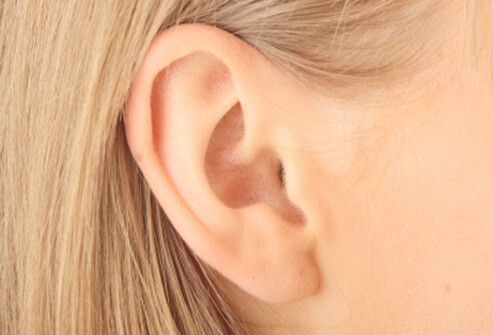
    Most people are unaware of the normal noises the body makes as our ambient environment masks them. If a person went into a soundproof booth these sounds would become evident. Anything that blocks the background noise of everyday life such as earwax, earplugs, or a foreign body in the ear can make people more aware of the natural sounds our body makes.

    What Causes Tinnitus?

    There are numerous causes for tinnitus:

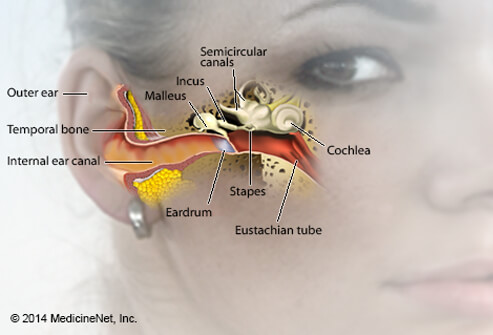
    • Fluid, infection, or disease of the middle ear bones or ear drum (tympanic membrane)
    • Damage to the microscopic endings of the hearing nerve in the inner ear, which can also occur with advanced age
    • Loud noise exposure, such as from firearms, or music at a concert
    • Medications
    • Meniere's syndrome
    • In rare cases, tinnitus can be a symptom of a serious medical problem such as a brain aneurysm or acoustic nerve tumor.

    How Is Tinnitus Evaluated?

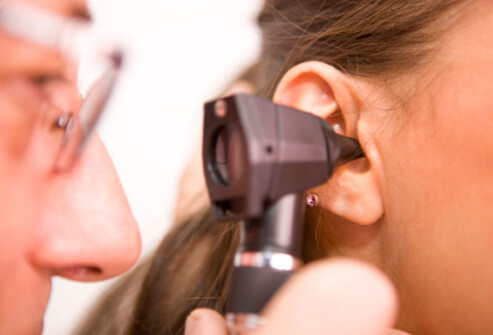
    To diagnose tinnitus, a doctor will do a physical examination and ask you about your history, including whether the tinnitus is constant, intermittent, or pulsating (like the heartbeat, called pulsatile tinnitus), or if it is associated with hearing loss or loss of balance (vertigo or vestibular balance disorders). A doctor will usually order a hearing test (audiogram) for cases of unexplained tinnitus. Other tests may include an auditory brain stem response (ABR), a computerized test of the hearing nerves and brain pathways, computer tomography scan (CT scan), or magnetic resonance imaging (MRI scan) to rule out a type of rare tumor.

    What Is the Treatment of Tinnitus?

    Treatment for tinnitus depends on the underlying cause and may include medications in addition to home remedies.

    Tinnitus Medications

    Tinnitus may disappear on its own or the person may need to learn to cope with it. Medications may be prescribed in some cases but there is no clear solution in most individuals. Medications may often be used to treat the psychological effects of anxiety or depression that may accompany the tinnitus. In these cases selective serotonin reuptake inhibitor (SSRI) antidepressants such as sertraline (Zoloft) and paroxetine (Paxil), or a benzodiazepine such as alprazolam (Xanax) may be prescribed. In the past the supplement niacin was recommended or the drug gabapentin (Neurontin, Gabarone) was prescribed but both have been shown to have no effect on reliving tinnitus.

    Relief Remedies for Tinnitus

    Some home remedies may be helpful for some people:

    • Reduce or avoid caffeine and salt.
    • Quit smoking.
    • In some cases zinc supplementation in people who have low levels of zinc may be beneficial – further studies are needed.
    • Melatonin may with disturbed sleep due to tinnitus.
    • Successful behavioral and cognitive therapies include retraining therapy, masking, and behavioral therapy.

    Can Tinnitus Be Prevented?

    Some cases of tinnitus may be prevented by avoiding damage to hearing. The following slides discuss ways to protect yourself from noise-related tinnitus.

    Tinnitus Prevention Tip #1

    Cotton swabs (Q-tips) should never be used to clean the inside of the ear. Pushing a swab into the ear can cause the wax in the ear canal to become impacted against the eardrum, causing tinnitus.

    Tinnitus Prevention Tip #2

    If you work in an environment that is noisy, protect your hearing in the workplace. Occupational Safety & Health Administration (OSHA) regulations have recommendations to protect hearing that include wearing earplugs or earmuffs. Follow any hearing protections set by your employer.

    Tinnitus Prevention Tip #3

    Many recreational events such as concerts, sports, or hunting may come with loud noise that can bother the ears. Wear earplugs or earmuffs in these loud situations. Do not use tissue or cotton in the ears as these not only do not offer adequate protection against certain loud or high-pitched noises, they may become lodged in the ear canal.

    Tinnitus Prevention Tip #4

    Keep the volume of music headphones at a reasonable level. If others can hear your music, or you are unable to hear the noise around you, the volume is too high.

    Tinnitus Prevention Tip #5

    Many everyday noises may bother your ears. Even blow-dying your hair or mowing the lawn may require earplugs or earmuffs.

    Tinnitus Prevention Tip #6

    Avoid or moderate use of alcoholic or caffeinated beverages. Don't smoke and avoid secondhand smoke. Nicotine in tobacco products may reduce blood flow to the structures of the ear, leading to tinnitus.

    Tinnitus Prevention Tip #7

    Maintain a healthy weight. Excess weight can cause high blood pressure. Elevated blood pressure can cause sensitivity to noise and tinnitus. Exercise regularly and eat a balanced diet.

    Is There Anything to Lessen the Intensity of Tinnitus?

    If you have tinnitus, there are steps you can take that may lessen the intensity of the sound:

    • Avoid places where there are loud sounds and noises.
    • Keep your blood pressure in check.
    • Reduce salt intake.
    • Avoid stimulants such as caffeine and nicotine.
    • Stop worrying about the tinnitus. The more you concentrate on the noise, the louder it will become.
    • Get adequate rest.
    • Exercise regularly.
    • Use masking noise such as a ticking clock, a radio, a fan, or white noise machine.
    • Biofeedback may help or diminish tinnitus in some individuals.
    • Avoid aspirin or aspirin products in large quantities.
    0 comment
    0
    Facebook Twitter Google + Pinterest
    explainingmedicine

    previous post
    Home Health: Surprising Sources of Indoor Air Pollution
    next post
    Atrial Fibrillation: Visual Guidelines to Causes, Tests and Treatment

    Related Articles

    Boils: Should You Pop A Boil?

    October 14, 2016

    Bipolar Disorder: Do You Have Extreme Mood Shifts?

    October 14, 2016

    Diet and Weight Loss: Healthy Dieting Myths and Facts

    October 14, 2016

    Weight Gain Shockers: Surprising Reasons You’re Gaining Weight

    October 14, 2016

    Baby Development: Ways to Help Your Infant Learn and Grow

    October 14, 2016

    Heart Disease: The No. 1 Killer in the U.S.

    October 14, 2016

    The Naughty List of Holiday Foods: Avoid the Holiday Food Trap

    October 14, 2016

    Chest Pain: What is Costochondritis?

    October 14, 2016

    Bed Bugs: Don’t Let the Bed Bugs Bite

    October 14, 2016

    2008 Airport Food Review: Ranking of the Nation’s 15 Busiest Airports

    October 14, 2016

    Recent Posts

    • Flu shot recommendation for kids dropped just as the illness rages

      January 12, 2026
    • The CDC just sidelined these childhood vaccines. Here’s what they prevent

      January 9, 2026
    • Your next primary care doctor could be online only, accessed through an AI tool

      January 9, 2026
    • In Lodge Grass, Montana, a Crow community works to rebuild from meth’s destruction

      January 8, 2026
    • RFK Jr.’s new dietary guidelines go all in on meat and dairy

      January 7, 2026

    Keep in touch

    Facebook Twitter Google + RSS

    Recent Posts

    • Flu shot recommendation for kids dropped just as the illness rages

      January 12, 2026
    • The CDC just sidelined these childhood vaccines. Here’s what they prevent

      January 9, 2026
    • Your next primary care doctor could be online only, accessed through an AI tool

      January 9, 2026
    • In Lodge Grass, Montana, a Crow community works to rebuild from meth’s destruction

      January 8, 2026
    • RFK Jr.’s new dietary guidelines go all in on meat and dairy

      January 7, 2026
    • Terms of Service
    • Privacy Policy

    @2026 - Explaining Medicine. All Right Reserved.


    Back To Top
    Explaining Medicine
    Proudly powered by WordPress Theme: soledad child.