Explaining Medicine
  • News
  • Health & Lifestyle
    • Diet & Weight Management
    • Exercise & Fitness
    • Nutrition, Food & Recipes
    • Prevention & Wellness
  • Conditions
    • Custom1
      • Conditions A-Z
      • Procedures A-Z
      • Allergies
      • Alzheimer’s
      • Arthritis
      • Asthma
      • Blood Pressure
      • Cholesterol
      • Cancer
    • Custom2
      • Chronic Pain
      • Cold Flu
      • Depression
      • Diabetes
      • Digestion
      • Eyesight
      • Health Living
      • Healthy Kids
      • Hearing Ear
    • Custom3
      • Heart
      • HIV/AIDS
      • Infectious Disease
      • Lung Conditions
      • Menopause
      • Men’s Health
      • Mental Health
      • Migraine
      • Neurology
    • Custom4
      • Oral Health
      • Pregnancy
      • Senior Health
      • Sexual Health
      • Skin Problems
      • Sleep
      • Thyroid
      • Travel Health
      • Women’s Health
  • Medications
    • Medications
    • Supplements and Vitamins
  • Medical Dictionary
  • Health Alerts
Flu shot recommendation for kids dropped just as...
The CDC just sidelined these childhood vaccines. Here’s...
Your next primary care doctor could be online...
In Lodge Grass, Montana, a Crow community works...
RFK Jr.’s new dietary guidelines go all in...
More seniors are becoming homeless. Shelters are trying...
Health officials slash the number of vaccines recommended...
Wegovy obesity pill now available at pharmacies
In the U.S., hunger is often hidden. But...
One doctor’s experience shows the battle for the...
Top Posts

Explaining Medicine

  • News
  • Health & Lifestyle
    • Diet & Weight Management
    • Exercise & Fitness
    • Nutrition, Food & Recipes
    • Prevention & Wellness
  • Conditions
    • Custom1
      • Conditions A-Z
      • Procedures A-Z
      • Allergies
      • Alzheimer’s
      • Arthritis
      • Asthma
      • Blood Pressure
      • Cholesterol
      • Cancer
    • Custom2
      • Chronic Pain
      • Cold Flu
      • Depression
      • Diabetes
      • Digestion
      • Eyesight
      • Health Living
      • Healthy Kids
      • Hearing Ear
    • Custom3
      • Heart
      • HIV/AIDS
      • Infectious Disease
      • Lung Conditions
      • Menopause
      • Men’s Health
      • Mental Health
      • Migraine
      • Neurology
    • Custom4
      • Oral Health
      • Pregnancy
      • Senior Health
      • Sexual Health
      • Skin Problems
      • Sleep
      • Thyroid
      • Travel Health
      • Women’s Health
  • Medications
    • Medications
    • Supplements and Vitamins
  • Medical Dictionary
  • Health Alerts
  • Slideshows

    Boils: Should You Pop A Boil?

    by explainingmedicine October 14, 2016

    What Is a Boil?

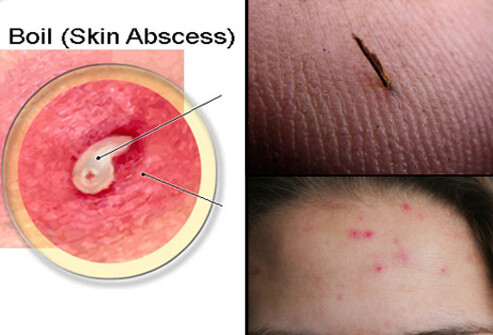
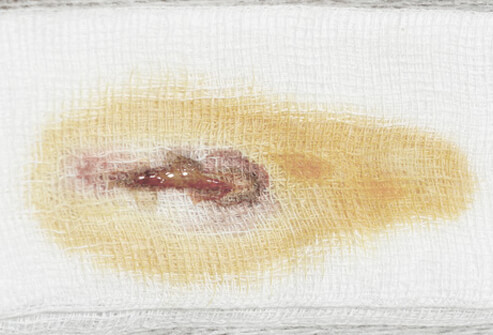
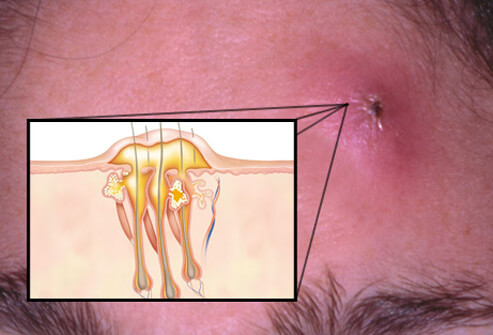
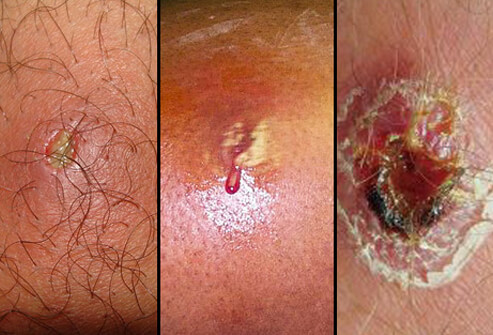
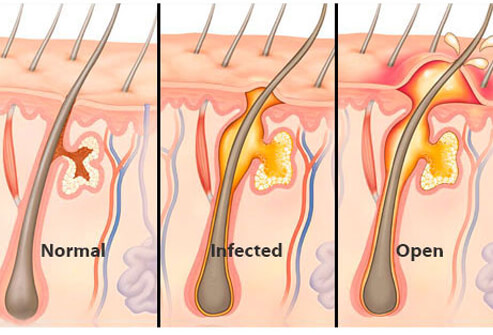
    A boil is a skin infection that starts in a hair follicle or oil gland. Also referred to as a skin abscess, it is a localized infection deep in the skin. A boil generally starts as a reddened, tender area. Over time, the area becomes firm and hard. Eventually, the center of the abscess softens and becomes filled with infection-fighting white blood cells that the body sends via the bloodstream to eradicate the infection. This collection of white blood cells, bacteria, and proteins is known as pus. Finally, the pus "forms a head," which can be surgically opened or spontaneously drain out through the surface of the skin.
    Boil Symptoms

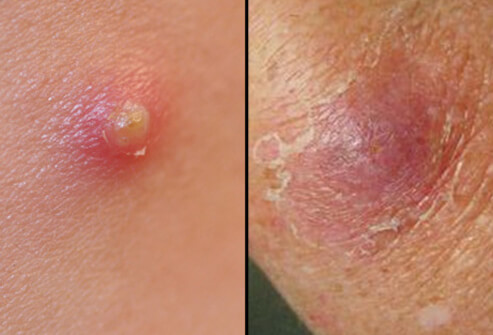
    A boil starts as a hard, red, painful lump usually less than an inch in size. Over the next few days, the lump becomes softer, larger, and more painful. Soon a pocket of pus forms on the top of the boil. Signs of a severe infection are

    • the skin around the boil becomes red, painful, and swollen;
    • more boils may appear around the original one;
    • a fever develops;
    • the lymph nodes in the area become swollen.

    Where Do Boils Form?

    The most common places for boils to appear are on the

    • neck,
    • armpits,
    • shoulders,
    • buttocks.
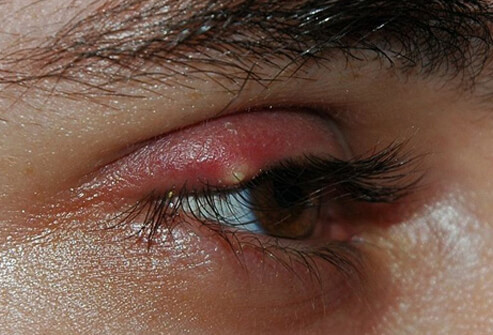
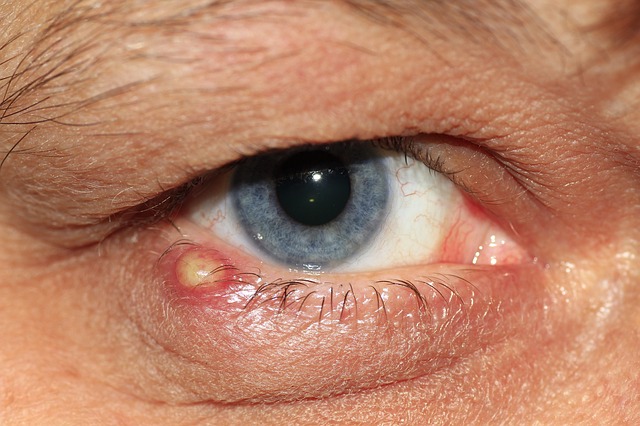
    When one of these occur on the eyelid, it is called a sty (stye).

    What Causes Boils?

    There are many causes of boils. Boils are usually caused by a type of bacteria called Staphylococcus (staph). Many staph infections develop into abscesses and can become serious very quickly. This germ can be present on normal skin and enters the body through tiny breaks in the skin or by traveling down a hair to the follicle. Some boils can be caused by an ingrown hair. Others can form as the result of a splinter or other foreign material that has become lodged in the skin that causes the infection to develop.

    Additional Causes of Boils

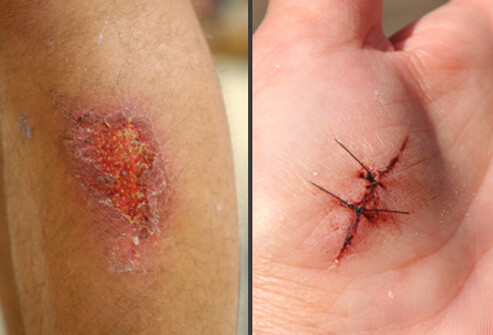
    The skin is an essential part of our immune defense against materials and microbes that are foreign to our body. Any break in the skin, such as a cut or scrape, can develop into an abscess (boil) should it then become infected with bacteria.

    Folliculitis Could Be an Early Warning

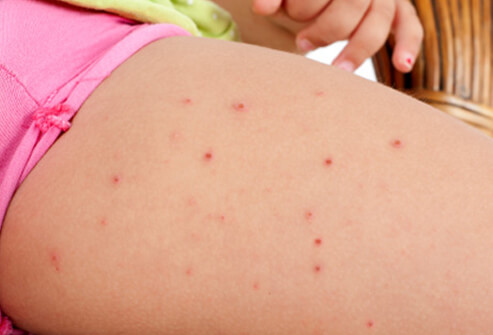
    Folliculitis is an inflammation or infection of the hair follicles. This condition can develop into a boil and appears as numerous small red or pink little bumps at the hair follicles. Infection of the hair follicles can occur when the skin is disrupted or inflamed due to a number of conditions, including acne, skin wounds or injuries, friction from clothing, excessive sweating, or exposure to toxins.

    Are Boils Contagious?

    Boils themselves are not contagious, but the bacteria that cause boils are. Until it drains and heals, an active skin boil is contagious. The infection can spread to other parts of the person's body or to other people through skin-to-skin contact or the sharing of personal items.

    What Are the Types of Boils?

    There are several different types of boils. Another name for a boil is furuncle. Among these are

    • carbuncle
    • hidradenitis suppurativa (seen in the armpit or groin)
    • pilonidal cyst
    • cystic acne
    • sty (stye)

    Boil Type: Carbuncle

    A carbuncle is an abscess in the skin caused by the bacterium Staphylococcus aureus. It usually involves a group of hair follicles and is therefore larger than a typical furuncle, or boil. A carbuncle can have one or more openings onto the skin and may be associated with fever or chills.

    Boil Type: Cystic Acne

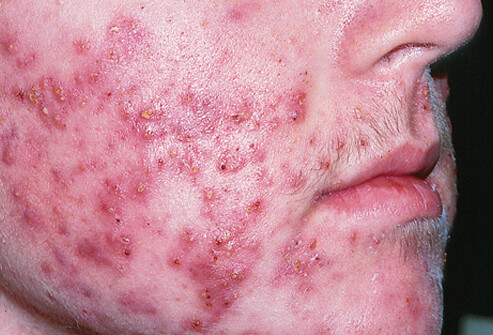
    Cystic acne is a type of abscess that is formed when oil ducts become clogged and inflamed. Cystic acne affects deeper skin tissue than the more superficial inflammation from common acne. Cystic acne is most common on the face and typically occurs in the teenage years.

    Boil Type: Hidradenitis Suppurativa

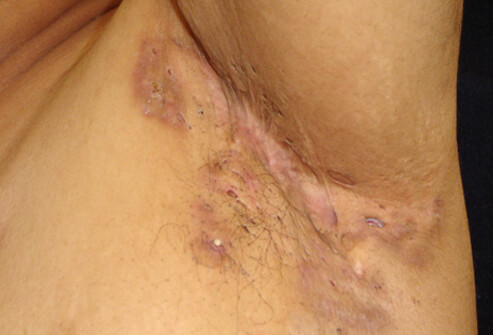
    Hidradenitis suppurativa is a condition in which there are multiple abscesses that form under the armpits and often in the groin area. These areas are a result of local inflammation of the hair follicles. This form of skin inflammation is difficult to treat with antibiotics alone and typically requires a surgical procedure to remove the involved hair follicles in order to stop the skin inflammation.

    Boil Type: Pilonidal Cyst

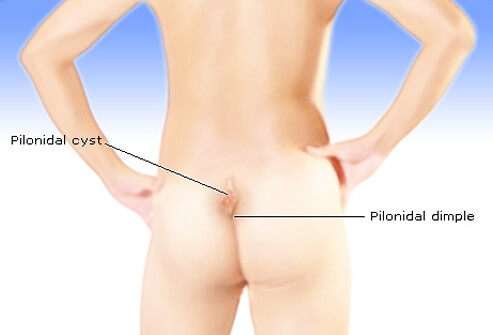
    A pilonidal cyst is a unique kind of abscess that occurs in or above the crease of the buttocks. Pilonidal cysts often begin as tiny areas of inflammation in the base of the area of skin from which hair grows (the hair follicle). With irritation from direct pressure, over time the inflamed area enlarges to become a firm, painful, tender nodule making it difficult to sit without discomfort. These frequently form after long trips that involve prolonged sitting.

    Boil Type: Sty

    A sty (also spelled stye) is a tender, painful red bump located at the base of an eyelash or under or inside the eyelid. A sty results from a localized inflammation of the glands or a hair follicle of the eyelid. A sty is sometimes confused with a chalazion, a lump on the inner portion of the upper or lower eyelid, but a chalazion is usually painless and caused by obstruction and inflammation of an oil gland, not an infection.

    Who Is Most Likely to Develop a Boil?

    Anyone can develop a boil. However, people with certain illnesses or medications that impair the body's immune system are more likely to develop boils. Among the illnesses that can be associated with impaired immune systems are diabetes and kidney failure. Diseases, such as hypogammaglobulinemia, that are associated with deficiencies in the normal immune system, can increase the tendency to develop boils. Many medications can suppress the normal immune system and increase the risk of developing boils. These medications include cortisone medications (prednisone and prednisolone) and medications used for cancer chemotherapy.

    What Is the Treatment for a Boil?

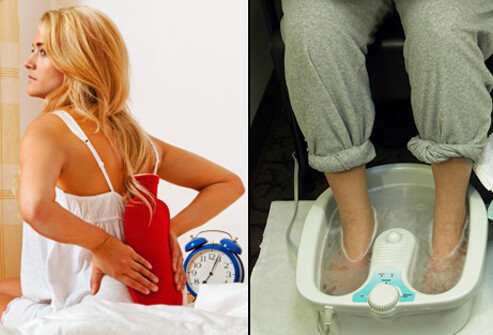
    Most simple boils can be treated at home. Ideally, the treatment should begin as soon as a boil is noticed since early treatment may prevent later complications. The primary treatment for most boils is heat application, usually with hot soaks or hot packs. Heat application increases the circulation to the area and allows the body to better fight off the infection by bringing antibodies and white blood cells to the site of infection. Do not pop the boil with a needle. This usually results in making the infection worse.

    Should Boils Be Drained?

    As long as the boil is small and firm, opening the area and draining the boil is not helpful, even if the area is painful. However, once the boil becomes soft or "forms a head" (that is, a small pustule is noted in the boil), it can be ready to drain. Once drained, pain relief can be dramatic. Most small boils, such as those that form around hairs, drain on their own with soaking and/or heat application. On occasion, and especially with larger boils, the larger boil will need to be drained or "lanced" by a health-care practitioner. Frequently, these larger boils contain several pockets of pus that must be opened and drained.

    Should Boils Be Treated With Antibiotics?

    Antibiotics are often used to eliminate the accompanying bacterial infection. Especially if there is an infection of the surrounding skin, the doctor often prescribes antibiotics. However, antibiotics are not needed in every situation. In fact, antibiotics have difficulty penetrating the outer wall of an abscess and often will not cure an abscess without additional surgical drainage. In most cases, incising and draining the boil is sufficient to cure the infection.

    When Should I Seek Medical Attention?

    You should call your doctor and seek medical attention if:

    • the boil is located on your face, near your spine, or near your anus;
    • a boil is getting larger;
    • the pain is severe;
    • you have a fever;
    • the skin around the boil turns red or red streaks appear;
    • you have a heart murmur, diabetes, any problem with your immune system, or use immune-suppressing drugs (for example, corticosteroids or chemotherapy) and you develop a boil;
    • the boil has not improved after five to seven days of home treatment;
    • you get many boils over several months.

    What Can Be Done to Prevent Boils (Abscesses)?

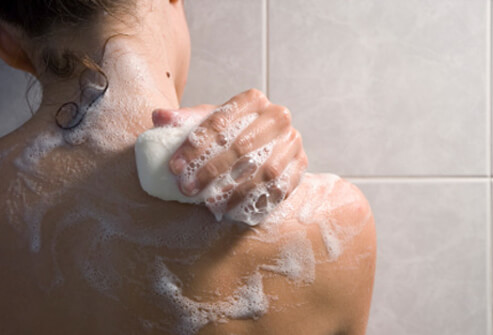
    Good hygiene and the regular use of antibacterial soaps can help to prevent bacteria from building up on the skin. This can reduce the chance for hair follicles to become infected and prevent the formation of boils. Your health-care practitioner may recommend special cleansers such as Hibiclens to further reduce the bacteria on the skin.

    What Can Be Done to Prevent More Serious Boils and Abscesses?

    Pilonidal cysts can be prevented by avoiding continuous direct pressure or irritation of the buttock area when a local hair follicle becomes inflamed. Regular soap and hot water cleaning and drying can be helpful. For acne and hidradenitis suppurativa, antibiotics used as anti-inflammatory agents may be required on a long-term basis to prevent recurrent abscess formation. Finally, surgery may occasionally be needed, especially for hidradenitis suppurativa or pilonidal cysts that recur. For pilonidal cysts, surgically removing the outer shell of the cyst is important to clear the boil. For hidradenitis suppurativa, extensive involvement can require plastic surgery.

    0 comment
    0
    Facebook Twitter Google + Pinterest
    explainingmedicine

    previous post
    Acne: Quick Cover-ups, Do’s and Don’ts
    next post
    Fungal Infections: Fungus Among Us

    Related Articles

    Medical Marijuana: Types and Uses For Treatment

    October 14, 2016

    Depression: Foods That Help Fight Depression

    October 14, 2016

    Gluten-Free Diet: Get the Facts About Gluten-Free Foods

    October 14, 2016

    Diabetes: 12 Tips to Avoid Diabetes Complications

    October 14, 2016

    Pet Health & You: 27 Ways Pets Improve Your Health

    October 14, 2016

    Low Blood Pressure (Hypotension): How Low is Too Low?

    October 14, 2016

    Psoriasis Pictures Slideshow: Home Remedies

    October 14, 2016

    Salmonella Outbreak: See How to Avoid It

    October 14, 2016

    Skin Cancer: What Skin Cancer Looks Like

    October 14, 2016

    Dental Health: The Ugly Truth About Your Toothbrush

    October 14, 2016

    Recent Posts

    • Flu shot recommendation for kids dropped just as the illness rages

      January 12, 2026
    • The CDC just sidelined these childhood vaccines. Here’s what they prevent

      January 9, 2026
    • Your next primary care doctor could be online only, accessed through an AI tool

      January 9, 2026
    • In Lodge Grass, Montana, a Crow community works to rebuild from meth’s destruction

      January 8, 2026
    • RFK Jr.’s new dietary guidelines go all in on meat and dairy

      January 7, 2026

    Keep in touch

    Facebook Twitter Google + RSS

    Recent Posts

    • Flu shot recommendation for kids dropped just as the illness rages

      January 12, 2026
    • The CDC just sidelined these childhood vaccines. Here’s what they prevent

      January 9, 2026
    • Your next primary care doctor could be online only, accessed through an AI tool

      January 9, 2026
    • In Lodge Grass, Montana, a Crow community works to rebuild from meth’s destruction

      January 8, 2026
    • RFK Jr.’s new dietary guidelines go all in on meat and dairy

      January 7, 2026
    • Terms of Service
    • Privacy Policy

    @2026 - Explaining Medicine. All Right Reserved.


    Back To Top
    Explaining Medicine
    Proudly powered by WordPress Theme: soledad child.