Explaining Medicine
  • News
  • Health & Lifestyle
    • Diet & Weight Management
    • Exercise & Fitness
    • Nutrition, Food & Recipes
    • Prevention & Wellness
  • Conditions
    • Custom1
      • Conditions A-Z
      • Procedures A-Z
      • Allergies
      • Alzheimer’s
      • Arthritis
      • Asthma
      • Blood Pressure
      • Cholesterol
      • Cancer
    • Custom2
      • Chronic Pain
      • Cold Flu
      • Depression
      • Diabetes
      • Digestion
      • Eyesight
      • Health Living
      • Healthy Kids
      • Hearing Ear
    • Custom3
      • Heart
      • HIV/AIDS
      • Infectious Disease
      • Lung Conditions
      • Menopause
      • Men’s Health
      • Mental Health
      • Migraine
      • Neurology
    • Custom4
      • Oral Health
      • Pregnancy
      • Senior Health
      • Sexual Health
      • Skin Problems
      • Sleep
      • Thyroid
      • Travel Health
      • Women’s Health
  • Medications
    • Medications
    • Supplements and Vitamins
  • Medical Dictionary
  • Health Alerts
Flu shot recommendation for kids dropped just as...
The CDC just sidelined these childhood vaccines. Here’s...
Your next primary care doctor could be online...
In Lodge Grass, Montana, a Crow community works...
RFK Jr.’s new dietary guidelines go all in...
More seniors are becoming homeless. Shelters are trying...
Health officials slash the number of vaccines recommended...
Wegovy obesity pill now available at pharmacies
In the U.S., hunger is often hidden. But...
One doctor’s experience shows the battle for the...
Top Posts

Explaining Medicine

  • News
  • Health & Lifestyle
    • Diet & Weight Management
    • Exercise & Fitness
    • Nutrition, Food & Recipes
    • Prevention & Wellness
  • Conditions
    • Custom1
      • Conditions A-Z
      • Procedures A-Z
      • Allergies
      • Alzheimer’s
      • Arthritis
      • Asthma
      • Blood Pressure
      • Cholesterol
      • Cancer
    • Custom2
      • Chronic Pain
      • Cold Flu
      • Depression
      • Diabetes
      • Digestion
      • Eyesight
      • Health Living
      • Healthy Kids
      • Hearing Ear
    • Custom3
      • Heart
      • HIV/AIDS
      • Infectious Disease
      • Lung Conditions
      • Menopause
      • Men’s Health
      • Mental Health
      • Migraine
      • Neurology
    • Custom4
      • Oral Health
      • Pregnancy
      • Senior Health
      • Sexual Health
      • Skin Problems
      • Sleep
      • Thyroid
      • Travel Health
      • Women’s Health
  • Medications
    • Medications
    • Supplements and Vitamins
  • Medical Dictionary
  • Health Alerts
  • Slideshows

    Women’s Hair Loss: Thinning Hair Causes, Treatments and Solutions

    by explainingmedicine October 14, 2016

    Your Hair Says a Lot About You

    Long, short, bouncy, or sleek, for most women hair is way more than a bundle of fibers. It's an expression of your style and personality. But if you start to lose your hair, it can really freak you out.

    Hair Loss Isn’t Just a Guy Thing

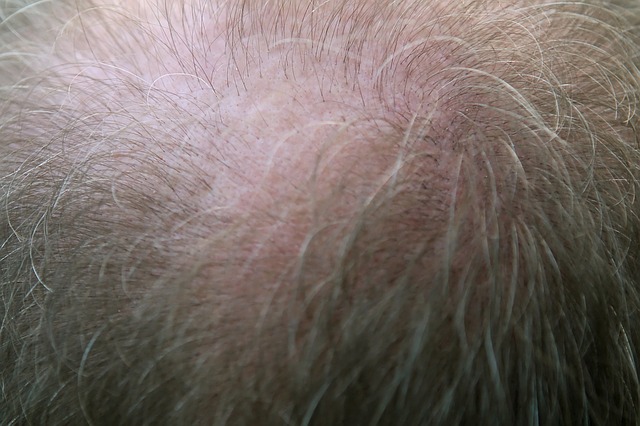
    Whether it’s short- or long-term, women lose hair the same way men do. It might thin all over, or your center part could get wider and wider. You might even get a bald spot at the crown of your head. One thing women rarely have: a receding front hairline.

    How Does Hair Grow?

    Your scalp is home to about 100,000 hairs. Each one has its own life cycle. A follicle produces a single hair that grows at a rate of half an inch per month. It hangs in there for 2 to 6 years, then stops for about a month. When the next cycle starts up, that hair falls out. At any given time, most of your locks are in the growth phase.

    How Much Hair Loss Is Normal?

    Most people shed about 50-100 strands every day. Don’t worry if you find a few in your hairbrush or on your clothes. But if it starts to fall out in clumps or if you notice it getting thinner over time, check with your doctor.

    What Are the Roots of Hair Loss?

    There’s no single cause. Triggers range from medical conditions -- as many as 30 -- to stress and lifestyle factors, like what you eat. Your genes play a role, too. Sometimes doctors can’t find a specific reason. As a starting point, hair loss experts suggest you get tested for thyroid problems and hormone imbalances. Hair often grows back once the cause is addressed.

    Can You Measure Hair Loss?

    Yes. Doctors use the Savin scale. It ranges from normal hair density to a bald crown, which is rare. The scale helps document female pattern baldness, a condition your doctor might call androgenic alopecia. You probably know it as male pattern baldness, but it affects about 30 million American women. Experts think genes and aging play a role, along with the hormonal changes of menopause. Your hair could thin all over, with the greatest loss along the center of the scalp.

    Hair Loss Trigger: Thyroid Problems

    This butterfly-shaped gland at the front of your neck pumps out chemicals that keep your body humming along. If it makes too much or too little thyroid hormone, your hair growth cycle might take a hit. But thinner locks are rarely the only sign of a thyroid problem. You might lose or gain weight, become sensitive to cold or heat, or notice changes in your heart rate.

    Hair Loss Trigger: PCOS

    If you have polycystic ovary syndrome (PCOS), your hormones are always out of whack. Your body makes more male hormones, or androgen, than it should. This can cause extra hair to sprout on your face and body while the hair on your head thins out. PCOS can also lead to ovulation problems, acne, and weight gain. But sometimes thinning hair is the only obvious sign.

    Hair Loss Trigger: Alopecia Areata

    Alopecia areata causes hair to fall out in big patches. The culprit is your own immune system, which attacks healthy hair follicles by mistake. In most cases, the damage isn’t permanent. The missing locks should grow back in 6 months to a year. Some people lose all the hair on their scalp and body, but that’s rare.

    Hair Loss Trigger: Ringworm

    When the ringworm fungus affects your scalp, it triggers a distinct hair loss pattern -- itchy, round bald patches. They might also look scaly and red. Your doctor will treat it with antifungal medication. It’s easy to spread by direct contact, so check your family members for symptoms, too.

    Hair Loss Trigger: Childbirth

    You might notice your hair seems fuller during pregnancy. That’s because high hormone levels keep resting hairs from falling out. But after the baby comes, things go back to normal and those strands will fall out quickly. You could lose a lot of hair at once. It could take up to 2 years for your locks to return to normal.

    Hair Loss Trigger: The Pill

    The hormones that suppress ovulation could cause your hair to thin. It’s more likely if you have a family history of hair loss. It might happen when you stop taking the pill. Other drugs linked to hair loss include blood thinners and medicines that treat high blood pressure, heart disease, arthritis, and depression.

    Hair Loss Trigger: Crash Diets

    You may lose more than weight with a fad diet. And if you drop 15 pounds or more, you might also shed some hair a few months down the road. Don’t worry too much -- it’ll return when you’re back on a healthy diet. Be prepared to shed some locks if you’re getting too much vitamin A or not enough protein.

    Hair Loss Trigger: Tight Hairstyles

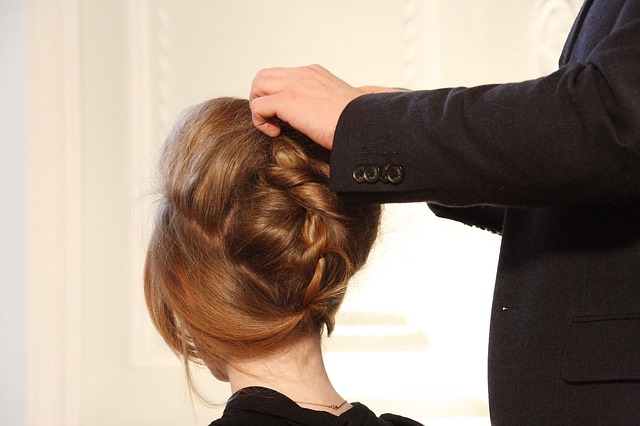
    It’s no myth: Wearing cornrows or tight ponytails can irritate your scalp and cause hair to fall out. The same goes for using tight rollers. Let your hair down, and it should grow back normally. Be aware that long-term use of these styles can scar your scalp and lead to permanent hair loss.

    Hair Loss Trigger: Cancer Treatment

    Chemo and radiation therapy, two of the most widely used therapies, can take a toll on your hair. In their quest to kill cancer cells, both can harm hair follicles and trigger dramatic hair loss. But the damage is almost always short-lived. Once your treatment is finished, hair usually grows back.

    Hair Loss Trigger: Extreme Stress

    High-level physical or emotional stress can cause you to suddenly shed huge amounts of hair. Examples include:

    • Serious illness or major surgery
    • Trauma involving blood loss
    • Severe emotional distress

    The process may last 6 to 8 months.

    Treating Hair Loss: Medicine

    Minoxidil (Rogaine) is approved by the FDA for female pattern hair loss. It can slow or stop it in most women and may help hair grow back. But the benefits go away when you stop using it. Corticosteroids can help regrow hair for women with alopecia areata. And if the cause is an underlying medical problem or poor nutrition, your locks should grow back on their own once things are under control.

    Treating Hair Loss: Laser Devices

    Devices that emit low-energy laser light may help new hair grow. They're available in some clinics and for home use. Several are approved for both men and women, and studies show they do work. But it might take 2-4 months before you see results. Keep in mind: The FDA doesn’t require the same rigorous testing for devices as for medicines. The long-term safety and effects aren’t known.

    Hair Transplants in Women

    This procedure involves moving hair to thinning scalp areas from fuller areas. The trouble is, female pattern baldness causes thin hair all over, so good donor sites may be limited. It works better if your hair loss comes from male pattern baldness or scarring.

    Hair-Loss Products and Devices

    • A dermatologist
    • The FDA medical devices division
    • The Federal Trade Commission (FTC)

    Style Tips for Thinning Hair

    Ask your stylist. She might suggest a short cut, a different part, maybe a gentle body wave. Try a styling product for thin hair to hide bare spots. Apply it to the root area then gently blow dry to build volume. Let your hair air dry for a while before you use the dryer. Special cosmetics can disguise parts of your scalp that show. Think about keratin fiber hair cosmetics. Sprinkle them over the thinning patch. Their static charge makes hair look thicker.

    How to Handle Major Hair Loss

    It can be a challenge. If thin areas are easy to spot, consider a weave, a hairpiece, a scarf, or a hat. Good-quality wigs are more comfortable than ever -- and they rarely have bad hair days. If hair loss affects your job or social life or makes you not want to leave the house, talk with a counselor.

    0 comment
    0
    Facebook Twitter Google + Pinterest
    explainingmedicine

    previous post
    Urinary Incontinence in Men: Products, Diet, & Lifestyle
    next post
    Thyroid: Common Thyroid Problems Explained

    Related Articles

    Breast Cancer: Diagnosis and Treatment

    October 14, 2016

    Enterovirus D68: Causes, Symptoms, and Treatment for the EV-D68 Virus

    October 14, 2016

    Lyme Disease: Find Out How to Protect Yourself

    October 14, 2016

    Skin & Health: What Your Skin Says About Your Health

    October 14, 2016

    Diarrhea and Digestive Distress: Problems Foods to Avoid

    October 14, 2016

    Asthma: The Anatomy of an Asthma Attack

    October 14, 2016

    Pancreatic Cancer: Know The Signs of Pancreatic Cancer

    October 14, 2016

    Epilepsy: Symptoms, Stages and Treatment

    October 14, 2016

    Pet Health & You: Best Dog Breed for Your Health and Personality

    October 14, 2016

    2008 Airport Food Review: Ranking of the Nation’s 15 Busiest Airports

    October 14, 2016

    Recent Posts

    • Flu shot recommendation for kids dropped just as the illness rages

      January 12, 2026
    • The CDC just sidelined these childhood vaccines. Here’s what they prevent

      January 9, 2026
    • Your next primary care doctor could be online only, accessed through an AI tool

      January 9, 2026
    • In Lodge Grass, Montana, a Crow community works to rebuild from meth’s destruction

      January 8, 2026
    • RFK Jr.’s new dietary guidelines go all in on meat and dairy

      January 7, 2026

    Keep in touch

    Facebook Twitter Google + RSS

    Recent Posts

    • Flu shot recommendation for kids dropped just as the illness rages

      January 12, 2026
    • The CDC just sidelined these childhood vaccines. Here’s what they prevent

      January 9, 2026
    • Your next primary care doctor could be online only, accessed through an AI tool

      January 9, 2026
    • In Lodge Grass, Montana, a Crow community works to rebuild from meth’s destruction

      January 8, 2026
    • RFK Jr.’s new dietary guidelines go all in on meat and dairy

      January 7, 2026
    • Terms of Service
    • Privacy Policy

    @2026 - Explaining Medicine. All Right Reserved.


    Back To Top
    Explaining Medicine
    Proudly powered by WordPress Theme: soledad child.