Explaining Medicine
  • News
  • Health & Lifestyle
    • Diet & Weight Management
    • Exercise & Fitness
    • Nutrition, Food & Recipes
    • Prevention & Wellness
  • Conditions
    • Custom1
      • Conditions A-Z
      • Procedures A-Z
      • Allergies
      • Alzheimer’s
      • Arthritis
      • Asthma
      • Blood Pressure
      • Cholesterol
      • Cancer
    • Custom2
      • Chronic Pain
      • Cold Flu
      • Depression
      • Diabetes
      • Digestion
      • Eyesight
      • Health Living
      • Healthy Kids
      • Hearing Ear
    • Custom3
      • Heart
      • HIV/AIDS
      • Infectious Disease
      • Lung Conditions
      • Menopause
      • Men’s Health
      • Mental Health
      • Migraine
      • Neurology
    • Custom4
      • Oral Health
      • Pregnancy
      • Senior Health
      • Sexual Health
      • Skin Problems
      • Sleep
      • Thyroid
      • Travel Health
      • Women’s Health
  • Medications
    • Medications
    • Supplements and Vitamins
  • Medical Dictionary
  • Health Alerts
Flu shot recommendation for kids dropped just as...
The CDC just sidelined these childhood vaccines. Here’s...
Your next primary care doctor could be online...
In Lodge Grass, Montana, a Crow community works...
RFK Jr.’s new dietary guidelines go all in...
More seniors are becoming homeless. Shelters are trying...
Health officials slash the number of vaccines recommended...
Wegovy obesity pill now available at pharmacies
In the U.S., hunger is often hidden. But...
One doctor’s experience shows the battle for the...
Top Posts

Explaining Medicine

  • News
  • Health & Lifestyle
    • Diet & Weight Management
    • Exercise & Fitness
    • Nutrition, Food & Recipes
    • Prevention & Wellness
  • Conditions
    • Custom1
      • Conditions A-Z
      • Procedures A-Z
      • Allergies
      • Alzheimer’s
      • Arthritis
      • Asthma
      • Blood Pressure
      • Cholesterol
      • Cancer
    • Custom2
      • Chronic Pain
      • Cold Flu
      • Depression
      • Diabetes
      • Digestion
      • Eyesight
      • Health Living
      • Healthy Kids
      • Hearing Ear
    • Custom3
      • Heart
      • HIV/AIDS
      • Infectious Disease
      • Lung Conditions
      • Menopause
      • Men’s Health
      • Mental Health
      • Migraine
      • Neurology
    • Custom4
      • Oral Health
      • Pregnancy
      • Senior Health
      • Sexual Health
      • Skin Problems
      • Sleep
      • Thyroid
      • Travel Health
      • Women’s Health
  • Medications
    • Medications
    • Supplements and Vitamins
  • Medical Dictionary
  • Health Alerts
  • Slideshows

    Thyroid: Common Thyroid Problems Explained

    by explainingmedicine October 14, 2016

    Are You Having Thyroid Problems?

    It's hard to tell if you have thyroid abnormalities. You might feel run down and tired, or have what is known as "brain fog." You may be gaining weight, pregnant, or experiencing hair loss. Others may feel "hyper," anxious, or sweat a lot more than usual. All of these are common symptoms of thyroid disorders. The thyroid gland regulates many processes within the body, and women are particularly likely to have disorders that affect the function of this essential gland. Recognizing and treating these conditions is critical for optimum health and preventing long-term health problems.

    Thyroid Gland

    The thyroid gland is located in front of the neck. It has right and left lobes that confer a butterfly-shaped appearance. The hormones produced by this gland control the body’s metabolism, or the processes by which the body uses energy. Disorders that affect thyroid function can either speed up or slow down metabolic processes, which can lead to a wide range of symptoms.

    Hypothyroidism and Hyperthyroidism Symptoms: Weight Loss/Weight Gain

    Changes in weight can signal an abnormal function of the thyroid gland. Low levels of thyroid hormones (hypothyroidism) can cause weight gain, while unexpected weight loss can signal that too much thyroid hormone is being produced (hyperthyroidism). Hypothyroidism is much more common than hyperthyroidism.

    Hypothyroidism and Hyperthyroidism Symptoms: Swollen Neck

    A goiter is an enlargement of the thyroid gland. As shown here, an enlarged thyroid can be seen as a swelling in the front of the neck. A goiter can occur with either hypothyroidism or hyperthyroidism. It can sometimes also result from tumors or nodules that develop within the thyroid gland.

    Hypothyroidism and Hyperthyroidism Symptoms: Changes in Heart Rate

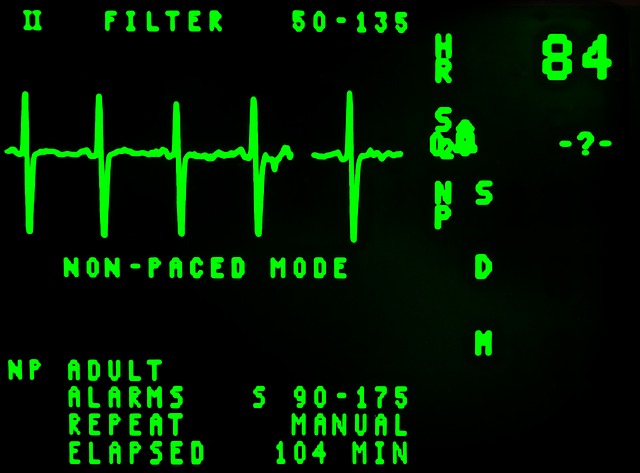
    The hormones made in the thyroid gland affect almost every organ in the body, including the heart. Hypothyroidism can cause the heart to beat more slowly, while hyperthyroidism causes a fast heartbeat. Elevated levels of thyroid hormones also can lead to increases in blood pressure and the sense that your heart is pounding (palpitations).

    Hypothyroidism and Hyperthyroidism Symptoms: Changes in Mood

    Thyroid disorders can affect emotions, energy, and mood. Hypothyroidism can cause symptoms like depression, tiredness, and feeling sluggish. Hyperthyroidism is associated with sleep disturbances, irritability, anxiety, and restlessness.

    Hypothyroidism and Hyperthyroidism Symptoms: Hair Loss

    Hair loss is a common sign of a thyroid problem. Both too high and too low levels of thyroid hormones can lead to hair loss. The hair typically grows back once the condition is treated.

    Hypothyroidism and Hyperthyroidism Symptoms: Body Temperature

    The thyroid affects regulation of body temperature, so those with hypothyroidism often report feeling cold. In contrast, people with hyperthyroidism tend to have excessive sweating and an aversion to heat.

    Hypothyroidism and Hyperthyroidism Symptoms: Other Symptoms

    Other symptoms and signs of hypothyroidism include:

    • Constipation
    • Changes or abnormalities in the menstrual cycle
    • Dry skin and brittle nails
    • Tingling and numbness in the hands or fingers

    Hypothyroidism and Hyperthyroidism Symptoms: Other Symptoms

    Other symptoms and signs of hyperthyroidism include:

    • Problems with vision
    • Diarrhea
    • Irregularities in the menstrual cycle
    • Trembling hands
    • Muscle weakness

    Is It Menopause or Thyroid Disorder?

    Thyroid disorders can cause symptoms that are mistaken for those of a woman approaching menopause. Both menstrual cycle changes and mood changes can result from the menopausal transition or from thyroid conditions. Blood tests can determine which of these conditions is responsible for your symptoms. It's also possible to have a combination of the two causes.

    When Should You See a Doctor?

    Your doctor may recommend tests if you have symptoms or risk factors for thyroid disease. Both hypothyroidism and hyperthyroidism are most common in women over 60 years of age. A family history of thyroid disease increases your risk of developing thyroid conditions.

    Neck Check for Thyroid Disorders

    Examining your neck in the area of the Adam's apple while you swallow can sometimes detect if your thyroid is enlarged. Swallow while tipping the head back, and examine your neck and the area above the collarbones. If you see any lumps or bulges, see a doctor.

    Thyroid Disorders Tests

    Blood tests can diagnose many thyroid conditions. Thyroid-stimulating hormone (TSH) is a hormone that controls activity of the thyroid gland. If your TSH is high, this typically signals that your thyroid function is low (hypothyroidism). In contrast, low levels of TSH suggest hyperthyroidism. Your doctor may also order tests to determine the levels of other thyroid hormones. Imaging studies and tissue biopsies are other tests that are sometimes used to evaluate thyroid problems.

    Hypothyroidism Causes: Hashimoto’s Disease

    Hashimoto's disease, an autoimmune condition, is the most common cause of hypothyroidism. In Hashimoto’s disease the immune system mistakenly targets and damages the thyroid gland, so not enough hormones are produced. Hashimoto’s disease tends to run in families.

    Hypothyroidism Causes: Pituitary Gland

    The pituitary gland is located at the base of the brain. It controls the functions of many other glands in the body, including the thyroid. The pituitary gland produces TSH, which signals the thyroid gland to make thyroid hormones. If there is a problem with the pituitary gland and not enough TSH is produced, hypothyroidism can result. Inflammation of the thyroid and taking certain medications can also cause low thyroid hormone levels.

    Hypothyroidism Causes: Grave’s Disease

    Graves' disease is the most common cause of elevated thyroid hormone levels. This is another autoimmune condition in which the immune system targets the thyroid gland.


    What Is Grave’s Disease?

    In Grave’s Disease, the immune system attack triggers the release of high levels of thyroid hormones. A swelling behind the eyes is one of the characteristic signs of Graves’ disease, as shown in this photo.

    Hypothyroidism Causes: Thyroid Nodules

    Thyroid nodules are lumps that are found inside the thyroid gland. These lumps can begin producing high levels of thyroid hormones, leading to hyperthyroidism. Large lumps may be obvious, while smaller nodules can be visualized with an ultrasound examination of the thyroid.

    Thyroid Storm

    Untreated hypothyroidism can raise cholesterol levels and increase your risk of heart attack or stroke. If thyroid hormone levels drop to extreme lows, coma and a life-threatening lowering of body temperature can occur. Other complications of untreated hypothyroidism include a loss of bone density and heart problems.

    Hypothyroidism Treatment

    Treatment for hypothyroidism usually involves taking thyroid hormones in pill form. Symptoms usually improve within a few weeks of beginning therapy. Most of those affected will have to take the thyroid hormones throughout their life. Over time, treatment can result in weight loss, increased energy, and lowering of cholesterol levels.

    Hyperthyroidism Treatment

    There are several treatments available to fight hyperthyroidism. The best approach can be determined by a doctor, who will likely consider how severe the hyperthyroidism is, as well as a patient’s medical history.


    Anti-Thyroid Medications

    Antithyroid medication, which attempts to lower the amount of thyroid hormone produced, is the most common treatment for hyperthyroidism. Many people need to take this medication long-term. You may need other kinds of medication to treat certain symptoms, like tremors or fast heart rate.


    Radioactive Iodine

    Radioactive iodine is a treatment option that destroys the thyroid gland over a period of weeks. This is an oral medication.


    Beta Blockers

    Beta blockers don’t actually treat thyroid level disorders, but they do improve the symptoms of high blood pressure, rapid heart rate, and heart palpitations.

    Hyperthyroidism Treatment: Surgery (Thyroidectomy)

    Surgery to remove the thyroid gland is recommended for hyperthyroidism when antithyroid drugs do not work, or if there is severe enlargement of the gland. Surgery can also be used to treat thyroid nodules or tumors. After surgical removal of the gland, most people need to take thyroid hormones in pill form.

    Thyroid Cancer

    Thyroid cancer is not common, and it is among the least deadly types of cancer.

    Thyroid Cancer Symptoms

    A lump or swelling in the thyroid gland is the most common sign, and only about 5% of thyroid nodules are malignant (cancerous).


    Thyroid Cancer Treatment

    Some thyroid cancer, but not all, is treated by surgery followed by radioactive iodine therapy or radiation therapy. Thyroid cancer is almost never treated with external radiation.

    0 comment
    0
    Facebook Twitter Google + Pinterest
    explainingmedicine

    previous post
    Urinary Tract Infection: Bladder Infection Symptoms, Causes and Treatments
    next post
    Women’s Health: A Visual Guide to Uterine Fibroids

    Related Articles

    Diet & Weight Loss: The Best Diet Tips Ever

    October 14, 2016

    Sexual Health: Men – Tips to Unzip Your Sex Life and Make it Great

    October 14, 2016

    Cervical Cancer: Symptoms, Stages, and Treatment

    October 14, 2016

    Foot Problems: Ingrown Toenails

    October 14, 2016

    Vitamin D: Do You Need a Vitamin D Supplement?

    October 14, 2016

    Cosmetic Dentistry: Before & After Pictures

    October 14, 2016

    Enlarged Prostate (BPH): Symptoms, Diagnosis & Treatment

    October 14, 2016

    Healthy Eating: Simple Secrets to Portion Control and Nutrition Labels

    October 14, 2016

    Diabetic Peripheral Neuropathy: Exercises to Improve Diabetes Nerve Pain

    October 14, 2016

    Chronic Pain: Causes, Solutions and Management

    October 14, 2016

    Recent Posts

    • Flu shot recommendation for kids dropped just as the illness rages

      January 12, 2026
    • The CDC just sidelined these childhood vaccines. Here’s what they prevent

      January 9, 2026
    • Your next primary care doctor could be online only, accessed through an AI tool

      January 9, 2026
    • In Lodge Grass, Montana, a Crow community works to rebuild from meth’s destruction

      January 8, 2026
    • RFK Jr.’s new dietary guidelines go all in on meat and dairy

      January 7, 2026

    Keep in touch

    Facebook Twitter Google + RSS

    Recent Posts

    • Flu shot recommendation for kids dropped just as the illness rages

      January 12, 2026
    • The CDC just sidelined these childhood vaccines. Here’s what they prevent

      January 9, 2026
    • Your next primary care doctor could be online only, accessed through an AI tool

      January 9, 2026
    • In Lodge Grass, Montana, a Crow community works to rebuild from meth’s destruction

      January 8, 2026
    • RFK Jr.’s new dietary guidelines go all in on meat and dairy

      January 7, 2026
    • Terms of Service
    • Privacy Policy

    @2026 - Explaining Medicine. All Right Reserved.


    Back To Top
    Explaining Medicine
    Proudly powered by WordPress Theme: soledad child.