Explaining Medicine
  • News
  • Health & Lifestyle
    • Diet & Weight Management
    • Exercise & Fitness
    • Nutrition, Food & Recipes
    • Prevention & Wellness
  • Conditions
    • Custom1
      • Conditions A-Z
      • Procedures A-Z
      • Allergies
      • Alzheimer’s
      • Arthritis
      • Asthma
      • Blood Pressure
      • Cholesterol
      • Cancer
    • Custom2
      • Chronic Pain
      • Cold Flu
      • Depression
      • Diabetes
      • Digestion
      • Eyesight
      • Health Living
      • Healthy Kids
      • Hearing Ear
    • Custom3
      • Heart
      • HIV/AIDS
      • Infectious Disease
      • Lung Conditions
      • Menopause
      • Men’s Health
      • Mental Health
      • Migraine
      • Neurology
    • Custom4
      • Oral Health
      • Pregnancy
      • Senior Health
      • Sexual Health
      • Skin Problems
      • Sleep
      • Thyroid
      • Travel Health
      • Women’s Health
  • Medications
    • Medications
    • Supplements and Vitamins
  • Medical Dictionary
  • Health Alerts
Is It Dry Skin or Atopic Dermatitis?
Atopic Dermatitis: How to Get Enough Sleep
Atopic Dermatitis: Help for Broken Skin
Atopic Dermatitis and Food Triggers
What’s at stake as the Supreme Court hears...
Oncologists’ meetings with drug reps don’t help cancer...
Chronic Spontaneous Urticaria: What to Know
CSU: What to Wear and What to Avoid
Treatment Plan for Chronic Spontaneous Urticaria
When the Hives of CSU Don’t Go Away...
Top Posts

Explaining Medicine

  • News
  • Health & Lifestyle
    • Diet & Weight Management
    • Exercise & Fitness
    • Nutrition, Food & Recipes
    • Prevention & Wellness
  • Conditions
    • Custom1
      • Conditions A-Z
      • Procedures A-Z
      • Allergies
      • Alzheimer’s
      • Arthritis
      • Asthma
      • Blood Pressure
      • Cholesterol
      • Cancer
    • Custom2
      • Chronic Pain
      • Cold Flu
      • Depression
      • Diabetes
      • Digestion
      • Eyesight
      • Health Living
      • Healthy Kids
      • Hearing Ear
    • Custom3
      • Heart
      • HIV/AIDS
      • Infectious Disease
      • Lung Conditions
      • Menopause
      • Men’s Health
      • Mental Health
      • Migraine
      • Neurology
    • Custom4
      • Oral Health
      • Pregnancy
      • Senior Health
      • Sexual Health
      • Skin Problems
      • Sleep
      • Thyroid
      • Travel Health
      • Women’s Health
  • Medications
    • Medications
    • Supplements and Vitamins
  • Medical Dictionary
  • Health Alerts
  • News

    Tai chi reduces blood pressure better than aerobic exercise, study finds

    by Maria Godoy February 14, 2024

    Enlarge this image

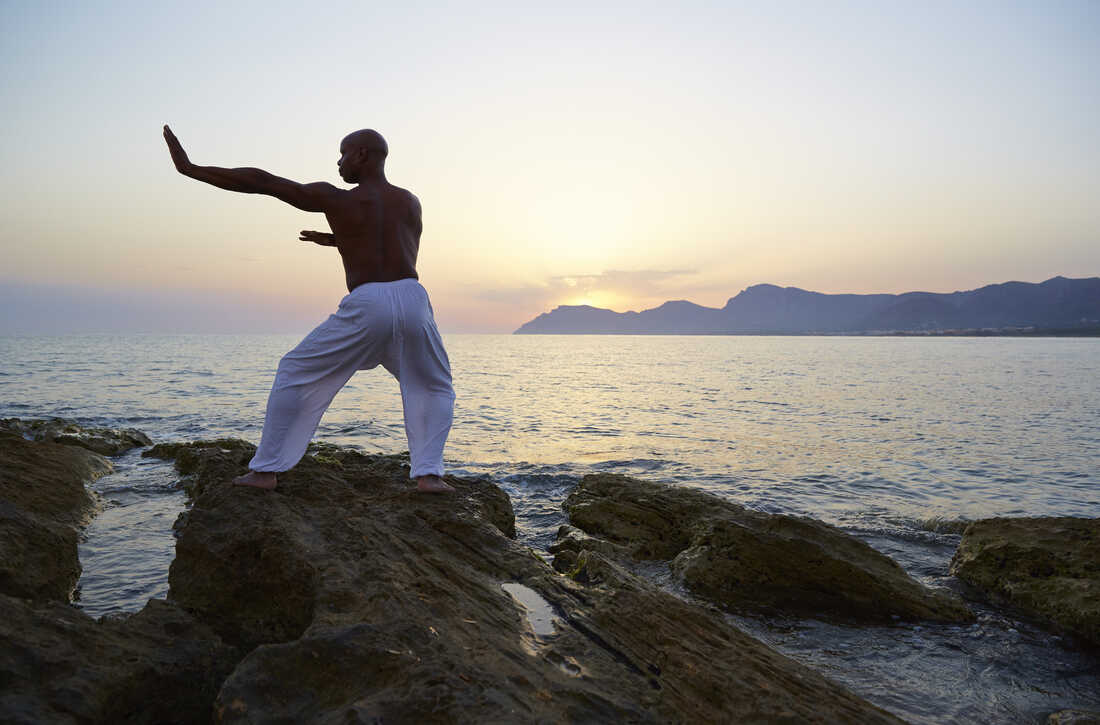
    Tai chi has many health benefits. It improves flexibility, reduces stress and can help lower blood pressure. Ruth Jenkinson/Getty Images/Science Photo Library hide caption

    toggle caption

    Ruth Jenkinson/Getty Images/Science Photo Library

    Tai chi has many health benefits. It improves flexibility, reduces stress and can help lower blood pressure.

    Ruth Jenkinson/Getty Images/Science Photo Library

    Tai chi, a traditional, slow-moving form of Chinese martial art, is known to increase flexibility and improve balance. Now, new research suggests it’s better than more vigorous aerobic exercises for lowering blood pressure in people with prehypertension.

    Prehypertension is blood pressure that’s higher than normal but doesn’t quite reach the level of high blood pressure, or hypertension. It’s considered a warning sign that heart disease may be ahead, and it raises the risk of having a heart attack.

    The new findings, published in the journal JAMA Network Open, add to a large body of research pointing to health benefits from tai chi, a wellness practice that combines slow, gentle movements and postures with mindfulness. It’s often called meditation in motion.

    Tai chi helps boost memory, study finds. One type seems most beneficial

    Shots – Health News

    Tai chi helps boost memory, study finds. One type seems most beneficial

    In the study, researchers in China randomly assigned 342 adults with prehypertension to one of two interventions. The average age of participants was 49. Roughly half the people participated in supervised aerobic exercise, including jogging, climbing stairs, brisk walking and cycling. The other half was trained to practice tai chi. Both groups got hourlong sessions four times a week.

    After 12 months, those in the tai chi group saw bigger drops in their blood pressure than those in the aerobic exercise group. What’s more, nearly 22% of the people who practiced tai chi saw their blood pressure fall to within normal range, compared with nearly 16% of people in the aerobic exercise group. And fewer patients in the tai chi group went on to develop hypertension than in the aerobic exercise group.

    Previous research has found that tai chi is more effective than brisk walking at lowering blood pressure, fasting blood sugar levels and perceived stress in people who have hypertension.

    So what is it about tai chi that helps lower blood pressure? The practice tends to elicit more of a response from the parasympathetic nervous system, says Ruth Taylor-Piliae, a professor at the University of Arizona’s College of Nursing, who was not involved in the study. The parasympathetic nervous system is the network of nerves that relaxes your body after periods of stress or danger.

    “It [tai chi] kind of helps to just relax everything, and I think it’s that response that’s working towards lowering blood pressure,” says Taylor-Piliae, whose research focuses on how mind-body interventions such as tai chi can benefit older adults with cardiovascular disease. “I think it’s the meditative quality of it.”

    She notes a large body of evidence has now shown the benefits of tai chi on blood pressure. The practice is appealing as a form of exercise because it is low impact and requires little space or equipment.

    “I think the beauty of tai chi is that you don’t have to have a special gym membership, you don’t have to have special clothing,” Taylor-Piliae says. “Once you learn tai chi, you can do it anytime, anyplace, anywhere. And it does kind of provide that calming, relaxing” effect.

    Studies have also shown that practicing tai chi can help reduce the risk of falls, improve balance and walking speed in older adults, and reduce depression and anxiety.

    Evidence suggests it can also help protect against cognitive decline and even boost memory. But you have to practice it consistently to reap the most benefit.

    “You have to have enough ‘dose’ of tai chi,” Taylor-Piliae says. “You can’t just do it one hour, one time.”

    This story was edited by Jane Greenhalgh.

    Read the article here

    Share this Post

    Share Explaining Medicine Share Explaining Medicine

    Tai chi reduces blood pressure better than aerobic exercise, study finds was last modified: March 2nd, 2024 by Maria Godoy

    Related

    blood pressureexercisehypertensiontai chi
    0 comment
    0
    Facebook Twitter Google + Pinterest
    Maria Godoy

    previous post
    The CDC may be reconsidering its COVID isolation guidance
    next post
    Americans who live alone report depression at higher rates, but social support helps

    Related Articles

    Study: Strict Gun Laws Cut Kids’ Firearm Deaths

    November 2, 2018

    The increasingly obfuscated medical algorithms for simple problems

    November 23, 2018

    When doctors are poor explainers

    April 10, 2019

    A Blurry Worldview

    July 1, 2016

    Peanut allergies: What is the best policy for schools?

    January 14, 2019

    Kids’ ER Trips for Swallowed Objects Nearly Double

    April 12, 2019

    Weedkiller Chemical Found in Popular Beer and Wine

    February 25, 2019

    One state looks to get kids in crisis out of the ER — and back home

    February 9, 2023

    The Good Bugs

    January 20, 2024

    CDC: Don’t Eat Any Romaine Lettuce, Throw It Out

    November 20, 2018

    Recent Posts

    • Is It Dry Skin or Atopic Dermatitis?

      April 24, 2024
    • Atopic Dermatitis: How to Get Enough Sleep

      April 24, 2024
    • Atopic Dermatitis: Help for Broken Skin

      April 24, 2024
    • Atopic Dermatitis and Food Triggers

      April 24, 2024
    • What’s at stake as the Supreme Court hears Idaho case about abortion in emergencies

      April 23, 2024

    Keep in touch

    Facebook Twitter Google + RSS

    Recent Posts

    • Is It Dry Skin or Atopic Dermatitis?

      April 24, 2024
    • Atopic Dermatitis: How to Get Enough Sleep

      April 24, 2024
    • Atopic Dermatitis: Help for Broken Skin

      April 24, 2024
    • Atopic Dermatitis and Food Triggers

      April 24, 2024
    • What’s at stake as the Supreme Court hears Idaho case about abortion in emergencies

      April 23, 2024
    • Terms of Service
    • Privacy Policy

    @2026 - Explaining Medicine. All Right Reserved.


    Back To Top
    Explaining Medicine
    Proudly powered by WordPress Theme: soledad child.