Explaining Medicine
  • News
  • Health & Lifestyle
    • Diet & Weight Management
    • Exercise & Fitness
    • Nutrition, Food & Recipes
    • Prevention & Wellness
  • Conditions
    • Custom1
      • Conditions A-Z
      • Procedures A-Z
      • Allergies
      • Alzheimer’s
      • Arthritis
      • Asthma
      • Blood Pressure
      • Cholesterol
      • Cancer
    • Custom2
      • Chronic Pain
      • Cold Flu
      • Depression
      • Diabetes
      • Digestion
      • Eyesight
      • Health Living
      • Healthy Kids
      • Hearing Ear
    • Custom3
      • Heart
      • HIV/AIDS
      • Infectious Disease
      • Lung Conditions
      • Menopause
      • Men’s Health
      • Mental Health
      • Migraine
      • Neurology
    • Custom4
      • Oral Health
      • Pregnancy
      • Senior Health
      • Sexual Health
      • Skin Problems
      • Sleep
      • Thyroid
      • Travel Health
      • Women’s Health
  • Medications
    • Medications
    • Supplements and Vitamins
  • Medical Dictionary
  • Health Alerts
Flu shot recommendation for kids dropped just as...
The CDC just sidelined these childhood vaccines. Here’s...
Your next primary care doctor could be online...
In Lodge Grass, Montana, a Crow community works...
RFK Jr.’s new dietary guidelines go all in...
More seniors are becoming homeless. Shelters are trying...
Health officials slash the number of vaccines recommended...
Wegovy obesity pill now available at pharmacies
In the U.S., hunger is often hidden. But...
One doctor’s experience shows the battle for the...
Top Posts

Explaining Medicine

  • News
  • Health & Lifestyle
    • Diet & Weight Management
    • Exercise & Fitness
    • Nutrition, Food & Recipes
    • Prevention & Wellness
  • Conditions
    • Custom1
      • Conditions A-Z
      • Procedures A-Z
      • Allergies
      • Alzheimer’s
      • Arthritis
      • Asthma
      • Blood Pressure
      • Cholesterol
      • Cancer
    • Custom2
      • Chronic Pain
      • Cold Flu
      • Depression
      • Diabetes
      • Digestion
      • Eyesight
      • Health Living
      • Healthy Kids
      • Hearing Ear
    • Custom3
      • Heart
      • HIV/AIDS
      • Infectious Disease
      • Lung Conditions
      • Menopause
      • Men’s Health
      • Mental Health
      • Migraine
      • Neurology
    • Custom4
      • Oral Health
      • Pregnancy
      • Senior Health
      • Sexual Health
      • Skin Problems
      • Sleep
      • Thyroid
      • Travel Health
      • Women’s Health
  • Medications
    • Medications
    • Supplements and Vitamins
  • Medical Dictionary
  • Health Alerts
  • Slideshows

    Alzheimer’s Disease: A Caregiver’s Guide

    by explainingmedicine October 14, 2016

    Is it Alzheimer's?

    Is it forgetfulness, a "senior moment," or Alzheimer's disease (AD)? The following slides are designed to present some signs of Alzheimer's disease. About 1 in 3 people over the age of 65 that die have either Alzheimer's disease or another type of dementia. Over 5 million people in the U.S. currently have Alzheimer's disease.


    Warning Signs: Memory and Speech

    In early Alzheimer's, memory loss, especially of short-term memories, becomes noticeable. Forgotten recent conversations and repeated similar questions become more frequent. A change in speech, such as not remembering common words, becomes more noticeable in people with Alzheimer's disease. Although this may happen occasionally with people, such memory problems become more frequent and progressively worse in Alzheimer's disease patients.

    Warning Signs: Behavior

    Mood swings, poor judgment, and changes in appearance (poor hygiene, wearing soiled clothing), and confusion about previously commonly-performed tasks are some of the behavior changes seen in Alzheimer’s disease patients, especially as the disease progresses.

    Don't Ignore the Signs

    If there are signs of Alzheimer's in a person, that person should be evaluated by their physician when symptoms first arise. The doctor can help distinguish Alzheimer's disease from other treatable health problems like thyroid problems or electrolyte imbalances that may cause similar symptoms.

    Diagnosing Alzheimer's

    Diagnosis of Alzheimer's disease is based on clinical criteria; there is no definitive test currently available for Alzheimer's disease. Mental status tests can help evaluate the patient’s mental and memory function. Other blood tests, brain scans (CT, MRI, PET, or SPECT), electroencephalograms (EEGs), and others are used to determine if there are other causes (metabolic, stroke, brain tumor) that could be causing the Alzheimer's disease symptoms.

    Alzheimer's and the Brain

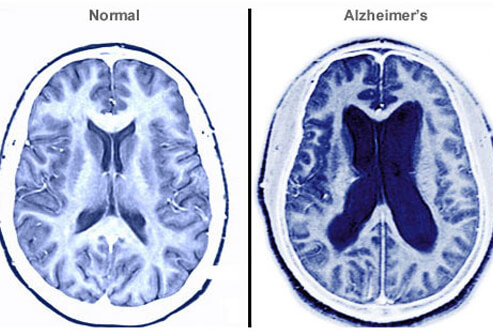
    Alzheimer's disease results in brain nerve cells dying; this cell loss throughout the brain is eventually visualized in brain scans as enlarged ventricles and smaller (shrinking) areas of brain tissue. The result is disrupted cellular communication that is evidenced by the person's decline in memory, speech, comprehension, and other changes.

    What to Expect From Alzheimer's Progression

    Alzheimer's disease is progressive, but its progression varies from patient to patient. The average survival time varies from about 3 to 9 years; some patients survive about 20 years with a slow progression of symptoms.

    How Alzheimer's Affects Daily Life

    Alzheimer's progression leads to changes that affect daily life. Patients develop increasing difficulties such as balancing a checkbook or getting lost easily. Progression can result in the inability to recognize loved ones, loss of language skills, and physical problems such as loss of balance or incontinence.

    Alzheimer's and Driving

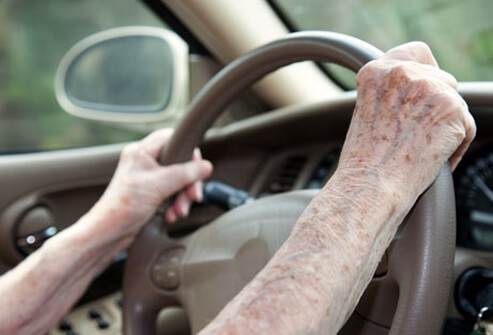
    As mentioned above, progressive loss of mental and physical abilities occurs with Alzheimer's patients. A difficult task is convincing such a patient that it is no longer safe for them to drive. Many patients may not understand their progressive decline so they may resist this effort. Your loved one may benefit from discussions and plans for alternate transportation; if not, involve the patient’s doctor to help. If the patient still insists on driving, you may need to contact the Department of Motor Vehicles to assess the person's driving abilities.

    Alzheimer's and Exercise

    Exercise should be encouraged for people with Alzheimer's because it improves muscle strength, coordination, and may improve mood and reduce anxiety. However, the person should not be stressed to avoid making symptoms worse. Walking, gardening, or visiting a museum or park are examples of mild-to-moderate exercise activities that may help improve strength and reduce anxiety.

    Alzheimer's Medications

    There is no medical cure or way to stop progressive nerve cell damage in Alzheimer's patients. However, some medications (Aricept, Exelon, Razadyne, Namenda XR) may help slow the progression of the disease, treat symptoms (neuroleptic agents, antidepressants), and allow the patient to be relatively independent longer.

    The Caregiver's Role

    An Alzheimer's disease patient's caregiver is a difficult job that needs to strike a balance between trying to maximize the patient's independence and providing assistance and assuming responsibility for tasks the patient can no longer do. For example, the patient may have difficulty remembering tasks, so the caregiver can leave notes or other reminders to aid the patient in tasks the patient can still do.

    Challenges in Caregiving

    As Alzheimer's disease progresses, the challenges to be a caretaker also progress. Early Alzheimer's disease patients may cooperate well with caregivers because they still may have an understanding of the disease process. As Alzheimer's disease progresses, many patients may develop depression, anxiety, resentment, and paranoia. Caretakers may become exposed to belligerent or even violent behaviors. It may be difficult for some caretakers to realize that Alzheimer's disease is the cause of this change; violent behavior should cause a caregiver to immediately notify the patient's doctor.

    Sundown Syndrome

    Sundown syndrome (also termed sundowning) is a condition that may occur in about 20% of Alzheimer's disease patients that results in anxiety, agitation, and/or confusion at the end of the day when the sun goes down. The cause is not known but may be related to disorientation, mental or physical exhaustion, anxiety, and paranoia as light dims and shadows appear. It may be reduced by keeping the home well lit starting in the afternoon, having the patient view TV programs that occupy their interest, and providing a comfortable sleeping area with nightlights.

    When Your Loved One Doesn't Know You

    Alzheimer's patients may eventually have difficulty remembering names, even those of close family members. One good aid is a photo album with the family member's name listed under their picture. Some patients will no longer recognize family members. Although this is difficult for some family members to accept, it may be helpful to remind them that Alzheimer's disease is causing this situation and it is not caused by the patient.

    Warning Signs of Caregiver Stress

    Alzheimer's disease caregivers need to understand they can be affected by the intense demands of their job. About 1 in 3 Alzheimer's disease caregivers develops symptoms of depression. About 60% of caretakers rate the emotional stress of Alzheimer's disease caregiving as high or very high. Signs of caregiver stress include sadness, anger, mood swings, headaches, back pain, and difficulty sleeping and concentrating.

    Taking Care of the Caregiver

    An Alzheimer's disease caregiver has a difficult job; they need to be careful not to burnout. Caregivers need to make time for themselves every day to both relax and to get some physical exercise. Caregivers can find local support groups. Groups can be located through the Alzheimer's Association Helpline (800-272-3900).

    Essential Documents

    Be prepared. While the Alzheimer's disease patient is still able to make good judgments, the patient should, with a loved one present if necessary, contact an attorney to draw up legal documents (advance directives). These documents can designate the patient's medical treatments, end-of-life care, and designate a person to make decisions (medical, financial) when the Alzheimer's disease patient can no longer make decisions for themselves.

    Home Health Care

    The desire of many Alzheimer's disease patients is to stay at home for as long as they can. This time can be extended with careful daily planning and with a home health aide that can assist the person in daily activities like personal hygiene, meal preparation, or transportation. The local Alzheimer's support groups can help caregivers find home health aide organizations.

    Assisted Living Facilities

    Some Alzheimer's disease patients with more advanced symptoms need more care than can be provided at home. Assisted living facilities (ALF) may be the next step in care where housing, meals, activities, and other amenities are provided. Other Alzheimer's disease patients may need a special care unit that has 24-hour nursing supervision of patients with dementia.

    End-Stage Alzheimer's

    As Alzheimer's disease progresses, the symptoms may become more severe. The person may not be able to talk, walk, or recognize anyone. Some patients become bedridden and even lose the ability to swallow. Such patients have reached the end-stages of Alzheimer's disease and may benefit from hospice care. Hospice care usually provides nursing care and around-the-clock pain relief and comfort to the terminally ill.

    Helping Children Cope

    Because children may become upset, afraid, or confused about the Alzheimer's disease progression in a family member, it is important to try to explain how the family member has an illness that is causing these changes and actions. Changes within their brain are the cause and their loved one cannot control these changes. The Alzheimer's Association offers videos and suggestions to help children and teens to understand the effect of Alzheimer's disease on a family member.

    Reducing Your Risk of Alzheimer's

    To date, there is no definitive way proven to prevent Alzheimer's disease. However, researchers are investigating the effects of mental and physical fitness, diet, and environment on Alzheimer's disease development. Current studies suggest a heart-healthy diet (a diet rich in fish, nuts, vegetables, fruit, and grains) may help protect the brain from Alzheimer's disease and other problems. Similar studies suggest that people who exercise regularly decrease their risk of developing Alzheimer's disease.


    0 comment
    0
    Facebook Twitter Google + Pinterest
    explainingmedicine

    previous post
    Nasal Allergy Relief: Products That Work
    next post
    Multiple Sclerosis: Famous Faces of MS

    Related Articles

    Menopause: What Every Woman Can Expect

    October 15, 2016

    Atrial Fibrillation: Visual Guidelines to Causes, Tests and Treatment

    October 14, 2016

    Lung Cancer: Myths and Facts

    October 14, 2016

    Alzheimer’s Disease: Symptoms & Early Diagnosis

    October 14, 2016

    Sexual Health: Your Sex Life After Baby

    October 14, 2016

    Postpartum Depression: Symptoms, Diagnosis & Treatment

    October 15, 2016

    Diet and Weight Loss: 25 Ways to Get Ready for Swimsuit Season

    October 14, 2016

    Pet Health: Risky Mistakes Pet Owners Make

    October 14, 2016

    Eye Diseases: Recognize These Common Eye Conditions

    October 14, 2016

    Restless Legs Syndrome: Home Remedies for RLS and Better Sleep

    October 14, 2016

    Recent Posts

    • Flu shot recommendation for kids dropped just as the illness rages

      January 12, 2026
    • The CDC just sidelined these childhood vaccines. Here’s what they prevent

      January 9, 2026
    • Your next primary care doctor could be online only, accessed through an AI tool

      January 9, 2026
    • In Lodge Grass, Montana, a Crow community works to rebuild from meth’s destruction

      January 8, 2026
    • RFK Jr.’s new dietary guidelines go all in on meat and dairy

      January 7, 2026

    Keep in touch

    Facebook Twitter Google + RSS

    Recent Posts

    • Flu shot recommendation for kids dropped just as the illness rages

      January 12, 2026
    • The CDC just sidelined these childhood vaccines. Here’s what they prevent

      January 9, 2026
    • Your next primary care doctor could be online only, accessed through an AI tool

      January 9, 2026
    • In Lodge Grass, Montana, a Crow community works to rebuild from meth’s destruction

      January 8, 2026
    • RFK Jr.’s new dietary guidelines go all in on meat and dairy

      January 7, 2026
    • Terms of Service
    • Privacy Policy

    @2026 - Explaining Medicine. All Right Reserved.


    Back To Top
    Explaining Medicine
    Proudly powered by WordPress Theme: soledad child.