Sleep Late
With COPD, the less you do, the less you're able to do. Weak muscles need more oxygen, so you can become short of breath just shopping or cooking. Exercise changes that. When your muscles are stronger, daily activities are easier.
Just about everyone with COPD can exercise. Walking is a great choice, especially if you’re just getting started. Do it anywhere -- outside, in a mall, on a treadmill. If it seems daunting, add 30 seconds or 10 yards each day. Even a slow pace will do you good. If you haven't been active lately, check with your doctor before starting an exercise program.
A stationary bike can work well for people with COPD. You can pedal away in the privacy of your home. In a gym or rehab setting, you can find supervision and meet people. Ask the instructor before jumping into a group cycling class, to be sure it matches your ability. As you improve, try a spin outside on a traditional bike and soak up the scenery. If any exercise makes you short of breath, stop and sit down for a few minutes.
Coffee, tea, chocolate, and cola can all give you a little burst of energy, thanks to the caffeine, but they can also make your RLS symptoms worse, even hours later. Cut out this stimulant and you may find it easier to fall asleep and stay asleep. If you cut down, keep in mind that caffeine can affect some people for as long as 12 hours.
A warm bath before bedtime relaxes you and makes it easier to fall asleep. So it's probably not surprising that this classic way to wind down also reduces the symptoms of RLS.
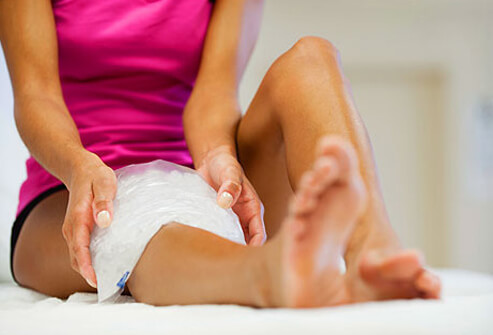
Heating pad or ice pack? Go with whatever feels good. Either change in temperature can be soothing. Some people say a cold shower works best.
Moderate exercise during the day pays off with better sleep at night. Walk, jog, lift weights, or find any exercise you enjoy. One study found that exercise led to less leg movement and longer and deeper sleep for people with RLS. Be careful not to overdo it. Intense exercise or working out just before bedtime could make your symptoms worse.
Sitting still can trigger RLS symptoms, such as when you sit down in the evening to watch TV or you're stuck on a crowded bus. Activities that distract your mind can sometimes ease your symptoms. Work a crossword puzzle, read a great book, or play a video game.
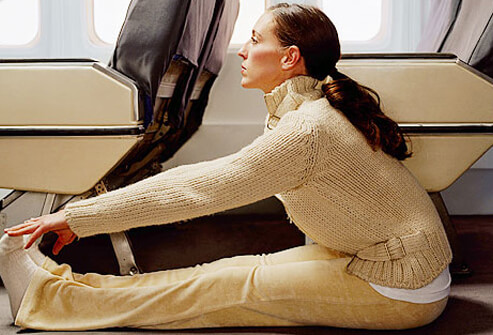
When your legs ache or twitch, moving them may ease those uncomfortable feelings. Sometimes just shaking or moving your legs can help. Choose an aisle seat in a movie theater or airplane so you can get up easily.
Stress makes RLS symptoms worse. Release the tension by taking slow, deep breaths. It also helps to dim the lights and listen to soothing music before you go to bed.
A calf massage before bed might calm your RLS symptoms and help you get to sleep. You can do it yourself or trade mini-massages with a family member. Give your partner a 10-minute shoulder rub, then stretch out for a leg massage and relax deeply.
Yoga combines three remedies that can reduce mild RLS symptoms: stretching, deep breathing, and relaxation. Try a class or video to learn the right posture and pace for each move. Once you know the poses, you can do them on your own. A podcast can lead you through the moves and include an eyes-closed, guided relaxation at the end.
Watching television or using the computer just before bed can make it harder to fall asleep. Sleep experts say you should make the bedroom a TV- and computer-free zone.
Alcohol and cigarettes can bring on the symptoms of RLS and harm your sleep in other ways, too. A drink may make you drowsy at first, but you're more likely to wake up during the night or have poor sleep that doesn’t leave you feeling rested. The nicotine in cigarettes is what triggers RLS symptoms, so avoid cigars, "chew," and any other tobacco products.
People with RLS often have low levels of iron in their blood. Your body needs iron to make dopamine, a brain chemical that helps control movement. Ask your doctor whether an iron supplement might help you. If so, take it with a glass of orange juice or another source of vitamin C to help your body absorb the iron.
Some cold and allergy drugs can trigger RLS symptoms, especially some antihistamines. Some antidepressants and drugs to treat nausea can also cause the same problem. Tell your doctor about all medicines and supplements you take. There may be another drug you can take that won’t trigger your RLS symptoms.