Explaining Medicine
  • News
  • Health & Lifestyle
    • Diet & Weight Management
    • Exercise & Fitness
    • Nutrition, Food & Recipes
    • Prevention & Wellness
  • Conditions
    • Custom1
      • Conditions A-Z
      • Procedures A-Z
      • Allergies
      • Alzheimer’s
      • Arthritis
      • Asthma
      • Blood Pressure
      • Cholesterol
      • Cancer
    • Custom2
      • Chronic Pain
      • Cold Flu
      • Depression
      • Diabetes
      • Digestion
      • Eyesight
      • Health Living
      • Healthy Kids
      • Hearing Ear
    • Custom3
      • Heart
      • HIV/AIDS
      • Infectious Disease
      • Lung Conditions
      • Menopause
      • Men’s Health
      • Mental Health
      • Migraine
      • Neurology
    • Custom4
      • Oral Health
      • Pregnancy
      • Senior Health
      • Sexual Health
      • Skin Problems
      • Sleep
      • Thyroid
      • Travel Health
      • Women’s Health
  • Medications
    • Medications
    • Supplements and Vitamins
  • Medical Dictionary
  • Health Alerts
Flu shot recommendation for kids dropped just as...
The CDC just sidelined these childhood vaccines. Here’s...
Your next primary care doctor could be online...
In Lodge Grass, Montana, a Crow community works...
RFK Jr.’s new dietary guidelines go all in...
More seniors are becoming homeless. Shelters are trying...
Health officials slash the number of vaccines recommended...
Wegovy obesity pill now available at pharmacies
In the U.S., hunger is often hidden. But...
One doctor’s experience shows the battle for the...
Top Posts

Explaining Medicine

  • News
  • Health & Lifestyle
    • Diet & Weight Management
    • Exercise & Fitness
    • Nutrition, Food & Recipes
    • Prevention & Wellness
  • Conditions
    • Custom1
      • Conditions A-Z
      • Procedures A-Z
      • Allergies
      • Alzheimer’s
      • Arthritis
      • Asthma
      • Blood Pressure
      • Cholesterol
      • Cancer
    • Custom2
      • Chronic Pain
      • Cold Flu
      • Depression
      • Diabetes
      • Digestion
      • Eyesight
      • Health Living
      • Healthy Kids
      • Hearing Ear
    • Custom3
      • Heart
      • HIV/AIDS
      • Infectious Disease
      • Lung Conditions
      • Menopause
      • Men’s Health
      • Mental Health
      • Migraine
      • Neurology
    • Custom4
      • Oral Health
      • Pregnancy
      • Senior Health
      • Sexual Health
      • Skin Problems
      • Sleep
      • Thyroid
      • Travel Health
      • Women’s Health
  • Medications
    • Medications
    • Supplements and Vitamins
  • Medical Dictionary
  • Health Alerts
  • Slideshows

    Eye Diseases: Recognize These Common Eye Conditions

    by explainingmedicine October 14, 2016

    Many Americans Miss the Mark on Eye Diseases and Conditions.

    When it comes to signs of eye disease, Americans are blind to the facts. A recent survey showed that while nearly half (47%) of Americans worry more about going blind than losing their memory or their ability to walk or hear, almost 30% of those surveyed admitted to not getting their eyes checked.

    The following slides take a look at some of the signs and symptoms of some of the most common eye diseases.
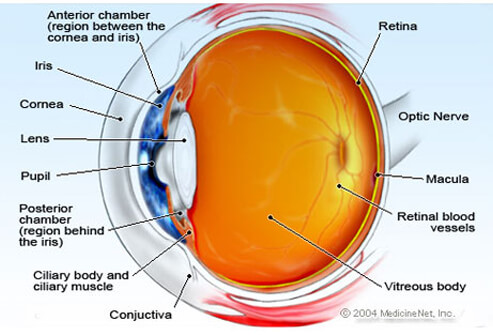
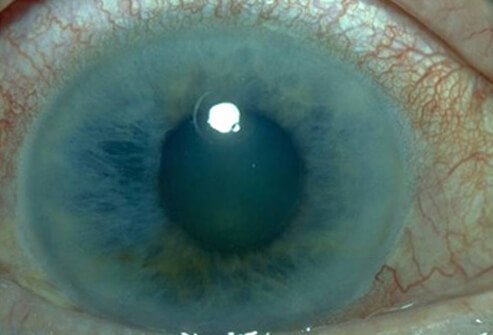
    Anatomy of the Eye

    The anatomy of the eye is complex. The main structures of the eye include:

    • Cornea: clear tissue in the very front of the eye
    • Iris: colored part of the eye surrounding the pupil
    • Pupil: dark hole in the iris that regulates the amount of light going into the eye
    • Lens: small clear disk inside the eye that focuses light rays onto the retina
    • Retina: layer that lines the back of the eye, senses light, and creates electrical impulses that travel through the optic nerve to the brain
    • Macula: small central area in the retina that allows us to see fine details clearly
    • Optic nerve: connects the eye to the brain and carries the electrical impulses formed by the retina to the visual cortex of the brain
    • Vitreous: clear, jelly-like substance that fills the middle of the eye

    As you read this slideshow you may need to refer to this illustration for reference.

    Glaucoma

    Glaucoma is a group of eye diseases that develop due to elevated intra-ocular pressure (IOP) within the eye. The increased pressure affects the optic nerve and may cause vision loss. Glaucoma is classified either as open-angle (the more common form that is usually painless) or angle-closure glaucoma (which often occurs suddenly and is associated with pain and redness of the eye).

    In the early phases of glaucoma there are often no symptoms. By the time vision is affected, the damage is permanent. Progression of glaucoma can be slowed or halted with eye drops, laser treatments, or surgery so early diagnosis is key.

    People with a family history of glaucoma, the elderly, and African-Americans are at increased risk of the disease.

    Cataracts

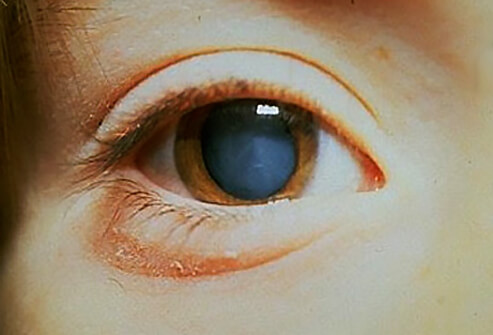
    A cataract is a painless cloudy lens in the eye that causes blurry vision. It progresses slowly as we age (most people who live long enough will have some cataract-like changes to their cornea). Other causes of cataracts include diabetes, trauma, some medications, and excessive UV light exposure.

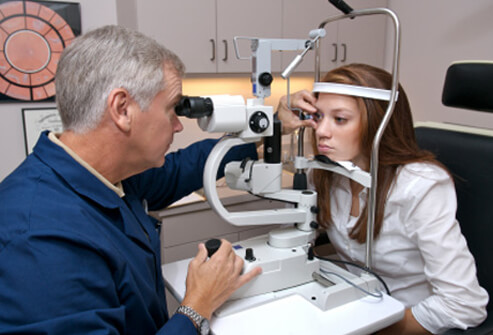
    Your doctor can see a cataract while doing a routine eye exam. Treatments for cataracts include eyeglasses, magnifying lenses, or surgery. Surgery is curative as the cloudy lens is removed and replaced with an artificial one. The need for surgery and the risks involved should be discussed with your eye doctor.

    Age-Related Macular Degeneration (AMD)

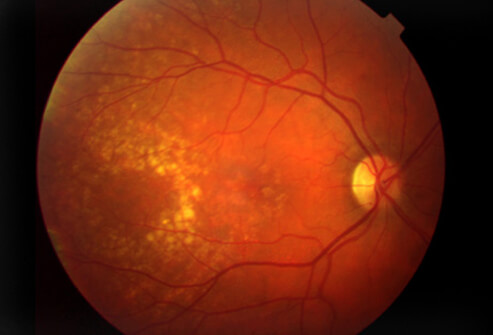
    Age-related macular degeneration is an eye disease with onset at any age, usually after age 60, that progressively destroys the macula, the central portion of the retina that helps with focus. It rarely causes total blindness as only the center of vision is affected.

    There are two types of AMD: wet and dry. In wet AMD, abnormal blood vessels behind the retina start to grow, leaking blood and fluid, causing loss of central vision, which may occur quickly. In dry AMD, the light-sensitive cells in the macula slowly break down causing central vision to diminish over time.

    Retinal Detachment

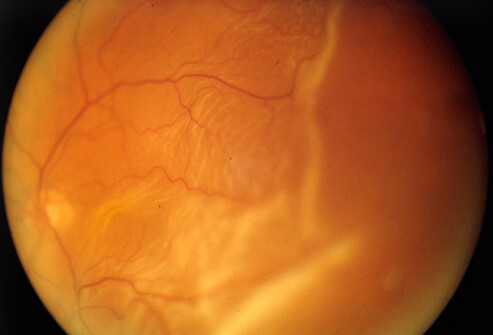
    Retinal detachment occurs when the retina (tissue in the back of the eye) separates (detaches) from its underlying structures. The buildup of fluid behind the retina is what separates the retina from the back of the eye. Retina detachments are often painless, and symptoms that may be noticed include perception of flashing lights, floaters, or a curtain drawn over your visual field. Risk factors for retinal detachment include being a nearsighted adult age 25 to 50, or an elderly person after cataract surgery. Treatment for a detached retina involves surgery, mostly using lasers, that can improve vision affected by the retinal detachment.

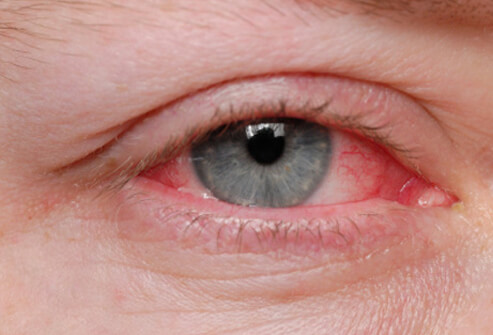
    Conjunctivitis (Pink Eye)

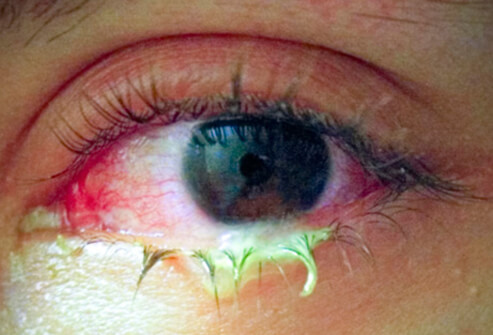
    Conjunctivitis, or pinkeye, is redness and inflammation of the clear tissue covering the eye and the inside of the eyelids (conjunctiva). It is commonly caused by bacterial or viral infections but may also be due to irritants (chemicals, pollutants, or allergens).

    Most cases of infectious conjunctivitis are viral and do not need treatment with antibiotics. Bacterial conjunctivitis can be treated with antibiotic drops or ointments prescribed by your doctor. A crusty discharge may make it difficult to open the eyelids. If this happens a warm, wet compress may be applied to the eyes to gently remove the crusting.

    To reduce the spread of the infectious conjunctivitis, wash hands frequently, do not share eye drops, cosmetics, towels, or washcloths.

    Uveitis

    Uveitis is inflammation to the middle layers of the eye (the uvea). The uvea is the layer of the eye that contains the arteries and veins that feed the important structures used in vision. Causes of uveitis include trauma or injury to the eye, infections, or rheumatologic or inflammatory diseases that affect other parts of the body. The main symptom of uveitis is pain in the eyeball. The eye will look red (bloodshot) and you may notice blurred vision, light sensitivity, and spots in your vision.

    Treatment for uveitis depends on the cause. Anti-inflammatory or antibiotic drops, along with pain medications may be prescribed.

    Eye Allergies

    Severe eye allergies may cause damage to the eye that may threaten eyesight. Allergies can cause chronic inflammation that may permanently damage the cornea. Causes of eye allergies are usually due to seasonal allergies, sensitivities to cosmetics or medications, or dust. Over-the-counter eye drops that contain antihistamines or decongestants are usually helpful. Consult a doctor if OTC remedies do not work, or if you experience pain, discharge, or extreme eye redness.

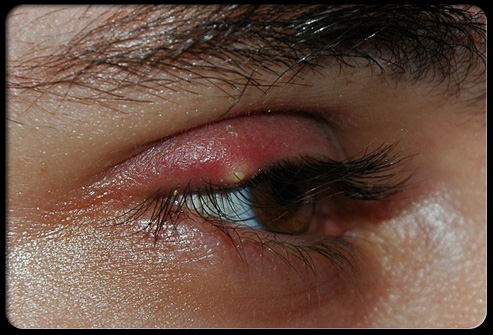
    Sty (Stye)

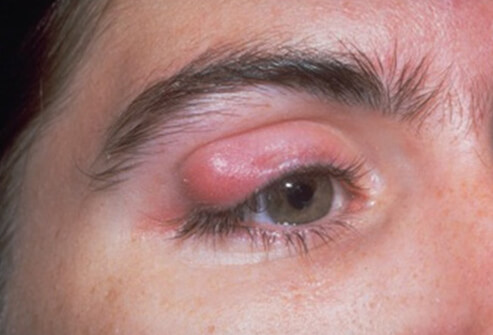
    A sty (also spelled stye) is an infection of the oil gland at the base of an eyelash. It appears as a red, raised pimple on the edge of the eyelid. Symptoms of a sty are pain, tenderness, redness, and swelling with a small pustule. The eyeball itself may feel irritated or as if something is scratching it due to the swelling of the eyelid. Treatment for a sty includes warm compresses applied to the affected area for 10 minutes, up to six times daily. If the sty comes to a head and releases pus, it should be cleaned gently with soap and water. This rupture usually leads to the sty going away. If the sty is very large, painful, or affects your vision, see your doctor.

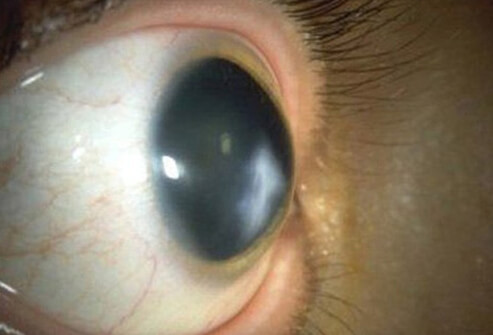
    Keratoconus

    The cornea is the clear surface covering the front of the eye. It is normally smooth and round, following the contour of the eyeball. Weakness in the structure of the cornea can lead to pressure in the eyeball, causing an conical-shaped abnormal bulge to the front of the eye in a condition called keratoconus. Changes in the shape of the cornea make it difficult for the eye to focus even with the help of glasses or contact lenses. Keratoconus can also cause complications during certain eye surgeries. Treatment includes rigid contact lenses or corneal transplantation.

    Blepharitis

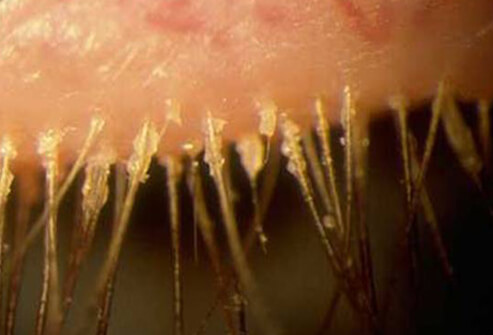
    Blepharitis is inflammation of the eyelids. The inflammation can be found on the outer (anterior) or inner (posterior) eyelid and symptoms include burning, itching, swelling, flaky skin at the base of the lashes, crusting of the eyelids, tearing, or blurred vision. Common causes of blepharitis are problems with oil glands at the base of the eyelids, infections, or other skin conditions. Treatment includes good eyelid hygiene, including frequent cleaning, light scrubbing, using a mixture of water and baby shampoo. Severe cases of blepharitis may require antibiotics or steroids.

    Chalazion (Eyelid Cyst)

    A chalazion (also called a meibomian cyst, tarsal cyst, or conjunctival granuloma) is the inflammation of a small cystic gland in the eyelid. The gland opening becomes clogged and the gland swells. Chalazia are treated with warm compresses, though in rare cases they may require antibiotics. If the chalazion becomes severe, causes changes in vision, or is persistent, it may be removed surgically.

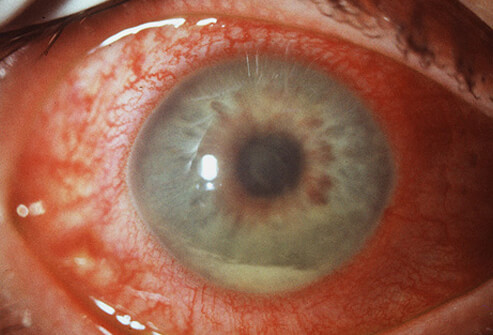
    Corneal Ulcer

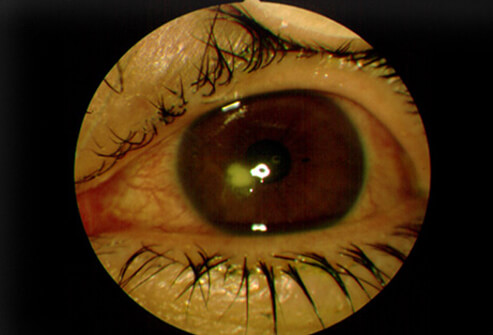
    A corneal ulcer is a small crater (ulcer) on the front part of the eye, usually resulting from infection. Bacteria, viruses, or fungus can cause a corneal ulcer. People who wear contact lenses are at higher risk for corneal ulcers because infectious agents may get trapped behind a lens. Symptoms of a corneal ulcer include pain, intense redness, feeling as if the eye is scratched or something is in the eye, sensitivity to light, and blurry vision. If you suspect a corneal ulcer or have the symptoms of a corneal ulcer and wear contact lenses, see your ophthalmologist immediately. High potency antibiotics and pain medications are the treatments for this condition.

    Diabetic Retinopathy

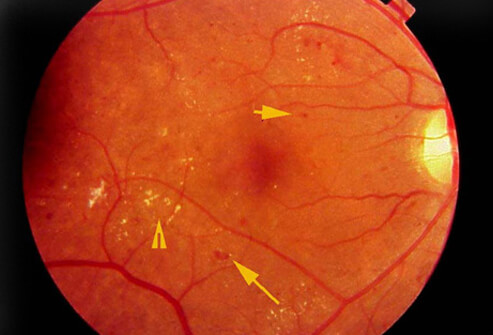
    People with diabetes often have problems with their blood vessels throughout their bodies and the eye is no exception. A complication of diabetes is diabetic retinopathy, which affects the blood vessels in the back of the eye, on the retina.

    There are two types of diabetic retinopathy:

    • Nonproliferative retinopathy, the less severe type in which there may be bleeding in the retina and leakage of blood or serum causing a "wet retina."
    • Proliferative retinopathy, a more severe type where new abnormal blood vessels grow on the retina. These vessels may bleed into the vitreous (the clear jelly in the center of the eye) and cause visual problems.

    Treatment involves laser surgery but damage may be permanent. The best way to prevent diabetic retinopathy is with strict glucose control and a healthy lifestyle (weight loss, dietary restrictions, and exercise).

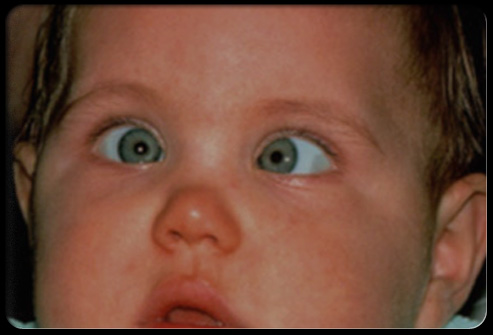
    Strabismus (Crossed Eyes)

    Crossed eyes (strabismus) is a condition where the eyes do not look in the same direction as they should. One eye may track differently than the other causing a disjointed appearance. Young children born with this disorder may develop decreased vision in one eye (amblyopia). Treatment for strabismus involves using an eye patch on the stronger eye, eye exercises, and possibly surgery.

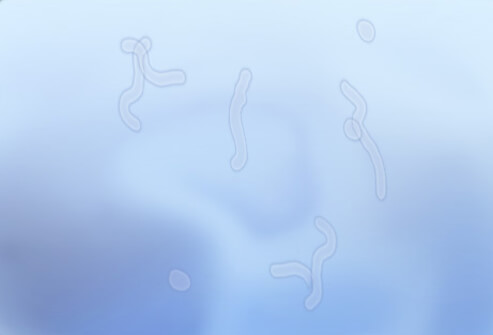
    Floaters

    Floaters are caused by aging changes in the vitreous jelly of the eye. They are a common consequence of aging. If you develop multiple floaters, or floaters associated with pain, get checked by your ophthalmologist. In general floaters do not cause blindness and are mostly harmless. There is no definitive treatment for floaters, as most will fade or become less noticeable over time.

    Farsightedness (Hyperopia)

    Farsightedness (hyperopia) is difficulty focusing on objects that are close. It is very common and the incidence increases with age. It is caused by an abnormally flat cornea that does not allow light to sharply focus on the retina. Glasses, contact lenses, or surgery may be used to correct hyperopia.

    Nearsightedness (Myopia)

    Nearsightedness (myopia) causes people to be unable to see distant objects, though they can see nearby objects clearly. It is caused by the cornea having too much curvature, resulting in problems with focusing on the retina. Myopia is extremely common and easily corrected with eyeglasses, contact lenses, or surgery.

    Astigmatism

    Another common cause of visual difficulty is astigmatism, in which images are blurred due to an irregularly-shaped cornea. Astigmatism will eventually affect most people as a part of the aging process. It is treated with glasses, contact lenses, or refractive laser eye surgery.

    Color Blindness

    The colors we see are a result of how our eyes (and thus our brains) interpret different wavelengths of light. People with color blindness have difficulty seeing certain colors, usually reds, greens, and blues. Color blindness is caused by an absence or malfunction of color-sensitive cells located in the retina. Most of the time this is genetic (people are born with it) but it can also be caused by aging, disease, trauma to the eye, or certain medications. If the cause of the color blindness is genetic, the problem cannot be corrected but people may be trained to adapt to interpret color shades. In cases where color blindness is acquired, it may be treatable.

    Proactive Eye Health

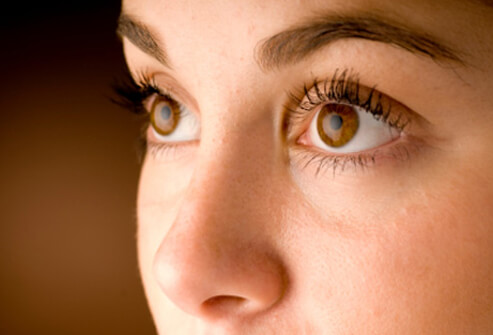
    Take care of your eyes to protect your vision. Always use eye protection to avoid injuries and wear sunglasses to protect your eyes from UV rays. People over 40 should have their eyes checked every two years and people over 60 should have their eyes checked every year.

    Be proactive in your eye health. If you notice any symptoms of the disorders discussed in this slide show, see your ophthalmologist.

    0 comment
    1
    Facebook Twitter Google + Pinterest
    explainingmedicine

    previous post
    Exercise and Fitness: Beach Body Essentials for Men
    next post
    First Aid: 8 First Aid Essentials for Car or Purse

    Related Articles

    Digestive Disease Myths: Common Misconceptions

    October 14, 2016

    Atrial Fibrillation: Tips for Living with Atrial Fibrillation

    October 14, 2016

    10 Worst Cities for Spring Allergies: Is Your City a Spring Allergy Capital?

    October 14, 2016

    Cat Health: Behavioral Problems in Cats

    October 14, 2016

    Hepatitis: A Visual Guide to Hepatitis

    October 14, 2016

    Alcohol Abuse: 12 Health Risks of Chronic Heavy Drinking

    October 14, 2016

    Urinary Incontinence: Foods and Drinks That Make You Gotta Go

    October 14, 2016

    Dental Health: Images of Cavities, Dry Sockets, Gingivitis

    October 14, 2016

    Teen Drug Abuse Pictures Slideshow: Statistics, Facts and Symptoms

    October 14, 2016

    Eczema: Atopic Dermatitis Rashes & Treatment Options

    October 14, 2016

    Recent Posts

    • Flu shot recommendation for kids dropped just as the illness rages

      January 12, 2026
    • The CDC just sidelined these childhood vaccines. Here’s what they prevent

      January 9, 2026
    • Your next primary care doctor could be online only, accessed through an AI tool

      January 9, 2026
    • In Lodge Grass, Montana, a Crow community works to rebuild from meth’s destruction

      January 8, 2026
    • RFK Jr.’s new dietary guidelines go all in on meat and dairy

      January 7, 2026

    Keep in touch

    Facebook Twitter Google + RSS

    Recent Posts

    • Flu shot recommendation for kids dropped just as the illness rages

      January 12, 2026
    • The CDC just sidelined these childhood vaccines. Here’s what they prevent

      January 9, 2026
    • Your next primary care doctor could be online only, accessed through an AI tool

      January 9, 2026
    • In Lodge Grass, Montana, a Crow community works to rebuild from meth’s destruction

      January 8, 2026
    • RFK Jr.’s new dietary guidelines go all in on meat and dairy

      January 7, 2026
    • Terms of Service
    • Privacy Policy

    @2026 - Explaining Medicine. All Right Reserved.


    Back To Top
    Explaining Medicine
    Proudly powered by WordPress Theme: soledad child.