Explaining Medicine
  • News
  • Health & Lifestyle
    • Diet & Weight Management
    • Exercise & Fitness
    • Nutrition, Food & Recipes
    • Prevention & Wellness
  • Conditions
    • Custom1
      • Conditions A-Z
      • Procedures A-Z
      • Allergies
      • Alzheimer’s
      • Arthritis
      • Asthma
      • Blood Pressure
      • Cholesterol
      • Cancer
    • Custom2
      • Chronic Pain
      • Cold Flu
      • Depression
      • Diabetes
      • Digestion
      • Eyesight
      • Health Living
      • Healthy Kids
      • Hearing Ear
    • Custom3
      • Heart
      • HIV/AIDS
      • Infectious Disease
      • Lung Conditions
      • Menopause
      • Men’s Health
      • Mental Health
      • Migraine
      • Neurology
    • Custom4
      • Oral Health
      • Pregnancy
      • Senior Health
      • Sexual Health
      • Skin Problems
      • Sleep
      • Thyroid
      • Travel Health
      • Women’s Health
  • Medications
    • Medications
    • Supplements and Vitamins
  • Medical Dictionary
  • Health Alerts
Flu shot recommendation for kids dropped just as...
The CDC just sidelined these childhood vaccines. Here’s...
Your next primary care doctor could be online...
In Lodge Grass, Montana, a Crow community works...
RFK Jr.’s new dietary guidelines go all in...
More seniors are becoming homeless. Shelters are trying...
Health officials slash the number of vaccines recommended...
Wegovy obesity pill now available at pharmacies
In the U.S., hunger is often hidden. But...
One doctor’s experience shows the battle for the...
Top Posts

Explaining Medicine

  • News
  • Health & Lifestyle
    • Diet & Weight Management
    • Exercise & Fitness
    • Nutrition, Food & Recipes
    • Prevention & Wellness
  • Conditions
    • Custom1
      • Conditions A-Z
      • Procedures A-Z
      • Allergies
      • Alzheimer’s
      • Arthritis
      • Asthma
      • Blood Pressure
      • Cholesterol
      • Cancer
    • Custom2
      • Chronic Pain
      • Cold Flu
      • Depression
      • Diabetes
      • Digestion
      • Eyesight
      • Health Living
      • Healthy Kids
      • Hearing Ear
    • Custom3
      • Heart
      • HIV/AIDS
      • Infectious Disease
      • Lung Conditions
      • Menopause
      • Men’s Health
      • Mental Health
      • Migraine
      • Neurology
    • Custom4
      • Oral Health
      • Pregnancy
      • Senior Health
      • Sexual Health
      • Skin Problems
      • Sleep
      • Thyroid
      • Travel Health
      • Women’s Health
  • Medications
    • Medications
    • Supplements and Vitamins
  • Medical Dictionary
  • Health Alerts
  • Slideshows

    Diabetes: 12 Tips to Avoid Diabetes Complications

    by explainingmedicine October 14, 2016

    Choose Carbs Carefully

    Diabetes doesn't mean you have to cut carbs completely. Choose carbohydrates that break down in the body slowly, providing steady energy. Reach for whole grains, beans, nuts, and fresh vegetables and fruits. Yes, you can eat fruit even though it's sweet. It's about eating the right amounts of carbohydrates at each meal. A registered dietitian can help you learn how much is right for you.

    Lose Weight If You Need To

    Start small. If you are overweight, shedding just a few pounds can improve the body's ability to use insulin. It'll help lower your blood sugar and improve your blood pressure and blood fats. You'll also have more energy. Ready? Aim to burn more calories than you eat. To start, try cutting excess fat, sugar, and calories from your diet.

    Get Enough Sleep

    Getting too much or too little sleep can increase your appetite and cravings for high-carb foods. That can lead to weight gain, increasing your risk for complications such as heart disease. So shoot for seven or eight hours of sleep a night. If you have sleep apnea, treating it can improve your sleep and lower your blood sugar levels.

    Be Active: Exercise and Diabetes

    Pick something you like -- walking, dancing, biking, or just marching in place while you're on the phone. Do it a half-hour a day; work up to that if you need to. Exercise can help you lower your cardiovascular risks, cholesterol, and blood pressure levels, and keep your weight down. Exercise also relieves stress and may help you cut back on diabetes medication.

    Monitor Your Blood Sugar Daily

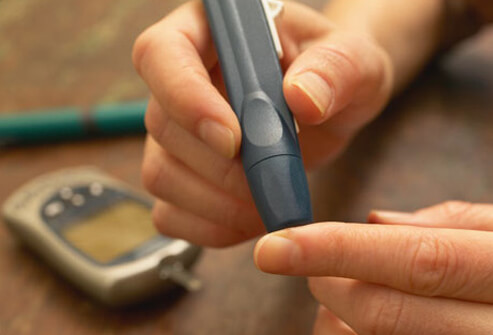
    You know you're supposed to check it. And actually checking your blood glucose levels can help you avoid diabetes complications, like nerve pain, or keep them from getting worse. Checking it can also help you see how foods and activities affect you, and if your treatment plan is working. Your doctor can help you set a target glucose level range. The closer you get to your target, the better you'll feel.

    Manage Stress

    When you have diabetes, stress can cause your blood glucose levels to rise. Get rid of whatever physical or mental stresses you can. Learn coping techniques to deal with others. Relaxation techniques such as breathing exercises, yoga, and meditation may be especially effective if you have type 2 diabetes.

    Say No to Salt

    Reduce the salt in your diet. It may help lower blood pressure and protect your kidneys. Not salting the food on your plate may not be enough. Most of the salt in Americans' diets comes from processed foods. Avoid convenience foods and use fresh ingredients when you can. Season with herbs and spices instead of salt when you cook.

    Adults age 51 and older, and individuals with high blood pressure, diabetes, or chronic kidney disease should talk with their doctor about how much to reduce their sodium intake. In general, people with diabetes should decrease to less than 2,300 mgs per day, however your doctor may recommend lower amounts.

    Heart Disease Risk and Diabetes

    Heart disease can be a serious diabetes complication. Keep an eye on your risk by getting these ABCs checked:

    A1C level. This is a measure of your average blood sugar control for the last 2-3 months. You may need it checked two or more times a year. Talk to your doctor about setting a goal.

    Blood pressure. Goal: below 140/80 mm Hg.

    Cholesterol. Goal: LDL to 100 mg/d or lessl; HDL above 40 mg/dl in men and greater than 50 in women; and triglycerides below 150 mg/dl.

    Take Care of Bumps and Bruises

    Diabetes raises your risk of infection and slows healing, so treat even simple cuts and scrapes quickly. Properly clean your wound and use an antibiotic cream and sterile bandage. See a doctor if it's not better in a few days. Check your feet every day for blisters, cuts, sores, redness, or swelling. Moisturize them to prevent cracks.

    Break Your Smoking Habit

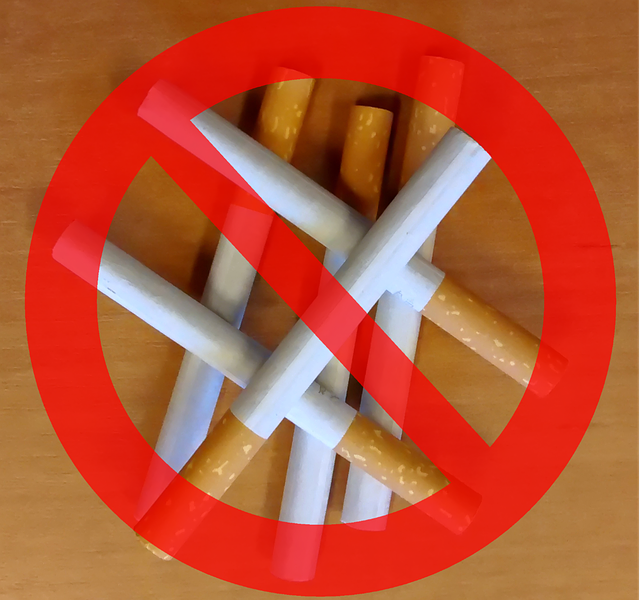
    People with diabetes who smoke are two times more likely to die prematurely than those who don't. Quitting helps your heart and lungs. It lowers your blood pressure and risk of stroke, heart attack, nerve damage, and kidney disease. Ask your doctor about help for quitting tobacco.

    Pick Super Foods, Don't Supersize

    There's no single diabetes diet. But here are basics to keep in mind: Enjoy super foods like berries, sweet potatoes, fish with omega-3 fatty acids, and dark green, leafy vegetables. Look at food labels and avoid saturated fat and trans fats. Instead, opt for mono and polyunsaturated fats like olive oil. A registered dietitian can give you personalized advice.

    Set Up Doctor Visits

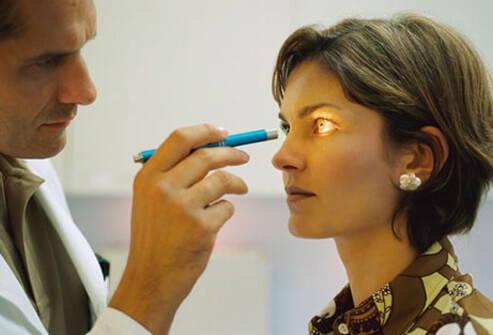
    Expect to see your doctor two to four times a year. If you take insulin or need help balancing your blood sugar levels, you may need to visit more often. Also get a yearly physical and eye exam. You should be screened for eye, nerve, and kidney damage, and other complications. See a dentist twice a year. And be sure to tell all health care providers that you have diabetes.

    0 comment
    0
    Facebook Twitter Google + Pinterest
    explainingmedicine

    previous post
    Viral Infections: Types, Treatment, and Prevention
    next post
    Chocolate: The History and Our Infatuation With Chocolate

    Related Articles

    Binge Eating Disorder: Causes, Symptoms, Treatment, Recovery

    October 14, 2016

    Migraine Headaches: 14 Non-Drug Treatments for Migraines

    October 14, 2016

    Scabies: Stop the Itch Mite

    October 14, 2016

    Dandruff (Seborrhea): Causes, Treatments and Prevention

    October 14, 2016

    Pancreatic Cancer: Know The Signs of Pancreatic Cancer

    October 14, 2016

    Senior Health: 14 Ways to Avoid Caregiver Burnout

    October 14, 2016

    Hyperhidrosis (Sweating): What Makes You Sweat

    October 14, 2016

    Diet and Weight Loss: 25 Ways to Get Ready for Swimsuit Season

    October 14, 2016

    Balance Disorders: Vertigo, Migraines, Motion Sickness and More

    October 14, 2016

    Respiratory Health: 10 Worst Smog Cities in America

    October 14, 2016

    Recent Posts

    • Flu shot recommendation for kids dropped just as the illness rages

      January 12, 2026
    • The CDC just sidelined these childhood vaccines. Here’s what they prevent

      January 9, 2026
    • Your next primary care doctor could be online only, accessed through an AI tool

      January 9, 2026
    • In Lodge Grass, Montana, a Crow community works to rebuild from meth’s destruction

      January 8, 2026
    • RFK Jr.’s new dietary guidelines go all in on meat and dairy

      January 7, 2026

    Keep in touch

    Facebook Twitter Google + RSS

    Recent Posts

    • Flu shot recommendation for kids dropped just as the illness rages

      January 12, 2026
    • The CDC just sidelined these childhood vaccines. Here’s what they prevent

      January 9, 2026
    • Your next primary care doctor could be online only, accessed through an AI tool

      January 9, 2026
    • In Lodge Grass, Montana, a Crow community works to rebuild from meth’s destruction

      January 8, 2026
    • RFK Jr.’s new dietary guidelines go all in on meat and dairy

      January 7, 2026
    • Terms of Service
    • Privacy Policy

    @2026 - Explaining Medicine. All Right Reserved.


    Back To Top
    Explaining Medicine
    Proudly powered by WordPress Theme: soledad child.