Explaining Medicine
  • News
  • Health & Lifestyle
    • Diet & Weight Management
    • Exercise & Fitness
    • Nutrition, Food & Recipes
    • Prevention & Wellness
  • Conditions
    • Custom1
      • Conditions A-Z
      • Procedures A-Z
      • Allergies
      • Alzheimer’s
      • Arthritis
      • Asthma
      • Blood Pressure
      • Cholesterol
      • Cancer
    • Custom2
      • Chronic Pain
      • Cold Flu
      • Depression
      • Diabetes
      • Digestion
      • Eyesight
      • Health Living
      • Healthy Kids
      • Hearing Ear
    • Custom3
      • Heart
      • HIV/AIDS
      • Infectious Disease
      • Lung Conditions
      • Menopause
      • Men’s Health
      • Mental Health
      • Migraine
      • Neurology
    • Custom4
      • Oral Health
      • Pregnancy
      • Senior Health
      • Sexual Health
      • Skin Problems
      • Sleep
      • Thyroid
      • Travel Health
      • Women’s Health
  • Medications
    • Medications
    • Supplements and Vitamins
  • Medical Dictionary
  • Health Alerts
Flu shot recommendation for kids dropped just as...
The CDC just sidelined these childhood vaccines. Here’s...
Your next primary care doctor could be online...
In Lodge Grass, Montana, a Crow community works...
RFK Jr.’s new dietary guidelines go all in...
More seniors are becoming homeless. Shelters are trying...
Health officials slash the number of vaccines recommended...
Wegovy obesity pill now available at pharmacies
In the U.S., hunger is often hidden. But...
One doctor’s experience shows the battle for the...
Top Posts

Explaining Medicine

  • News
  • Health & Lifestyle
    • Diet & Weight Management
    • Exercise & Fitness
    • Nutrition, Food & Recipes
    • Prevention & Wellness
  • Conditions
    • Custom1
      • Conditions A-Z
      • Procedures A-Z
      • Allergies
      • Alzheimer’s
      • Arthritis
      • Asthma
      • Blood Pressure
      • Cholesterol
      • Cancer
    • Custom2
      • Chronic Pain
      • Cold Flu
      • Depression
      • Diabetes
      • Digestion
      • Eyesight
      • Health Living
      • Healthy Kids
      • Hearing Ear
    • Custom3
      • Heart
      • HIV/AIDS
      • Infectious Disease
      • Lung Conditions
      • Menopause
      • Men’s Health
      • Mental Health
      • Migraine
      • Neurology
    • Custom4
      • Oral Health
      • Pregnancy
      • Senior Health
      • Sexual Health
      • Skin Problems
      • Sleep
      • Thyroid
      • Travel Health
      • Women’s Health
  • Medications
    • Medications
    • Supplements and Vitamins
  • Medical Dictionary
  • Health Alerts
  • Slideshows

    Dog Health: Skin Problems in Dogs

    by explainingmedicine October 14, 2016

    Dog Skin Problems

    The sound of a dog constantly scratching or licking can be as irritating as nails on a chalkboard. But don't blame your pooch for these bad habits -- a skin condition is probably the culprit. Possible causes range from parasites to allergies to underlying illness. WebMD has compiled images of some of the most common canine skin problems.
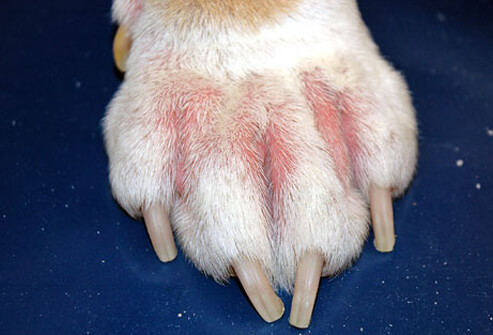
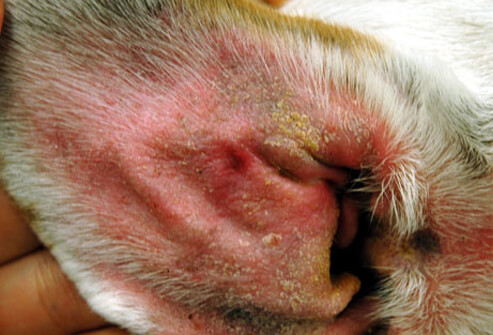
    Allergic Dermatitis

    Dogs can have allergic reactions to grooming products, food, and environmental irritants, such as pollen or insect bites. A dog with allergies may scratch relentlessly, and a peek at the skin often reveals an ugly rash. Corticosteroids can help with itchy rashes, but the most effective treatment is to identify and avoid exposure to the allergens.

    Yeast Infection

    If your dog can't seem to stop scratching an ear or licking and chewing her toes, ask your veterinarian to check for a yeast infection. Symptoms include irritated, itchy, or discolored skin. The infection usually strikes the paws or ears, where yeast has a cozy space to grow. Yeast infections are easy to diagnose and often respond well to a topical cream. In some cases, your veterinarian may prescribe oral drugs or medicated baths.

    Folliculitis

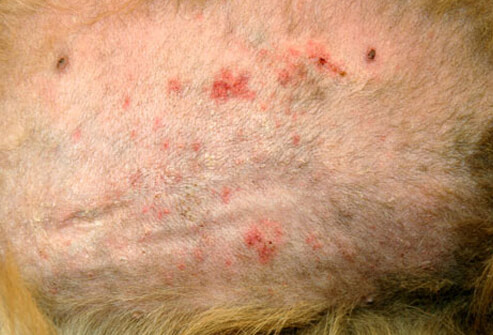
    Superficial bacterial folliculitis is an infection that causes sores, bumps, and scabs on the skin. These skin abnormalities are easier to see in shorthaired dogs. In longhaired dogs, the most obvious symptoms may be a dull coat and shedding with scaly skin underneath. Folliculitis often occurs in conjunction with other skin problems, such as mange, allergies, or injury. Treatment may include oral antibiotics and antibacterial ointments or shampoos.

    Impetigo

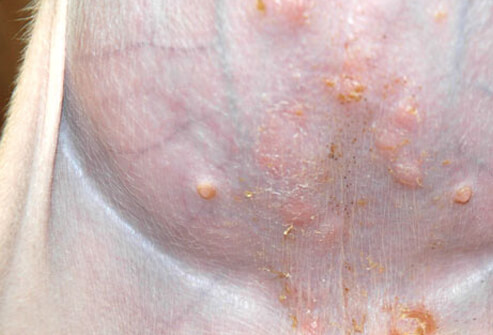
    Another type of bacterial infection, impetigo is most common in puppies. It causes pus-filled blisters that may break and crust over. The blisters usually develop on the hairless portion of the abdomen. Impetigo is rarely serious and can be treated with a topical solution. In a small number of cases, the infection may spread or persist.

    Seborrhea

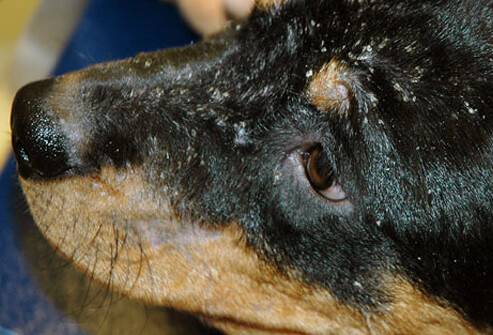
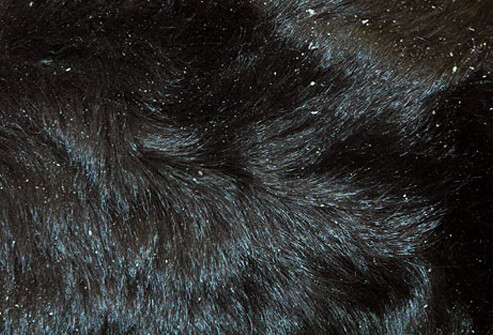
    Seborrhea causes a dog's skin to become greasy and develop scales (dandruff). In some cases, it's a genetic disease that begins when a dog is young and lasts a lifetime. But most dogs with seborrhea develop the scaling as a complication of another medical problem, such as allergies or hormonal abnormalities. In these cases, it is vital to treat the underlying cause so symptoms do not recur.

    Ringworm

    Despite its name, ringworm is not caused by a worm, but by a fungus. The term "ring" comes from the circular patches that can form anywhere, but are often found on a dog's head, paws, ears, and forelegs. Inflammation, scaly patches, and hair loss often surround the lesions. Puppies less than a year old are the most susceptible, and the infection can spread quickly between dogs in a kennel or to pet owners at home. Various anti-fungal treatments are available.

    Shedding and Hair Loss (Alopecia)

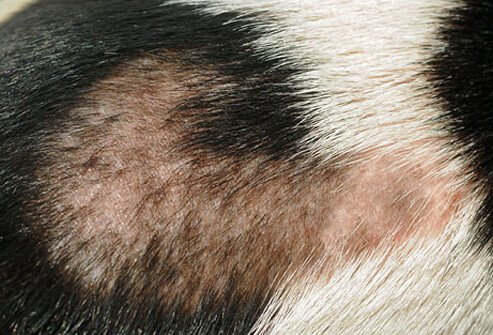
    Anyone who shares their home with dogs knows that they shed. How much shedding is normal depends on breed, time of year, and environment. But sometimes stress, poor nutrition, or illness can cause a dog to lose more hair than usual. If abnormal or excessive shedding persists for more than a week, or you notice patches of missing fur, check with your veterinarian.

    Mange (Mites)

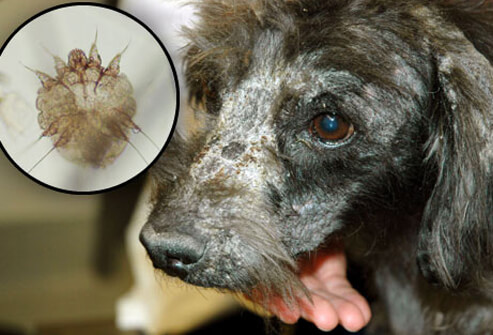
    Mange is a skin disorder caused by tiny parasites called mites. Sarcoptic mange, also known as canine scabies, spreads easily among dogs and can also be transmitted to people, but the parasites don't survive on humans. The symptoms are intense itching, red skin, sores, and hair loss. A dog's ears, face and legs are most commonly affected. Demodectic mange can cause bald spots, scabbing, and sores, but it is not contagious between animals or people. Treatment depends on the type of mange.

    Fleas

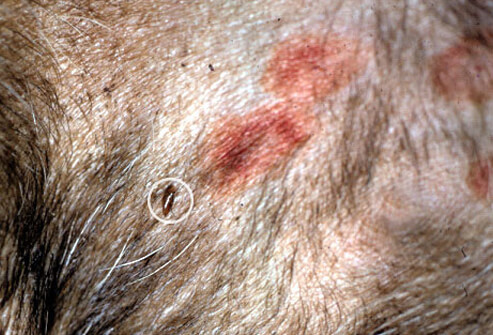
    Fleas are the bane of any pet owner. You may not see the tiny insects themselves, but flea droppings or eggs are usually visible in a dog's coat. Other symptoms include excessive licking or scratching, scabs, and hot spots. Severe flea infestations can cause blood loss and anemia, and even expose your dog to other parasites, such as tapeworms. Treatment may include a topical and/or oral flea killer and a thorough cleaning of the pet's home and yard.

    Ticks

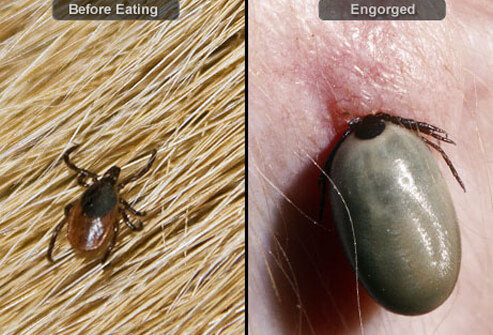
    Ticks, like fleas, are external parasites that feed on the blood of their hosts. You can spot a tick feeding on your dog with the naked eye. To properly remove a tick, grasp the tick with tweezers close to the dog’s skin, and gently pull it straight out. Twisting or pulling too hard may cause the head to remain lodged in your dog’s skin, which can lead to infection. Place the tick in a jar with some alcohol for a couple of days and dispose of it once it is dead. In addition to causing blood loss and anemia, ticks can transmit Lyme disease and other potentially serious bacterial infections. If you live in an area where ticks are common, talk to your veterinarian about tick control products.

    Color or Texture Changes

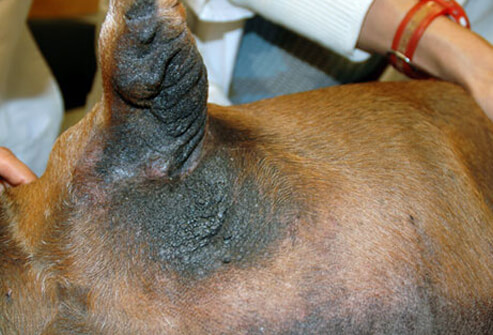
    Changes in a dog's skin color or coat texture can be a warning sign of several common metabolic or hormone problems. Be sure to ask your veterinarian about any significant changes to your dog's coat.

    Dry, Flaky Skin

    Dry, flaky skin can be a red flag for a number of problems. It's a common symptom of allergies, mange, and other skin diseases. But most often, dry or flaky skin is nothing serious. Make sure you are feeding Fido high quality food. Like people, some dogs simply get dry skin in the winter. If this seems to cause your pet discomfort, consult your veterinarian.

    Acral Lick Granuloma

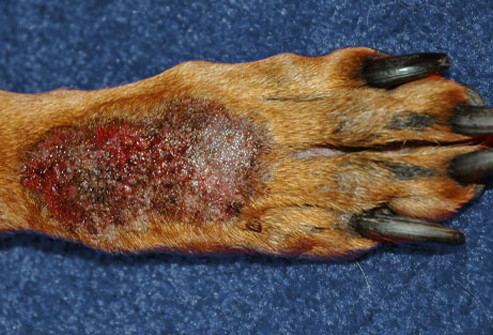
    Also called acral lick dermatitis, this is a frustrating skin condition caused by compulsive, relentless licking of a single area – most often on the front of the lower leg. The area is unable to heal, and the resulting pain and itching can lead the dog to keep licking the same spot. Treatment includes discouraging the dog from licking, either by using a bad-tasting topical solution or an Elizabethan collar.

    Skin Tumors

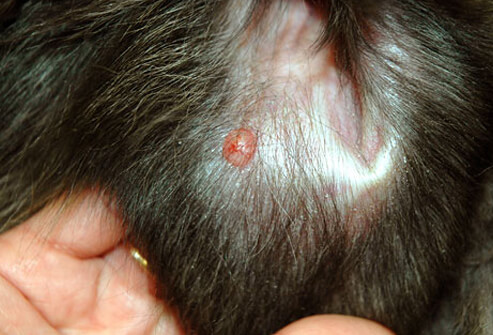
    If you notice a hard lump on your dog's skin, point it out to your vet as soon as possible. Dogs occasionally develop cancerous tumors in their skin. The only way to confirm a diagnosis of cancer is to biopsy the tumor. If the lump is small enough, your veterinarian may recommend removing it entirely. This can yield a diagnosis and treatment with a single procedure. For tumors that have not spread, this may be the only treatment needed.

    Hot Spots

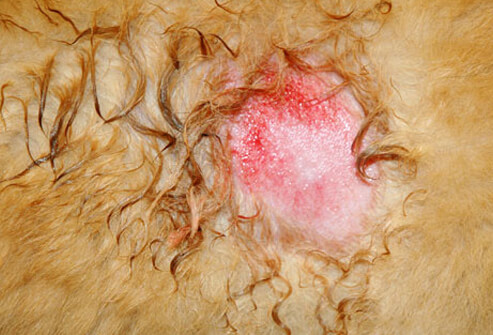
    Hot spots, also called acute moist dermatitis, are small areas that appear red, irritated, and inflamed. They are most commonly found on a dog's head, hips, or chest, and often feel hot to the touch. Hot spots can result from a wide range of conditions, including infections, allergies, insect bites, or excessive licking and chewing. Treatment consists of cleansing the hot spot and addressing the underlying condition.

    Immune Disorders

    In rare cases, skin lesions or infections that won't heal can indicate an immune disorder in your dog. One of the best known is lupus, a disease that affects dogs and people. Lupus is an autoimmune disorder, meaning the body's immune system attacks its own cells. Symptoms include skin abnormalities and kidney problems. It can be fatal if untreated.

    Anal Sac Disease

    As if dog poop weren't smelly enough, dogs release a foul-smelling substance when they do their business. The substance comes from small anal sacs, which can become impacted if they don't empty properly. The hallmark of impacted anal sacs is a dog scooting his bottom along the ground. Other symptoms include biting or licking the anal area. A vet can manually express full anal sacs, but in severe cases, the sacs may be surgically removed.

    When to See the Vet

    Although most skin problems are not emergencies, it is important to get an accurate diagnosis so the condition can be treated. See your veterinarian if your dog is scratching or licking excessively, or if you notice any changes in your pet's coat or skin, including scaling, redness, discoloration, or bald patches. Once the cause is identified, most skin problems respond well to treatment.

    0 comment
    0
    Facebook Twitter Google + Pinterest
    explainingmedicine

    previous post
    Organ Donations Spike In The Wake Of The Opioid Epidemic
    next post
    Dog Health: 25 Most Popular Dog Breeds and Their Health Issues

    Related Articles

    High-Fiber Foods: Benefits For Your Heart, Weight, and Energy

    October 14, 2016

    Pet Health: Pet Treats Dos and Don’ts

    October 14, 2016

    Heart Disease: The No. 1 Killer in the U.S.

    October 14, 2016

    Diabetic Peripheral Neuropathy: Exercises to Improve Diabetes Nerve Pain

    October 14, 2016

    Chocolate: The History and Our Infatuation With Chocolate

    October 14, 2016

    Heat Rash: Symptoms, Causes and Treatment

    October 14, 2016

    Dental Health: The Truth About Teeth Whitening Fads

    October 14, 2016

    Smoking Effects: How Smoking Affects Your Looks and Life

    October 14, 2016

    Cat Health: Taking Care of Your Kitten

    October 14, 2016

    Parenting: 10 Principles of Good Parenting

    October 14, 2016

    Recent Posts

    • Flu shot recommendation for kids dropped just as the illness rages

      January 12, 2026
    • The CDC just sidelined these childhood vaccines. Here’s what they prevent

      January 9, 2026
    • Your next primary care doctor could be online only, accessed through an AI tool

      January 9, 2026
    • In Lodge Grass, Montana, a Crow community works to rebuild from meth’s destruction

      January 8, 2026
    • RFK Jr.’s new dietary guidelines go all in on meat and dairy

      January 7, 2026

    Keep in touch

    Facebook Twitter Google + RSS

    Recent Posts

    • Flu shot recommendation for kids dropped just as the illness rages

      January 12, 2026
    • The CDC just sidelined these childhood vaccines. Here’s what they prevent

      January 9, 2026
    • Your next primary care doctor could be online only, accessed through an AI tool

      January 9, 2026
    • In Lodge Grass, Montana, a Crow community works to rebuild from meth’s destruction

      January 8, 2026
    • RFK Jr.’s new dietary guidelines go all in on meat and dairy

      January 7, 2026
    • Terms of Service
    • Privacy Policy

    @2026 - Explaining Medicine. All Right Reserved.


    Back To Top
    Explaining Medicine
    Proudly powered by WordPress Theme: soledad child.