Explaining Medicine
  • News
  • Health & Lifestyle
    • Diet & Weight Management
    • Exercise & Fitness
    • Nutrition, Food & Recipes
    • Prevention & Wellness
  • Conditions
    • Custom1
      • Conditions A-Z
      • Procedures A-Z
      • Allergies
      • Alzheimer’s
      • Arthritis
      • Asthma
      • Blood Pressure
      • Cholesterol
      • Cancer
    • Custom2
      • Chronic Pain
      • Cold Flu
      • Depression
      • Diabetes
      • Digestion
      • Eyesight
      • Health Living
      • Healthy Kids
      • Hearing Ear
    • Custom3
      • Heart
      • HIV/AIDS
      • Infectious Disease
      • Lung Conditions
      • Menopause
      • Men’s Health
      • Mental Health
      • Migraine
      • Neurology
    • Custom4
      • Oral Health
      • Pregnancy
      • Senior Health
      • Sexual Health
      • Skin Problems
      • Sleep
      • Thyroid
      • Travel Health
      • Women’s Health
  • Medications
    • Medications
    • Supplements and Vitamins
  • Medical Dictionary
  • Health Alerts
Flu shot recommendation for kids dropped just as...
The CDC just sidelined these childhood vaccines. Here’s...
Your next primary care doctor could be online...
In Lodge Grass, Montana, a Crow community works...
RFK Jr.’s new dietary guidelines go all in...
More seniors are becoming homeless. Shelters are trying...
Health officials slash the number of vaccines recommended...
Wegovy obesity pill now available at pharmacies
In the U.S., hunger is often hidden. But...
One doctor’s experience shows the battle for the...
Top Posts

Explaining Medicine

  • News
  • Health & Lifestyle
    • Diet & Weight Management
    • Exercise & Fitness
    • Nutrition, Food & Recipes
    • Prevention & Wellness
  • Conditions
    • Custom1
      • Conditions A-Z
      • Procedures A-Z
      • Allergies
      • Alzheimer’s
      • Arthritis
      • Asthma
      • Blood Pressure
      • Cholesterol
      • Cancer
    • Custom2
      • Chronic Pain
      • Cold Flu
      • Depression
      • Diabetes
      • Digestion
      • Eyesight
      • Health Living
      • Healthy Kids
      • Hearing Ear
    • Custom3
      • Heart
      • HIV/AIDS
      • Infectious Disease
      • Lung Conditions
      • Menopause
      • Men’s Health
      • Mental Health
      • Migraine
      • Neurology
    • Custom4
      • Oral Health
      • Pregnancy
      • Senior Health
      • Sexual Health
      • Skin Problems
      • Sleep
      • Thyroid
      • Travel Health
      • Women’s Health
  • Medications
    • Medications
    • Supplements and Vitamins
  • Medical Dictionary
  • Health Alerts
  • Slideshows

    Dog Health: Taking Care of Your Puppy

    by explainingmedicine October 15, 2016

    Why Do You Want a Puppy?

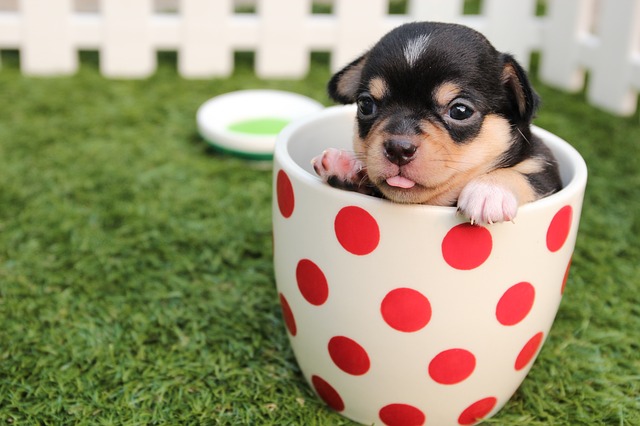
    Before getting a puppy, ask yourself a few questions. Why do you want a dog? Will you have the time, space, and money to care for and play with your pup? Which breed do you want? Know the answers before you start looking because once you look, you probably are going to bring home a puppy!
    Where to Get Your Puppy

    You have lots of options when choosing a puppy. Because there are so many homeless pets, it's great to adopt from a shelter, rescue group, or the pound. If you decide to use a breeder, the American Society for the Prevention of Cruelty to Animals (ASPCA) says to look for a small-scale breeder who never sells to dealers or pet shops. Visit the breeder's home and kennel and meet the mother or relatives of your dog.

    Get Ready for Your Puppy

    You'll need a few things before you bring home your new pup:

    • Puppy food
    • Leash and collar with tags that include your phone number and your vet's
    • Water and food bowls
    • Dog bed
    • Grooming brushes
    • Folding gate or crate to keep your puppy in one area
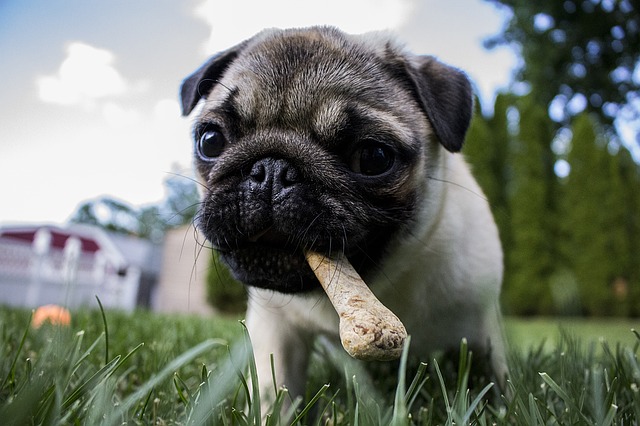
    • Chew toys

    Puppy-Proof Your House

    Like babies, puppies explore with their mouths. To keep yours safe you'll need to do a few things before bringing your puppy home:

    • Move breakables and electrical cords from doggy level
    • Close low windows
    • Lock away cleaning supplies, motor oil and antifreeze, and medications
    • Get a tall garbage can for trash

    Choose Puppy Food

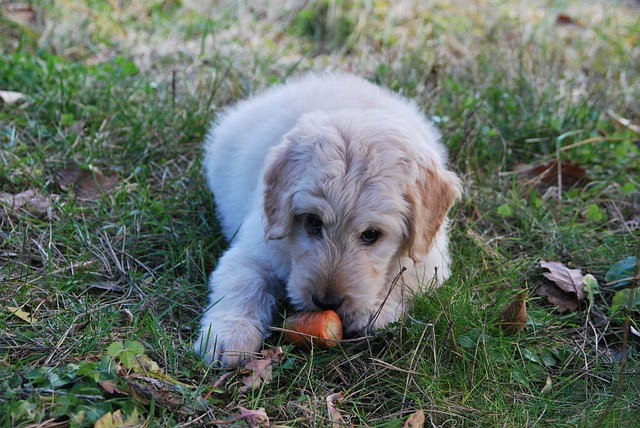
    Puppies need food specially designed for their smaller bodies. That's because a growing puppy needs more protein and calories than an adult dog. Puppy food is also easier on a puppy's smaller mouth and weaker jaw. Don't forget that puppies also need plenty of fresh, clean water.

    How Much Food Does Puppy Need?

    Dogs will eat a lot if the food is available. That's why you shouldn't feed your puppy buffet-style. Plus, it's good to watch what your pup eats, so you can keep track of his health. How much food he needs depends on his size, age, and health.

    Use Dog Beds and Maybe Crates

    Puppies may sleep from 14 to 20 hours a day, so keep your pup comfy while she naps. For bonding, many experts say your puppy should sleep in your bedroom at first, whether in her own bed or a crate. If you use a crate, use it only for sleeping, housebreaking, and travel. Dogs aren't meant to live in crates, so don't overuse it.

    Inside or Outside?

    Dogs are happiest when they're with their pack -- which might be you. If you keep your dog outdoors often, always make time for daily walks and play. Keep your dog safe with a fenced yard. Be sure it has a covered, dry, draft-free spot to keep him warm, and a shady spot to keep him cool. Make sure he has plenty of fresh water.

    Bringing Your Puppy Home

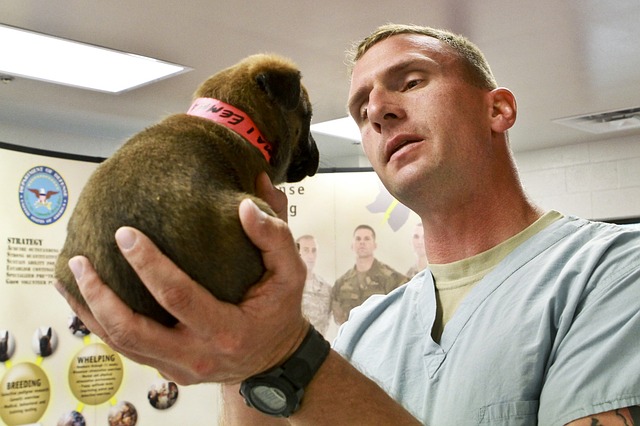
    Your puppy's first days in her new home are a big adjustment, so give her lots of loving attention. Play with her often. Bring her bed or crate into your bedroom at night, so she can be close to you. Soon after she settles in, schedule her first vet visit. Your vet will make sure she has no health problems and can answer any questions you have.

    Housebreak Your Puppy

    There are two signs your pup needs to potty. He'll sniff the ground to find a good spot, and/or he'll race around wildly. When you see him act this way, pick your puppy up and place him on a newspaper or outside. After your puppy has peed in the right place, praise him. Puppies relieve themselves every few hours, so expect a few accidents.

    Take Training Classes

    Even if you can teach your puppy yourself, you might want to take your puppy to obedience classes. She'll get to be around other dogs and will have to listen while there's a lot going on. Plus, it will nudge you to do your homework and keep working with her. With a little time, kindness, and patience, you can teach your rough-and-tumble puppy better behavior.

    Play With Your Puppy

    Playing is fun! Spend time every day playing with your pup, because it helps her in many ways. She gets rid of energy, works on coordination, and bonds with you. When you play, use toys. Don't use your puppy's leash, your hands, or anything else, or they'll get the wrong idea.

    Take a Walk

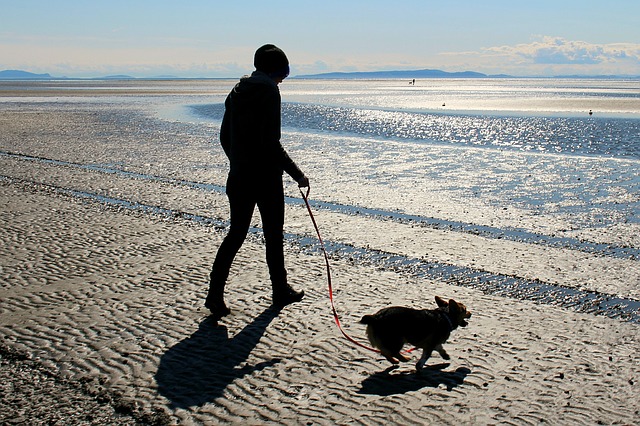
    Even if your puppy has a great yard, you'll need to take him for walks. Walks give dogs physical and mental exercise. It lets them interact with other dogs they meet along the way. Plus, it lets them leave scent markings, which can be important for a male dog's ego. Try to get at least 60 minutes a day, broken into two to four walks.

    Keep Kids and Puppies Safe

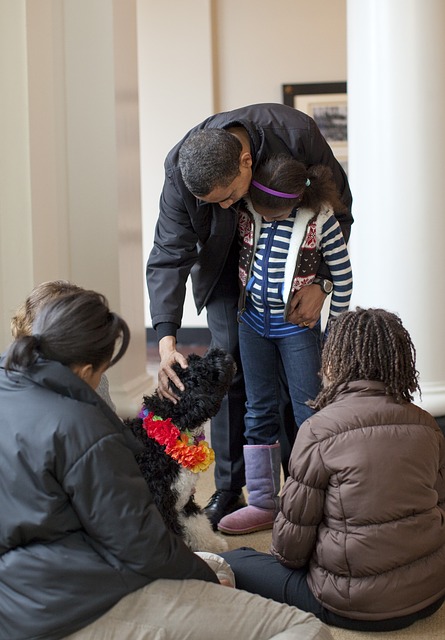
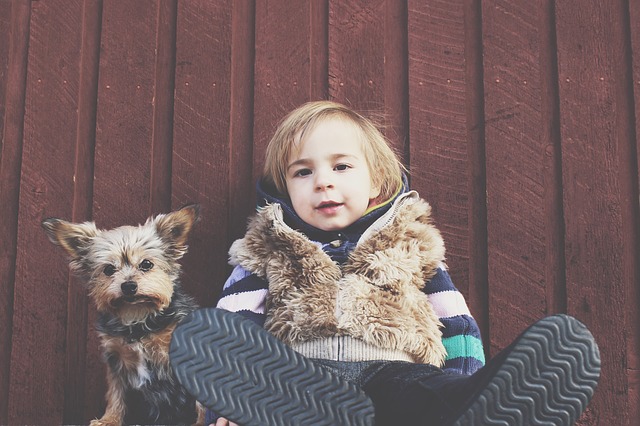
    As much as kids and dogs love to play together, a puppy is still learning the ropes and may play roughly. There's also the chance that rowdy kids could play too hard with their pup. Watch puppies and kids at all times so they both stay safe.

    Care for Your Puppy's Coat and Claws

    Brush your pup's coat daily. It will help her get used to grooming. Talk to your vet about the right brush for your dog's breed. Keep her nails short, as too-long nails can stress a dog's wrist joints, as well as hurt people and furniture. Trim nail tips weekly starting when your pup is young so she'll be OK with clipping. Your vet can show you how.

    Watch the Table Scraps

    It's a bad idea to feed your puppy from your plate. Begging is a hard habit to break! More important, some foods can be toxic to pets, including grapes, raisins, alcohol, garlic, onions, avocados, salt, and chocolate. Call the Animal Poison Control Center at (888) 426-4435 or your vet right away if you think your pup has eaten something dangerous.

    Chocolate and Dogs

    Dogs have a hard time breaking down one of the key parts of chocolate. Baking chocolate is the most dangerous type of chocolate for your dog. Though a little bit of white or milk chocolate might not hurt, dogs tend to eat whatever food is around. So remove temptation and keep chocolatey things away from your puppy or dog. Call the Animal Poison Control Center at (888) 426-4435 or your vet right away to see if your puppy needs medical attention.

    Watch Plants and Your Puppy

    Puppies like to chew on everything, including yard and house plants. Some plants -- including lily of the valley, oleander, azalea, yew, foxglove, rhododendron, rhubarb leaves, and shamrock -- are risky for dogs. If you think your puppy has eaten a poisonous plant, call your vet right away or the Animal Poison Control Center at (888) 426-4435.

    6-9 Weeks Old: Time for Vaccines

    Vaccinations can help your puppy stay healthy. At 6-9 weeks it's time to get her vaccinated against distemper, parainfluenza, canine hepatitis, and parvovirus. At 12-16 weeks it's time to get her rabies shot. Other vaccine choices depend on your puppy's risks, so talk to your vet for advice.

    Fight Fleas

    It takes just one flea to start the flea cycle in your home. Signs your puppy may have fleas include flea "dirt" (tiny black flea droppings), mild redness, severe scratching, and skin infections. To fight fleas, ask your vet for flea control made just for puppies. Treat all pets in the house for fleas, not just the one that may have them.

    Get Rid of Puppy's Parasites

    Your puppy will probably need deworming medication at his first vet visit. This is a good idea for his and your health, since some dog parasites, like roundworms and hookworms, can also pass to people. Nearly all puppies have roundworms and hookworms (magnified here). Intestinal parasites are potentially deadly to your pup if untreated.

    16-20 Weeks Old: Spay or Neuter

    More than 6 million dogs and cats find their way into shelters every year. That's why it's a great idea to spay or neuter your puppy. Spaying can be done as early as 2 months, but most vets wait between 4 and 6 months. If cost is a problem, call your local humane society or shelter. Or call (800) 248-SPAY to find a low-cost spay program near you.

    How to Tell When Your Puppy Is Sick

    Dogs often won't show it when they're feeling bad. They do their best to stay social when their people are around. You may notice some common signs of illness in puppies and dogs, such as not eating, eating less, vomiting, fever, diarrhea, or sleeping more. If you see any of these signs, call your vet.

    How to Pick a Vet

    Ask friends for recommendations. Once you have a few names, visit each clinic. Pick one that's well-managed and looks and smells clean. The vet should listen to you and answer all your questions. Is the staff friendly? Just as with your own doctor, be sure you feel comfortable with the vet you choose.

    Enjoy the Journey!

    Puppies don't stay little for long! It's a special time that you'll treasure long after your puppy grows up. So make every day count for you and your little one with plenty of love, appropriate discipline, and play!

    0 comment
    0
    Facebook Twitter Google + Pinterest
    explainingmedicine

    previous post
    Dog Health: Behavioral Problems in Dogs
    next post
    Oral Health: 10 Fun Facts About Your Tongue

    Related Articles

    30-Minute Workout: Think You Don’t Have Time? You Do!

    October 14, 2016

    Salmonella Outbreak: See How to Avoid It

    October 14, 2016

    Foot Problems: How To Keep Your Feet Healthy

    October 14, 2016

    Sexual Health: Men – Tips to Unzip Your Sex Life and Make it Great

    October 14, 2016

    Fast Food Sandwiches: Good and Bad Choices For Your Diet

    October 14, 2016

    Parkinson’s Disease: Symptoms, Stages and Treatment

    October 14, 2016

    Grocery Smarts: Fat Foods vs. Fit Foods

    October 14, 2016

    Parenting: Healthy Eating Tips for Kids

    October 14, 2016

    Parenting: 10 Mistakes New Parents Make

    October 14, 2016

    Hepatitis: A Visual Guide to Hepatitis

    October 14, 2016

    Recent Posts

    • Flu shot recommendation for kids dropped just as the illness rages

      January 12, 2026
    • The CDC just sidelined these childhood vaccines. Here’s what they prevent

      January 9, 2026
    • Your next primary care doctor could be online only, accessed through an AI tool

      January 9, 2026
    • In Lodge Grass, Montana, a Crow community works to rebuild from meth’s destruction

      January 8, 2026
    • RFK Jr.’s new dietary guidelines go all in on meat and dairy

      January 7, 2026

    Keep in touch

    Facebook Twitter Google + RSS

    Recent Posts

    • Flu shot recommendation for kids dropped just as the illness rages

      January 12, 2026
    • The CDC just sidelined these childhood vaccines. Here’s what they prevent

      January 9, 2026
    • Your next primary care doctor could be online only, accessed through an AI tool

      January 9, 2026
    • In Lodge Grass, Montana, a Crow community works to rebuild from meth’s destruction

      January 8, 2026
    • RFK Jr.’s new dietary guidelines go all in on meat and dairy

      January 7, 2026
    • Terms of Service
    • Privacy Policy

    @2026 - Explaining Medicine. All Right Reserved.


    Back To Top
    Explaining Medicine
    Proudly powered by WordPress Theme: soledad child.