Explaining Medicine
  • News
  • Health & Lifestyle
    • Diet & Weight Management
    • Exercise & Fitness
    • Nutrition, Food & Recipes
    • Prevention & Wellness
  • Conditions
    • Custom1
      • Conditions A-Z
      • Procedures A-Z
      • Allergies
      • Alzheimer’s
      • Arthritis
      • Asthma
      • Blood Pressure
      • Cholesterol
      • Cancer
    • Custom2
      • Chronic Pain
      • Cold Flu
      • Depression
      • Diabetes
      • Digestion
      • Eyesight
      • Health Living
      • Healthy Kids
      • Hearing Ear
    • Custom3
      • Heart
      • HIV/AIDS
      • Infectious Disease
      • Lung Conditions
      • Menopause
      • Men’s Health
      • Mental Health
      • Migraine
      • Neurology
    • Custom4
      • Oral Health
      • Pregnancy
      • Senior Health
      • Sexual Health
      • Skin Problems
      • Sleep
      • Thyroid
      • Travel Health
      • Women’s Health
  • Medications
    • Medications
    • Supplements and Vitamins
  • Medical Dictionary
  • Health Alerts
Flu shot recommendation for kids dropped just as...
The CDC just sidelined these childhood vaccines. Here’s...
Your next primary care doctor could be online...
In Lodge Grass, Montana, a Crow community works...
RFK Jr.’s new dietary guidelines go all in...
More seniors are becoming homeless. Shelters are trying...
Health officials slash the number of vaccines recommended...
Wegovy obesity pill now available at pharmacies
In the U.S., hunger is often hidden. But...
One doctor’s experience shows the battle for the...
Top Posts

Explaining Medicine

  • News
  • Health & Lifestyle
    • Diet & Weight Management
    • Exercise & Fitness
    • Nutrition, Food & Recipes
    • Prevention & Wellness
  • Conditions
    • Custom1
      • Conditions A-Z
      • Procedures A-Z
      • Allergies
      • Alzheimer’s
      • Arthritis
      • Asthma
      • Blood Pressure
      • Cholesterol
      • Cancer
    • Custom2
      • Chronic Pain
      • Cold Flu
      • Depression
      • Diabetes
      • Digestion
      • Eyesight
      • Health Living
      • Healthy Kids
      • Hearing Ear
    • Custom3
      • Heart
      • HIV/AIDS
      • Infectious Disease
      • Lung Conditions
      • Menopause
      • Men’s Health
      • Mental Health
      • Migraine
      • Neurology
    • Custom4
      • Oral Health
      • Pregnancy
      • Senior Health
      • Sexual Health
      • Skin Problems
      • Sleep
      • Thyroid
      • Travel Health
      • Women’s Health
  • Medications
    • Medications
    • Supplements and Vitamins
  • Medical Dictionary
  • Health Alerts
  • Slideshows

    Hepatitis: A Visual Guide to Hepatitis

    by explainingmedicine October 14, 2016

    What Is Hepatitis?

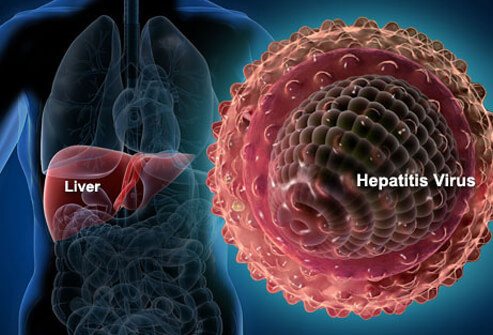
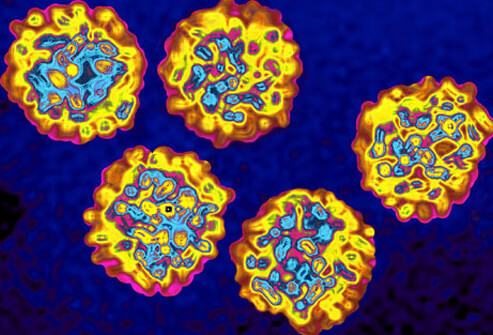
    Inflammation of the liver of any cause is referred to as hepatitis. It may be caused by viruses, drugs, or alcohol, although the most common cause is viruses, viral hepatitis. There are several types of viral hepatitis, the most common of which are hepatitis A, B, and C.


    Symptoms of Hepatitis

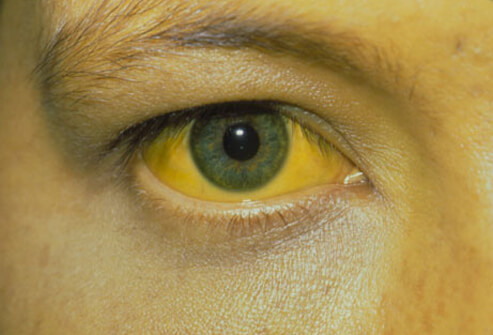
    Very frequently the onset of hepatitis, the acute phase, is not associated with symptoms or signs, but when they do occur they are usually general and include fatigue, nausea, decreased appetite, mild fever, or mild abdominal pain. Later signs more specific for liver disease may occur, specifically yellowing of the skin and eyes (jaundice) and darkening of the urine. If the infection becomes chronic as is the cause with hepatitis B and C, that is, lasting longer than months, the symptoms and signs of chronic liver disease may begin. At this point the liver often is badly damaged.

    What Happens with Hepatitis A?

    Viral diseases generally are contagious. Hepatitis A is highly contagious. It usually is spread from person to person via a fecal-oral route, meaning via fecal contamination of food. It usually is a mild hepatitis, and many people do not know they are infected. The virus is eliminated by the body rapidly, and it does not cause long-term damage.

    How Does Hepatitis A Spread?

    Hepatitis A is spread from person to person via fecal contamination because the virus is present in the stool. It is spread via contaminated food or water by an infected person who gets small amounts of stool on his or her hands, does not wash his or her hands, and passes the stool onto food that is eaten by others. An example of this is outbreaks of hepatitis A in daycare centers for young children when employees don’t wash their hands after changing diapers, and they then pass the viruses to the next child they feed. In addition, fecal contamination of water in which shellfish live can contaminate the shellfish, and the shellfish can pass the virus to people who eat the shellfish raw.

    Who Is at Risk for Hepatitis A?

    Travelers to countries with high infection rates and the inhabitants of those countries are at higher risk for developing hepatitis A. The Centers for Disease Control issues travel advisories that identify the countries with outbreaks or endemic hepatitis A. Eating raw or uncooked foods increases the risk for hepatitis A.

    What Happens with Hepatitis B?

    A majority of adults who contract hepatitis B have none to mild symptoms, and then the virus resolves spontaneously; however, about 5% of people are not able to eliminate the hepatitis B virus and develop chronic infection. If a chronically infected mother gives birth, 90% of the time her infant will be infected and develop chronic hepatitis B, usually for life. This may give rise to serious complications of liver disease later in life such as liver damage, liver failure, and liver cancer.

    How Does Hepatitis B Spread?

    Persons infected with hepatitis B can pass the virus to others through blood or body fluids. In the U.S., the most common way of becoming infected is through unprotected sex, although sharing an infected person’s needles to inject illicit drugs also is quite common. Less common ways are by contaminated razors or toothbrushes. As previously mentioned, hepatitis B is passed from infected mother to infant in over 90% of cases.

    Who Is at Risk for Hepatitis B?

    Although unprotected sex is the most common way of becoming infected with hepatitis B, infection is more likely for people who have multiple sex partners. Shared needles also are an important means of spreading hepatitis B. Other risk factors are being a health care worker, but infection usually is related to needle sticks. There also is a risk of becoming infected by living with someone who has chronic hepatitis B, in part due to sexual transmission.

    What Happens with Hepatitis C?

    With acute hepatitis C, the virus is eliminated in 25% of people. The rest of the people become chronically infected and later may develop serious complications such as liver failure and liver cancer. There is treatment, however, for hepatitis C that usually can prevent the complications.

    How Does Hepatitis C Spread?

    Hepatitis C is transmitted primarily by infected blood, for example by sharing needles when injecting illicit drugs. The virus is spread much less commonly with tattoos or body piercing with a contaminated needle. Mothers pass the virus to their infants at birth, and the infant becomes chronically infected. The risk of spreading hepatitis C with unprotected sex is small, but having multiple sex partners, HIV, or rough sex increases the risk.

    Who Is at Risk for Hepatitis C?

    It only takes one exposure to hepatitis C to become chronically infected, so people who have injected illegal drugs even one time or many years previously could have chronic hepatitis C, and not know it since there are often no symptoms. People with blood transfusions prior to 1992 - when they started testing blood for transfusion for hepatitis C - also may have become chronically infected.

    How Is Hepatitis Diagnosed?

    Chronic hepatitis slowly attacks the liver over many years without causing symptoms. If the infection is not diagnosed and treated, many people will develop damaged livers. If suspected, viral hepatitis of all types can be diagnosed easily by blood tests.

    Who Should Be Tested for Hepatitis?

    It is important to test people with symptoms or exposure to hepatitis as well as people at high risk such as illicit drug users and people with multiple sex partners. There is a high prevalence of chronic hepatitis individuals of Asian heritage, and they also should be tested. It is estimated the 10% of Asians living in the U.S. has chronic hepatitis that probably has been present from birth.

    What If You Test Positive for Hepatitis?

    If testing discloses that you have viral hepatitis there are steps to prevent your passing the viruses to family and friends. Washing the hands helps prevent transmission of hepatitis A. Not sharing needles, razors, nail clippers, or toothbrushes also will reduce transmission of viral hepatitis. Everyone should be vaccinated against hepatitis B.

    Hepatitis A Treatment

    No treatment is needed for hepatitis A since the infection almost always resolves on its own. Nausea is common, though transient, and it is important to stay hydrated. It is recommended that strenuous exercise be avoided until the acute illness is over.

    Chronic Hepatitis B Treatment

    For hepatitis B, treatment is aimed at controlling the virus and preventing damage to the liver. Antiviral medications are available that will benefit most people, but the medications need to be chosen carefully, and the treatment needs to be monitored in order to assure successful treatment and prevent or treat medication-related side effects. For some individuals, the risks of treatment may not be justified.

    Chronic Hepatitis C Treatment

    Treatment of chronic hepatitis C has evolved, rendering many earlier drugs obsolete. The drugs currently used (as of March 2016) include pegylated interferon, ribavirin, elbasvir, grazoprevir, ledipasvir, sofosbuvir, paritaprevir, ritonavir, ombitasvir, dasabuvir, simeprevir, daclatasvir. These are always used in various combinations, never alone. Interferon is given by injection while the other medications are pills. Studies have shown that combinations of these drugs can cure all but a small proportion of patients; however, serious side effects of treatment can occur.

    Treatment options need to be discussed with a knowledgeable physician, as the appropriate combination is dependent upon multiple factors. These include genotype (there are 6), prior treatment and results, drug intolerances, presence of compensated liver disease or uncompensated cirrhosis, presence of HIV co-infection, other complicating conditions and liver transplantation.

    Monitoring Chronic Hepatitis

    Monitoring of the progression of liver disease and its treatment are the cornerstones of managing hepatitis B and C. Doctors regularly follow blood tests to determine how well the liver is functioning. Ultrasound examinations and CT scans can determine if there are complications such as cirrhosis or liver cancer that can be treated more effectively if found early. Some people will not need treatment.

    Complications: Cirrhosis

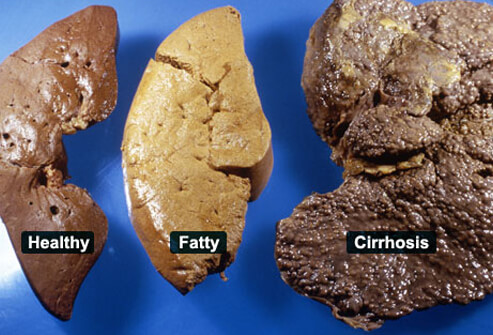
    Cirrhosis is the most common complication of chronic hepatitis. Cirrhosis can be detected with simple tests, but the liver biopsy is the best way to diagnose it. Cirrhosis occurs as the liver is destroyed and it is associated with liver failure, a life-threatening condition. The signs of cirrhosis include retention of fluid (swelling of the abdomen or lower extremities, fatigue, nausea, and weight loss. Later, confusion and jaundice occur due to the accumulation of chemicals normally removed by a healthy liver.

    Complications: Liver Cancer

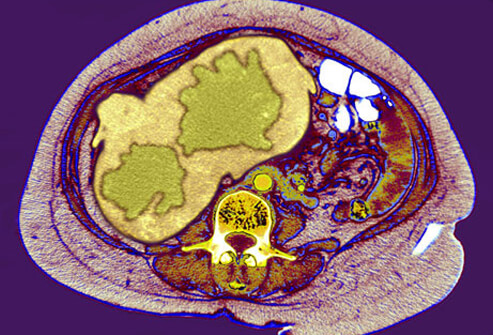
    The major cause of liver cancer is hepatitis B and C, and can develop silently as the liver becomes cirrhotic. Blood tests, ultrasound examinations, CT and MRI scans can identify the cancers (seen here in green). Biopsy of the liver is needed to definitely make a diagnosis of cancer. If the cancers are found early, a small proportion of patients can be cured.

    Liver Transplant

    The liver serves many functions including the manufacture and removal of chemicals that allow cells to function normally, digestion of food, elimination of toxic chemicals, and the production of many proteins that the body needs. Thus, if a large portion of the liver is damaged, the liver cannot perform these critical functions; it is impossible to live without a liver. If the liver fails, a liver transplant may be the only hope, but it is not easy to find a healthy liver to transplant.

    Hepatitis A and B Vaccines

    Vaccines can protect against hepatitis A and B. The Centers for Disease Control recommends hepatitis A vaccination for children 12 to 23 months of age and for adults who travel or work in locations with a higher prevalence of hepatitis A infection. Vaccination for hepatitis A also should be given to people with hepatitis B and C. If the mother has chronic hepatitis B, the infant should receive the hepatitis B vaccine as well as hepatitis B immune globulin to prevent the development of chronic hepatitis B. There is no vaccine for hepatitis C.

    Protecting Your Liver

    If you have chronic hepatitis, you should prevent further damage to your liver, for example, by not drinking alcohol. Since some medications and supplements can damage the liver, before taking them you should discuss it with your doctor. Regular appointments for follow-up are important. Early progression of the disease or complications are likely to change treatment.

    Hepatitis C Could Become Rare Disease in 20 Years: Study

    HealthDay news article on MedicineNet

    MONDAY, August 4, 2014 -- "The once tough-to-treat liver infection hepatitis C could become a rare disease in the United States in the next two decades, a new study estimates..." Read full article on MedicineNet

    0 comment
    0
    Facebook Twitter Google + Pinterest
    explainingmedicine

    previous post
    Causes of Fatigue: Find Out Why You’re So Tired
    next post
    Diabetes: 20 Reasons for Blood Sugar Swings

    Related Articles

    Ovarian Cysts: Are Ovarian Cysts Cancer?

    October 15, 2016

    Disease Prevention in Women: Essential Screening Tests Every Woman Needs

    October 15, 2016

    Muscle Cramps and Muscle Spasms: Symptoms, Causes, and Treatments

    October 15, 2016

    Women’s Cancer: 15 Cancer Symptoms Women Ignore

    October 14, 2016

    Rheumatoid Arthritis: Learn About RA Symptoms & Treatment

    October 14, 2016

    Emergency Preparedness: Winter Weather

    October 14, 2016

    Diabetes: 12 Tips to Avoid Diabetes Complications

    October 14, 2016

    Thyroid: Common Thyroid Problems Explained

    October 14, 2016

    Allergy: Common Food Allergy Triggers and Where They Hide

    October 14, 2016

    Diarrhea and Digestive Distress: Problems Foods to Avoid

    October 14, 2016

    Recent Posts

    • Flu shot recommendation for kids dropped just as the illness rages

      January 12, 2026
    • The CDC just sidelined these childhood vaccines. Here’s what they prevent

      January 9, 2026
    • Your next primary care doctor could be online only, accessed through an AI tool

      January 9, 2026
    • In Lodge Grass, Montana, a Crow community works to rebuild from meth’s destruction

      January 8, 2026
    • RFK Jr.’s new dietary guidelines go all in on meat and dairy

      January 7, 2026

    Keep in touch

    Facebook Twitter Google + RSS

    Recent Posts

    • Flu shot recommendation for kids dropped just as the illness rages

      January 12, 2026
    • The CDC just sidelined these childhood vaccines. Here’s what they prevent

      January 9, 2026
    • Your next primary care doctor could be online only, accessed through an AI tool

      January 9, 2026
    • In Lodge Grass, Montana, a Crow community works to rebuild from meth’s destruction

      January 8, 2026
    • RFK Jr.’s new dietary guidelines go all in on meat and dairy

      January 7, 2026
    • Terms of Service
    • Privacy Policy

    @2026 - Explaining Medicine. All Right Reserved.


    Back To Top
    Explaining Medicine
    Proudly powered by WordPress Theme: soledad child.