Explaining Medicine
  • News
  • Health & Lifestyle
    • Diet & Weight Management
    • Exercise & Fitness
    • Nutrition, Food & Recipes
    • Prevention & Wellness
  • Conditions
    • Custom1
      • Conditions A-Z
      • Procedures A-Z
      • Allergies
      • Alzheimer’s
      • Arthritis
      • Asthma
      • Blood Pressure
      • Cholesterol
      • Cancer
    • Custom2
      • Chronic Pain
      • Cold Flu
      • Depression
      • Diabetes
      • Digestion
      • Eyesight
      • Health Living
      • Healthy Kids
      • Hearing Ear
    • Custom3
      • Heart
      • HIV/AIDS
      • Infectious Disease
      • Lung Conditions
      • Menopause
      • Men’s Health
      • Mental Health
      • Migraine
      • Neurology
    • Custom4
      • Oral Health
      • Pregnancy
      • Senior Health
      • Sexual Health
      • Skin Problems
      • Sleep
      • Thyroid
      • Travel Health
      • Women’s Health
  • Medications
    • Medications
    • Supplements and Vitamins
  • Medical Dictionary
  • Health Alerts
Flu shot recommendation for kids dropped just as...
The CDC just sidelined these childhood vaccines. Here’s...
Your next primary care doctor could be online...
In Lodge Grass, Montana, a Crow community works...
RFK Jr.’s new dietary guidelines go all in...
More seniors are becoming homeless. Shelters are trying...
Health officials slash the number of vaccines recommended...
Wegovy obesity pill now available at pharmacies
In the U.S., hunger is often hidden. But...
One doctor’s experience shows the battle for the...
Top Posts

Explaining Medicine

  • News
  • Health & Lifestyle
    • Diet & Weight Management
    • Exercise & Fitness
    • Nutrition, Food & Recipes
    • Prevention & Wellness
  • Conditions
    • Custom1
      • Conditions A-Z
      • Procedures A-Z
      • Allergies
      • Alzheimer’s
      • Arthritis
      • Asthma
      • Blood Pressure
      • Cholesterol
      • Cancer
    • Custom2
      • Chronic Pain
      • Cold Flu
      • Depression
      • Diabetes
      • Digestion
      • Eyesight
      • Health Living
      • Healthy Kids
      • Hearing Ear
    • Custom3
      • Heart
      • HIV/AIDS
      • Infectious Disease
      • Lung Conditions
      • Menopause
      • Men’s Health
      • Mental Health
      • Migraine
      • Neurology
    • Custom4
      • Oral Health
      • Pregnancy
      • Senior Health
      • Sexual Health
      • Skin Problems
      • Sleep
      • Thyroid
      • Travel Health
      • Women’s Health
  • Medications
    • Medications
    • Supplements and Vitamins
  • Medical Dictionary
  • Health Alerts
  • Slideshows

    Parkinson’s Disease: Symptoms, Stages and Treatment

    by explainingmedicine October 14, 2016

    What Is Parkinson's Disease?

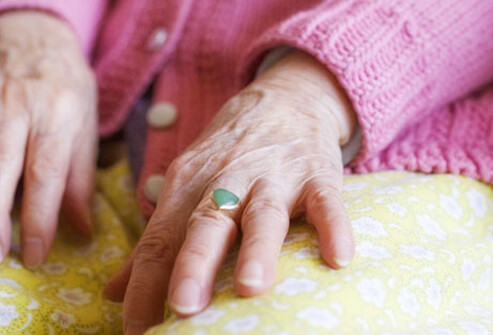
    Parkinson's disease is a fairly common age-related and progressive disease of brain cells (brain disorder) that affect movement, loss of muscle control, and balance. Usually, the first symptoms include a tremor (hand, foot, or leg), also termed a "shaking palsy."


    How Does Parkinson's Progress?

    The majority of people develop Parkinson's disease after age 60 (although a few patients like Michael J. Fox develop it at an early age of about 30 and boxer Muhammad Ali at age 42). Men are about 1.5 times more likely to develop it than women. In general, the disease slowly progresses with more pronounced symptoms developing over many years. Although a few patients, especially those who develop it in their younger years may have more rapid symptom development, symptoms slowly increase over many years. Treatments may reduce symptoms in many patients.

    Early Signs of Parkinson's Disease

    Three key symptoms that develop early in Parkinson's disease are a tremor, usually on one side of the body (hand, foot, arm, or other body part) when the person is at rest. The second symptom is rigidity, or resistance to movement when someone tries to move the person's joint or when the person has difficulty going from a sitting to a standing position. The third symptom is termed bradykinesia, or slowness, and small movements. Bradykinesia is seen in people that have small handwriting (micrographia) and decreased facial expression (the person often only has a somber or serious expression under most circumstances). This condition is termed a "masked face."

    Parkinson's Symptom: Tremor

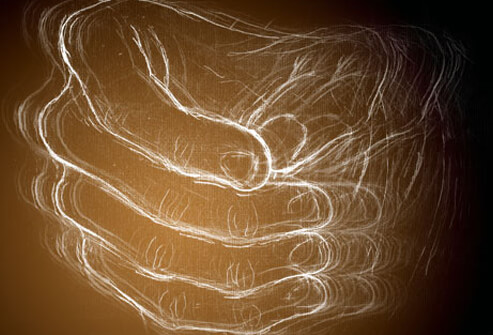
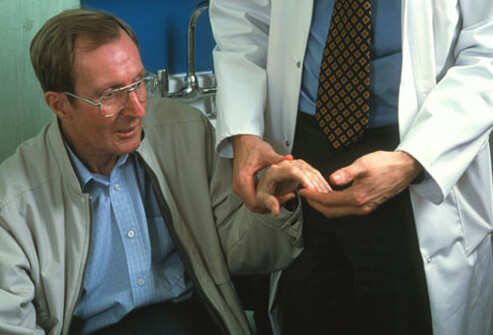
    The tremors of Parkinson's disease usually occur first in a single extremity body part (finger, hand, foot) that is at rest in about 70% of patients; the tremor usually stops when the body part is in use by the person. The tremor is fast (4 to 6 cycles per second that shakes rhythmically). Some people will exhibit a fast "pill rolling" action that is a tremor between the thumb and index finger.

    Parkinson's Symptom: Bradykinesia

    As stated above, bradykinesia can be an early symptom of Parkinson's disease. It is exemplified by slow initial movements, difficulty getting up from a sitting position, involuntarily slowing or stopping while walking, and little or no change in facial expressions that may seem inappropriate to people who do not know that the person has Parkinson's disease.

    Parkinson's Symptom: Impaired Balance

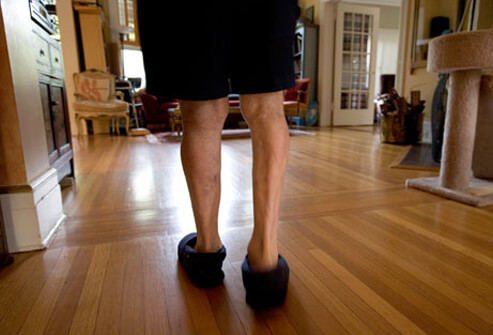
    As Parkinson's disease progresses, other symptoms related to muscles and movement may develop. Patients may develop a poor posture (stooped posture) with drooping shoulders, feet shuffling, and the head extended or jutting forward. This often leads to balance problems and falls.

    Parkinson’s Symptom: Rigidity

    Again, since rigidity is a common symptom, muscle groups in affected extremities don't relax so crampy pain may occur. One sign of Parkinson's disease is that one arm may not swing back and forth normally when the person walks.

    Symptoms Beyond Movement

    The following are symptoms that some patient’s with Parkinson’s disease may develop especially as the disease progresses; not every patient will have some or all of these symptoms:

    • Bilateral tremors
    • Difficulty sleeping and fatigue
    • Oily skin and dandruff
    • Speech changes (soft voice, word slurring)
    • Constipation,
    • Swallowing problems
    • Mental changes (memory loss, easily confused, dementia)

    Parkinson's Diagnosis

    Diagnosis of Parkinson's disease is best accomplished by a specialist such as a neurologist. Most diagnoses are made presumptively by doctors by confirming most of the early symptoms listed above and by ruling out other conditions that may produce similar symptoms such as a tumor or stroke. The main things the doctor will look for are a tremor at rest and rigidity (involuntary) when the doctor moves the extremities. The doctor will often check your response to an unanticipated pull from behind. The doctor will tell you what will happen and protect you from a fall as he checks your ability to recover your balance.

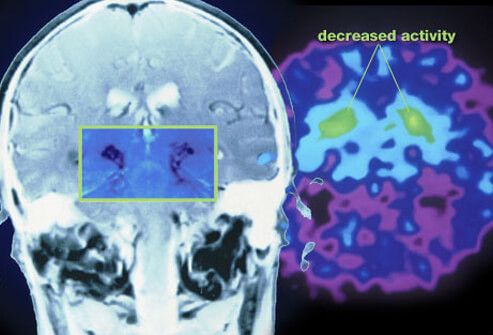
    There is no definitive test for the disease except for a biopsy of specific brain tissue that is only usually done at autopsy. Other tests (CT scan, MRI) may be used to help physicians distinguish between Parkinson's disease and other medical problems (for example, stroke, brain tumors).

    Parkinson's or Benign Essential Tremor?

    Essential tremors may be confused with the tremors in Parkinson's disease. However, essential tremors usually affect both extremities (hands) equally and get worse when the hands are used, in contrast to Parkinson's tremors. Also, Parkinson's tremors are reduced or temporally stopped with carbidopa-levodopa medication while essential tremors respond to other medications. Parkinson's disease does not usually occur in multiple family members but essential tremors do and are more common than Parkinson's tremors.

    Who Gets Parkinson's Disease?

    As stated previously, men are about 1.5 times more likely to develop Parkinson's disease than women; however, although the majority of all patients that get the disease are over 60, the total chance of getting the disease is about 2% to 4% in this age group. Consequently, the disease is not rare but the chances of someone age 60 or over developing the disease is not high.

    Parkinson's Disease Causes?

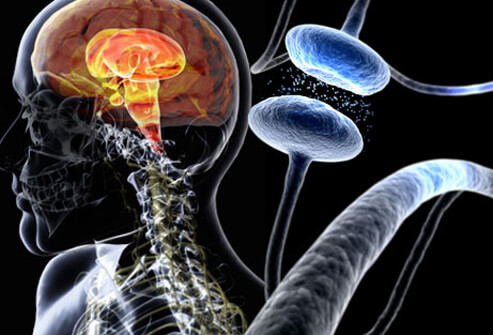
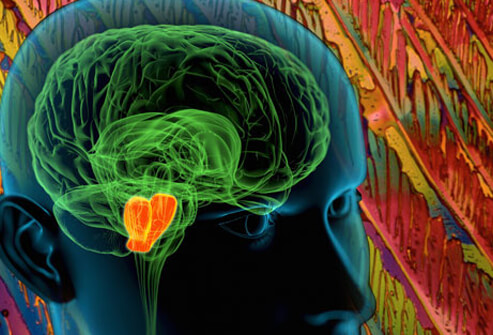
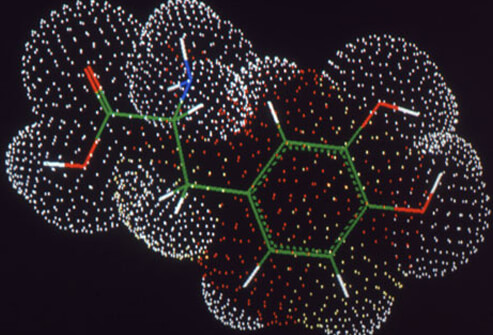
    Cells in the substantia nigra, a part of the brainstem that controls movement, slow down and then stop producing dopamine as the cells die. Dopamine helps nerve cells communicate about movement; without the dopamine, body commands about normal movement are disrupted resulting in Parkinson's disease because the brain does not receive the necessary messages about how and when to move. Unfortunately, the ultimate cause of Parkinson's disease, the reason that the cells in the brainstem become altered and die, is not known but researchers suggest that a combination of both genetic and environmental factors cause about 90% of all Parkinson's disease.

    Parkinson's Disease Stages

    Parkinson's disease is usually slowly progressive over time (years). The advancement is assessed by the symptom severity (Hoehn and Yahr Scale) and other measures such as mental function, behavior, mood, motor functions, and the ability to complete daily activities (self-maintenance, independence) as measured by the Unified Parkinson's Disease Rating Scale. These evaluations give physicians clues as how to best manage and treat the individual.

    Parkinson’s Treatment: Levodopa

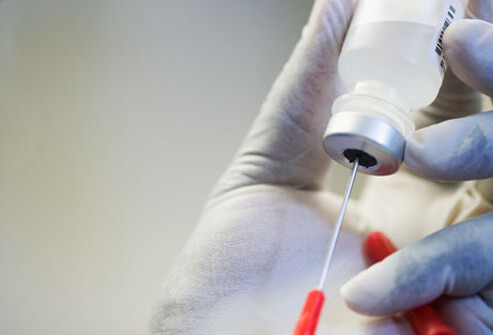
    Levodopa, in the form of carbidopa and levodopa combined in a single tablet, has been the most effective medication to reduce or temporarily stop Parkinson's disease symptoms. The brain tissue converts this drug to dopamine. However, over time (about 6 years) the symptomatic reduction caused by the drug starts to fade and higher doses and other medications may be added. In addition, side effects of levodopa may develop (nausea, vomiting, mental changes, and involuntary movements), especially with use over years. These side effects can be reduced by slowly increasing the medication dose over time.

    Parkinson's Treatment: Dopamine Agonists

    Although carbidopa-levodopa is the usual first-choice drug to treat Parkinson’s disease, other drugs that mimic the action of dopamine, termed dopamine agonists, may be used when the effects of carbidopa-levodopa wane. Such drugs as Apokyn, Mirapex, Parlodel, and Requip are used; these drugs have side effects similar to carbidopa-levodopa (for example, nausea, vomiting, and psychosis).

    Parkinson's Treatment: Other Medications

    Some drugs are used in combination with carbidopa-levodopa to either inhibit dopamine breakdown by the body or to improve the effectiveness of carbidopa-levodopa. Azilect, Eldepryl,and Zelapar inhibit dopamine breakdown while Entacapone and Tasmar can improve the effect of carbidopa-levodopa.

    Parkinson's Surgery: Deep Brain Stimulation

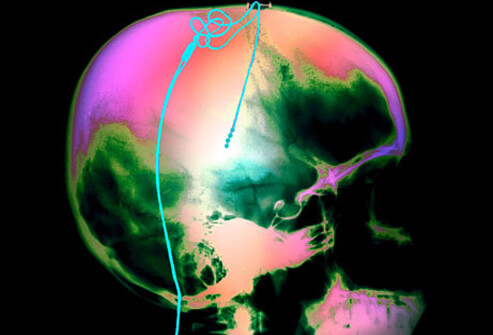
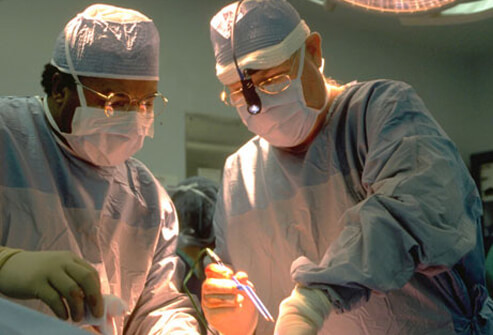
    Another treatment method, usually attempted as effectiveness of medical treatments for Parkinson's disease wane, is termed deep brain stimulation. The technique involves surgery to implant electrodes deep into the brain in the globus pallidus, thalamus, or the subthalamic nucleus areas. Then electric impulses that stimulate the brain tissue to help overcome tremors, rigidity, and slow movements are given. Impulses are generated by a battery. This surgery is not for every Parkinson's disease patient; it is done on patients that meet certain criteria. Also, the surgery does not stop other symptoms and does not end the progression of the disease.

    Parkinson's Surgery: Pallidotomy and Thalamotomy

    Another type of surgery used when symptoms are poorly responsive to medications is brain surgery that either removes or destroys brain tissue. The techniques are termed pallidotomy and subthalamotomy. The techniques usually involve radiofrequency to destroy small areas of brain tissue. Some patient's symptoms can be reduced by these techniques but they do not reduce all symptoms and some patients suffer complications when brain tissue is irreversibly destroyed. Deep brain stimulation is replacing these treatments.

    A Well-Balanced Diet for Parkinson's

    As is the case for most medical problems, a well-balanced diet usually benefits the patient. Some of the individual symptoms of Parkinson's disease such as constipation can be treated with a high-fiber diet with increased fluids. Carbidopa-levodopa medication effects can be reduced by proteins in foods, but if the medication is taken with fluid about 30 minutes before a meal, the protein interference can be reduced or eliminated. Some patients may benefit from vitamin and mineral supplements.

    Can Symptoms Be Prevented?

    Currently, there is nothing that can prevent symptoms of Parkinson's disease although treatment can reduce symptoms. Statistically, people who drink coffee and smokers have a lower incidence of Parkinson's disease but they may develop other problems due to these habits (especially smokers). Since researchers speculate that about 90% of Parkinson’s disease is due to a combination of genetic and environmental causes, avoiding certain environmental triggers may prevent some individuals from developing the disease. In addition, researchers are trying to find medications or supplements that can protect the brain cells that produce dopamine.

    Environmental Toxins

    As mentioned, environmental factors such as exposure to pesticides, herbicides, and other toxins, when exposed to people with genetic susceptibility, may increase the risk of developing Parkinson’s disease. Statistically, people that live in rural areas, drink well water, are exposed to pesticides, herbicides, and pulp mills have a higher risk of developing the disease. In addition, researchers have demonstrated some drug side effects cause Parkinson's-like symptoms.

    Parkinson's and Exercise

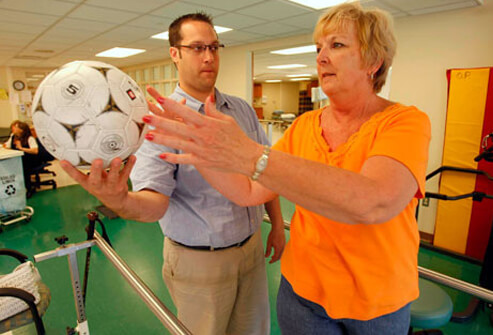
    A number of studies suggest that exercise helps reduce and delay the symptoms of Parkinson's disease. Tremor reduction, improved balance, and muscle coordination can be some of the benefits of exercise. Clinicians suggest that consistent exercise about 3 hours per week may provide a reduction in symptoms. Different exercises provide different benefits; exercises like yoga may improve balance while using a treadmill may improve leg strength and weights may help overall extremity strength and balance.

    Living With Parkinson's Disease

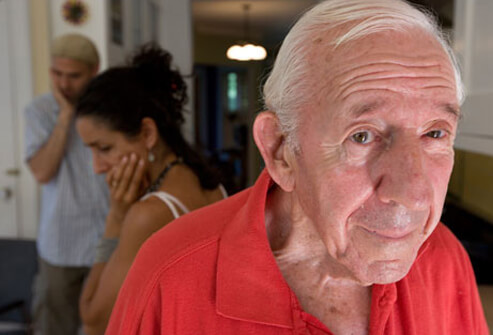
    Parkinson's disease, especially in the more advanced patients, often requires an adjustment in lifestyle. As symptoms progress, anxiety and depression are often experienced by the patient (and often their caregivers). Items in the home such as throw rugs, electrical cords, and slippery tile may need to be removed to reduce the risk of falls. Bathroom modifications such as handles or grab bars may be needed. The diet might need modification if swallowing or constipation becomes a problem. An occupational and speech therapist may help with other problems.

    A Note for Caregivers

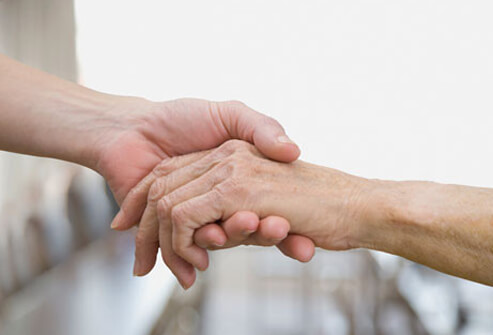
    Caregivers can be challenged by the increasing needs of a declining Parkinson's patient. It is important that caregivers have a good concept of this progressive disease. Support groups (American Parkinson Disease Association, National Parkinson Foundation, and the Parkinson's Disease Foundation) are available to help caregivers understand the disease process and how to cope with the various problems they face in caring for a Parkinson's disease patient.

    0 comment
    0
    Facebook Twitter Google + Pinterest
    explainingmedicine

    previous post
    Epilepsy: Symptoms, Stages and Treatment
    next post
    Breast Cancer: 10 Things Young Women Should Know

    Related Articles

    Healthy Eating: Easy, Tasty Grilled Foods for Dinner Tonight

    October 15, 2016

    Ovarian Cysts: Are Ovarian Cysts Cancer?

    October 15, 2016

    Omega-3 Fatty Acids: Benefits of Fish Oil, Salmon, Walnuts, & More

    October 14, 2016

    The Naughty List of Holiday Foods: Avoid the Holiday Food Trap

    October 14, 2016

    Ulcerative Colitis: Causes, Diagnosis and Treatment

    October 14, 2016

    Fibromyalgia: Fibro-friendly Exercises

    October 14, 2016

    Frighteningly Fattening Fall Foods: Keep Your Diet in Check This Fall

    October 14, 2016

    Sex-Drive Killers: Causes of Low Libido

    October 14, 2016

    Pet Health: Risky Mistakes Pet Owners Make

    October 14, 2016

    Baby Food & Nutrition: What to Feed Your Baby in Year 1

    October 14, 2016

    Recent Posts

    • Flu shot recommendation for kids dropped just as the illness rages

      January 12, 2026
    • The CDC just sidelined these childhood vaccines. Here’s what they prevent

      January 9, 2026
    • Your next primary care doctor could be online only, accessed through an AI tool

      January 9, 2026
    • In Lodge Grass, Montana, a Crow community works to rebuild from meth’s destruction

      January 8, 2026
    • RFK Jr.’s new dietary guidelines go all in on meat and dairy

      January 7, 2026

    Keep in touch

    Facebook Twitter Google + RSS

    Recent Posts

    • Flu shot recommendation for kids dropped just as the illness rages

      January 12, 2026
    • The CDC just sidelined these childhood vaccines. Here’s what they prevent

      January 9, 2026
    • Your next primary care doctor could be online only, accessed through an AI tool

      January 9, 2026
    • In Lodge Grass, Montana, a Crow community works to rebuild from meth’s destruction

      January 8, 2026
    • RFK Jr.’s new dietary guidelines go all in on meat and dairy

      January 7, 2026
    • Terms of Service
    • Privacy Policy

    @2026 - Explaining Medicine. All Right Reserved.


    Back To Top
    Explaining Medicine
    Proudly powered by WordPress Theme: soledad child.