Explaining Medicine
  • News
  • Health & Lifestyle
    • Diet & Weight Management
    • Exercise & Fitness
    • Nutrition, Food & Recipes
    • Prevention & Wellness
  • Conditions
    • Custom1
      • Conditions A-Z
      • Procedures A-Z
      • Allergies
      • Alzheimer’s
      • Arthritis
      • Asthma
      • Blood Pressure
      • Cholesterol
      • Cancer
    • Custom2
      • Chronic Pain
      • Cold Flu
      • Depression
      • Diabetes
      • Digestion
      • Eyesight
      • Health Living
      • Healthy Kids
      • Hearing Ear
    • Custom3
      • Heart
      • HIV/AIDS
      • Infectious Disease
      • Lung Conditions
      • Menopause
      • Men’s Health
      • Mental Health
      • Migraine
      • Neurology
    • Custom4
      • Oral Health
      • Pregnancy
      • Senior Health
      • Sexual Health
      • Skin Problems
      • Sleep
      • Thyroid
      • Travel Health
      • Women’s Health
  • Medications
    • Medications
    • Supplements and Vitamins
  • Medical Dictionary
  • Health Alerts
Flu shot recommendation for kids dropped just as...
The CDC just sidelined these childhood vaccines. Here’s...
Your next primary care doctor could be online...
In Lodge Grass, Montana, a Crow community works...
RFK Jr.’s new dietary guidelines go all in...
More seniors are becoming homeless. Shelters are trying...
Health officials slash the number of vaccines recommended...
Wegovy obesity pill now available at pharmacies
In the U.S., hunger is often hidden. But...
One doctor’s experience shows the battle for the...
Top Posts

Explaining Medicine

  • News
  • Health & Lifestyle
    • Diet & Weight Management
    • Exercise & Fitness
    • Nutrition, Food & Recipes
    • Prevention & Wellness
  • Conditions
    • Custom1
      • Conditions A-Z
      • Procedures A-Z
      • Allergies
      • Alzheimer’s
      • Arthritis
      • Asthma
      • Blood Pressure
      • Cholesterol
      • Cancer
    • Custom2
      • Chronic Pain
      • Cold Flu
      • Depression
      • Diabetes
      • Digestion
      • Eyesight
      • Health Living
      • Healthy Kids
      • Hearing Ear
    • Custom3
      • Heart
      • HIV/AIDS
      • Infectious Disease
      • Lung Conditions
      • Menopause
      • Men’s Health
      • Mental Health
      • Migraine
      • Neurology
    • Custom4
      • Oral Health
      • Pregnancy
      • Senior Health
      • Sexual Health
      • Skin Problems
      • Sleep
      • Thyroid
      • Travel Health
      • Women’s Health
  • Medications
    • Medications
    • Supplements and Vitamins
  • Medical Dictionary
  • Health Alerts
  • Slideshows

    Foot Health: The Worst Shoes for Your Feet

    by explainingmedicine October 15, 2016

    Culprit: Ultra-High Heels

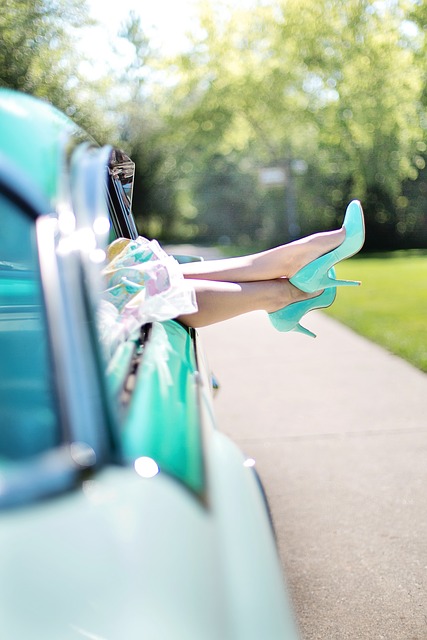
    "Heels are getting higher and higher," says Hillary Brenner, DPM. "We podiatrists like to call it shoe-icide." Brenner, a spokeswoman for the American Podiatric Medical Association, says ultra-high heels can lead to everything from ankle sprains to chronic pain. Let's take a closer look at the heights, styles, and woes of today's footwear.

    Problem: Pump Bump

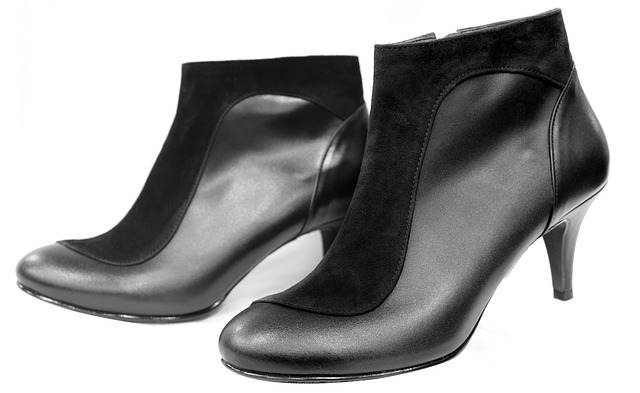
    Whether they're sky-high or mid-heel, this style is notorious for causing a painful knot on the back of the heel. The rigid material presses on a bony deformity some women have called a "pump bump." The pressure leads to blisters, swelling, bursitis, even pain in the Achilles tendon. Ice, orthotics, and heel pads may provide pain relief -- along with better shoes. The bony protrusion is permanent.

    Problem: Unnatural Foot Position

    Ultra-high heels force the feet into a position that puts stress on the ball of the foot. At this critical joint, the long metatarsal bones meet the pea-shaped sesamoid bones, and the toe bones (phalanges). Too much pressure can inflame these bones or the nerves that surround them. Chronic stress to the foot bones can even lead to hairline fractures.

    Solution: Go Low

    Switching to lower heels will help you avoid problems with the metatarsal bones. The lower you go, the more natural your foot position will be. Brenner recommends choosing heels that are no more than 2 inches high -- and even those should be worn in moderation.

    Problem: Ankle Sprains

    All high heels boost the risk of an ankle sprain. The most common problem is a lateral sprain, which happens when you roll onto the outside of the foot. This stretches the ankle ligaments beyond their normal length. A severe sprain may tear the ligaments. A sprained ankle should be immobilized and may need physical therapy to heal properly. The risk of developing osteoarthritis rises with a severe sprain or fracture of the ankle.

    Culprit: Stilettos

    Although all high heels can cause problems, the ultra narrow heels of stilettos are particularly risky. "The weight is pinpointed on one area," Brenner tells WebMD. "That makes you wobble like you're walking on stilts." The result is that you're more likely to trip and sprain your ankle.

    Solution: Chunky Heels

    A chunky heel has more surface area and distributes your weight more evenly. This makes the feet much more stable when compared to stilettos or spindle heels. Although thick high heels can still put stress on the ball of the foot, they may reduce the tripping hazard by minimizing unsteadiness.

    Culprit: Ballet Flats

    Brenner compares these dainty shoes to walking on cardboard. "There's no arch support whatsoever," she tells WebMD. That keeps the feet from functioning optimally and can lead to knee, hip, and back problems. Poor arch support is also associated with a painful foot condition called plantar fasciitis.

    Solution: Orthotic Inserts

    If you love the look of ballet flats, over-the-counter inserts (shown here) may help prevent mild foot pain. Heel pads can provide extra cushioning for achy heels. And custom orthotics can ease a whole range of foot pains and problems. Podiatrists prescribe these inserts to provide arch support and reduce pressure on sensitive areas. Prescription orthotics can be pricey, but are sometimes covered by insurance.

    Culprit: Flip-Flops

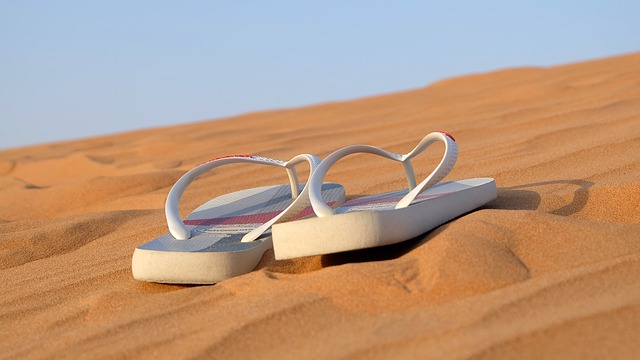
    Flip-flops offer very little protection. The risk of getting splinters or other foot injuries is higher when the feet are so exposed. People with diabetes should not wear flip-flops, because simple cuts and scrapes can lead to serious complications. In addition, many flip-flops provide no arch support. Like ballet flats, they can aggravate plantar fasciitis and cause problems with the knees, hips, or back.

    Problem: Plantar Fasciitis

    A band of tissue called the plantar fascia runs along the bottom of the foot. It pulls on the heel when you walk -- and it works best with the proper arch in your foot. Walking barefoot, or in flimsy shoes without sufficient arch support, can overstretch, tear, or inflame the plantar fascia. This common condition can cause intense heel pain, and resting the feet only provides temporary relief.

    Better: 'Fitted' Flops

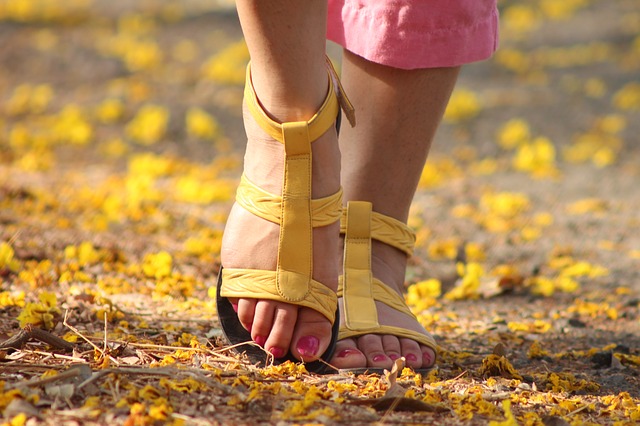
    Sporty, fitted sandals and other "toning shoes" are designed for a more intense workout while walking. The American Council on Exercise says there's no evidence to support that claim, but they may have other benefits. The thick sole keeps your foot off the ground and away from debris. And Brenner points out, "they do have really good arch support." Several have a seal of approval from the American Podiatric Medical Association.

    Culprit: Platform Shoes

    Platform shoes and wedges tend to have rigid foot beds. "That throws off the biomechanics of walking," Brenner says. "Your foot is trying to bend a certain way, but the shoe is fighting you because it's so rigid." If the heel of the platform is much higher than the toe area, the shoe also puts pressure on the metatarsal bones.

    Better: Flatter Platforms

    Although still not recommended, a flatter platform shoe may put less strain on your feet than its peers. Look for a wide wedge or platform that is nearly parallel with the ground. This will lessen the pressure on the ball of the foot. However, the rigid sole remains a barrier to the natural walking motion.

    Culprit: Pointy Toes

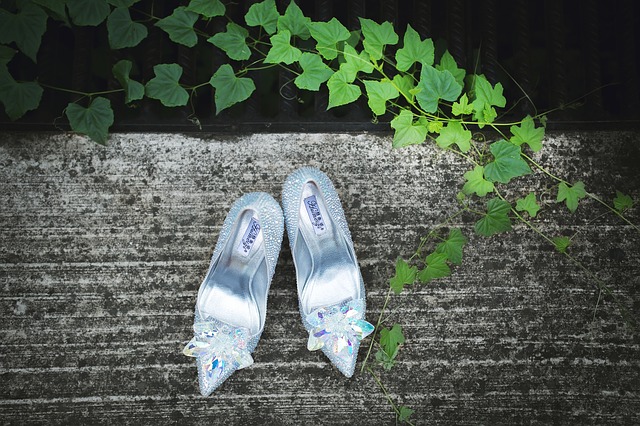
    They might be stylish, but shoes with pointy toes squeeze the entire front of your foot together. After time, this can cause nerve pain, bunions, blisters, and hammertoes. Some women even develop bruises under their toenails from the constant pressure.

    Problem: Bunions

    A bunion is a painful lump at the base of the big toe, which may cause the toe to bend unnaturally. It forms when the tissue or bone at the base joint gets displaced. This may happen after years of abnormal pressure and movement. Pointy-toed shoes are a common factor, which explains the prevalence of bunions among women.

    Problem: Toe Deformities

    High heeled shoes push too much body weight toward the toes and then squeeze them together. Over time, the result can be hammertoe (early stage, lower right), abnormal bends in the toe joints that can gradually become rigid. Surgery is sometimes needed to relieve the pain of severe hammertoe. Crowding can cause other toe deformities, along with continuous shoe friction, leading to painful corns and calluses.

    Solution: Wide Toe Box

    You can avoid the pointy toe perils by selecting boxier shoes. If that style doesn't appeal to you, look for shoes that slope to a point beyond the edge of your toes. A healthy style won't pinch the tips or sides of the toes. Brenner also suggests choosing a softer material, rather than stiff leather.

    Culprit: Celebrity Trendsetters

    Lady Gaga is known for her eccentric style, but you may want to think twice before stepping into the heel-less shoes she favors. The 12-inch mega-heels seen in her "Bad Romance" video are equally risky. As we've seen, putting so much stress on the ball of your foot can cause bone and nerve damage and pain.

    Solution: Performance Pumps

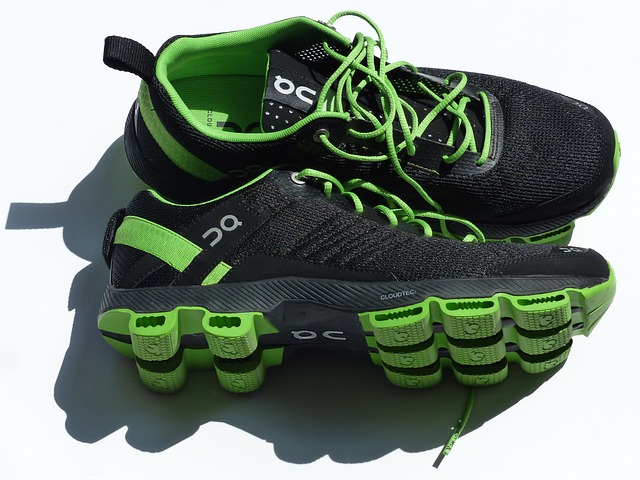
    Many women are unwilling to trade style for comfort, but you may not have to choose between the two. Performance pumps offer a sound compromise, taking both fashion and your health into consideration. They are typically made with reinforced heels, athletic shoe construction, and more wiggle room for your toes.

    Culprit: Wrong Size Shoes

    Nine out of 10 women are wearing shoes that are too small. The consequences aren't pretty – calluses, blisters, bunions, corns, and other problems. The constant rubbing can irritate the joints in the foot and lead to arthritis. Research suggests many kids are also wearing the wrong shoe size, which puts them at risk for foot deformities as they grow.

    Solution: Measure Your Feet

    Before buying new shoes, have a professional measure the length and width of your feet at the end of the day, while you're standing. For unusually flat feet or high arches, an exam by a podiatrist may be warranted. These conditions can increase the risk of osteoarthritis. Early treatment and use of proper footwear may help to avoid unnecessary wear and tear on the joints of the foot.

    Men's Trends

    Pointy-toed shoes have crossed the gender line. This footwear fad carries the same risk in men as in women – including hammertoes, bunions, and pain. To avoid these problems, stick with a boxier toe. At the office, a classic pair of oxfords or loafers may not turn heads, but your feet will thank you.

    Fitness Trends: Minimalist Shoe

    Newer additions to the shoe scene are minimalist shoes. They aim to mimic the natural feel and mechanics of walking barefoot. Brenner is not impressed. "There's no support for your heel or arch and no shock absorption," she says. In addition, in some brands, the "fingers" separate the toes, interfering with the natural walking position.

    Fitness Trends: Rocker Bottoms

    Rocker bottom shoes facilitate the push-off motion as you walk. This style can help with joint pain, according to Brenner. It's also good for people with mild foot deformities. However, she does not recommend the shoe for older people or people with medical conditions that affect balance or muscle strength.

    3 Tips for Better Shoes

    If you're ready to do right by your feet, Brenner offers these three tips:

    • Make sure the shoe bends at the toe box, but is not too flexible.
    • Make sure there is a sufficient arch support.
    • Choose a chunky heel that is less than 2 inches high.
    0 comment
    0
    Facebook Twitter Google + Pinterest
    explainingmedicine

    previous post
    Oral Health: 10 Fun Facts About Your Tongue
    next post
    You Can Monitor Heart Rhythm With A Smartphone, But Should You?

    Related Articles

    Pet Health: Surprising Things You Didn’t Know About Dogs and Cats

    October 14, 2016

    Heat Rash: Symptoms, Causes and Treatment

    October 14, 2016

    Baby Food & Nutrition: What to Feed Your Baby in Year 1

    October 14, 2016

    Type 1 Diabetes: Learn the Basics of Diabetes Care

    October 14, 2016

    Pink Eye (Conjunctivitis): Learn About This Common Eye Condition

    October 14, 2016

    Fast-Food Breakfasts: See the Best & Worst

    October 14, 2016

    Low Blood Pressure (Hypotension): How Low is Too Low?

    October 14, 2016

    Sleep: Foods That Help or Harm Your Sleep

    October 14, 2016

    Urinary Incontinence in Women: Loss of Bladder Control?

    October 14, 2016

    Depression: Physical Symptoms of Depression

    October 14, 2016

    Recent Posts

    • Flu shot recommendation for kids dropped just as the illness rages

      January 12, 2026
    • The CDC just sidelined these childhood vaccines. Here’s what they prevent

      January 9, 2026
    • Your next primary care doctor could be online only, accessed through an AI tool

      January 9, 2026
    • In Lodge Grass, Montana, a Crow community works to rebuild from meth’s destruction

      January 8, 2026
    • RFK Jr.’s new dietary guidelines go all in on meat and dairy

      January 7, 2026

    Keep in touch

    Facebook Twitter Google + RSS

    Recent Posts

    • Flu shot recommendation for kids dropped just as the illness rages

      January 12, 2026
    • The CDC just sidelined these childhood vaccines. Here’s what they prevent

      January 9, 2026
    • Your next primary care doctor could be online only, accessed through an AI tool

      January 9, 2026
    • In Lodge Grass, Montana, a Crow community works to rebuild from meth’s destruction

      January 8, 2026
    • RFK Jr.’s new dietary guidelines go all in on meat and dairy

      January 7, 2026
    • Terms of Service
    • Privacy Policy

    @2026 - Explaining Medicine. All Right Reserved.


    Back To Top
    Explaining Medicine
    Proudly powered by WordPress Theme: soledad child.