Explaining Medicine
  • News
  • Health & Lifestyle
    • Diet & Weight Management
    • Exercise & Fitness
    • Nutrition, Food & Recipes
    • Prevention & Wellness
  • Conditions
    • Custom1
      • Conditions A-Z
      • Procedures A-Z
      • Allergies
      • Alzheimer’s
      • Arthritis
      • Asthma
      • Blood Pressure
      • Cholesterol
      • Cancer
    • Custom2
      • Chronic Pain
      • Cold Flu
      • Depression
      • Diabetes
      • Digestion
      • Eyesight
      • Health Living
      • Healthy Kids
      • Hearing Ear
    • Custom3
      • Heart
      • HIV/AIDS
      • Infectious Disease
      • Lung Conditions
      • Menopause
      • Men’s Health
      • Mental Health
      • Migraine
      • Neurology
    • Custom4
      • Oral Health
      • Pregnancy
      • Senior Health
      • Sexual Health
      • Skin Problems
      • Sleep
      • Thyroid
      • Travel Health
      • Women’s Health
  • Medications
    • Medications
    • Supplements and Vitamins
  • Medical Dictionary
  • Health Alerts
Flu shot recommendation for kids dropped just as...
The CDC just sidelined these childhood vaccines. Here’s...
Your next primary care doctor could be online...
In Lodge Grass, Montana, a Crow community works...
RFK Jr.’s new dietary guidelines go all in...
More seniors are becoming homeless. Shelters are trying...
Health officials slash the number of vaccines recommended...
Wegovy obesity pill now available at pharmacies
In the U.S., hunger is often hidden. But...
One doctor’s experience shows the battle for the...
Top Posts

Explaining Medicine

  • News
  • Health & Lifestyle
    • Diet & Weight Management
    • Exercise & Fitness
    • Nutrition, Food & Recipes
    • Prevention & Wellness
  • Conditions
    • Custom1
      • Conditions A-Z
      • Procedures A-Z
      • Allergies
      • Alzheimer’s
      • Arthritis
      • Asthma
      • Blood Pressure
      • Cholesterol
      • Cancer
    • Custom2
      • Chronic Pain
      • Cold Flu
      • Depression
      • Diabetes
      • Digestion
      • Eyesight
      • Health Living
      • Healthy Kids
      • Hearing Ear
    • Custom3
      • Heart
      • HIV/AIDS
      • Infectious Disease
      • Lung Conditions
      • Menopause
      • Men’s Health
      • Mental Health
      • Migraine
      • Neurology
    • Custom4
      • Oral Health
      • Pregnancy
      • Senior Health
      • Sexual Health
      • Skin Problems
      • Sleep
      • Thyroid
      • Travel Health
      • Women’s Health
  • Medications
    • Medications
    • Supplements and Vitamins
  • Medical Dictionary
  • Health Alerts
  • Slideshows

    Baby Food & Nutrition: What to Feed Your Baby in Year 1

    by explainingmedicine October 14, 2016

    Start Solids at 4-6 Months

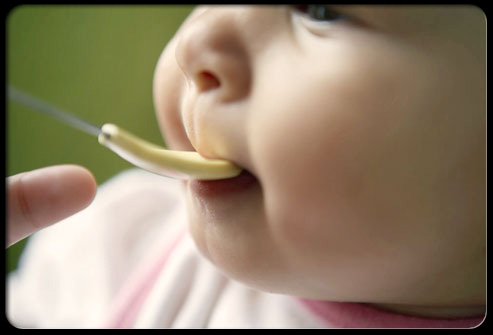
    That's the recommended time to introduce solid foods -- usually rice cereal mixed with breast milk or formula, to start. But it's not just about age. Before starting solids, your baby should be able to sit up (with support), turn his head away, and make chewing motions. He should also be past the reflex that makes him spit out anything but liquid.
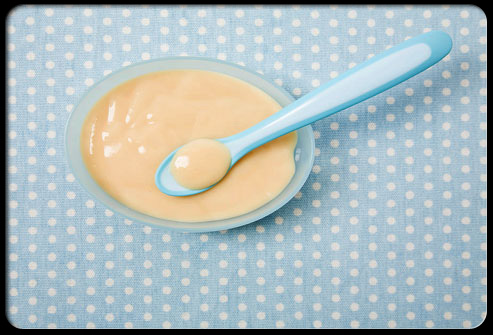
    Keep Going With Breast Milk or Formula

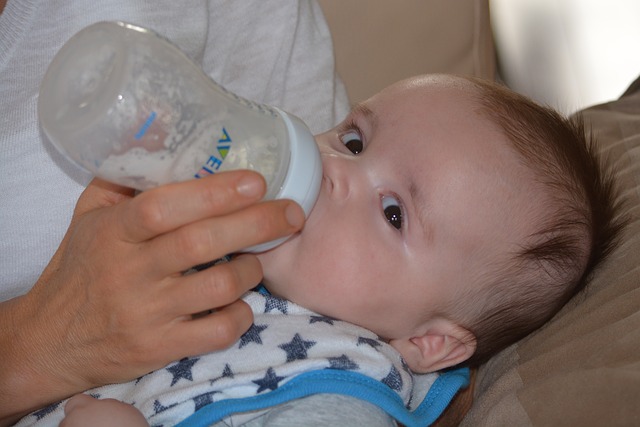
    Babies typically don't eat a lot of solid foods right away. So think of solids as an addition to your baby's diet, not as a replacement for breast milk or formula. Remember, you're introducing solid foods, not totally changing baby's diet. That will happen gradually.

    Why Start With Rice Cereal?

    There's no hard-and-fast rule about what solid foods you should give your baby first. With a single-grain, iron-fortified infant cereal -- such as rice cereal -- it may be easier to notice any food allergies than with a cereal made from several grains. You may want to mix it with formula or breast milk to get a runny consistency at first, until your baby gets used to the new texture

    Eating Solids Takes Practice

    It may seem like it’s something natural, but being fed by a spoon is new to your baby. Up until now, she’s only had a liquid diet. She’ll need practice to get used to the spoon and to the feel of having solid food in her mouth. So don't expect her to eat a whole lot -- maybe a teaspoon or two at a time -- when you start. Instead of trying to get her to eat a certain amount, focus on letting her get used to the experience.

    Start Fruits and Vegetables, One at a Time

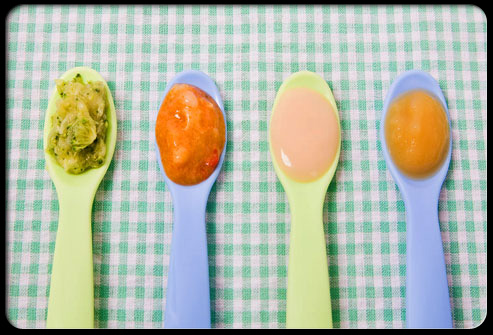
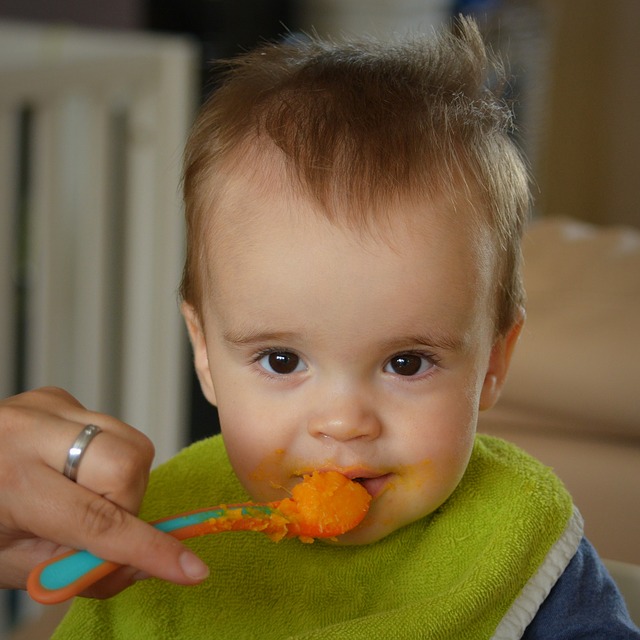
    Fruits, vegetables, grains, and even pureed meats can all be on the menu for your baby. You may want to introduce them one at a time to see how your little one reacts. If your baby won't eat them at first, try again later. Tell your pediatrician if you think your baby might have any food allergies. Use soft baby food from a jar, or soften foods by heating or pureeing them. Put just enough on the spoon for your baby to swallow easily.

    Avoid Milk and Honey

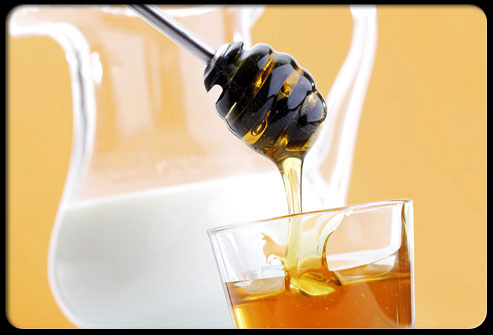
    Most pediatricians say you should wait until after your baby's first birthday to start offering cow's milk. That’s because some babies may have a hard time digesting it before then. And, don't give honey to babies younger than 1 year (some pediatricians say up to 2 years). That’s because of a possible botulism risk that a baby's developing immune system can't fend off.

    Stop When Baby's Ready to Stop

    Your baby will let you know when he’s done eating. He might swat at the spoon, turn his head away, zip his lips tightly, spit out whatever you put in his mouth, or cry. Don't make him eat more than he wants. Kids will eat when they're hungry and stop when they're full. Honoring those instincts may help them avoid overeating now and when they get older.

    Got a Fussy Eater? Don't Fret

    Just because your baby doesn't immediately like a new food doesn't mean he’s doomed to be picky forever. Wait a few days and try again. And again. And again It may take your child more than a couple of times before she’s ready to give peas a chance. Remember, you're a role model, so your baby may be more interested in foods she sees you eating and enjoying. But don't force your child to eat, and don't make a big deal about new foods.

    It's Going to Get Messy

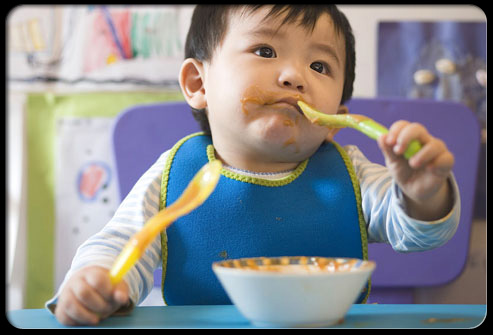
    As your baby grows, he'll try to feed himself. Chances are, a good bit of food is heading for his face, hands, hair, bib, clothes, or high chair tray -- not to mention you or any surfaces within flinging range. Learning to eat solid food is a full-body, tactile experience for your baby. Put a mat underneath his highchair to catch some of the mess, dress accordingly, and be patient -- this phase won't last forever.

    Try Finger Foods When Baby's Ready

    Around 9 months or so, your baby will be able to pick up small pieces of soft table food to eat. You'll still need to spoon-feed for a while, and continue formula or breast milk. Some great "finger foods" include ripe banana pieces, cooked chunks of carrots, cottage cheese, well-cooked pasta, dry cereal, and scrambled eggs. Avoid choking hazards like hard candy, chips, raw vegetables, grapes or raisins, hard cheese, and whole hot dogs.

    0 comment
    0
    Facebook Twitter Google + Pinterest
    explainingmedicine

    previous post
    Breast Cancer: Diagnosis and Treatment
    next post
    Baby Health: The Facts About Bottle Feeding

    Related Articles

    Allergy: 10 Signs Your Allergies Are Out of Control

    October 14, 2016

    Sleep: Foods That Help or Harm Your Sleep

    October 14, 2016

    Insomnia: 10 Tips for a Healthy Night’s Sleep

    October 14, 2016

    Thyroid: Common Thyroid Problems Explained

    October 14, 2016

    Weight Loss: 24 Ways to Lose Weight Without Dieting

    October 14, 2016

    COPD: Energy-Boosting Foods for COPD

    October 14, 2016

    Toddler Milestones: Your Child’s Second Year of Development

    October 14, 2016

    Premenstrual Syndrome: A Visual Guide to PMS Symptoms, Causes and Treatments

    October 15, 2016

    Cat Health: Foods Harmful to Cats

    October 15, 2016

    Pain: Surprising Reasons You’re in Pain

    October 14, 2016

    Recent Posts

    • Flu shot recommendation for kids dropped just as the illness rages

      January 12, 2026
    • The CDC just sidelined these childhood vaccines. Here’s what they prevent

      January 9, 2026
    • Your next primary care doctor could be online only, accessed through an AI tool

      January 9, 2026
    • In Lodge Grass, Montana, a Crow community works to rebuild from meth’s destruction

      January 8, 2026
    • RFK Jr.’s new dietary guidelines go all in on meat and dairy

      January 7, 2026

    Keep in touch

    Facebook Twitter Google + RSS

    Recent Posts

    • Flu shot recommendation for kids dropped just as the illness rages

      January 12, 2026
    • The CDC just sidelined these childhood vaccines. Here’s what they prevent

      January 9, 2026
    • Your next primary care doctor could be online only, accessed through an AI tool

      January 9, 2026
    • In Lodge Grass, Montana, a Crow community works to rebuild from meth’s destruction

      January 8, 2026
    • RFK Jr.’s new dietary guidelines go all in on meat and dairy

      January 7, 2026
    • Terms of Service
    • Privacy Policy

    @2026 - Explaining Medicine. All Right Reserved.


    Back To Top
    Explaining Medicine
    Proudly powered by WordPress Theme: soledad child.