Explaining Medicine
  • News
  • Health & Lifestyle
    • Diet & Weight Management
    • Exercise & Fitness
    • Nutrition, Food & Recipes
    • Prevention & Wellness
  • Conditions
    • Custom1
      • Conditions A-Z
      • Procedures A-Z
      • Allergies
      • Alzheimer’s
      • Arthritis
      • Asthma
      • Blood Pressure
      • Cholesterol
      • Cancer
    • Custom2
      • Chronic Pain
      • Cold Flu
      • Depression
      • Diabetes
      • Digestion
      • Eyesight
      • Health Living
      • Healthy Kids
      • Hearing Ear
    • Custom3
      • Heart
      • HIV/AIDS
      • Infectious Disease
      • Lung Conditions
      • Menopause
      • Men’s Health
      • Mental Health
      • Migraine
      • Neurology
    • Custom4
      • Oral Health
      • Pregnancy
      • Senior Health
      • Sexual Health
      • Skin Problems
      • Sleep
      • Thyroid
      • Travel Health
      • Women’s Health
  • Medications
    • Medications
    • Supplements and Vitamins
  • Medical Dictionary
  • Health Alerts
Flu shot recommendation for kids dropped just as...
The CDC just sidelined these childhood vaccines. Here’s...
Your next primary care doctor could be online...
In Lodge Grass, Montana, a Crow community works...
RFK Jr.’s new dietary guidelines go all in...
More seniors are becoming homeless. Shelters are trying...
Health officials slash the number of vaccines recommended...
Wegovy obesity pill now available at pharmacies
In the U.S., hunger is often hidden. But...
One doctor’s experience shows the battle for the...
Top Posts

Explaining Medicine

  • News
  • Health & Lifestyle
    • Diet & Weight Management
    • Exercise & Fitness
    • Nutrition, Food & Recipes
    • Prevention & Wellness
  • Conditions
    • Custom1
      • Conditions A-Z
      • Procedures A-Z
      • Allergies
      • Alzheimer’s
      • Arthritis
      • Asthma
      • Blood Pressure
      • Cholesterol
      • Cancer
    • Custom2
      • Chronic Pain
      • Cold Flu
      • Depression
      • Diabetes
      • Digestion
      • Eyesight
      • Health Living
      • Healthy Kids
      • Hearing Ear
    • Custom3
      • Heart
      • HIV/AIDS
      • Infectious Disease
      • Lung Conditions
      • Menopause
      • Men’s Health
      • Mental Health
      • Migraine
      • Neurology
    • Custom4
      • Oral Health
      • Pregnancy
      • Senior Health
      • Sexual Health
      • Skin Problems
      • Sleep
      • Thyroid
      • Travel Health
      • Women’s Health
  • Medications
    • Medications
    • Supplements and Vitamins
  • Medical Dictionary
  • Health Alerts
  • Slideshows

    Head Lice: What Parents Should Know

    by explainingmedicine October 14, 2016

    What Parents Should Know About Head Lice

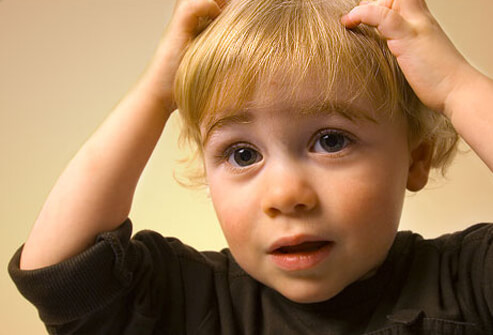
    Head lice, though common, still make most parents, teachers, and health-care workers uneasy. The good news is that head lice usually do not cause any serious disease and can be treated fairly easily.

    What Are Head Lice?

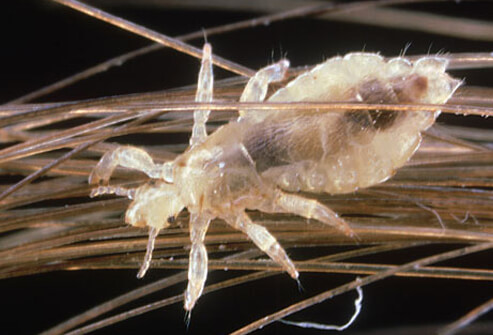
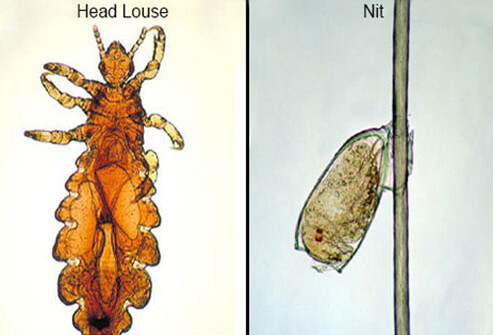
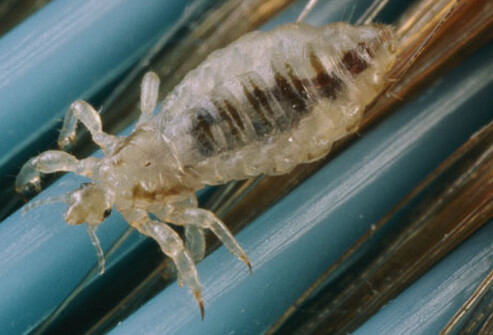
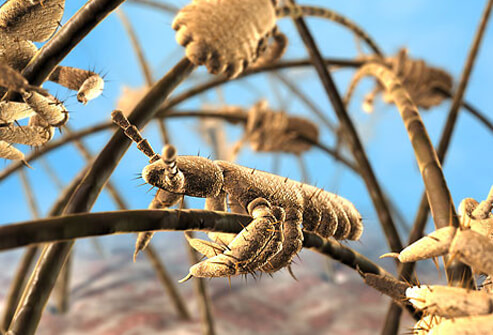
    The common head louse is an insect which attaches itself to the scalp and feeds off of human blood. A louse is tiny and mobile and can be hard to spot, especially in individuals with thick hair. Lice lay eggs on the shafts of hair, and often it is these small white "nits" that are the first indication of an infestation.

    Who Gets Head Lice?

    Young school-aged children and their caregivers are at highest risk for developing head lice. Sharing of hats, hair brushes, and other hair-related items are often integral to spreading the infestation.

    How Do Head Lice Spread?

    Lice spread through direct contact. They cannot jump or fly and therefore depend upon direct or indirect "head to head" contact. Lice can survive for short periods on clothing, hats, and hairbrushes, so these are often involved in the spread of infestations.

    Spotting Head Lice

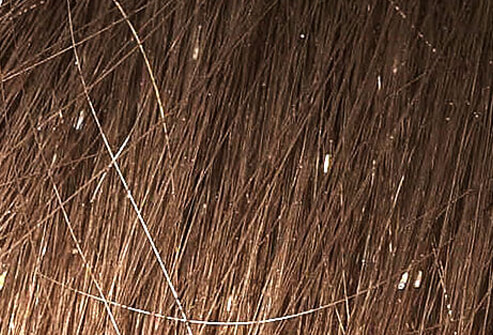
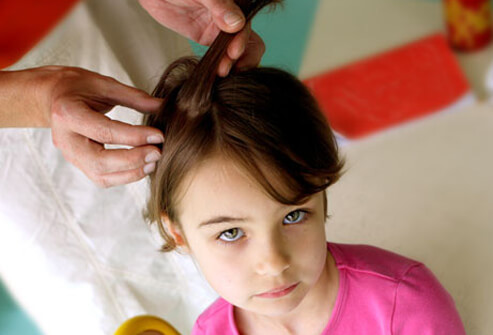
    Lice and their eggs (nits) are visible to the naked eye. They can be variable in color, depending on how recently they have fed. Most frequently it is the nits which are seen, since they are static, round, and white and attached to the hair strands close to the scalp.

    Head Lice Symptoms

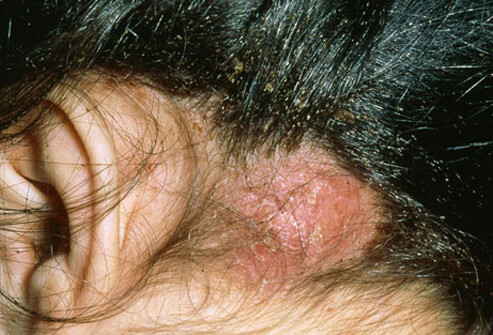
    Although itching may be a sign of a lice infestation, most often individuals are asymptomatic. Keep in mind that although the only reliable sign of an infestation is the presence of a live louse or nymph (juvenile louse), the presence of nits may be a sign that there is or has been an active infestation. Some people develop an allergic response to the lice, and it is not uncommon to see evidence of inflammation on the neck or scalp.

    Head Lice Allergies

    For individuals who develop an allergic reaction to the lice, there is a risk for developing a bacterial infection due to skin breakdown and over-scratching. In these cases, antibiotics may be required to treat the skin infection. It's important to call the doctor if there is increased swelling, redness, and pain.

    If You Think You Have Head Lice

    A true head lice infestation needs to be treated. If live lice are detected at any stage, notify a health-care professional and ask for advice about treatment options. Remember to also check the rest of the household contacts, because it is rare to find a single case of lice, given the ease of transmission.

    Removing Lice From Hair

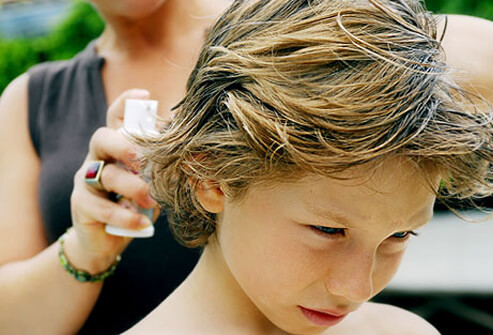
    Most topical lice treatments are available without a prescription; however, since some of the ingredients may not be recommended for small children, always discuss the options with a health-care professional. Generally, the topical shampoos have little effect on the nits, so these should be removed manually using a fine-toothed comb. Often, more than one application is needed to ensure complete eradication.

    Removing Lice From the Home

    Try to wash all bedding and clothing possibly exposed to head lice. Though lice cannot survive long without feeding, it serves as another level of security that the lice have been eradicated. Though it is unnecessary to clean and bag all stuffed animals, it is probably wise to focus on the "favorite" bedtime companion.

    Head Lice Home Remedies

    There are a number of nonmedical remedies that have been used over the ages to treat lice infestations. Although there is little evidence that these are effective, many pediatricians recognize that there is no harm in trying them out. These include using barrier remedies, such as oil or mayonnaise, and vinegar. The mainstay of treatment remains those permethrin- or pyrethrin-based medical therapies such as Nix or Rid. Always discuss treatment options with a health-care professional.

    Fine-Toothed Combs

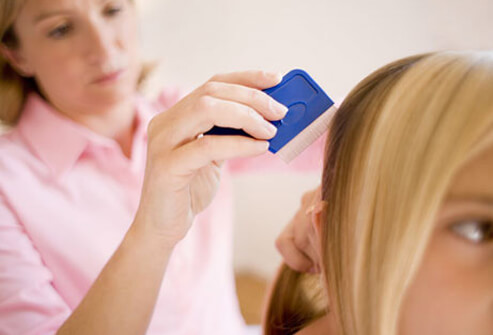
    Besides the shampoo treatments, using a fine-toothed comb is also recommended. This will remove nits and casings left behind. It is often a long, tedious process, but it will pay off in the end.

    Head Lice Myths

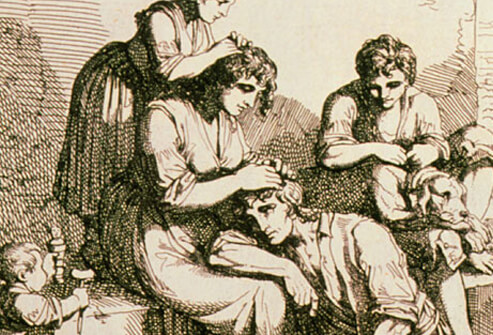
    All children are at risk for head lice. It has nothing to do with one's hygiene, income, or other issues. Head lice have been around for thousands of years, and evidence of infestations have been found in ancient Egyptian tombs. As long as we remain social beings, head lice will continue to be around.

    Head Lice and School

    Head lice should not be considered a health hazard and do not spread disease. Therefore the American Academy of Pediatrics recommends that all healthy children with head lice should not be excluded from school. This flies in the face of many local school policies which exclude children from classes unless all nits have been removed.

    Protecting Against Head Lice

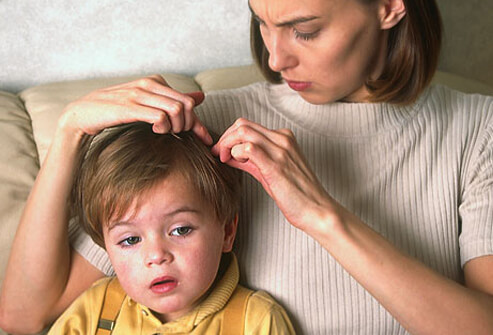
    Unfortunately, it is next to impossible to prevent all head lice infestations. Children tend to have significant opportunities for head-to-head contact. It is wise to remind children to avoid the sharing of hats, combs, and brushes and plan on checking the child's scalp regularly. The earlier the diagnosis, the easier the treatment.

    0 comment
    0
    Facebook Twitter Google + Pinterest
    explainingmedicine

    previous post
    Baby Food & Nutrition: What to Feed Your Baby in Year 1
    next post
    Parenting: Parents’ Guide to Soothing Your Crying Baby

    Related Articles

    Worst Meals in Restaurants: See What They Are

    October 14, 2016

    High-Fiber Foods: Benefits For Your Heart, Weight, and Energy

    October 14, 2016

    Drug Abuse: Commonly Abused Prescription and OTC Drugs

    October 14, 2016

    10 Worst Cities for Spring Allergies: Is Your City a Spring Allergy Capital?

    October 14, 2016

    Hyperthyroidism: Keep Your Thyroid in Check

    October 14, 2016

    Balance Disorders: Vertigo, Migraines, Motion Sickness and More

    October 14, 2016

    Skin and Beauty: Top 10 Foods for Healthy Hair

    October 14, 2016

    Diabetic Peripheral Neuropathy: Exercises to Improve Diabetes Nerve Pain

    October 14, 2016

    Weight Loss: 10 Ways to Boost Your Metabolism

    October 15, 2016

    Diabetes: Travel Tips for Better Diabetes Control

    October 14, 2016

    Recent Posts

    • Flu shot recommendation for kids dropped just as the illness rages

      January 12, 2026
    • The CDC just sidelined these childhood vaccines. Here’s what they prevent

      January 9, 2026
    • Your next primary care doctor could be online only, accessed through an AI tool

      January 9, 2026
    • In Lodge Grass, Montana, a Crow community works to rebuild from meth’s destruction

      January 8, 2026
    • RFK Jr.’s new dietary guidelines go all in on meat and dairy

      January 7, 2026

    Keep in touch

    Facebook Twitter Google + RSS

    Recent Posts

    • Flu shot recommendation for kids dropped just as the illness rages

      January 12, 2026
    • The CDC just sidelined these childhood vaccines. Here’s what they prevent

      January 9, 2026
    • Your next primary care doctor could be online only, accessed through an AI tool

      January 9, 2026
    • In Lodge Grass, Montana, a Crow community works to rebuild from meth’s destruction

      January 8, 2026
    • RFK Jr.’s new dietary guidelines go all in on meat and dairy

      January 7, 2026
    • Terms of Service
    • Privacy Policy

    @2026 - Explaining Medicine. All Right Reserved.


    Back To Top
    Explaining Medicine
    Proudly powered by WordPress Theme: soledad child.