Explaining Medicine
  • News
  • Health & Lifestyle
    • Diet & Weight Management
    • Exercise & Fitness
    • Nutrition, Food & Recipes
    • Prevention & Wellness
  • Conditions
    • Custom1
      • Conditions A-Z
      • Procedures A-Z
      • Allergies
      • Alzheimer’s
      • Arthritis
      • Asthma
      • Blood Pressure
      • Cholesterol
      • Cancer
    • Custom2
      • Chronic Pain
      • Cold Flu
      • Depression
      • Diabetes
      • Digestion
      • Eyesight
      • Health Living
      • Healthy Kids
      • Hearing Ear
    • Custom3
      • Heart
      • HIV/AIDS
      • Infectious Disease
      • Lung Conditions
      • Menopause
      • Men’s Health
      • Mental Health
      • Migraine
      • Neurology
    • Custom4
      • Oral Health
      • Pregnancy
      • Senior Health
      • Sexual Health
      • Skin Problems
      • Sleep
      • Thyroid
      • Travel Health
      • Women’s Health
  • Medications
    • Medications
    • Supplements and Vitamins
  • Medical Dictionary
  • Health Alerts
Flu shot recommendation for kids dropped just as...
The CDC just sidelined these childhood vaccines. Here’s...
Your next primary care doctor could be online...
In Lodge Grass, Montana, a Crow community works...
RFK Jr.’s new dietary guidelines go all in...
More seniors are becoming homeless. Shelters are trying...
Health officials slash the number of vaccines recommended...
Wegovy obesity pill now available at pharmacies
In the U.S., hunger is often hidden. But...
One doctor’s experience shows the battle for the...
Top Posts

Explaining Medicine

  • News
  • Health & Lifestyle
    • Diet & Weight Management
    • Exercise & Fitness
    • Nutrition, Food & Recipes
    • Prevention & Wellness
  • Conditions
    • Custom1
      • Conditions A-Z
      • Procedures A-Z
      • Allergies
      • Alzheimer’s
      • Arthritis
      • Asthma
      • Blood Pressure
      • Cholesterol
      • Cancer
    • Custom2
      • Chronic Pain
      • Cold Flu
      • Depression
      • Diabetes
      • Digestion
      • Eyesight
      • Health Living
      • Healthy Kids
      • Hearing Ear
    • Custom3
      • Heart
      • HIV/AIDS
      • Infectious Disease
      • Lung Conditions
      • Menopause
      • Men’s Health
      • Mental Health
      • Migraine
      • Neurology
    • Custom4
      • Oral Health
      • Pregnancy
      • Senior Health
      • Sexual Health
      • Skin Problems
      • Sleep
      • Thyroid
      • Travel Health
      • Women’s Health
  • Medications
    • Medications
    • Supplements and Vitamins
  • Medical Dictionary
  • Health Alerts
  • Slideshows

    Heart-Healthy Foods: 25 Foods to Protect Your Heart

    by explainingmedicine October 14, 2016

    Introduction

    Your body is a finely tuned machine, and to keep it running in top form you need the proper fuel so your heart stays healthy. With help from the American Heart Association, here is a list of 25 of the best foods to protect your heart and blood vessels, along with menu suggestions to incorporate these items into your daily meals.
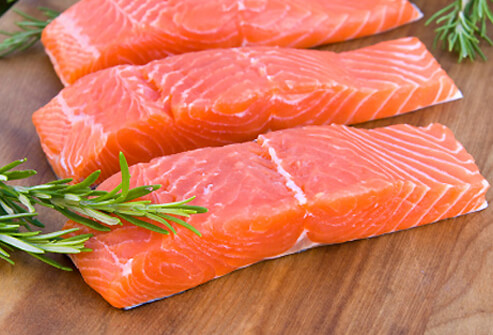
    1. Salmon

    Salmon is chock full of omega-3 fatty acids, which can decrease the risk of abnormal heartbeats (arrhythmias), lower triglyceride levels, and slow the growth of plaque in the arteries, and slightly lower blood pressure. The American Heart Association recommends eating omega-3 foods including salmon twice a week.

    Salmon is a versatile food. Grill it with a rub or marinade, chop some and add to a pasta dish with fat free marinara sauce, or add to salads.

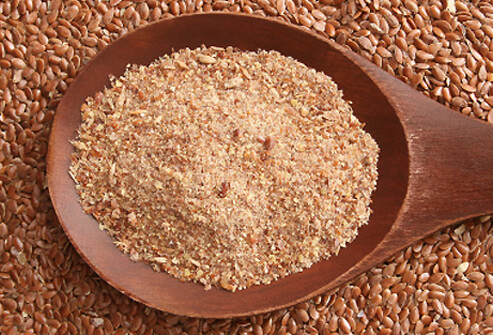
    2. Flaxseed (ground)

    Ground flaxseed also has omega-3's, along with both soluble and insoluble fiber, and lignans, which have both plant estrogen and antioxidant qualities.

    Ground flaxseed is easy to incorporate into your diet and can be mixed into just about anything you normally eat. Sprinkle it on your breakfast cereal, on top of low fat yogurt, mix into muffins, or combine into your smoothies.

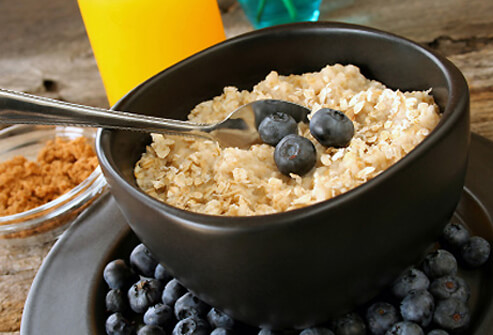
    3. Oatmeal

    Oatmeal is a tasty breakfast food, and another good source of those omega-3 fatty acids and fiber. It's also full of nutrients including magnesium, potassium, folate, niacin, and calcium.

    Oatmeal is a filling breakfast, and you can top it with fresh berries for an even more heart-healthy meal. You can also make fat free oatmeal cookies, oat bread, or mix it into a turkey burger meatloaf.

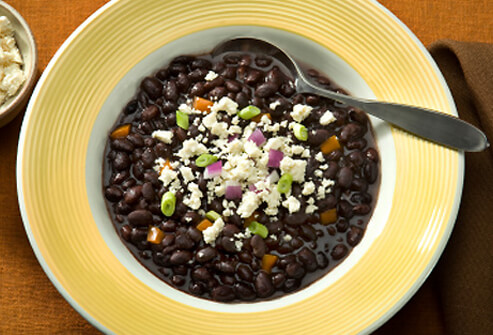
    4. Black or Kidney Beans

    You know the kids' chant: Beans, beans, good for your heart. It's true! Beans have lots of soluble fiber, B-complex vitamins, niacin, folate, magnesium, calcium, and you guessed it, omega-3 fatty acids.

    Beans are so versatile. You can make them in soups, stews, or salads, or make a meal out of them. Many Indian style recipes use beans as the main ingredient.

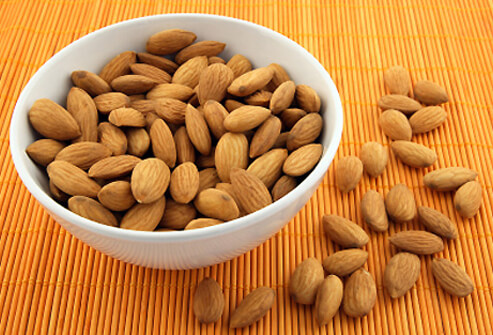
    5. Almonds

    Almonds are a great heart-healthy snack that contain plant omega-3 fatty acids, vitamin E, magnesium, fiber, heart-favorable mono- and polyunsaturated fats, and phytosterols.

    Almonds are easy to eat – you can top your yogurt or salad with almond slivers, or snack on a healthy trail mix. You can also try them in cooking and sprinkle them on a rice or quinoa dish, or atop some salmon for a nice crunch. Just be sure the almonds are raw or dry roasted, rather than roasted in oil, and keep portion sizes in mind. Though they are heart-healthy they are also high in fat and calories and should be eaten in moderation.

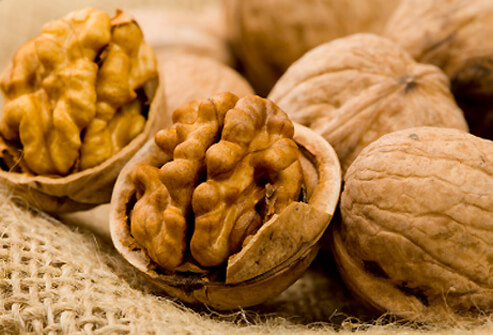
    6. Walnuts

    Like almonds, walnuts contain plant omega-3 fatty acids, vitamin E, magnesium, folate, fiber, heart-favorable mono- and polyunsaturated fats, and phytosterols.

    Also like almonds, walnuts are a tasty addition to salads, and are also great additions to muffins or breakfast pancakes. Again, keep walnut portion sizes in mind. Though they are heart-healthy they are also high in fat and calories and should be eaten in moderation.

    7. Red Wine

    Red wine contains types of flavonoids called catechins and resveratrol. Flavonoids can help maintain the health of your blood vessels, and may keep blood clots from forming.

    Have a glass of wine with dinner, or make a wine spritzer – mix wine with sparking water – to cut calories while still getting the benefits. However, the American Heart Association does not recommend people start drinking simply to prevent heart disease. Drinking alcohol carries a risk of alcoholism, and can lead to high blood pressure, obesity, stroke, breast cancer, suicide, and accidents. Enjoy red wine in moderation.

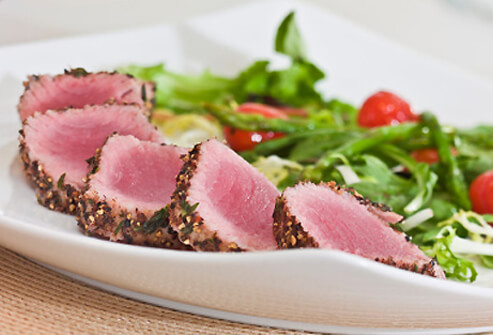
    8. Tuna

    Like salmon, tuna is a fish that is a good source of omega-3 fatty acids, and it also contains folate and niacin.

    Tuna salad (light on the mayo) is an easy lunch snack that will keep you full. Tuna also makes a great salad topping, and can also be grilled for a tasty dinner.

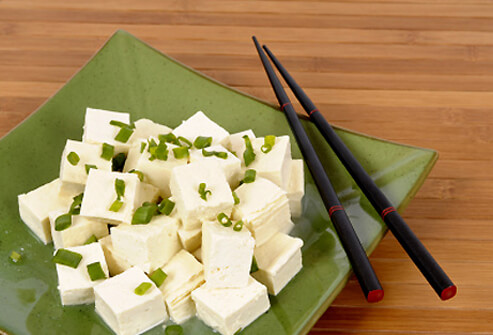
    9. Tofu

    Tofu is a great source of protein, it's vegetarian, and it's full of heart-healthy nutrients including niacin, folate, calcium, magnesium, and potassium.

    Tofu is easy to prepare and can be part of almost any meal. Thinly slice the "firm" variety of tofu, marinate for several hours and grill or add to your favorite veggie stir-fry. Make a tofu, lettuce, and tomato sandwich on whole grain bread, use instead of meats in pasta dishes, and add in slices or cubes to salads for added protein.

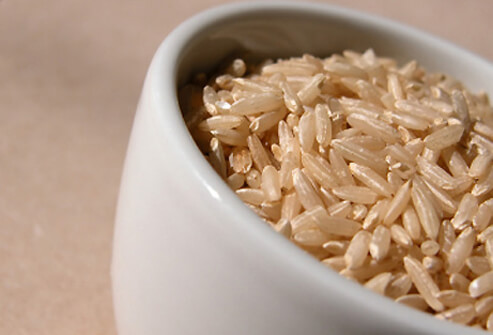
    10. Brown Rice

    Brown rice is not only tasty, it's heart healthy with B-complex vitamins, fiber, niacin, magnesium, and fiber.

    You can add brown rice to just about any dish and you can't go wrong. Microwaveable brown rice with a few chopped veggies makes an easy and quick lunch. Mix it with some black beans or tofu, make a stir-fry, add to soups, or even serve cold in a salad.

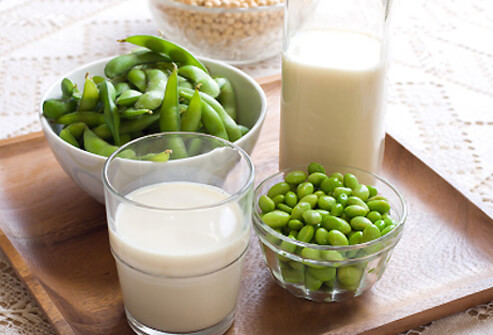
    11. Soy Milk

    Soy milk contains isoflavones (a flavonoid), B-complex vitamins, niacin, folate, calcium, magnesium, potassium, and phytoestrogens. The protein found in soy milk, versus the protein found in animal milks, can help lower blood cholesterol levels and may provide other cardiovascular benefits.

    Use soy milk in your whole grain breakfast cereal or blend in a smoothie, or replace the dairy milk in any recipe with soy milk.

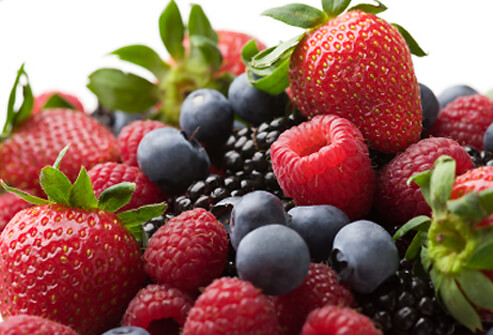
    12. Blueberries

    Berries are good for your heart and the rest of your body. Berries are packed with nutrients including beta-carotene and lutein (carotenoids), anthocyanin (a flavonoid), ellagic acid (a polyphenol), vitamin C, folate, calcium, magnesium, potassium, and fiber.

    Berries are easy to eat as a healthy snack by themselves, or top your cereal or pancakes, blend into a smoothie, top your low fat yogurt, or have some on a salad.

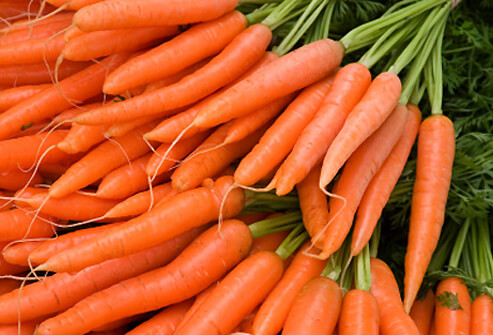
    13. Carrots

    Carrots are a good source of alpha-carotene (a carotenoid) and fiber.

    Baby carrots make a great snack. Chopped they add crunch to salads, and you can even sneak shredded carrots into many recipes including tomato sauce, muffins, or soups.

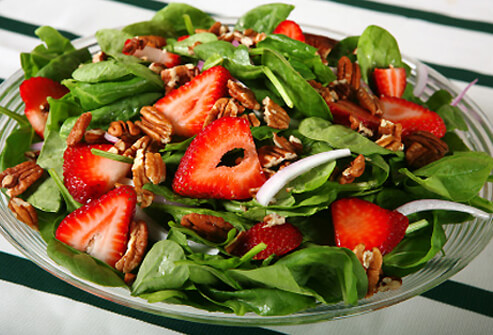
    14. Spinach

    Spinach packs a heart-healthy punch with beta-carotene (a carotenoid), vitamins C and E, potassium, folate, calcium, and fiber.

    Spinach makes a great base for salads and can be used on sandwiches in lieu of lettuce. You can also sneak some into a fruit smoothie, add it to your pizza, or mix into an egg white omelet.

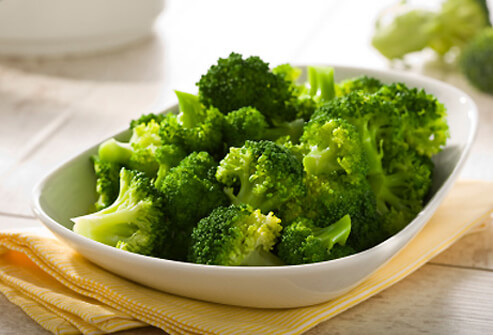
    15. Broccoli

    Broccoli is a powerhouse vegetable with beta-carotene (a carotenoid), vitamins C and E, potassium, folate, calcium, and fiber.

    Broccoli tastes great added to soups, mixed in with veggie dips, added to salads, or mixed with a brown rice dish.

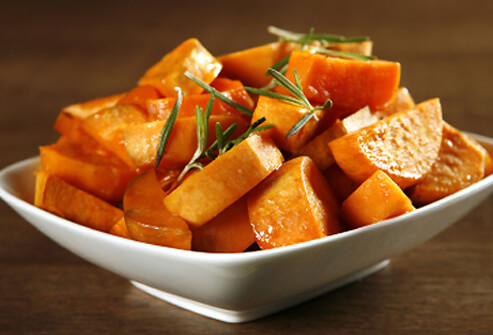
    16. Sweet Potato

    Sweet potatoes are an excellent source of vitamin A (as beta-carotene, a carotenoid), as well as vitamins C and E, potassium, folate, calcium, and fiber. Sweet potatoes are not the same as yams. Yams are healthy, but sweet potatoes pack more nutrients and fiber.

    You can prepare a sweet potato almost any way you want and it will be tasty! Bake a whole potato and top with veggies, cut into slices and bake until crisp for healthy fries, use a food processor and puree sweet potato for a creamy-tasting soup, or mash for a side dish.

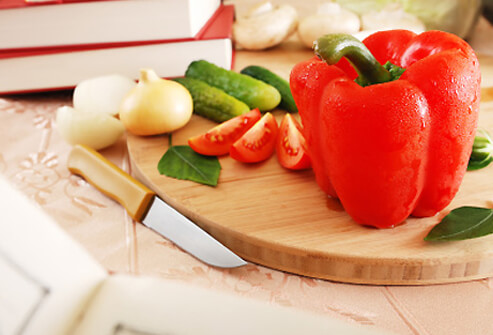
    17. Red Bell Peppers

    Red bell peppers are tangy, crunchy, and full of heart-healthy beta-carotene and lutein (carotenoids), B-complex vitamins, folate, potassium, and fiber.

    They are delicious in salads and wraps, or cut into slices to snack on raw. Grill or roast for a hearty side dish, or add to sauces or main dishes for extra flavor.

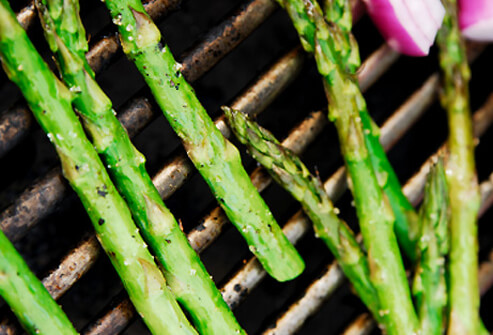
    18. Asparagus

    Asparagus is a healthy veggie that contains beta-carotene and lutein (carotenoids), B-complex vitamins, folate, and fiber.

    Asparagus makes an excellent heart-healthy side dish. Grill or steam lightly and sprinkle with some balsamic vinaigrette. Add to salads, stews, or casseroles.

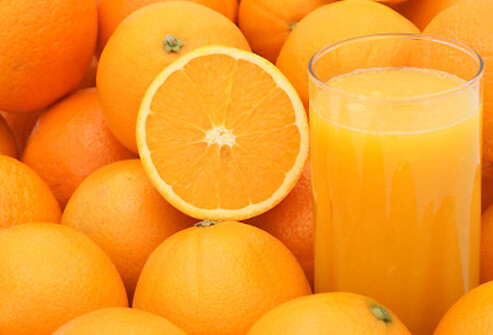
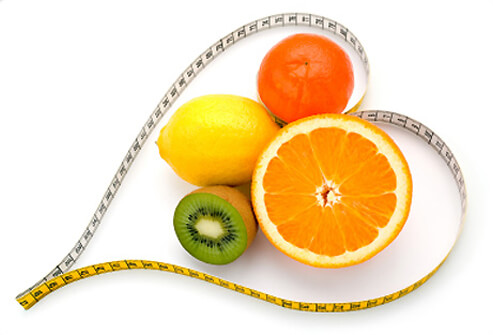
    19. Oranges

    Oranges are a perfect totable snack, juicy and filled with nutrients such as beta-cryptoxanthin, beta- and alpha-carotene, lutein (carotenoids) and flavones (flavonoids), vitamin C, potassium, folate, and fiber.

    The whole fruit is best, and tasty to eat on its own. You can also add orange slices to salads, yogurt, or even chicken dishes. Orange juice can also offer some of the same benefits, but per serving you are best off with the fruit.

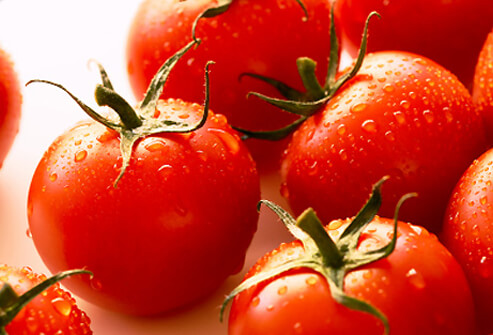
    20. Tomatoes

    Tomatoes are a versatile heart-healthy food with beta- and alpha-carotene, lycopene, lutein (carotenoids), vitamin C, potassium, folate, and fiber.

    Raw, tomatoes can be added to sandwiches or salads. Cooked, they make great sauces, and are perfect additions to pasta dishes.

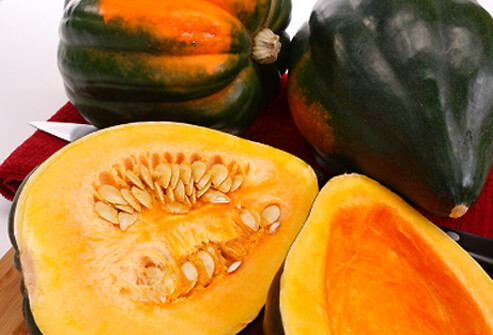
    21. Acorn Squash

    Acorn squash is another heart-healthy food with beta-carotene and lutein (carotenoids), B-complex and C vitamins, folate, calcium, magnesium, potassium, and fiber.

    Baked acorn squash is a great winter food. Cut, scrape out the seeds, fill with brown rice and veggies and roast.

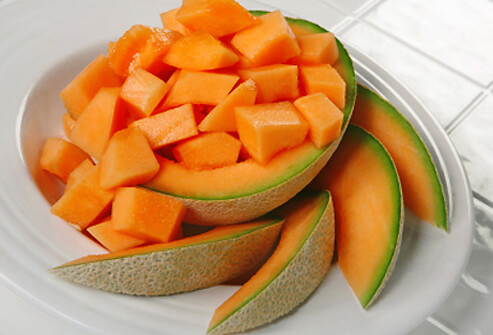
    22. Cantaloupe

    Cantaloupe is a summertime favorite that also contains heart-healthy nutrients such as alpha- and beta-carotene and lutein (carotenoids), B-complex and C vitamins, folate, potassium, and fiber.

    You can enjoy cantaloupe any time of day – just cut and eat! Also try some blended into a smoothie, or mix with other fruits for a fresh fruit salad.

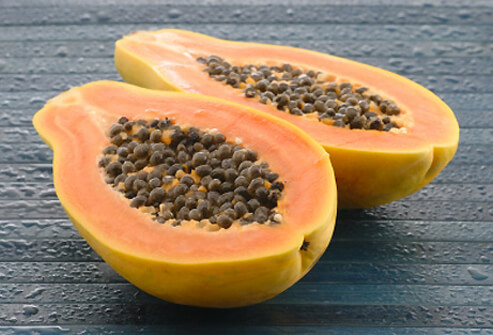
    23. Papaya

    Papaya contains beta-carotene, beta-cryptoxanthin, lutein (carotenoids), Vitamins C and E, folate, calcium, magnesium, and potassium.

    Papaya goes great with heart-healthy salmon. It's also great in a smoothie, fruit salad, frozen into a popsicle, added to salsa, or even grilled.

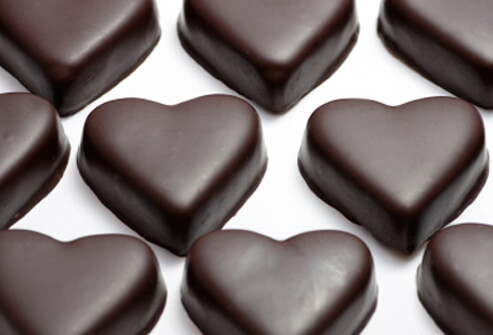
    24. Dark Chocolate

    Good news! Chocolate contains heart-healthy resveratrol and cocoa phenols (flavonoids), which can lower blood pressure.

    Stick to dark chocolate with 70% or higher cocoa content to reap the benefits, and remember moderation is key because chocolate is high in calories, fat, and sugar. Only one serving is needed.

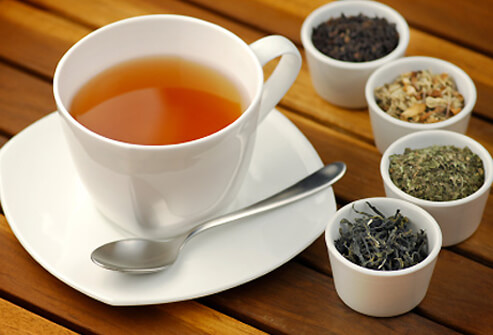
    25. Tea

    Tea contains catechins and flavonols (flavonoids), like red wine, which can help maintain the health of your blood vessels, and may keep blood clots from forming. Green tea in particular has been touted for its antioxidant properties.

    Enjoy tea hot or cold. Try adding some lemon. To get more antioxidants from the tea, brew with hotter water, and steep for at least three to five minutes. Avoid sugar or cream as these add unnecessary calories and fat.

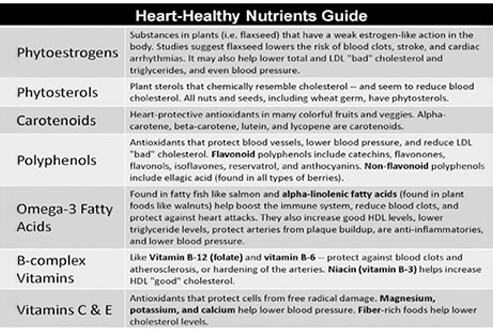
    Your Guide to Nutrients in Heart-Healthy Foods

    Use this chart as your guide to the heart-healthy nutrients listed in this slideshow.

    0 comment
    0
    Facebook Twitter Google + Pinterest
    explainingmedicine

    previous post
    Healthy Eating: 12 Reasons to Love the Mediterranean Diet
    next post
    Parenting: Healthy Eating Tips for Kids

    Related Articles

    Juice Wars: The Best and Worst for Your Health

    October 14, 2016

    Oral Health: 10 Fun Facts About Your Tongue

    October 15, 2016

    Diabetes & Exercise: Weight Training for Diabetes and Blood Sugar Control

    October 14, 2016

    Schizophrenia: A Visual Guide to Schizophrenia

    October 14, 2016

    Cosmetic Surgery: Before and After Pictures

    October 14, 2016

    Parenting: Healthy Eating Tips for Kids

    October 14, 2016

    Cholesterol Drugs: When Diet and Exercise Are Not Enough

    October 14, 2016

    Healthy Eating: 12 Reasons to Love the Mediterranean Diet

    October 14, 2016

    Headaches & Migraines: Surprising Headache & Migraine Triggers

    October 14, 2016

    Chronic Pain: Causes, Solutions and Management

    October 14, 2016

    Recent Posts

    • Flu shot recommendation for kids dropped just as the illness rages

      January 12, 2026
    • The CDC just sidelined these childhood vaccines. Here’s what they prevent

      January 9, 2026
    • Your next primary care doctor could be online only, accessed through an AI tool

      January 9, 2026
    • In Lodge Grass, Montana, a Crow community works to rebuild from meth’s destruction

      January 8, 2026
    • RFK Jr.’s new dietary guidelines go all in on meat and dairy

      January 7, 2026

    Keep in touch

    Facebook Twitter Google + RSS

    Recent Posts

    • Flu shot recommendation for kids dropped just as the illness rages

      January 12, 2026
    • The CDC just sidelined these childhood vaccines. Here’s what they prevent

      January 9, 2026
    • Your next primary care doctor could be online only, accessed through an AI tool

      January 9, 2026
    • In Lodge Grass, Montana, a Crow community works to rebuild from meth’s destruction

      January 8, 2026
    • RFK Jr.’s new dietary guidelines go all in on meat and dairy

      January 7, 2026
    • Terms of Service
    • Privacy Policy

    @2026 - Explaining Medicine. All Right Reserved.


    Back To Top
    Explaining Medicine
    Proudly powered by WordPress Theme: soledad child.