Explaining Medicine
  • News
  • Health & Lifestyle
    • Diet & Weight Management
    • Exercise & Fitness
    • Nutrition, Food & Recipes
    • Prevention & Wellness
  • Conditions
    • Custom1
      • Conditions A-Z
      • Procedures A-Z
      • Allergies
      • Alzheimer’s
      • Arthritis
      • Asthma
      • Blood Pressure
      • Cholesterol
      • Cancer
    • Custom2
      • Chronic Pain
      • Cold Flu
      • Depression
      • Diabetes
      • Digestion
      • Eyesight
      • Health Living
      • Healthy Kids
      • Hearing Ear
    • Custom3
      • Heart
      • HIV/AIDS
      • Infectious Disease
      • Lung Conditions
      • Menopause
      • Men’s Health
      • Mental Health
      • Migraine
      • Neurology
    • Custom4
      • Oral Health
      • Pregnancy
      • Senior Health
      • Sexual Health
      • Skin Problems
      • Sleep
      • Thyroid
      • Travel Health
      • Women’s Health
  • Medications
    • Medications
    • Supplements and Vitamins
  • Medical Dictionary
  • Health Alerts
Flu shot recommendation for kids dropped just as...
The CDC just sidelined these childhood vaccines. Here’s...
Your next primary care doctor could be online...
In Lodge Grass, Montana, a Crow community works...
RFK Jr.’s new dietary guidelines go all in...
More seniors are becoming homeless. Shelters are trying...
Health officials slash the number of vaccines recommended...
Wegovy obesity pill now available at pharmacies
In the U.S., hunger is often hidden. But...
One doctor’s experience shows the battle for the...
Top Posts

Explaining Medicine

  • News
  • Health & Lifestyle
    • Diet & Weight Management
    • Exercise & Fitness
    • Nutrition, Food & Recipes
    • Prevention & Wellness
  • Conditions
    • Custom1
      • Conditions A-Z
      • Procedures A-Z
      • Allergies
      • Alzheimer’s
      • Arthritis
      • Asthma
      • Blood Pressure
      • Cholesterol
      • Cancer
    • Custom2
      • Chronic Pain
      • Cold Flu
      • Depression
      • Diabetes
      • Digestion
      • Eyesight
      • Health Living
      • Healthy Kids
      • Hearing Ear
    • Custom3
      • Heart
      • HIV/AIDS
      • Infectious Disease
      • Lung Conditions
      • Menopause
      • Men’s Health
      • Mental Health
      • Migraine
      • Neurology
    • Custom4
      • Oral Health
      • Pregnancy
      • Senior Health
      • Sexual Health
      • Skin Problems
      • Sleep
      • Thyroid
      • Travel Health
      • Women’s Health
  • Medications
    • Medications
    • Supplements and Vitamins
  • Medical Dictionary
  • Health Alerts
  • Slideshows

    Headaches & Migraines: Surprising Headache & Migraine Triggers

    by explainingmedicine October 14, 2016

    Your Boss

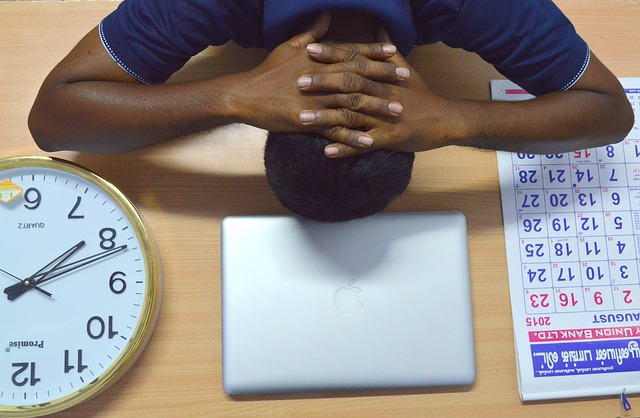
    Anything (or anyone) that boosts your stress level can make you more vulnerable to tension headaches or migraines. Doctors don’t know exactly how it happens. Many things may be involved, including certain nerves in the brain that relay pain messages and may be extra sensitive. Changes within the brain itself may also be involved in migraine headaches.


    Weather

    When the temperature changes, it can make a migraine more likely. Whether it's a heat wave or a cold snap, the change can trigger a headache. Sunny, hot days can do that, too. Rain or changes in barometric pressure also may lead to headaches. While you can't change the weather, you can wear sunglasses on a bright day, stay hydrated, and avoid midday sun.

    Strong Scents

    Strong smells, even nice ones, trigger migraines in many people. Why this happens is unclear. The most common offenders are paint, perfume, and certain types of flowers.

    Hair Accessories

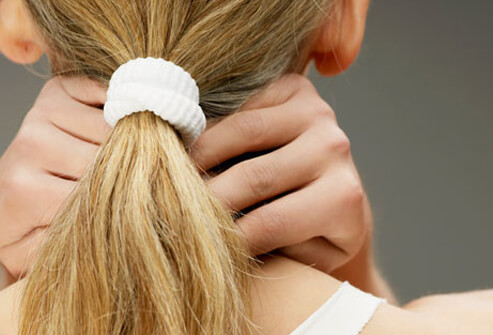
    Ouch! How you wear your hair can take a toll on your head. A too-tight ponytail may strain the connective tissue in the scalp, leading to a hairdo headache. Headbands, braids, and tight-fitting hats can do that, too. If this is the cause of your headache, you’ll usually get fast relief if you let your hair down.

    Exercise

    Strenuous activity can sometimes lead to headaches. Examples include jogger’s headache and even a sex headache. These types of headaches are most common in people who are likely to get migraines. Though rare, this type of headache can also be a sign of a very serious problem such as bleeding in the brain. Call 911 if you get a bad headache after doing something that’s physically hard.

    Poor Posture

    Slouching builds up pressure in the head and neck muscles. Do you hunch your shoulders, use a chair with no lower-back support, or stare at a monitor that is too low or too high? If you have frequent tension headaches, these simple lifestyle changes could help.

    Cheese

    A migraine trigger for some people is aged cheese, including blue cheese, cheddar, parmesan, and Swiss. The problem may be a substance called tyramine. The longer a food ages, the more tyramine it has.

    Red Wine

    Tyramine is also found in red wine and other alcoholic drinks. Other ingredients in wine can contribute to headaches as well. Because alcohol boosts blood flow to the brain, the effects may be even more intense. Try sipping sparkling water or another non-alcoholic drink.

    Cold Cuts

    Cold cuts and other processed meats often contain tyramine and food additives such as nitrites, which may trigger headaches in some people. If you think this could be a trigger for you, try taking these foods out of your diet for a while to see if it makes a difference.

    Skipping Meals

    Hunger headaches aren’t always obvious. If you don’t eat, your head could start to ache before you realize you’re hungry. The trouble is likely a dip in blood sugar. But don’t try to cure a hunger headache with a candy bar. Sweets cause blood sugar to spike and then drop even lower.

    Smoking

    Smoking is known to trigger headaches, and not just in the person holding the cigarette. Secondhand smoke contains nicotine, which causes blood vessels in the brain to narrow. Giving up cigarettes or staying away from secondhand smoke helps a lot if you get cluster headaches. These are extremely painful, one-sided headaches that can also cause eye and nose symptoms.

    Caffeine

    If you get a lot of headaches, too much caffeine may be why. In moderation, caffeine often helps. In fact, it’s found in many headache medications. But chain-chugging coffee or sodas can cause headaches. If you want to stop caffeine, ease off gradually. Quitting suddenly can make things worse: Caffeine withdrawal is another headache trigger.

    Identify Triggers

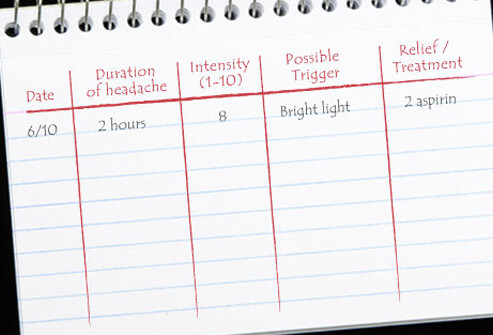
    By doing this you may be able to stop headaches before they start. The best strategy is to keep a headache diary. Every day, note the foods you eat, stressful events, weather changes, and physical activity. Whenever you have a headache, jot down the time it starts and stops. This will help you find patterns so you can avoid your triggers.

    Manage Stress

    Many people find that they’re more prepared to manage migraines or tension headaches by taming stress. You can’t control everything, but you can change how you respond to the things that concern you. Look into classes or read a book on stress management, meditation, or massage. Anything healthy that helps you relax, problem-solve, and recharge is worth a try.

    Stretch Your Legs

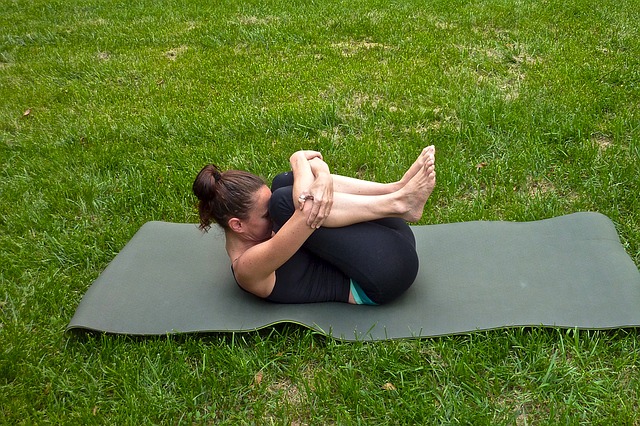
    Exercise is a powerful stress reliever. You can do anything you like. Walking is a great choice. When you walk, the swinging motion of your arms tends to relax the muscles in your neck and shoulders. Breaking up those knots gets at the root of some headaches.

    Eat Regular Meals

    No more hunger headaches! Eating good-for-you meals throughout the day (with smaller portions, so you don’t eat too much) will keep your blood sugar on an even keel. Try to pair a protein with a complex carbohydrate, such as peanut butter on whole-grain bread or a chicken breast with brown rice. Also, sip enough fluids, since dehydration can also give you a headache.

    Physical Therapy

    This combines exercise and education to reduce pain and improve range of motion. If you get tension headaches, physical therapy may help relax your neck muscles and teach you to form new habits that lead to better posture.

    Medicine's Role

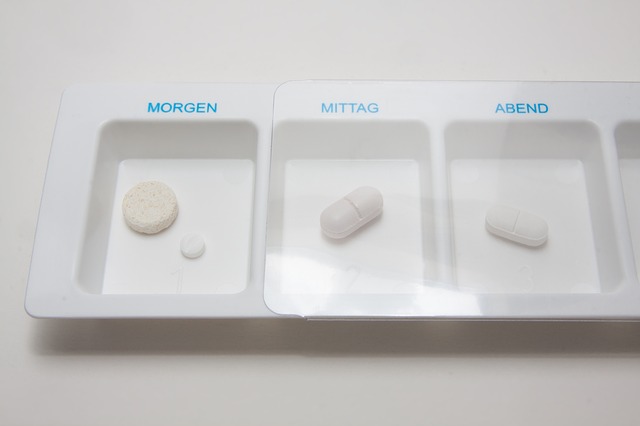
    Over-the counter pain relievers such as acetaminophen, aspirin, ibuprofen, and naproxen are effective against many types of headaches. But using these medicines daily, or nearly every day, can result in medication overuse headaches or rebound headaches -- headache pain that returns as soon as the pills have worn off. For frequent or severe headaches, ask your doctor what would help.

    When to See a Doctor

    If you get a new headache that is unusually severe or lasts longer than usual, see a doctor. Tell her if your headache pattern changes, such as if they happen more often or if you have new triggers. Call 911 if you have a severe, sudden headache (out of the blue or after an accident or head injury), or if you also have vision changes, trouble talking, movement problems, confusion, seizure, a fever, or a stiff neck.

    0 comment
    0
    Facebook Twitter Google + Pinterest
    explainingmedicine

    previous post
    Phobias: What Are You Afraid Of?
    next post
    Organ Donations Spike In The Wake Of The Opioid Epidemic

    Related Articles

    Children’s Health: Childhood Illnesses Every Parent Should Know

    October 14, 2016

    First Aid: Wound Care True or False

    October 14, 2016

    Organic Foods: Top Picks

    October 14, 2016

    Cancer Prevention: Top Cancer-Fighting Foods

    October 14, 2016

    Insomnia: 20 Tips for Better Sleep

    October 14, 2016

    Muscle Cramps and Muscle Spasms: Symptoms, Causes, and Treatments

    October 15, 2016

    Dehydration: Causes, Symptoms and Tips to Stay Hydrated

    October 14, 2016

    Dental Health: The Truth About Teeth Whitening Fads

    October 14, 2016

    Parenting: How to Keep Your Family Active

    October 14, 2016

    Sexual Health: Men – Tips to Unzip Your Sex Life and Make it Great

    October 14, 2016

    Recent Posts

    • Flu shot recommendation for kids dropped just as the illness rages

      January 12, 2026
    • The CDC just sidelined these childhood vaccines. Here’s what they prevent

      January 9, 2026
    • Your next primary care doctor could be online only, accessed through an AI tool

      January 9, 2026
    • In Lodge Grass, Montana, a Crow community works to rebuild from meth’s destruction

      January 8, 2026
    • RFK Jr.’s new dietary guidelines go all in on meat and dairy

      January 7, 2026

    Keep in touch

    Facebook Twitter Google + RSS

    Recent Posts

    • Flu shot recommendation for kids dropped just as the illness rages

      January 12, 2026
    • The CDC just sidelined these childhood vaccines. Here’s what they prevent

      January 9, 2026
    • Your next primary care doctor could be online only, accessed through an AI tool

      January 9, 2026
    • In Lodge Grass, Montana, a Crow community works to rebuild from meth’s destruction

      January 8, 2026
    • RFK Jr.’s new dietary guidelines go all in on meat and dairy

      January 7, 2026
    • Terms of Service
    • Privacy Policy

    @2026 - Explaining Medicine. All Right Reserved.


    Back To Top
    Explaining Medicine
    Proudly powered by WordPress Theme: soledad child.