Explaining Medicine
  • News
  • Health & Lifestyle
    • Diet & Weight Management
    • Exercise & Fitness
    • Nutrition, Food & Recipes
    • Prevention & Wellness
  • Conditions
    • Custom1
      • Conditions A-Z
      • Procedures A-Z
      • Allergies
      • Alzheimer’s
      • Arthritis
      • Asthma
      • Blood Pressure
      • Cholesterol
      • Cancer
    • Custom2
      • Chronic Pain
      • Cold Flu
      • Depression
      • Diabetes
      • Digestion
      • Eyesight
      • Health Living
      • Healthy Kids
      • Hearing Ear
    • Custom3
      • Heart
      • HIV/AIDS
      • Infectious Disease
      • Lung Conditions
      • Menopause
      • Men’s Health
      • Mental Health
      • Migraine
      • Neurology
    • Custom4
      • Oral Health
      • Pregnancy
      • Senior Health
      • Sexual Health
      • Skin Problems
      • Sleep
      • Thyroid
      • Travel Health
      • Women’s Health
  • Medications
    • Medications
    • Supplements and Vitamins
  • Medical Dictionary
  • Health Alerts
Flu shot recommendation for kids dropped just as...
The CDC just sidelined these childhood vaccines. Here’s...
Your next primary care doctor could be online...
In Lodge Grass, Montana, a Crow community works...
RFK Jr.’s new dietary guidelines go all in...
More seniors are becoming homeless. Shelters are trying...
Health officials slash the number of vaccines recommended...
Wegovy obesity pill now available at pharmacies
In the U.S., hunger is often hidden. But...
One doctor’s experience shows the battle for the...
Top Posts

Explaining Medicine

  • News
  • Health & Lifestyle
    • Diet & Weight Management
    • Exercise & Fitness
    • Nutrition, Food & Recipes
    • Prevention & Wellness
  • Conditions
    • Custom1
      • Conditions A-Z
      • Procedures A-Z
      • Allergies
      • Alzheimer’s
      • Arthritis
      • Asthma
      • Blood Pressure
      • Cholesterol
      • Cancer
    • Custom2
      • Chronic Pain
      • Cold Flu
      • Depression
      • Diabetes
      • Digestion
      • Eyesight
      • Health Living
      • Healthy Kids
      • Hearing Ear
    • Custom3
      • Heart
      • HIV/AIDS
      • Infectious Disease
      • Lung Conditions
      • Menopause
      • Men’s Health
      • Mental Health
      • Migraine
      • Neurology
    • Custom4
      • Oral Health
      • Pregnancy
      • Senior Health
      • Sexual Health
      • Skin Problems
      • Sleep
      • Thyroid
      • Travel Health
      • Women’s Health
  • Medications
    • Medications
    • Supplements and Vitamins
  • Medical Dictionary
  • Health Alerts
  • Slideshows

    Men’s Health: Embarrassing Male Body Problems

    by explainingmedicine October 14, 2016

    Back Hair

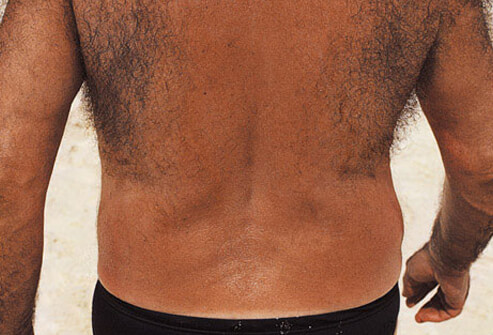
    Most men have hair on their backs, whether it's just a little, or a lot. For men who wish to have a hairless back, there are many options available. For temporary results, waxing, hair removal creams, or shaving can rid you of your back hair. For a more permanent solution, laser hair removal can either thin or remove back hair entirely.


    Beer Belly

    As men age they tend to gain weight, with much of it settling in the middle. Often referred to as a "beer belly," a widening waist, especially over 40 inches, can raise the risk of heart disease. However, proper diet and exercise can help reduce the waistline, and the risk for related health problems.

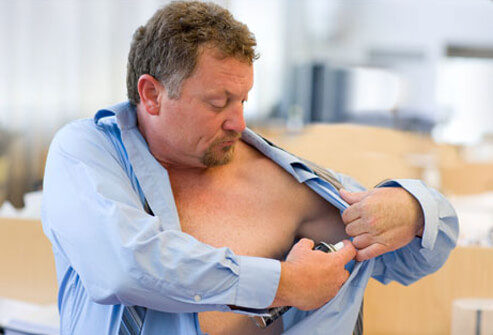
    Excessive Sweating

    Men sweat more than women, but some men sweat more overall. Excessive sweating, or hyperhidrosis, usually affects the areas we tend to sweat most: the armpits, palms of the hands, and soles of the feet. Consult your doctor if this is a problem for you; treatments may be available to help you stay dry.

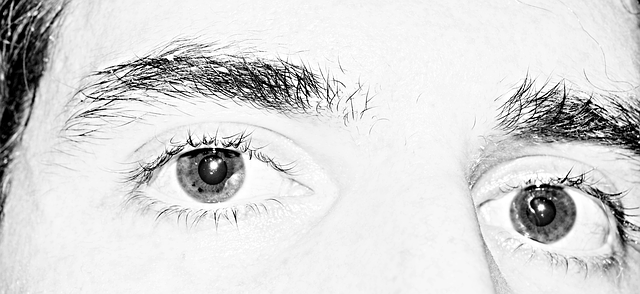
    Unibrow

    Testosterone, a male hormone, is what causes men to have more body hair than women. This can also cause what is referred to as "unibrow," or eyebrows so thick they meet in the center and appear to form one brow. Many men opt for electrolysis to ensure a permanent solution and two distinct brows. For a temporary fix, waxing done every four to six weeks can shape the brows.

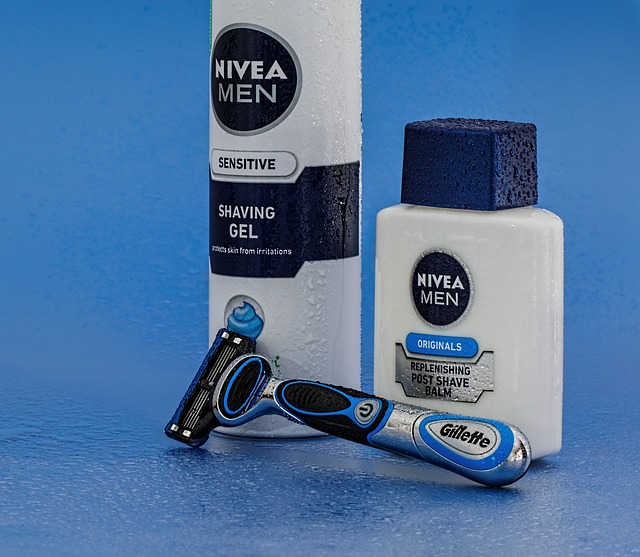
    Razor Bumps

    You shave to get smooth skin, but sometimes small red bumps may appear after shaving. Razor bumps, also called pseudofolliculitis barbae, form when hairs curl back into themselves and grow into the skin. You can prevent razor bumps by taking a hot shower before shaving to soften the hairs and open the pores, using thick shaving gel, not stretching the skin when shaving, shaving in the direction the beard grows, and holding a cold wet cloth against your face after shaving.

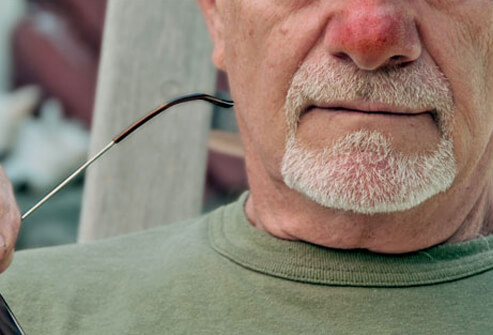
    Rosacea

    Rosacea is a skin condition that causes skin redness, bumps, and pimples. It may also cause skin thickening, especially around the nose, which may appear swollen and bulbous. It's diagnosed more often in women, but symptoms tend to be worse in men and people who drink alcohol. While there is no cure, there are treatments that can help control or relieve symptoms.

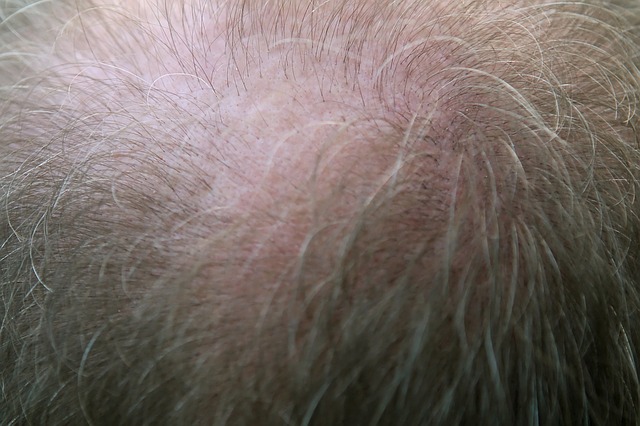
    Receding Hairline

    Male pattern baldness occurs in many men. Men start to notice their hair thinning and a receding hairline in their 30s, and by their 50s many men may be significantly bald. There are a number of ways to treat hair loss, including prescription medications and surgical hair restoration.

    Color Blindness

    Being colorblind means you do not see colors normally. This condition affects about 1 in 10 men, and most commonly there is an inability to distinguish red and green colors. There is no treatment for color blindness, however, there are special contact lenses and glasses that may help wearers identify colors more easily. It is a lifelong condition and most men learn to adjust without difficulty.

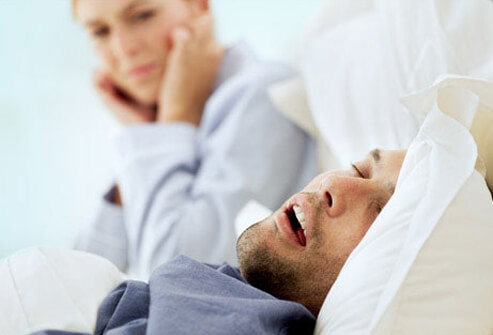
    Snoring

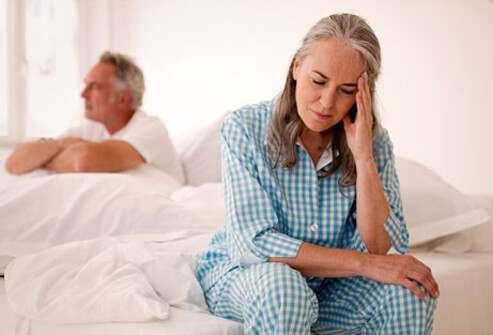
    Snoring affects about 44% of men, making it more common in men than in women. It can be affected by the position in which you sleep, medications you take, alcohol you have ingested, or underlying medical conditions. It also can be a sign of a serious sleep disorder called sleep apnea, in which the sufferer stops breathing for short periods during sleep. If snoring disrupts your sleep, consult your doctor to rule out any medical conditions.

    Belching

    Belching, or burping, is a bodily function usually caused by the body expelling excess air swallowed when eating. This is normal. However, if belching is frequent, accompanied by nausea, abdominal pain, or if belching does not relieve the discomfort, it may be a sign of a more serious digestive disorder. Consult your doctor.

    Gas

    Gas, also called flatulence or "farting," results from passing intestinal gas. While the sound and smell can cause us to be the "butt" of jokes, passing gas is common and harmless. Eating beans, fruits, vegetables, and other foods high in fiber can cause gas, as can drinking carbonated beverages such as beer and soda. If you are lactose intolerant, consuming dairy products may cause you to have more gas. If excessive gas is a concern for you, pay attention to foods that trigger more gas, and consult your doctor if symptoms do not resolve when you eliminate trigger foods.

    Body Odor

    Body odor comes from bacteria that thrive in a moist, warm environment. When we sweat, our skin becomes a breeding ground for bacteria and we may give off an unpleasant body odor. Stinky foods such as garlic and onions may also be culprits. Usually, a shower, clean clothes, and antiperspirants will rid you of body odor.

    Jock Itch

    Jock itch (tinea cruris) is a fungal infection with symptoms such as a red, itchy rash in the groin area and inner thighs. It often occurs after excessive sweating such as from hot weather or exercise. It can be treated with over-the-counter antifungal creams or gels. To prevent recurrence, treat athlete's foot at the same time if you have it, keep the area clean and dry, and wear loose-fitting clothing.

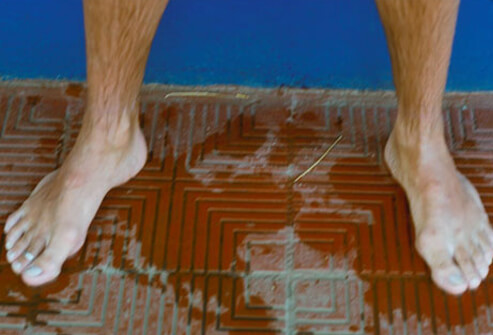
    Athlete's Foot

    Athlete's foot (tinea pedis) is a fungal infection that affects the feet and toes, causing itchy, red, cracked, tender, and scaly skin. Blisters also may form. It also can spread to the groin or inner thighs (jock itch). It is treated with topical antifungal creams, and in severe cases a doctor may prescribe oral medications. To prevent infections, keep the feet clean and dry, use athlete's foot powders, wear open shoes when possible, and use foot protection at the gym or in public showers.

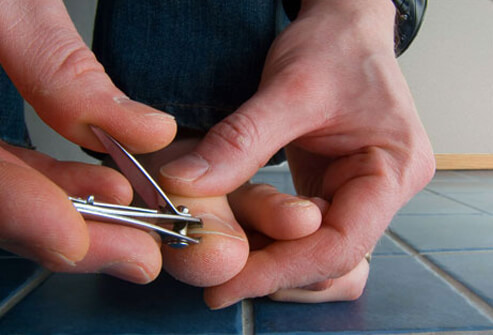
    Ingrown Nails

    An ingrown toenail happens when your nail grows into the skin around it. It most commonly affects the big toe, and symptoms include pain, redness, swelling, and infection. To prevent ingrown toenails, avoid cutting nails too short, use nail clippers specifically designed to cut toenails, and wear shoes that are not too tight.

    Bad Breath

    Bad breath, or halitosis, can be caused by smoking or eating strong-smelling foods, but most often it is caused by bacteria in the mouth. Proper dental hygiene including tooth brushing, flossing, and mouthwash can usually get rid of the offending odors. Several underlying medical conditions such as gum disease, dry mouth, acid reflux, sinusitis, or diabetes can cause bad breath. If your symptoms of bad breath persist even with proper oral care, contact your doctor or dentist.

    Sexual Dysfunction

    Male sexual dysfunction may make you feel embarrassed, but the truth is by age 40 nearly 40% of all men have experienced some kind of sexual dysfunction including decreased libido, premature ejaculation, or an inability to get or maintain an erection (erectile dysfunction, or ED). Often sexual dysfunction in men is related to an underlying condition, smoking, or medications you are taking. Talk to your doctor if you experience sexual problems to rule out diabetes, heart disease, neurologic conditions, or circulation problems.

    Hearing Loss

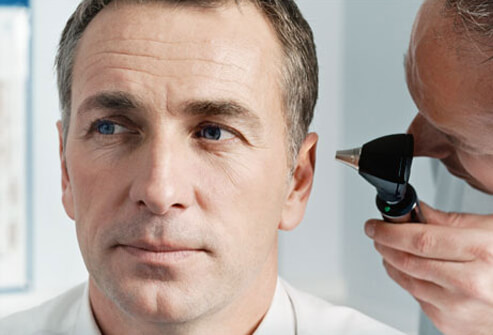
    Hearing loss is a common problem, especially as we age. Loud noises or continuous noise can affect hearing. It may affect your ability to hear high-pitched noises, or it can result in ringing or buzzing in the ears. To prevent some forms of hearing loss, wear earplugs or headphones to protect against loud noises on the job, keep your personal music player headphones at a low volume, and avoid loud noises when possible.

    Enlarged Prostate

    As men age, benign prostatic hyperplasia (BPH), or enlarged prostate, is a common problem. The prostate is a gland that surrounds the urethra, and when it is enlarged it can cause symptoms including the feeling of needing to urinate more often or more urgently, or frequent nighttime urination. Talk to your doctor about behavioral modifications or medications to help relieve symptoms of an enlarged prostate.

    0 comment
    0
    Facebook Twitter Google + Pinterest
    explainingmedicine

    previous post
    Exercise and Fitness: The Best Flat Abs Moves for Men
    next post
    Bipolar Disorder: Do You Have Extreme Mood Shifts?

    Related Articles

    Pet Health: Pet Treats Dos and Don’ts

    October 14, 2016

    Weight Loss: 10 Ways to Boost Your Metabolism

    October 15, 2016

    Pain Management: 10 Daily Habits to Reduce Chronic Pain

    October 14, 2016

    Diabetes: Diabetes Management in 10 Minutes or Less

    October 14, 2016

    Cancer Prevention: Top Cancer-Fighting Foods

    October 14, 2016

    Eczema: Atopic Dermatitis Rashes & Treatment Options

    October 14, 2016

    Pinworms: Symptoms, Treatments, and Medication

    October 14, 2016

    Children’s Health: Symptoms of Common Infant and Childhood Illnesses

    October 14, 2016

    Breast Cancer: 10 Things Young Women Should Know

    October 14, 2016

    Salt Shockers: High-Sodium Surprises

    October 14, 2016

    Recent Posts

    • Flu shot recommendation for kids dropped just as the illness rages

      January 12, 2026
    • The CDC just sidelined these childhood vaccines. Here’s what they prevent

      January 9, 2026
    • Your next primary care doctor could be online only, accessed through an AI tool

      January 9, 2026
    • In Lodge Grass, Montana, a Crow community works to rebuild from meth’s destruction

      January 8, 2026
    • RFK Jr.’s new dietary guidelines go all in on meat and dairy

      January 7, 2026

    Keep in touch

    Facebook Twitter Google + RSS

    Recent Posts

    • Flu shot recommendation for kids dropped just as the illness rages

      January 12, 2026
    • The CDC just sidelined these childhood vaccines. Here’s what they prevent

      January 9, 2026
    • Your next primary care doctor could be online only, accessed through an AI tool

      January 9, 2026
    • In Lodge Grass, Montana, a Crow community works to rebuild from meth’s destruction

      January 8, 2026
    • RFK Jr.’s new dietary guidelines go all in on meat and dairy

      January 7, 2026
    • Terms of Service
    • Privacy Policy

    @2026 - Explaining Medicine. All Right Reserved.


    Back To Top
    Explaining Medicine
    Proudly powered by WordPress Theme: soledad child.