Explaining Medicine
  • News
  • Health & Lifestyle
    • Diet & Weight Management
    • Exercise & Fitness
    • Nutrition, Food & Recipes
    • Prevention & Wellness
  • Conditions
    • Custom1
      • Conditions A-Z
      • Procedures A-Z
      • Allergies
      • Alzheimer’s
      • Arthritis
      • Asthma
      • Blood Pressure
      • Cholesterol
      • Cancer
    • Custom2
      • Chronic Pain
      • Cold Flu
      • Depression
      • Diabetes
      • Digestion
      • Eyesight
      • Health Living
      • Healthy Kids
      • Hearing Ear
    • Custom3
      • Heart
      • HIV/AIDS
      • Infectious Disease
      • Lung Conditions
      • Menopause
      • Men’s Health
      • Mental Health
      • Migraine
      • Neurology
    • Custom4
      • Oral Health
      • Pregnancy
      • Senior Health
      • Sexual Health
      • Skin Problems
      • Sleep
      • Thyroid
      • Travel Health
      • Women’s Health
  • Medications
    • Medications
    • Supplements and Vitamins
  • Medical Dictionary
  • Health Alerts
Flu shot recommendation for kids dropped just as...
The CDC just sidelined these childhood vaccines. Here’s...
Your next primary care doctor could be online...
In Lodge Grass, Montana, a Crow community works...
RFK Jr.’s new dietary guidelines go all in...
More seniors are becoming homeless. Shelters are trying...
Health officials slash the number of vaccines recommended...
Wegovy obesity pill now available at pharmacies
In the U.S., hunger is often hidden. But...
One doctor’s experience shows the battle for the...
Top Posts

Explaining Medicine

  • News
  • Health & Lifestyle
    • Diet & Weight Management
    • Exercise & Fitness
    • Nutrition, Food & Recipes
    • Prevention & Wellness
  • Conditions
    • Custom1
      • Conditions A-Z
      • Procedures A-Z
      • Allergies
      • Alzheimer’s
      • Arthritis
      • Asthma
      • Blood Pressure
      • Cholesterol
      • Cancer
    • Custom2
      • Chronic Pain
      • Cold Flu
      • Depression
      • Diabetes
      • Digestion
      • Eyesight
      • Health Living
      • Healthy Kids
      • Hearing Ear
    • Custom3
      • Heart
      • HIV/AIDS
      • Infectious Disease
      • Lung Conditions
      • Menopause
      • Men’s Health
      • Mental Health
      • Migraine
      • Neurology
    • Custom4
      • Oral Health
      • Pregnancy
      • Senior Health
      • Sexual Health
      • Skin Problems
      • Sleep
      • Thyroid
      • Travel Health
      • Women’s Health
  • Medications
    • Medications
    • Supplements and Vitamins
  • Medical Dictionary
  • Health Alerts
  • Slideshows

    Cancer Prevention: Top Cancer-Fighting Foods

    by explainingmedicine October 14, 2016

    Fighting Cancer by the Plateful

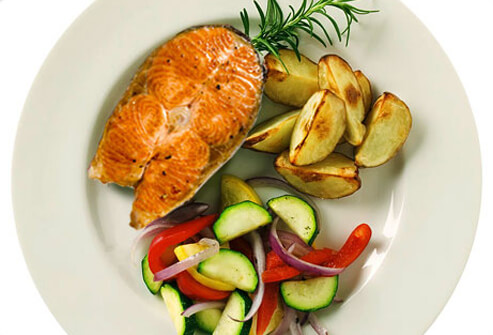
    No single food can prevent cancer, but the right combination of foods may help make a difference. At mealtimes, strike a balance of at least two-thirds plant-based foods and no more than one-third animal protein. This "New American Plate" is an important cancer fighting tool, according to the American Institute for Cancer Research. Check out better and worse choices for your plate.

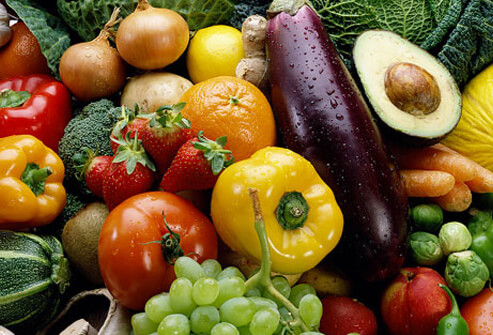
    Fighting Cancer With Color

    Fruits and vegetables are rich in cancer-fighting nutrients -- and the more color, the more nutrients they contain. These foods can help lower your risk in a second way, too, when they help you reach and maintain a healthy body weight. Carrying extra pounds increases the risk for multiple cancers, including colon, esophagus, and kidney cancers. Eat a variety of vegetables, especially dark green, red, and orange vegetables.

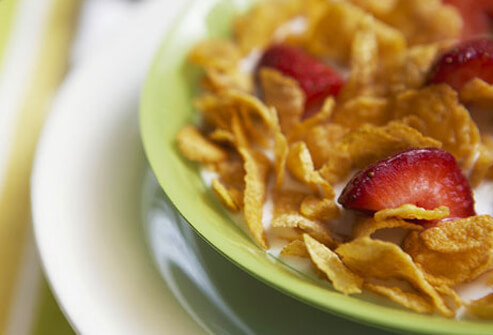
    The Cancer-Fighting Breakfast

    Naturally occurring folate is an important B vitamin that may help protect against cancers of the colon, rectum, and breast. You can find it in abundance on the breakfast table. Fortified breakfast cereals and whole wheat products are good sources of folate. So are orange juice, melons, and strawberries.

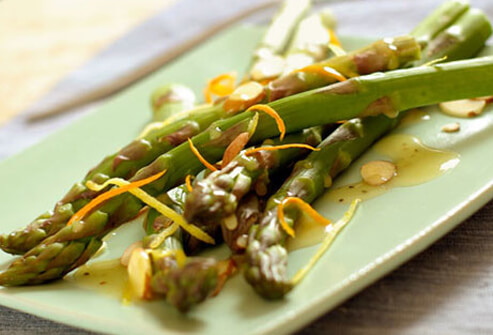
    More Folate-Rich Foods

    Other good sources of folate are asparagus and eggs. You can also find it in beans, sunflower seeds, and leafy green vegetables like spinach or romaine lettuce. The best way to get folate is not from a pill, but by eating enough fruits, vegetables, and enriched grain products.

    Pass Up the Deli Counter

    An occasional Reuben sandwich or hot dog at the ballpark isn't going to hurt you. But cutting back on processed meats like bologna, ham, and hot dogs will help lower your risk of colorectal and stomach cancers. Also, eating meats that have been preserved by smoking or with salt raises your exposure to chemicals that can potentially cause cancer.

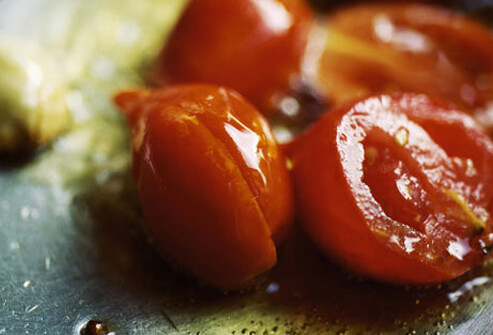
    Cancer-Fighting Tomatoes

    Whether it's the lycopene -- the pigment that gives tomatoes their red color -- or something else isn't clear. But some studies have linked eating tomatoes to reduced risk of several types of cancer, including prostate cancer. Studies also suggest that processed tomato products such as juice, sauce, or paste increase the cancer-fighting potential.

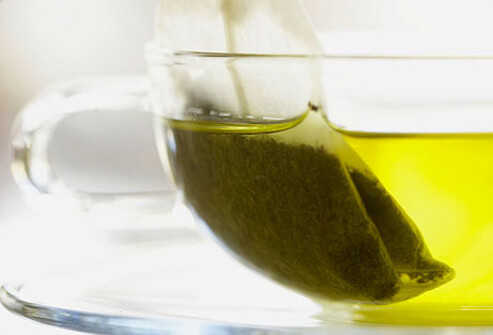
    Tea's Anticancer Potential

    Even though the evidence is still spotty, tea, especially green tea, may be a strong cancer fighter. In laboratory studies, green tea has slowed or prevented the development of cancer in colon, liver, breast, and prostate cells. It also had a similar effect in lung tissue and skin. And in some longer term studies, tea was associated with lower risks for bladder, stomach, and pancreatic cancers.

    Grapes and Cancer

    Grapes and grape juice, especially purple and red grapes, contain resveratrol. Resveratrol has strong antioxidant and anti-inflammatory properties. In laboratory studies, it has prevented the kind of damage that can trigger the cancer process in cells. There is not enough evidence to say that eating grapes or drinking grape juice or wine (or taking supplements) can prevent or treat cancer.

    Limit Alcohol to Lower Cancer Risk

    Cancers of the mouth, throat, larynx, esophagus, liver, and breast are all linked with drinking alcohol. Alcohol may also raise the risk for cancer of the colon and rectum. The American Cancer Society recommends limiting alcohol to no more than two drinks per day for men and one for women. Women at higher risk for breast cancer may want to talk with a doctor about what amount of alcohol, if any, is safe based on their personal risk factors.

    Water and Other Fluids Can Protect

    Water not only quenches your thirst, but it may protect you against bladder cancer. The lower risk comes from water diluting concentrations of potential cancer-causing agents in the bladder. Also, drinking more fluids causes you to urinate more frequently. That lessens the amount of time those agents stay in contact with the bladder lining.

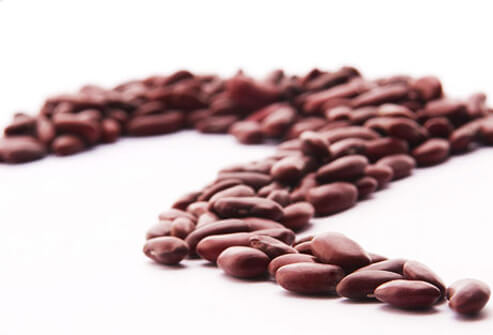
    The Mighty Bean

    Beans are so good for you, it's no surprise they may help fight cancer, too. They contain several potent phytochemicals that may protect the body's cells against damage that can lead to cancer. In the lab these substances slowed tumor growth and prevented tumors from releasing substances that damage nearby cells.

    The Cabbage Family vs. Cancer

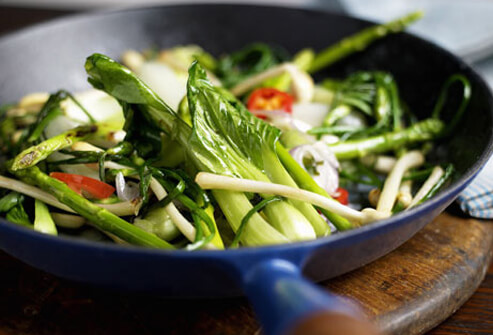
    Cruciferous vegetables include broccoli, cauliflower, cabbage, Brussels sprouts, bok choy, and kale. These members of the cabbage family make an excellent stir fry and can really liven up a salad. But most importantly, components in these vegetables may help your body defend against cancers such as colon, breast, lung, and cervix.

    Dark Green Leafy Vegetables

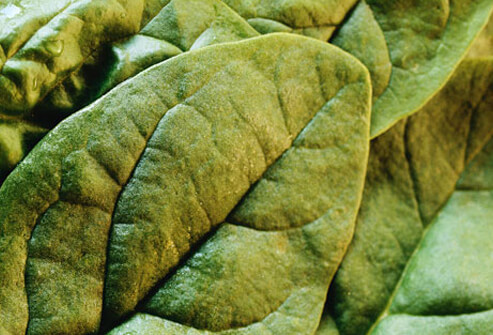
    Dark green leafy vegetables such as mustard greens, lettuce, kale, chicory, spinach, and chard have an abundance of fiber, folate, and carotenoids. These nutrients may help protect against cancer of the mouth, larynx, pancreas, lung, skin, and stomach.

    Protection From an Exotic Spice

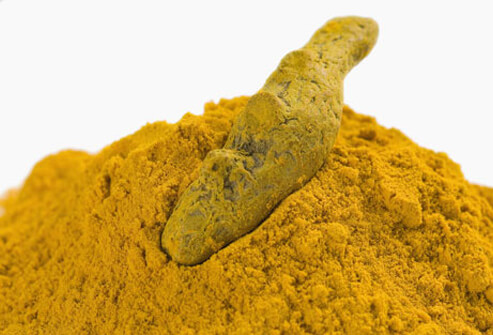
    Curcumin is the main ingredient in the Indian spice turmeric and a potential cancer fighter. Lab studies show it can suppress the transformation, proliferation, and invasion of cancerous cells for a wide array of cancers.

    Cooking Methods Matter

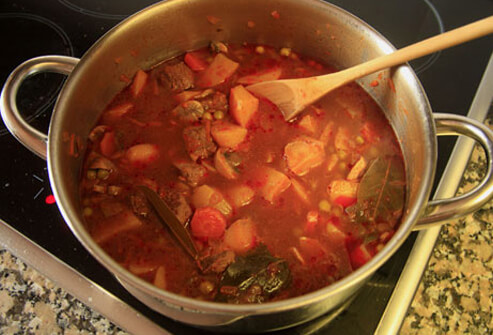
    How you cook meat can make a difference in how big a cancer risk it poses. Frying, grilling, and broiling meats at very high temperatures causes chemicals to form that may increase cancer risk. Other cooking methods such as stewing, braising, or steaming appear to produce fewer of those chemicals. And when you do stew the meat, remember to add plenty of healthy, protective vegetables.

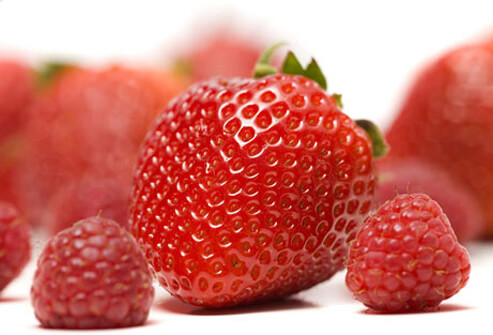
    A Berry Medley With a Punch

    Strawberries and raspberries have a phytochemical called ellagic acid. This powerful antioxidant may actually fight cancer in several ways at once, including deactivating certain cancer causing substances and slowing the growth of cancer cells.

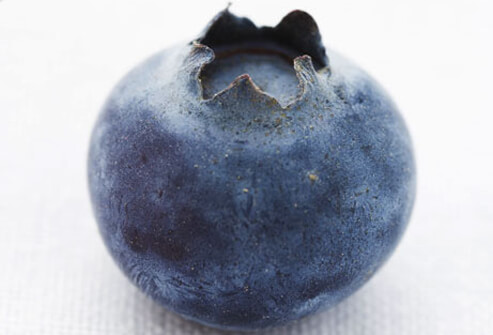
    Blueberries for Health

    The potent antioxidants in blueberries may have wide value in supporting our health, starting with cancer. Antioxidants fight cancer by ridding the body of free radicals before they can do their damage to cells. Try topping oatmeal, cold cereal, yogurt, even salad with blueberries to boost your intake of these healthful berries.

    Pass on the Sugar

    Sugar may not cause cancer directly. But it may displace other nutrient-rich foods that help protect against cancer. And it increases calorie counts, which contributes to overweight and obesity. Excess weight is also a cancer risk. Fruit offers a sweet alternative in a vitamin-rich package.

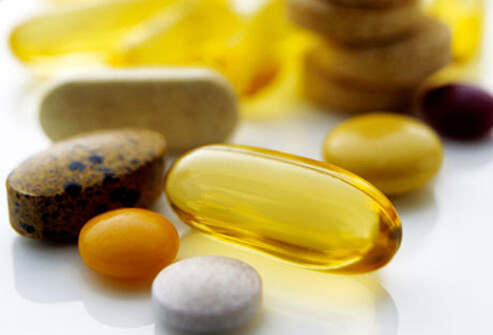
    Don't Rely on Supplements

    Vitamins may help protect against cancer. But that's when you get them naturally from food. Both the American Cancer Society and the American Institute for Cancer Research emphasize that getting cancer-fighting nutrients from foods like nuts, fruits, and green leafy vegetables is vastly superior to getting them from supplements. Eating a healthy diet is best.

    0 comment
    0
    Facebook Twitter Google + Pinterest
    explainingmedicine

    previous post
    Breast Cancer: Diagnosis and Treatment
    next post
    Baby Health: The Facts About Bottle Feeding

    Related Articles

    A Cold or The Flu? : How to Tell the Difference

    October 14, 2016

    Nutritional Health: The 7 Wonders of Water

    October 14, 2016

    Concentration Killers: Brain Drains of Modern Life

    October 14, 2016

    Dog Health: Skin Problems in Dogs

    October 14, 2016

    Healthy Eating: 16 Resolutions for Better Eating Habits

    October 14, 2016

    Hemorrhoids: An Illustrated Guide to Treatment

    October 15, 2016

    Hair Loss: Solutions for Men & Women

    October 14, 2016

    Digestive Disease Myths: Common Misconceptions

    October 14, 2016

    Infectious Mononucleosis: Learn About the ‘Kissing Disease’ Caused by EBV

    October 14, 2016

    Better Sex After 50: Tips For A Healthier Sex Life

    October 14, 2016

    Recent Posts

    • Flu shot recommendation for kids dropped just as the illness rages

      January 12, 2026
    • The CDC just sidelined these childhood vaccines. Here’s what they prevent

      January 9, 2026
    • Your next primary care doctor could be online only, accessed through an AI tool

      January 9, 2026
    • In Lodge Grass, Montana, a Crow community works to rebuild from meth’s destruction

      January 8, 2026
    • RFK Jr.’s new dietary guidelines go all in on meat and dairy

      January 7, 2026

    Keep in touch

    Facebook Twitter Google + RSS

    Recent Posts

    • Flu shot recommendation for kids dropped just as the illness rages

      January 12, 2026
    • The CDC just sidelined these childhood vaccines. Here’s what they prevent

      January 9, 2026
    • Your next primary care doctor could be online only, accessed through an AI tool

      January 9, 2026
    • In Lodge Grass, Montana, a Crow community works to rebuild from meth’s destruction

      January 8, 2026
    • RFK Jr.’s new dietary guidelines go all in on meat and dairy

      January 7, 2026
    • Terms of Service
    • Privacy Policy

    @2026 - Explaining Medicine. All Right Reserved.


    Back To Top
    Explaining Medicine
    Proudly powered by WordPress Theme: soledad child.