Explaining Medicine
  • News
  • Health & Lifestyle
    • Diet & Weight Management
    • Exercise & Fitness
    • Nutrition, Food & Recipes
    • Prevention & Wellness
  • Conditions
    • Custom1
      • Conditions A-Z
      • Procedures A-Z
      • Allergies
      • Alzheimer’s
      • Arthritis
      • Asthma
      • Blood Pressure
      • Cholesterol
      • Cancer
    • Custom2
      • Chronic Pain
      • Cold Flu
      • Depression
      • Diabetes
      • Digestion
      • Eyesight
      • Health Living
      • Healthy Kids
      • Hearing Ear
    • Custom3
      • Heart
      • HIV/AIDS
      • Infectious Disease
      • Lung Conditions
      • Menopause
      • Men’s Health
      • Mental Health
      • Migraine
      • Neurology
    • Custom4
      • Oral Health
      • Pregnancy
      • Senior Health
      • Sexual Health
      • Skin Problems
      • Sleep
      • Thyroid
      • Travel Health
      • Women’s Health
  • Medications
    • Medications
    • Supplements and Vitamins
  • Medical Dictionary
  • Health Alerts
Flu shot recommendation for kids dropped just as...
The CDC just sidelined these childhood vaccines. Here’s...
Your next primary care doctor could be online...
In Lodge Grass, Montana, a Crow community works...
RFK Jr.’s new dietary guidelines go all in...
More seniors are becoming homeless. Shelters are trying...
Health officials slash the number of vaccines recommended...
Wegovy obesity pill now available at pharmacies
In the U.S., hunger is often hidden. But...
One doctor’s experience shows the battle for the...
Top Posts

Explaining Medicine

  • News
  • Health & Lifestyle
    • Diet & Weight Management
    • Exercise & Fitness
    • Nutrition, Food & Recipes
    • Prevention & Wellness
  • Conditions
    • Custom1
      • Conditions A-Z
      • Procedures A-Z
      • Allergies
      • Alzheimer’s
      • Arthritis
      • Asthma
      • Blood Pressure
      • Cholesterol
      • Cancer
    • Custom2
      • Chronic Pain
      • Cold Flu
      • Depression
      • Diabetes
      • Digestion
      • Eyesight
      • Health Living
      • Healthy Kids
      • Hearing Ear
    • Custom3
      • Heart
      • HIV/AIDS
      • Infectious Disease
      • Lung Conditions
      • Menopause
      • Men’s Health
      • Mental Health
      • Migraine
      • Neurology
    • Custom4
      • Oral Health
      • Pregnancy
      • Senior Health
      • Sexual Health
      • Skin Problems
      • Sleep
      • Thyroid
      • Travel Health
      • Women’s Health
  • Medications
    • Medications
    • Supplements and Vitamins
  • Medical Dictionary
  • Health Alerts
  • Slideshows

    MRSA: How Much Do You Know About This “Superbug”?

    by explainingmedicine October 14, 2016

    What is MRSA?

    Methicillin-resistant Staphylococcus aureus (MRSA) are shown in this scanning electron microscope picture. Strains of these bacteria (commonly termed "staph") may cause infection in almost any part or organ system in humans. MRSA strains are further characterized as superbugs because MRSA strains are resistant to many different antibiotics
    Symptoms of a MRSA Skin Infection

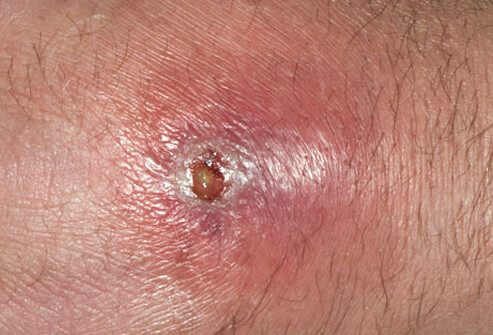
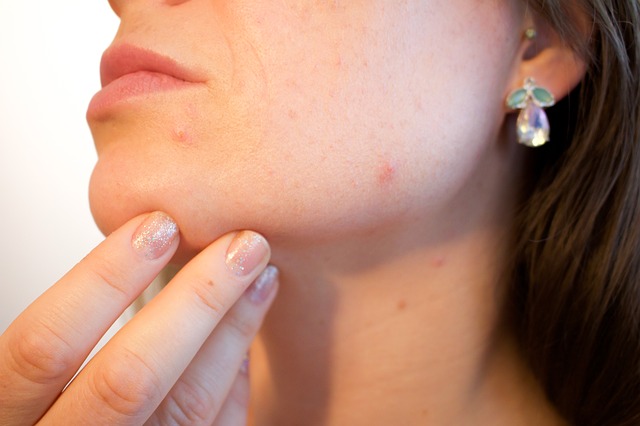
    Initially, MRSA infections in the skin resemble minor skin infections; they appear as a red bump, pimple, or boil on the skin that may be painful, swollen, or warm to the touch. Occasionally, these infections may open and have pus drain from the area. Although most MRSA skin infections are mild, some progress and spread further into the skin and to other areas or organ systems.

    Is It MRSA, a Spider Bite, or Something Different?

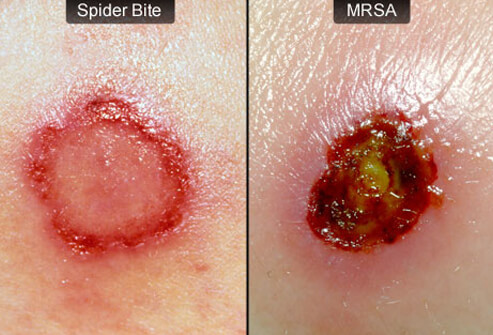
    Bug bites, insect bites, spider bites, rashes, and stings are often difficult to distinguish from MRSA infections because they have similar appearances or symptoms. However, if the person never viewed a spider or other entity causing the lesion, there is a good chance the skin lesion may be caused by MRSA, especially if the lesion area spreads or does not start getting better after about two to three days of treatment with common antibiotics.

    MRSA Skin Infection and Cellulitis

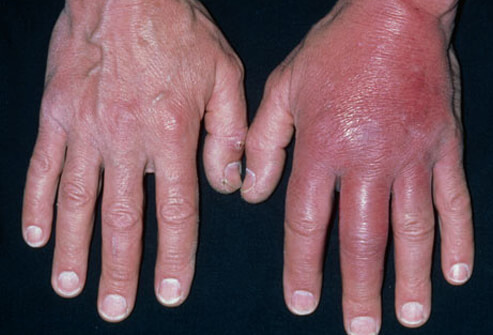
    Often, the first indication of MRSA infection is a spread of the infection into the surrounding skin, producing skin that is pink or reddish and often is warm, tender, and swollen. Such an infected skin area is termed cellulitis and represents infection spread into deeper skin layers. Cellulitis can rapidly advance (over a few hours) in some individuals.

    MRSA Skin Infection: Abscess

    MRSA may be somewhat contained by the body by attempting to wall off the invading bacteria by making a pocket of pus surrounded by cells trying to kill or stop the MRSA from advancing. This deeper skin infection is termed an abscess and can spread like cellulitis in some instances. Abscesses usually require drainage (sometimes done with warm compresses, sometimes with a needle, while others require surgical drainage) and antibiotics; your doctor should be consulted as you should not attempt to treat MRSA infections by yourself.

    How Do People Catch MRSA?

    MRSA is easily spread to other individuals by people with the organisms on their skin. Usually, either skin-to-skin contact or contact with towels, razors, or even doorknobs or benches can transfer MRSA to another person. Some people, termed carriers, have MRSA strains on their body but have no symptoms; however, these people can still transfer MRSA to others by direct and indirect contact (towels or clothing that carriers have used).

    Who Can Get MRSA?

    Some individuals are at higher risk to get MRSA than others. People who have a chronic medical condition (for example, cancer, HIV, or any immune depression), the elderly, individuals in hospitals, or those who have had recent surgery are at higher risk for MRSA infections.

    How Safe Are Hospitals?

    Hospitals used to have a reputation as an area to get MRSA infections. However, in recent years, with guidelines established and followed by hospital staff, visitors, and patients, there have been far fewer MRSA infections occurring in hospitals. Simple changes in hygiene policies and utilization of more strict hand-washing procedures have made a positive impact in reducing MRSA infections in hospitals and other institutions like nursing homes and even in community areas such as athletic facilities.

    Can Healthy People Get MRSA?

    MRSA can easily infect healthy people. Outbreaks have been documented at many areas where people are crowded together (for example, gyms, dormitories, barracks, prisons, and day-care centers). The type of MRSA obtained by healthy people outside of health-care facilities is often termed community-associated or community-acquired MRSA (usually termed CA-MRSA) by many clinicians.

    MRSA in Dogs and Cats

    MRSA can be transferred to pets such as cat or dogs (the animals may have no symptoms like human MRSA carriers) and, unfortunately, may reinfect the pet owners or other people. Only CA-MRSA strains have been documented to do this with pets.

    MRSA on the Beach

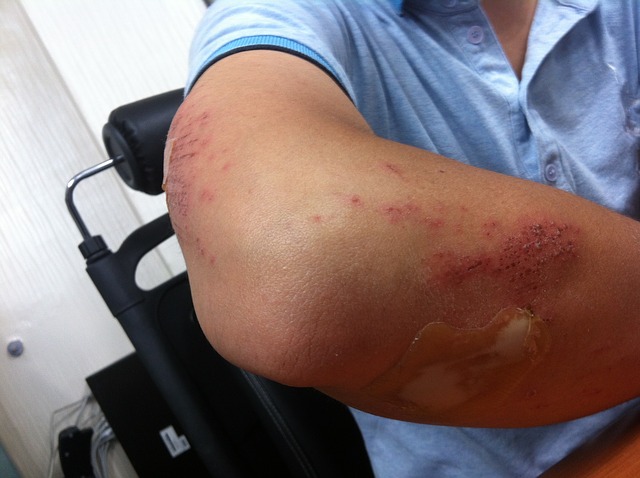
    MRSA strains survive fairly well for some time on objects handled or worn by carriers or infected individuals. MRSA has been found even in sand and beach water on occasion. How MRSA arrived there is unclear, but the practice of good hygiene (covering skin scrapes, frequent hand washing, and showering with soap after going to the beach or engaging in another water activity) is the best way to reduce the chance of getting a MRSA infection from objects in the environment.

    How Is MRSA Diagnosed?

    Definitive diagnosis of MRSA is not difficult. However, it may take a few days because, after S. aureus is cultured from an infected site, the bacteria then need to be tested against antibiotics to determine not only what the bacteria are resistant to but also what antibiotic(s) might be effective.

    How Is MRSA Treated?

    A doctor should guide treatment of MRSA infections. Most treatment methods depend on the severity of the infection and the resistance pattern of the bacteria. Some minor sores or small abscesses may need only warm compresses for pus drainage (if present) and cleaning and coverage with a small bandage. Many clinicians will prescribe an oral antibiotic that some MRSA are usually sensitive to (for example, sulfamethoxazole and trimethoprim [Bactrim], linezolid [Zyvox], or clindamycin [Cleocin T]). More invasive or severe infections might respond to oral antibiotics, but many clinicians may choose to treat such infections with IV drugs such as vancomycin (Vancocin), possibly along with a second IV antibiotic. Most severe infections are treated in consultation with an infectious disease specialist.

    MRSA Skin Infection and Home Care

    If you are diagnosed with MRSA and sent home with antibiotics, you are strongly advised to take all of the antibiotics prescribed, even if you feel fine, to prevent the infection from reoccurring. Following your doctor's advice about warm compresses and wound care is also important to help you recover. In addition, you need to be careful to dispose of or disinfect items you contact to prevent passing MRSA to others.

    MRSA Complications

    MRSA infections (especially those associated with health-care facilities) can be dangerous; they can spread rapidly to other body areas and organs and cause serious organ damage or death. At their peak, reports indicated there were about 19,000 deaths in a year due to MRSA, but recently, this rate has decreased because of good hospital practices according to the CDC.

    How to Avoid MRSA

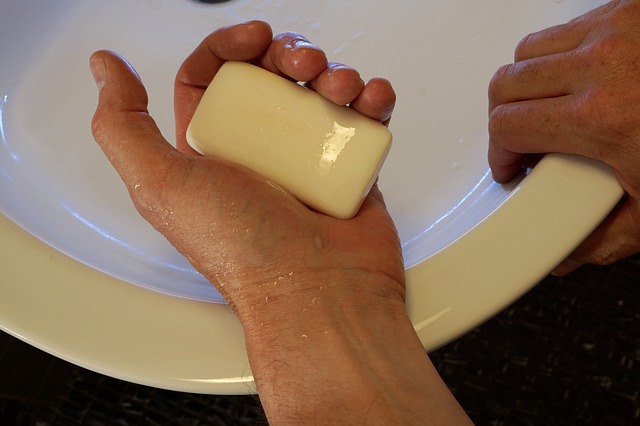
    Avoiding or reducing the chance of getting infected with a MRSA strain of S. aureus is fairly easy -- the cardinal rule is frequent hand washing with soap and water. Using an alcohol-containing hand sanitizer can also reduce infection risk. Avoid skin-to-skin contact with others if possible. Don't share towels and never touch bandages or wounds on other people, especially if they are hospitalized. Again, hand washing and showering with soap and water is the key to reducing MRSA (and other) infections. Disinfecting surfaces and other items also reduces the chances for infection.

    0 comment
    0
    Facebook Twitter Google + Pinterest
    explainingmedicine

    previous post
    Foot Problems: Ingrown Toenails
    next post
    Ringworm: Does Ringworm Mean I Have Worms?

    Related Articles

    Ear Infections: Treatments for Children & Adults

    October 14, 2016

    High-Protein Diets: Good or Bad?

    October 14, 2016

    Diabetes: Best and Worst Meals for Diabetes-Savvy Dining

    October 14, 2016

    Physicians: What Kind of Doctor Do I Need?

    October 15, 2016

    Infertility: Which Treatment Is Right for You?

    October 15, 2016

    Type 2 Diabetes: Diagnosis, Treatment, Medication

    October 14, 2016

    Abdominal Pain: Causes, Symptoms and Diagnosis

    October 14, 2016

    Anatomy of a Sore Throat: Distinguish Common Sore Throat From Strep

    October 14, 2016

    Bad Bugs: Identify Bugs and Their Bites

    October 14, 2016

    Pet Health: 20 Things You Can Learn from Your Pets

    October 14, 2016

    Recent Posts

    • Flu shot recommendation for kids dropped just as the illness rages

      January 12, 2026
    • The CDC just sidelined these childhood vaccines. Here’s what they prevent

      January 9, 2026
    • Your next primary care doctor could be online only, accessed through an AI tool

      January 9, 2026
    • In Lodge Grass, Montana, a Crow community works to rebuild from meth’s destruction

      January 8, 2026
    • RFK Jr.’s new dietary guidelines go all in on meat and dairy

      January 7, 2026

    Keep in touch

    Facebook Twitter Google + RSS

    Recent Posts

    • Flu shot recommendation for kids dropped just as the illness rages

      January 12, 2026
    • The CDC just sidelined these childhood vaccines. Here’s what they prevent

      January 9, 2026
    • Your next primary care doctor could be online only, accessed through an AI tool

      January 9, 2026
    • In Lodge Grass, Montana, a Crow community works to rebuild from meth’s destruction

      January 8, 2026
    • RFK Jr.’s new dietary guidelines go all in on meat and dairy

      January 7, 2026
    • Terms of Service
    • Privacy Policy

    @2026 - Explaining Medicine. All Right Reserved.


    Back To Top
    Explaining Medicine
    Proudly powered by WordPress Theme: soledad child.