Explaining Medicine
  • News
  • Health & Lifestyle
    • Diet & Weight Management
    • Exercise & Fitness
    • Nutrition, Food & Recipes
    • Prevention & Wellness
  • Conditions
    • Custom1
      • Conditions A-Z
      • Procedures A-Z
      • Allergies
      • Alzheimer’s
      • Arthritis
      • Asthma
      • Blood Pressure
      • Cholesterol
      • Cancer
    • Custom2
      • Chronic Pain
      • Cold Flu
      • Depression
      • Diabetes
      • Digestion
      • Eyesight
      • Health Living
      • Healthy Kids
      • Hearing Ear
    • Custom3
      • Heart
      • HIV/AIDS
      • Infectious Disease
      • Lung Conditions
      • Menopause
      • Men’s Health
      • Mental Health
      • Migraine
      • Neurology
    • Custom4
      • Oral Health
      • Pregnancy
      • Senior Health
      • Sexual Health
      • Skin Problems
      • Sleep
      • Thyroid
      • Travel Health
      • Women’s Health
  • Medications
    • Medications
    • Supplements and Vitamins
  • Medical Dictionary
  • Health Alerts
Flu shot recommendation for kids dropped just as...
The CDC just sidelined these childhood vaccines. Here’s...
Your next primary care doctor could be online...
In Lodge Grass, Montana, a Crow community works...
RFK Jr.’s new dietary guidelines go all in...
More seniors are becoming homeless. Shelters are trying...
Health officials slash the number of vaccines recommended...
Wegovy obesity pill now available at pharmacies
In the U.S., hunger is often hidden. But...
One doctor’s experience shows the battle for the...
Top Posts

Explaining Medicine

  • News
  • Health & Lifestyle
    • Diet & Weight Management
    • Exercise & Fitness
    • Nutrition, Food & Recipes
    • Prevention & Wellness
  • Conditions
    • Custom1
      • Conditions A-Z
      • Procedures A-Z
      • Allergies
      • Alzheimer’s
      • Arthritis
      • Asthma
      • Blood Pressure
      • Cholesterol
      • Cancer
    • Custom2
      • Chronic Pain
      • Cold Flu
      • Depression
      • Diabetes
      • Digestion
      • Eyesight
      • Health Living
      • Healthy Kids
      • Hearing Ear
    • Custom3
      • Heart
      • HIV/AIDS
      • Infectious Disease
      • Lung Conditions
      • Menopause
      • Men’s Health
      • Mental Health
      • Migraine
      • Neurology
    • Custom4
      • Oral Health
      • Pregnancy
      • Senior Health
      • Sexual Health
      • Skin Problems
      • Sleep
      • Thyroid
      • Travel Health
      • Women’s Health
  • Medications
    • Medications
    • Supplements and Vitamins
  • Medical Dictionary
  • Health Alerts
  • Slideshows

    Type 2 Diabetes: Diagnosis, Treatment, Medication

    by explainingmedicine October 14, 2016

    What Is Type 2 Diabetes?

    Type 2 diabetes can affect all people, regardless of age. Early symptoms of type 2 diabetes may be missed, so those affected may not even know they have the condition. An estimated one out of every three people within the early stages of type 2 diabetes are not aware they have it.

    Diabetes interferes with the body's ability to metabolize carbohydrates for energy, leading to high levels of blood sugar. These chronically high blood sugar levels increase a person's risk of developing serious health problems.


    Potential Consequences of High Blood Sugar

    • Nerve problems
    • Vision loss
    • Joint deformities
    • Cardiovascular disease
    • Diabetic coma (life-threatening)
    • Other diabetes complications from high blood pressure are listed further along in this slideshow

    Type 2 Diabetes Symptoms: Thirst

    Although people with type 2 diabetes may not have specific symptoms, an increase in thirst is one symptom that is characteristic of the condition. The increased thirst can accompany other symptoms like frequent urination, feelings of unusual hunger, dry mouth, and weight gain or loss.

    Type 2 Diabetes Symptoms: Headaches

    Other symptoms that can occur if high blood sugar levels persist are fatigue, blurred vision, and headaches.

    Type 2 Diabetes Symptoms: Infections

    Often, type 2 diabetes is only identified after its negative health consequences are apparent. Certain infections and sores that take a long time to heal are a warning sign. Other possible signs include frequent yeast infections or urinary tract infections and itchy skin.

    Type 2 Diabetes Symptoms: Sexual Dysfunction

    Sexual problems can occur as a result of type 2 diabetes. Since diabetes can damage the blood vessels and nerves in the sex organs, decreased sensation can develop, potentially leading to difficulties with orgasm. Vaginal dryness in women and impotence in men are other complications of diabetes. Estimates suggest that between 35% and 70% of men with diabetes will eventually suffer from impotence. Statistics for women show that about one-third of women with diabetes will have some kind of sexual dysfunction.

    At Risk for Type 2 Diabetes?

    Certain risk factors related to both lifestyle choices and medical conditions can increase your risk of developing type 2 diabetes. These include:

    • Cigarette smoking
    • Being overweight or obese, especially around the waist
    • Lack of exercise
    • Consuming a diet that is high in processed meat, fat, sweets, and red meats
    • Triglyceride levels over 250 mg/dL
    • Low levels of “good” HDL cholesterol (below 35 mg/dL)

    Inherited Type 2 Diabetes Risk Factors

    Some risk factors for diabetes can’t be controlled. Hispanics, Native Americans, Asians, and African Americans have a higher than average risk for getting diabetes. Having a family history (parent or sibling) with diabetes increases your risk. Those over 45 have a higher risk of type 2 diabetes than younger people.

    Women's Type 2 Diabetes Risks

    Women who developed gestational diabetes in pregnancy have a higher risk for developing type 2 diabetes later in life. The same goes for women who have babies larger than 9 pounds.


    Polycystic Ovary Syndrome

    Polycystic ovary syndrome is a health problem characterized by many small cysts in the ovaries, irregular periods, and high levels of androgen hormones. Because one symptom of polycystic ovary syndrome is insulin resistance, women with this condition are considered at higher risk for diabetes as well.

    How Does Insulin Work?

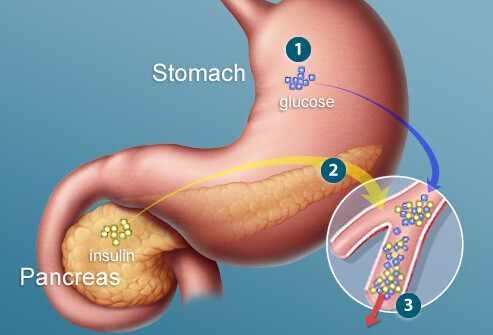
    Insulin is a hormone that allows the body to efficiently use glucose as fuel. After carbohydrates are broken down into sugars in the stomach, glucose enters the blood circulation and stimulates the pancreas to release insulin in the proper amount. Insulin allows body cells to uptake glucose as energy.

    Type 2 Diabetes: Insulin Resistance

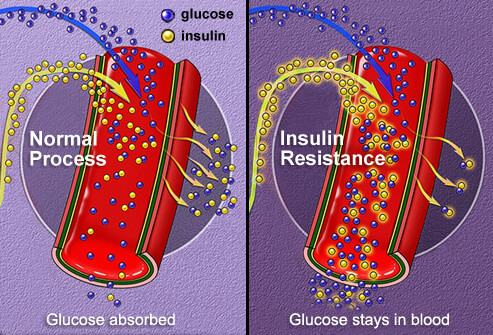
    In type 2 diabetes, the body's cells cannot take up glucose properly, leading to high levels of glucose in the blood. Insulin resistance means that although the body can produce insulin, the body's cells do not respond properly to the insulin that is made. Over time, the pancreas reduces the amount of insulin that it produces.

    How Type 2 Diabetes is Diagnosed

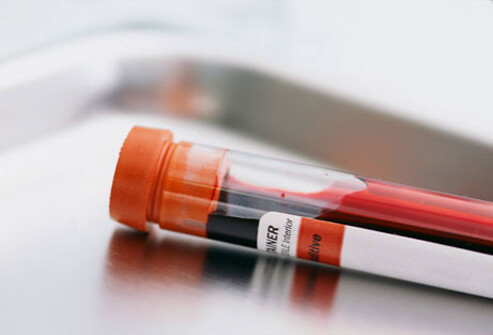
    The hemoglobin A1c test measures the amount of glycosylated hemoglobin (hemoglobin bound to glucose) in your blood and provides information about your average blood glucose levels over the previous 2 to 3 months. Hemoglobin A1c levels over 6.5% are suggestive of diabetes. Another diagnostic test is the fasting blood glucose test. If your fasting blood glucose level is over 126, this establishes that diabetes is present. Random blood glucose levels over 200 are also consistent with diabetes.

    Type 2 Diabetes Care: Diet

    Keeping good control over blood sugar levels can help reduce the risk of getting complications from diabetes. Your doctor can refer you to a registered dietician or diabetes counselor to help you formulate a healthy eating plan. Many people with type 2 diabetes will need to monitor intake of carbohydrates and reduce calories. Watching total fat and protein consumption is also recommended.

    Type 2 Diabetes Care: Exercise

    Regular exercise, including walking, can help people with type 2 diabetes lower their blood glucose levels. Physical activity also reduces body fat, lowers blood pressure, and helps prevent cardiovascular disease. It’s recommended that people with type 2 diabetes get 30 minutes of moderate exercise on most days.

    Type 2 Diabetes Care: Reduce Stress

    Stress is particularly worrisome for people with diabetes. Stress not only increases blood pressure, but it can also increase blood glucose levels. Many people with diabetes find that relaxation techniques can help manage their condition. Examples are visualization, meditation, or breathing exercises. Taking advantage of social support networks is also helpful, like talking with a relative or friend, member of the clergy, or counselor.

    Type 2 Diabetes Care: Oral Medications

    Oral medication is recommended for people with type 2 diabetes who cannot adequately control their blood sugar with diet and exercise. Many types of oral diabetes medications are available, and these may be used in combination for the best results. Some increase insulin production, others improve the body’s use of insulin, while still others partially block the digestion of starches.

    Type 2 Diabetes Care: Insulin

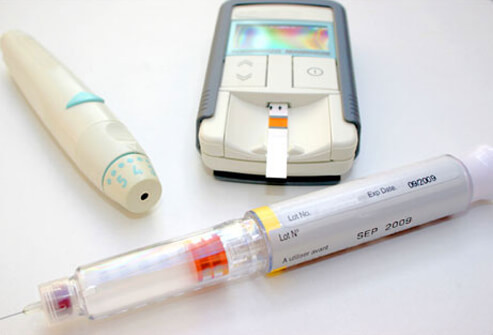
    Some people with type 2 diabetes also take insulin, sometimes in combination with oral medications. Insulin is also used in "beta-cell failure," a condition in which the pancreas no longer produces insulin in response to elevated blood glucose. This can occur in people with type 2 diabetes. If insulin is not produced, insulin treatment is necessary.

    Type 2 Diabetes Care: Non-Insulin Injections

    There are other non-insulin drugs given in injection form that are used to treat type 2 diabetes. Examples are pramlintide (Symlin), exenatide (Byetta), and liraglutide (Victoza). These drugs stimulate the release of insulin.

    Testing Your Blood Sugar

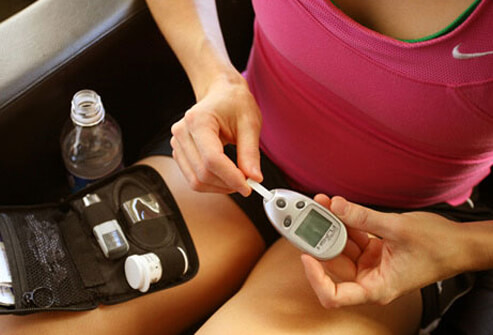
    Your doctor can suggest how often you should test your blood glucose. Testing can give a good idea of the extent to which your diabetes is under control and can tell you if your management plan needs to be altered.


    Common Times to Test Blood Sugar

    • First thing in the morning
    • Before and after meals
    • Before and after exercise
    • Before bed

    Type 2 Diabetes and Heart Attacks

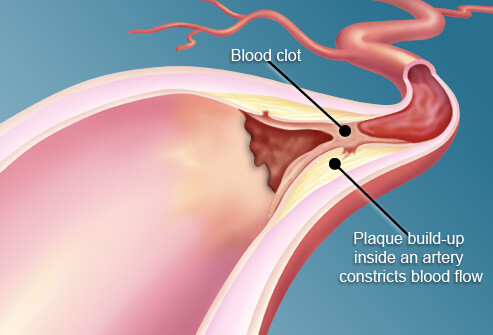
    Around two out of every three people with diabetes die of heart disease. Over time, elevated blood sugar levels damage the blood vessels, leading to an increased risk of clots. This increases the risk of heart attack. People with diabetes are also at an increased risk for stroke because of the damage to blood vessels.

    Kidney Risks Related to Type 2 Diabetes

    The risk for developing chronic kidney disease increases with time in people with diabetes. Diabetes is the most common cause of renal failure, making up about 44% of cases. Keeping your diabetes under control can reduce the risk of kidney failure. Medications are also used to reduce the risk of kidney disease in people with diabetes.

    Type 2 Diabetes and Eye Damage

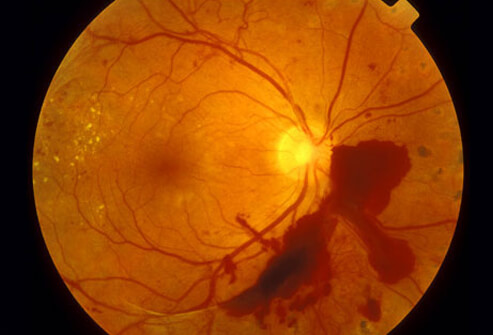
    Diabetic retinopathy is damage to the tiny blood vessels within the retina of the eye due to high blood sugar levels over time. This can cause progressive and permanent vision loss. Diabetic retinopathy is the most common cause of new blindness in people between 20 and 74. This image shows pools of blood, or hemorrhages, in the retina.

    Type 2 Diabetes and Nerve Pain

    Tingling, numbness, and a sensation of "pins and needles" are all symptoms of diabetic neuropathy, or nerve damage related to diabetes. This is most common in the hands, feet, fingers, or toes. Controlling diabetes can help prevent this complication.

    Foot Damage and Type 2 Diabetes

    Damage to nerves caused by diabetes can make it hard to feel injuries to the feet. At the same time, damage to the blood vessels can reduce circulation in the feet of people with diabetes. Sores that heal poorly and even gangrene are complications of diabetes that can occur in the feet. Amputation may be the result in severe cases.

    Type 2 Diabetes Prevention

    Type 2 diabetes is preventable in many patients. At the least, it is possible to reduce the incidence of complications of diabetes by eating a healthy diet, getting moderate exercise, and maintaining a healthy weight. It’s also helpful for people at risk to be screened for diabetes and prediabetes, so that management can begin early in the course of the disease. This reduces the risk of long-term problems.

    0 comment
    0
    Facebook Twitter Google + Pinterest
    explainingmedicine

    previous post
    Viral Infections: Types, Treatment, and Prevention
    next post
    Chocolate: The History and Our Infatuation With Chocolate

    Related Articles

    Shingles: Is Shingles Contagious?

    October 14, 2016

    Tinnitus: Why Are My Ears Ringing?

    October 14, 2016

    Hair and Beauty: Tips for Gorgeous Hair Color

    October 14, 2016

    Stress Management Diet: Stress-Reducing Foods

    October 14, 2016

    Depression: Sneaky Depression Triggers as You Age

    October 14, 2016

    Healthy Living : Tips to Strengthen Your Immune System

    October 14, 2016

    Oral Health: Dry Mouth Causes, Symptoms, and Treatment

    October 14, 2016

    Deep Vein Thrombosis (DVT): Symptoms, Treatment & Prevention

    October 14, 2016

    STD Facts: Learn About Sexually Transmitted Diseases

    October 14, 2016

    Premenstrual Syndrome: A Visual Guide to PMS Symptoms, Causes and Treatments

    October 15, 2016

    Recent Posts

    • Flu shot recommendation for kids dropped just as the illness rages

      January 12, 2026
    • The CDC just sidelined these childhood vaccines. Here’s what they prevent

      January 9, 2026
    • Your next primary care doctor could be online only, accessed through an AI tool

      January 9, 2026
    • In Lodge Grass, Montana, a Crow community works to rebuild from meth’s destruction

      January 8, 2026
    • RFK Jr.’s new dietary guidelines go all in on meat and dairy

      January 7, 2026

    Keep in touch

    Facebook Twitter Google + RSS

    Recent Posts

    • Flu shot recommendation for kids dropped just as the illness rages

      January 12, 2026
    • The CDC just sidelined these childhood vaccines. Here’s what they prevent

      January 9, 2026
    • Your next primary care doctor could be online only, accessed through an AI tool

      January 9, 2026
    • In Lodge Grass, Montana, a Crow community works to rebuild from meth’s destruction

      January 8, 2026
    • RFK Jr.’s new dietary guidelines go all in on meat and dairy

      January 7, 2026
    • Terms of Service
    • Privacy Policy

    @2026 - Explaining Medicine. All Right Reserved.


    Back To Top
    Explaining Medicine
    Proudly powered by WordPress Theme: soledad child.