Explaining Medicine
  • News
  • Health & Lifestyle
    • Diet & Weight Management
    • Exercise & Fitness
    • Nutrition, Food & Recipes
    • Prevention & Wellness
  • Conditions
    • Custom1
      • Conditions A-Z
      • Procedures A-Z
      • Allergies
      • Alzheimer’s
      • Arthritis
      • Asthma
      • Blood Pressure
      • Cholesterol
      • Cancer
    • Custom2
      • Chronic Pain
      • Cold Flu
      • Depression
      • Diabetes
      • Digestion
      • Eyesight
      • Health Living
      • Healthy Kids
      • Hearing Ear
    • Custom3
      • Heart
      • HIV/AIDS
      • Infectious Disease
      • Lung Conditions
      • Menopause
      • Men’s Health
      • Mental Health
      • Migraine
      • Neurology
    • Custom4
      • Oral Health
      • Pregnancy
      • Senior Health
      • Sexual Health
      • Skin Problems
      • Sleep
      • Thyroid
      • Travel Health
      • Women’s Health
  • Medications
    • Medications
    • Supplements and Vitamins
  • Medical Dictionary
  • Health Alerts
Flu shot recommendation for kids dropped just as...
The CDC just sidelined these childhood vaccines. Here’s...
Your next primary care doctor could be online...
In Lodge Grass, Montana, a Crow community works...
RFK Jr.’s new dietary guidelines go all in...
More seniors are becoming homeless. Shelters are trying...
Health officials slash the number of vaccines recommended...
Wegovy obesity pill now available at pharmacies
In the U.S., hunger is often hidden. But...
One doctor’s experience shows the battle for the...
Top Posts

Explaining Medicine

  • News
  • Health & Lifestyle
    • Diet & Weight Management
    • Exercise & Fitness
    • Nutrition, Food & Recipes
    • Prevention & Wellness
  • Conditions
    • Custom1
      • Conditions A-Z
      • Procedures A-Z
      • Allergies
      • Alzheimer’s
      • Arthritis
      • Asthma
      • Blood Pressure
      • Cholesterol
      • Cancer
    • Custom2
      • Chronic Pain
      • Cold Flu
      • Depression
      • Diabetes
      • Digestion
      • Eyesight
      • Health Living
      • Healthy Kids
      • Hearing Ear
    • Custom3
      • Heart
      • HIV/AIDS
      • Infectious Disease
      • Lung Conditions
      • Menopause
      • Men’s Health
      • Mental Health
      • Migraine
      • Neurology
    • Custom4
      • Oral Health
      • Pregnancy
      • Senior Health
      • Sexual Health
      • Skin Problems
      • Sleep
      • Thyroid
      • Travel Health
      • Women’s Health
  • Medications
    • Medications
    • Supplements and Vitamins
  • Medical Dictionary
  • Health Alerts
  • Slideshows

    Phobias: What Are You Afraid Of?

    by explainingmedicine October 14, 2016

    What Is a Phobia?

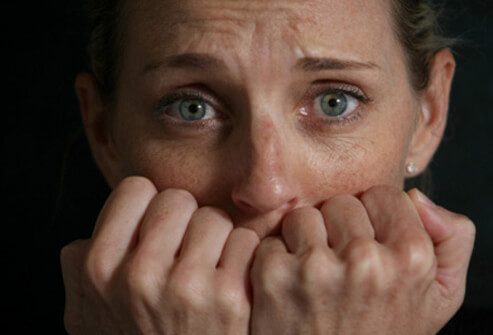
    Phobias are irrational fears of an activity, situation, or thing. The fear is so bad it limits a person's activities and life. Many people with phobias will go out of their way to avoid the things they fear. An estimated 6 million people in the U.S. suffer from phobias. Women are twice as likely to suffer from them as men. It's estimated that up to 28% of people suffer from phobias. The percent of the population who suffers from a phobia is estimated to be 7% to 13% in western countries. Phobias are likely underreported. The true number of people suffering from phobias is likely much higher.


    What Are the Different Types of Phobias?

    The fear associated with a phobia is much greater than that caused by stress or worry. Phobias cause extreme fear. There are many different types of phobias. It's possible to be afraid of certain situations, animals, and social interactions. When someone is afraid of a certain object or item they are said to suffer from a specific phobia. The list of different types of phobias is endless. The following slides contain information about the most common phobias.

    Social Phobia

    Social phobia is an extreme fear of social situations such as speaking in public and interacting with others. The fear can be so extreme it can affect one's relationships with friends, family, and work colleagues. People with social phobia are terrified of being embarrassed in social situations. Social phobia is also sometimes called social anxiety disorder.

    Agoraphobia

    People who suffer from agoraphobia have excessive fear of being in open spaces or being anywhere from which they could not easily leave. Those with agoraphobia often worry about help not being available to them or about being embarrassed in front of others. There are many underlying causes of agoraphobia, but it appears to have a genetic component and it can run in families.

    Claustrophobia

    Claustrophobia, a common phobia, is the fear of enclosed spaces or being trapped. People with claustrophobia may be afraid of being in confined areas such as tunnels or elevators.

    Zoophobia

    Zoophobia is a fear of animals and insects. The phobia may refer to fear of bees (apiphobia), spiders (arachnophobia), birds (ornithophobia), snakes (arachnophobia), and other types of critters.

    Acrophobia

    The fear of heights is known as acrophobia. Even though there is no real threat from heights, people experience severe anxiety.

    Aerophobia

    The fear of flying is called aerophobia. Those who have lost a family member in a plane crash or who have witnessed a plane crash or accident may develop the phobia, but others who have never experienced trauma while flying may still experience aerophobia. The phobia persists even though flying is very safe.

    Blood-Injection-Injury Phobias

    Blood-injection-injury are phobias that encompass the fear of blood, injury, and getting an injection or undergoing an invasive medical procedure. Blood phobia is known as hemophobia. The fear of getting an injection is called aichmophobia or trypanophobia.

    What Are the Effects of Phobias?

    Untreated, phobias can significantly interfere with one's ability to function and enjoy life. People with phobias may experience problems at work, school, and with family and friends. Phobias may get better for short periods of time, but they don't typically resolve without treatment. Phobias may go hand-in-hand with alcoholism. Those who struggle with alcoholism are up to 10 times more likely to have a phobia compared to those who don't struggle with alcoholism. And people who have phobias are up to twice as likely to be alcoholics compared to those who do not have phobias.

    What Are the Causes and Risk Factors for Phobias?

    A variety of factors contribute to the development of phobias. Genes, cultural influences, and traumatic events can all contribute to phobias. Someone who has an immediate relative with a phobia is about three times more likely to suffer from a phobia than someone who does not have a similar family history. People with phobias try to manage stress by avoiding things they are afraid of. They may also find it difficult to minimize the intensity of fearful or stimulating situations, which reinforces the phobia.

    What Are the Signs and Symptoms of Phobias?

    Phobia symptoms may include panic, terror, dread, rapid or irregular heartbeat, difficulty breathing, sweating, feelings of wanting to escape or flee, and trembling. People with phobias often know their fears are out of proportion to any actual threat or danger. It's not uncommon for someone who has a phobia to go to extreme lengths to avoid or flee from a phobic situation.

    How Are Phobias Diagnosed?

    A variety of healthcare professionals may diagnose phobias, including social workers, psychotherapists, psychiatrists, and even primary-care professionals. Both physical and psychological symptoms are assessed. The doctor will rule out potential physical causes for the symptoms. Phobias often occur along with other anxiety disorders. Anxiety may be a feature of other medical conditions or occur as a side effect due to the use of certain medications. The doctor may order lab tests to explore other potential causes of symptoms.

    How Are Phobias Treated?

    Desensitization therapy is a treatment for phobias that involves gradually exposing a phobic person to what he or she is afraid of until the situation or thing no longer produces fear.

    Cognitive behavioral therapy (CBT) is a treatment that involves examining and changing underlying thoughts and behaviors that contribute to unwanted symptoms. CBT is an effective treatment for phobias. CBT has three components:

    • Didactic component: During this phase, the treatment professional outlines expectations for therapy and encourages the patient to cooperate with the treatment.
    • Cognitive component: In this phase, the treatment professional helps the patient uncover thoughts and assumptions that play a key role in producing phobic behavior.
    • Behavioral component: This phase of treatment involves teaching the patient behavior-modification techniques to help him or her face phobic situations more effectively.

    What Medications Treat Phobias?

    Antidepressants called selective serotonin reuptake inhibitors (SSRIs) may be used to treat phobias. Sometimes medications are used alone or along with another treatment such as desensitization therapy or cognitive behavioral therapy (CBT). Escitalopram (Lexapro), sertraline (Zoloft), fluvoxamine (Luvox), fluoxetine (Prozac), paroxetine (Paxil), and citalopram (Celexa) are examples of SSRIs.

    Beta-blockers are medications that counteract the effect of adrenaline in the body. These medications may be used to treat phobias. Propranolol (Inderal) is one kind of beta-blocker. Benzodiazepines are another class of medication that may be used to treat phobias. These medications promote relaxation, but they are highly addictive and overdose may be associated with very serious consequences. Mixing alcohol with benzodiazepines can be deadly. For these reasons, benzodiazepines are not frequently used to treat phobias. Medications in this class include clonazepam (Klonopin), alprazolam (Xanax), lorazepam (Ativan), and diazepam (Valium).

    Where Can People Get Information and Help for Phobias?

    If you or a loved one suffers from a phobia, the following organizations can help.

    • The National Alliance on Mental Illness (NAMI) provides education and advocacy for mental health issues. NAMI also offers support groups, online discussion groups, and listings for state and local NAMI chapters.
    • MentalHealth.gov offers education and a helpful treatment locator to help you find mental health services and resources in your area.

    Additional resources are listed on this slide.

    0 comment
    0
    Facebook Twitter Google + Pinterest
    explainingmedicine

    previous post
    ADHD in Adults: A Visual Guide to ADHD in Adults
    next post
    Prescription Drug Abuse: Statistics, Facts, and Symptoms

    Related Articles

    Frighteningly Fattening Fall Foods: Keep Your Diet in Check This Fall

    October 14, 2016

    Abdominal Pain: Causes, Symptoms and Diagnosis

    October 14, 2016

    Birthmarks: Learn to Recognize the Different Types

    October 14, 2016

    Sexual Health: Female Sexual Problems

    October 14, 2016

    Sex-Drive Killers: Causes of Low Libido

    October 14, 2016

    Depression: Myths and Facts About Therapy

    October 14, 2016

    Colorectal Cancer: Understanding Cancer of the Colon

    October 14, 2016

    Asthma: 10 Worst Cities for Asthma

    October 14, 2016

    Osteoarthritis: Tips to Keep Joints Healthy

    October 14, 2016

    Pet Health: 20 Things You Can Learn from Your Pets

    October 14, 2016

    Recent Posts

    • Flu shot recommendation for kids dropped just as the illness rages

      January 12, 2026
    • The CDC just sidelined these childhood vaccines. Here’s what they prevent

      January 9, 2026
    • Your next primary care doctor could be online only, accessed through an AI tool

      January 9, 2026
    • In Lodge Grass, Montana, a Crow community works to rebuild from meth’s destruction

      January 8, 2026
    • RFK Jr.’s new dietary guidelines go all in on meat and dairy

      January 7, 2026

    Keep in touch

    Facebook Twitter Google + RSS

    Recent Posts

    • Flu shot recommendation for kids dropped just as the illness rages

      January 12, 2026
    • The CDC just sidelined these childhood vaccines. Here’s what they prevent

      January 9, 2026
    • Your next primary care doctor could be online only, accessed through an AI tool

      January 9, 2026
    • In Lodge Grass, Montana, a Crow community works to rebuild from meth’s destruction

      January 8, 2026
    • RFK Jr.’s new dietary guidelines go all in on meat and dairy

      January 7, 2026
    • Terms of Service
    • Privacy Policy

    @2026 - Explaining Medicine. All Right Reserved.


    Back To Top
    Explaining Medicine
    Proudly powered by WordPress Theme: soledad child.