Explaining Medicine
  • News
  • Health & Lifestyle
    • Diet & Weight Management
    • Exercise & Fitness
    • Nutrition, Food & Recipes
    • Prevention & Wellness
  • Conditions
    • Custom1
      • Conditions A-Z
      • Procedures A-Z
      • Allergies
      • Alzheimer’s
      • Arthritis
      • Asthma
      • Blood Pressure
      • Cholesterol
      • Cancer
    • Custom2
      • Chronic Pain
      • Cold Flu
      • Depression
      • Diabetes
      • Digestion
      • Eyesight
      • Health Living
      • Healthy Kids
      • Hearing Ear
    • Custom3
      • Heart
      • HIV/AIDS
      • Infectious Disease
      • Lung Conditions
      • Menopause
      • Men’s Health
      • Mental Health
      • Migraine
      • Neurology
    • Custom4
      • Oral Health
      • Pregnancy
      • Senior Health
      • Sexual Health
      • Skin Problems
      • Sleep
      • Thyroid
      • Travel Health
      • Women’s Health
  • Medications
    • Medications
    • Supplements and Vitamins
  • Medical Dictionary
  • Health Alerts
Flu shot recommendation for kids dropped just as...
The CDC just sidelined these childhood vaccines. Here’s...
Your next primary care doctor could be online...
In Lodge Grass, Montana, a Crow community works...
RFK Jr.’s new dietary guidelines go all in...
More seniors are becoming homeless. Shelters are trying...
Health officials slash the number of vaccines recommended...
Wegovy obesity pill now available at pharmacies
In the U.S., hunger is often hidden. But...
One doctor’s experience shows the battle for the...
Top Posts

Explaining Medicine

  • News
  • Health & Lifestyle
    • Diet & Weight Management
    • Exercise & Fitness
    • Nutrition, Food & Recipes
    • Prevention & Wellness
  • Conditions
    • Custom1
      • Conditions A-Z
      • Procedures A-Z
      • Allergies
      • Alzheimer’s
      • Arthritis
      • Asthma
      • Blood Pressure
      • Cholesterol
      • Cancer
    • Custom2
      • Chronic Pain
      • Cold Flu
      • Depression
      • Diabetes
      • Digestion
      • Eyesight
      • Health Living
      • Healthy Kids
      • Hearing Ear
    • Custom3
      • Heart
      • HIV/AIDS
      • Infectious Disease
      • Lung Conditions
      • Menopause
      • Men’s Health
      • Mental Health
      • Migraine
      • Neurology
    • Custom4
      • Oral Health
      • Pregnancy
      • Senior Health
      • Sexual Health
      • Skin Problems
      • Sleep
      • Thyroid
      • Travel Health
      • Women’s Health
  • Medications
    • Medications
    • Supplements and Vitamins
  • Medical Dictionary
  • Health Alerts
  • Slideshows

    Senior Health: 14 Ways to Avoid Caregiver Burnout

    by explainingmedicine October 14, 2016

    Take Time for You

    It's easy to get burned out when you're caring for a loved one, whether it's a special-needs child, a spouse with a chronic illness, or a frail older person. Taking time for yourself every day -- even just a few minutes -- is one way to help you recharge. Try yoga before breakfast, slip out for a 20-minute walk, go to the movies, or pursue any hobby you love. Reducing your stress will make you a better caregiver.


    Know Your Limits

    You can't provide good care if you feel overwhelmed and stressed out. Make a list of all the tasks you need to do in a week, including dressing and bathing a loved one, rides, cooking, and household chores. Brainstorm which ones someone else might be able to do. Learn when to say no, and set boundaries so you can take care of your family -- and yourself.

    Stick to a Routine

    A daily routine can be a lifesaver. It can help you feel in control rather than stressed. It lets your loved one know what to expect. That's good for people with dementia. It provides a sense of security and helps them maintain their abilities.

    Ask for Help

    Even a few hours "off duty" can help you recharge. Make a list of family, friends, or neighbors to call when you need a break. Insurance may pay for a home health aide. Adult day care centers can give you a breather while your loved one enjoys some social activity. Your local Area Agency on Aging can tell you where to find help. Hospice programs provide support for terminally ill people and their families.

    Get Enough Sleep

    Most caregivers who say their own health has gotten worse blame loss of sleep. Relaxation exercises, like deep breathing, may help you at bedtime. If your loved one sleeps during the day but is awake much of the night, try to take naps. You might need to hire an aide or ask a friend or relative to stay with her overnight so you can get a good night's sleep.

    Join a Support Group

    No one understands your situation better than another caregiver. Look for support groups related to your loved one's illness, if possible. The local Agency on Aging may have a full listing. Or consider joining an online community, where you can connect with others, ask questions, vent frustrations, and share ideas.

    Use Timers and Reminders

    Technology can be your best friend. Buy pill boxes that sound an alarm when it's time for the next dose, or try a smart phone app or an online medicine reminder. They can send an automated text or phone call to you or your loved one when it's time to take medication. Pill organizers are a great low-tech option. They allow you to portion meds into little boxes by day, meal, or hour.

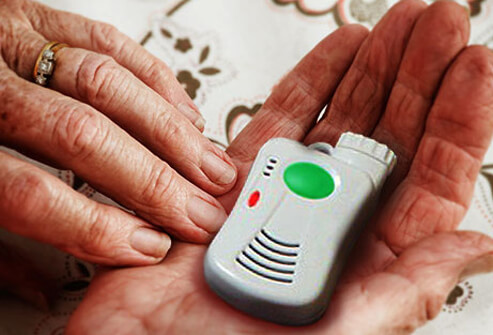
    Get an Emergency Alert Device

    Consider an electronic "help" button for when you can't be there. It's called a personal emergency response system (PERS), and it's worn like a pin or a necklace. Most connect to the phone system. Some work like a walkie-talkie, so the wearer can talk to an emergency operator at any time. Some will notify a family member or call 911, depending on what you want. You will need to pay a monthly fee for the service.

    Set Up Cameras and Sensors

    Set up a webcam -- a video camera connected to the Internet. It'll let you talk to your loved one or keep tabs on her when you're away. Video chat applications can also allow you to discuss care decisions with distant family members. If your loved tends to wander away, you can install sensors to alert you when a door is opened.

    Let Animals Assist

    Consider bringing a well-trained cat or dog in for a visit. Spending time with an animal can be incredibly soothing to people who are sick or confined to home. Pets can lower blood pressure, reduce stress -- even make elderly people more alert. And seeing a loved one "perk up" can make you, the caregiver, happier, too.

    Turn On Some Music

    Music and art can spark fun shared moments for you and the person you're caring for. Familiar music can bring back memories and may lead to clapping or dancing. Art projects should be simple and safe but not too child-like. Painting or making a collage from magazines are two good options. And listening to music or working on an art project can be a great stress reliever for you, too.

    Cope With Sundowning

    People with dementia can become confused or agitated in the evening. Planning for it can help them and lower your stress. Set up activities early in the day, and serve an early dinner. Turn the lights up in the evening. Check with a doctor about any physical or sleep problems that may be making the problem worse.

    Make It a Team Effort

    Hold regular "family meetings" to discuss the latest medical news, daily caregiving tasks, financial concerns, and your need for support. Include everyone who cares for your loved one, including paid helpers. Connect distant family members through a speaker phone or online video chat. Follow up with a written agreement and a calendar of tasks.

    Draw on Workplace Support

    Thanks to the Family and Medical Leave Act, larger companies must offer up to 12 weeks of unpaid leave for employees with a parent, spouse, or child who is seriously ill. If you can't take leave, talk to your employer about adjusting your schedule so you can work flexible hours. Be clear about how you will get your work done. Employee assistance programs can help you find care for your loved one while you work.

    0 comment
    0
    Facebook Twitter Google + Pinterest
    explainingmedicine

    previous post
    Phobias: What Are You Afraid Of?
    next post
    Organ Donations Spike In The Wake Of The Opioid Epidemic

    Related Articles

    Anatomy of a Sore Throat: Distinguish Common Sore Throat From Strep

    October 14, 2016

    Crohn’s Disease: Symptoms, Causes and Treatment

    October 14, 2016

    Food & Recipes: 13 Easy Ways to Add More Greens To Your Diet

    October 14, 2016

    Holiday Travel: 7 Tips to Make It Less Stressful

    October 14, 2016

    Autism: Signs, Causes, and Treatment

    October 14, 2016

    Hair and Beauty: Best Hairstyles for Your Hair Type

    October 15, 2016

    Lung Cancer: Causes, Symptoms, Types and Treatment

    October 14, 2016

    Depression: Myths and Facts About Therapy

    October 14, 2016

    Non-Surgical Cosmetic Facial Procedures: Before and After Pictures

    October 14, 2016

    Disease Prevention in Women: Essential Screening Tests Every Woman Needs

    October 15, 2016

    Recent Posts

    • Flu shot recommendation for kids dropped just as the illness rages

      January 12, 2026
    • The CDC just sidelined these childhood vaccines. Here’s what they prevent

      January 9, 2026
    • Your next primary care doctor could be online only, accessed through an AI tool

      January 9, 2026
    • In Lodge Grass, Montana, a Crow community works to rebuild from meth’s destruction

      January 8, 2026
    • RFK Jr.’s new dietary guidelines go all in on meat and dairy

      January 7, 2026

    Keep in touch

    Facebook Twitter Google + RSS

    Recent Posts

    • Flu shot recommendation for kids dropped just as the illness rages

      January 12, 2026
    • The CDC just sidelined these childhood vaccines. Here’s what they prevent

      January 9, 2026
    • Your next primary care doctor could be online only, accessed through an AI tool

      January 9, 2026
    • In Lodge Grass, Montana, a Crow community works to rebuild from meth’s destruction

      January 8, 2026
    • RFK Jr.’s new dietary guidelines go all in on meat and dairy

      January 7, 2026
    • Terms of Service
    • Privacy Policy

    @2026 - Explaining Medicine. All Right Reserved.


    Back To Top
    Explaining Medicine
    Proudly powered by WordPress Theme: soledad child.