Explaining Medicine
  • News
  • Health & Lifestyle
    • Diet & Weight Management
    • Exercise & Fitness
    • Nutrition, Food & Recipes
    • Prevention & Wellness
  • Conditions
    • Custom1
      • Conditions A-Z
      • Procedures A-Z
      • Allergies
      • Alzheimer’s
      • Arthritis
      • Asthma
      • Blood Pressure
      • Cholesterol
      • Cancer
    • Custom2
      • Chronic Pain
      • Cold Flu
      • Depression
      • Diabetes
      • Digestion
      • Eyesight
      • Health Living
      • Healthy Kids
      • Hearing Ear
    • Custom3
      • Heart
      • HIV/AIDS
      • Infectious Disease
      • Lung Conditions
      • Menopause
      • Men’s Health
      • Mental Health
      • Migraine
      • Neurology
    • Custom4
      • Oral Health
      • Pregnancy
      • Senior Health
      • Sexual Health
      • Skin Problems
      • Sleep
      • Thyroid
      • Travel Health
      • Women’s Health
  • Medications
    • Medications
    • Supplements and Vitamins
  • Medical Dictionary
  • Health Alerts
Flu shot recommendation for kids dropped just as...
The CDC just sidelined these childhood vaccines. Here’s...
Your next primary care doctor could be online...
In Lodge Grass, Montana, a Crow community works...
RFK Jr.’s new dietary guidelines go all in...
More seniors are becoming homeless. Shelters are trying...
Health officials slash the number of vaccines recommended...
Wegovy obesity pill now available at pharmacies
One doctor’s experience shows the battle for the...
In the U.S., hunger is often hidden. But...
Top Posts

Explaining Medicine

  • News
  • Health & Lifestyle
    • Diet & Weight Management
    • Exercise & Fitness
    • Nutrition, Food & Recipes
    • Prevention & Wellness
  • Conditions
    • Custom1
      • Conditions A-Z
      • Procedures A-Z
      • Allergies
      • Alzheimer’s
      • Arthritis
      • Asthma
      • Blood Pressure
      • Cholesterol
      • Cancer
    • Custom2
      • Chronic Pain
      • Cold Flu
      • Depression
      • Diabetes
      • Digestion
      • Eyesight
      • Health Living
      • Healthy Kids
      • Hearing Ear
    • Custom3
      • Heart
      • HIV/AIDS
      • Infectious Disease
      • Lung Conditions
      • Menopause
      • Men’s Health
      • Mental Health
      • Migraine
      • Neurology
    • Custom4
      • Oral Health
      • Pregnancy
      • Senior Health
      • Sexual Health
      • Skin Problems
      • Sleep
      • Thyroid
      • Travel Health
      • Women’s Health
  • Medications
    • Medications
    • Supplements and Vitamins
  • Medical Dictionary
  • Health Alerts
  • Slideshows

    Stop Smoking: The Dangers of Secondhand Smoke

    by explainingmedicine October 14, 2016

    What Is Secondhand Smoke?

    Secondhand smoke (also called environmental tobacco smoke, involuntary smoke, and passive smoke) is the combination of tobacco smoke and exhaled smoke from the smoker. Nonsmokers can inhale secondhand smoke, exposing themselves to the same chemicals, such as nicotine and carbon monoxide, as the smoker.


    Secondhand Smoke and Children

    Secondhand smoke exposure puts children at risk for health problems including severe asthma, breathing problems, and ear infections. Babies born to mothers who inhaled secondhand smoke are often lower birth weight and are more likely to die from SIDS (sudden infant death syndrome). Chemicals in cigarette smoke are also passed through breast milk.

    What Causes Secondhand Smoke?

    The most common source of secondhand smoke is cigarette smoke. Cigars and pipes are also a source. Secondhand smoke can occur anywhere, at home, at work, and in public spaces.

    What Are the Health Risks of Secondhand Smoke?

    More than 7,000 different chemicals have been identified in secondhand smoke. Of those, 250 have been identified as harmful, and 69 of those are known to cause cancer (carcinogenic). Some of the toxic chemicals include arsenic, benzene, the toxic metal beryllium, cadmium, ethylene oxide, formaldehyde, tolulene, and vinyl chloride.

    Secondhand smoke causes cancer. The U.S. Environmental Protection Agency, the U.S. National Toxicology Program, the U.S. Surgeon General, and the International Agency for Research on Cancer have all classified secondhand smoke as a known human carcinogen (a cancer-causing agent).

    In addition to cancer, secondhand smoke causes serious cardiovascular and respiratory diseases, and other illnesses.

    Lung Cancer

    Living with a smoker and inhaling secondhand smoke can increase the risk of developing lung cancer by 20% to 30%, according to the U.S. Surgeon general. There are approximately 3,000 lung cancer deaths in adult nonsmokers that result from exposure to secondhand smoke.

    Heart Disease (Cardiovascular Disease)

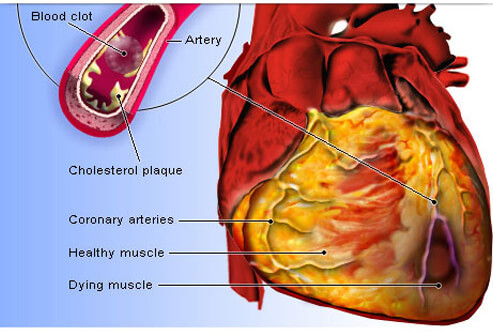
    Inhaling secondhand smoke can harm the cardiovascular system and can increase the risk for heart attack, particularly in those who already have heart disease. Nonsmokers exposed to secondhand smoke have a 25-30% higher risk of developing heart disease. Exposure to secondhand smoke causes an estimated 46,000 heart disease deaths each year. Risk of stroke is increased as well when secondhand smoke is inhaled.

    Other Lung Diseases and Respiratory Illnesses

    Secondhand smoke can irritate the lungs and can cause respiratory illnesses and breathing difficulties. Cough, chest congestion (phlegm), wheezing, shortness of breath, and even decreased lung function are all traceable to secondhand smoke exposure. In the U.S., among children 18 months and younger, secondhand smoke exposure is responsible for 150,000 to 300,000 cases of bronchitis and pneumonia, and 7,500 to 15,000 hospitalizations each year.

    Other Effects on Children

    In addition to serious reparatory infections children who are exposed to secondhand smoke are at higher risk for ear infections, have fluid in their ears more often, and more frequently need operations to put in ear tubes for drainage. In children with asthma, even a small exposure to secondhand can trigger an asthma attack.

    Effects on Pregnant Women

    Babies born to mothers who inhaled secondhand smoke are often lower birth weight and are more likely to die from SIDS (sudden infant death syndrome).

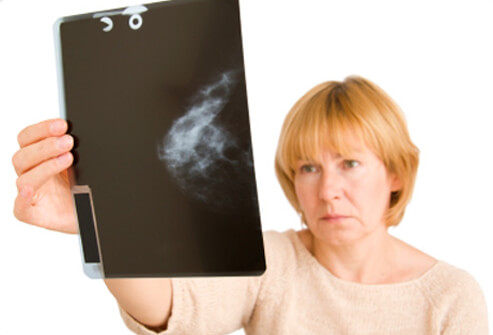
    Possible Link to Breast Cancer

    Secondhand smoke is thought to possibly increase the risk of breast cancer. Research is still underway, and results have been mixed. Because secondhand smoke contains known carcinogens this may account for the increased risk.

    Is There A Safe Level of Secondhand Smoke?

    There is no safe level of secondhand smoke. Even inhaling small amounts can be harmful, and extensive or long-term exposure increases the risk of medical problems. Avoiding secondhand smoke is the best way to reduce health risk.

    What Can Be Done About Secondhand Smoke Exposure?

    Nationally, there are numerous laws that restrict smoking in public places such as airlines and Federal buildings. State and local laws routinely prohibit smoking in public places such as schools, hospitals, airports, and beaches. Many workplaces, restaurants, and bars also ban smoking on the premises. To find the laws in your state, the American Lung Association has a listing of regulations grouped by U.S. state: http://www.lungusa2.org/slati/

    The U.S. Department of Health and Human Services Healthy People 2020 is a nationwide initiative aimed at reducing illness and death related to smoking and secondhand smoke. For more information on Healthy People 2020 visit http://www.healthypeople.gov/.

    If You're A Smoker

    If you smoke, quit. Your family and friends will no longer be exposed to your secondhand smoke if you are not smoking. Find support at smokefree.gov.

    How to Protect Yourself If You're A Non-Smoker

    Avoid secondhand smoke to protect yourself from the health risks associated with inhaling it. If you don't smoke, don't allow others to smoke in your home or car. Make sure smoking restrictions are enforced where you work such as proper ventilation and smoking areas at least 25 feet away from entrances. Find smoke-free bars and restaurants, and let the owners know that you come there because they are smoke-free. Don't allow anyone who is smoking near your child, as children are particularly vulnerable to the effects of passive smoke.

    What Is Thirdhand Smoke?

    Thirdhand smoke is a recent term that refers to the smoke residue that is left behind after being around people who are smoking. The smell in your clothes, curtains, carpet, furniture, and other items has an odor because of the tobacco toxins that remain. These toxins can be absorbed through the skin and mucus membranes of non-smokers, particularly infants and children. To prevent thirdhand smoke, you need to prevent secondhand smoke.

    0 comment
    0
    Facebook Twitter Google + Pinterest
    explainingmedicine

    previous post
    Breast Cancer Deaths Continue to Decline in U.S.
    next post
    Gout: See & Learn About Gouty Arthritis Attacks

    Related Articles

    Exercise and Fitness: The Best Flat Abs Moves for Men

    October 14, 2016

    Psoriasis Rash: What Does Psoriasis Look Like?

    October 14, 2016

    Allergy: What Happens in a Nasal Allergy Attack

    October 14, 2016

    Birthmarks: Learn to Recognize the Different Types

    October 14, 2016

    Bad Bugs: Identify Bugs and Their Bites

    October 14, 2016

    Diet Mistakes: 10 Diet Mistakes and How to Avoid Them

    October 14, 2016

    Alzheimer’s Disease: A Caregiver’s Guide

    October 14, 2016

    Anatomy of a Sore Throat: Distinguish Common Sore Throat From Strep

    October 14, 2016

    Alzheimer’s Disease: 13 Myths About Alzheimer’s

    October 14, 2016

    Psoriatic Arthritis: Types, Causes, Symptoms and Treatment

    October 14, 2016

    Recent Posts

    • Flu shot recommendation for kids dropped just as the illness rages

      January 12, 2026
    • The CDC just sidelined these childhood vaccines. Here’s what they prevent

      January 9, 2026
    • Your next primary care doctor could be online only, accessed through an AI tool

      January 9, 2026
    • In Lodge Grass, Montana, a Crow community works to rebuild from meth’s destruction

      January 8, 2026
    • RFK Jr.’s new dietary guidelines go all in on meat and dairy

      January 7, 2026

    Keep in touch

    Facebook Twitter Google + RSS

    Recent Posts

    • Flu shot recommendation for kids dropped just as the illness rages

      January 12, 2026
    • The CDC just sidelined these childhood vaccines. Here’s what they prevent

      January 9, 2026
    • Your next primary care doctor could be online only, accessed through an AI tool

      January 9, 2026
    • In Lodge Grass, Montana, a Crow community works to rebuild from meth’s destruction

      January 8, 2026
    • RFK Jr.’s new dietary guidelines go all in on meat and dairy

      January 7, 2026
    • Terms of Service
    • Privacy Policy

    @2026 - Explaining Medicine. All Right Reserved.


    Back To Top
    Explaining Medicine
    Proudly powered by WordPress Theme: soledad child.